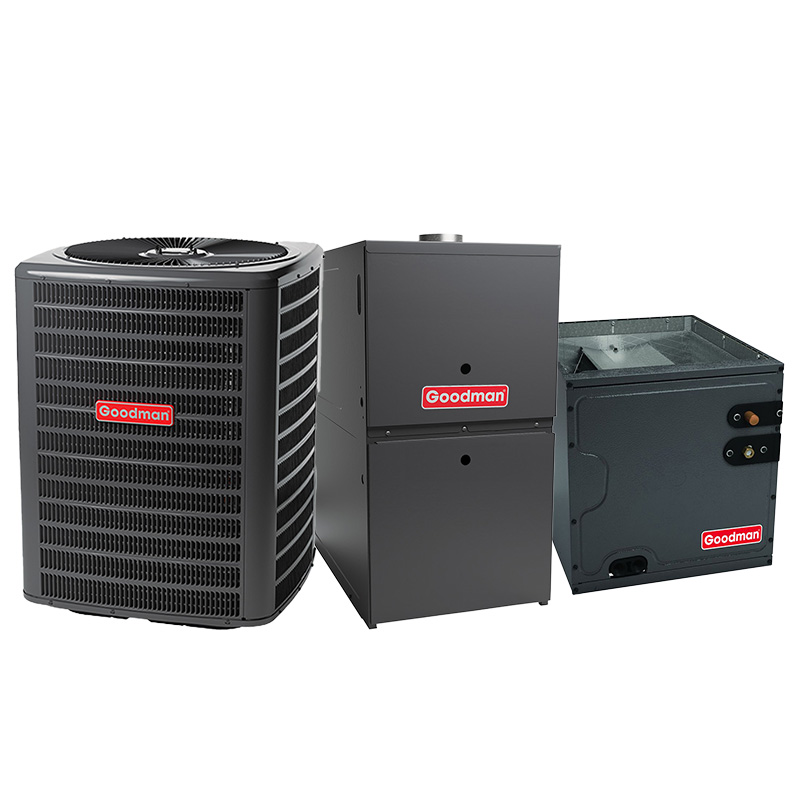
Goodman 3 Ton AC And 80000 BTU 80% AFUE Gas Furnace System | 17.5 SEER2 Two Stage AC | Variable Speed Two Stage Furnace | Upflow | R32
View on AC Direct see your lowest price →Check current price on AC Direct →
Key features
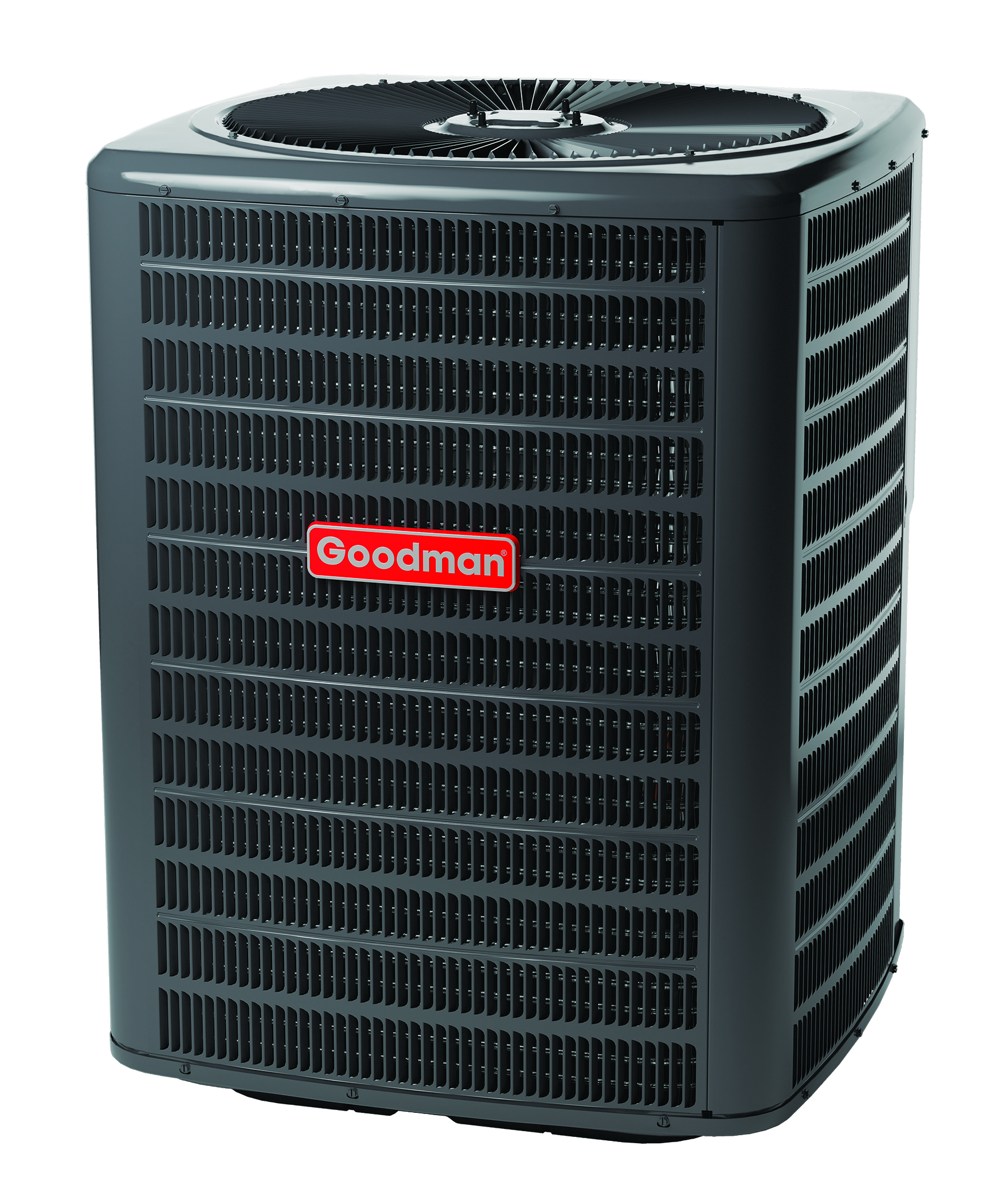
- 17.5 SEER2 two-stage central air conditioner, 3-ton cooling capacity
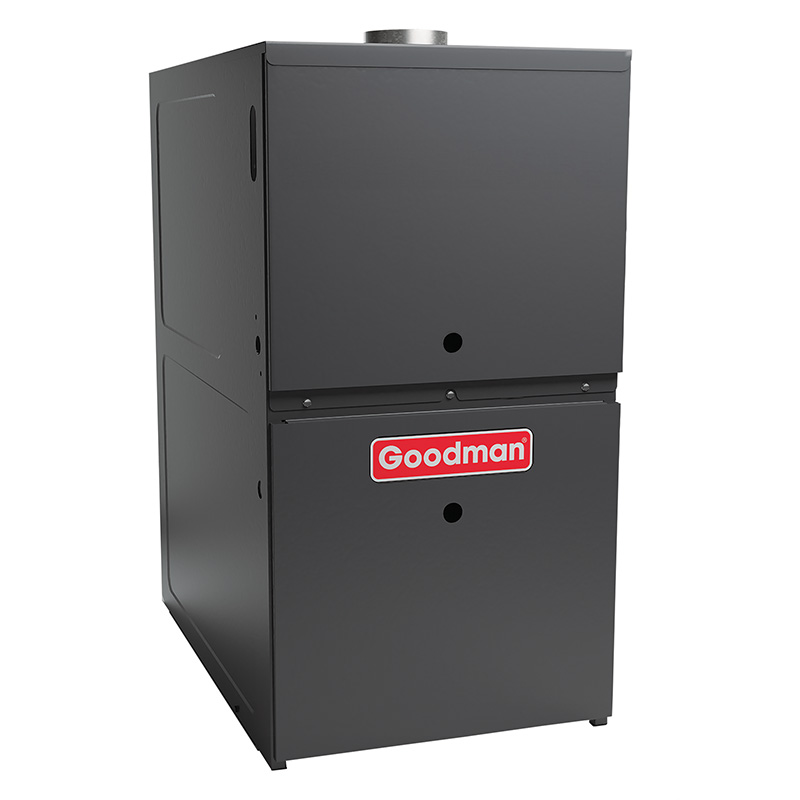
- 80,000 BTU two-stage gas furnace rated at 80% AFUE efficiency
- Variable-speed blower motor for quieter operation and improved humidity control
- Upflow configuration for basement or utility closet installations with overhead ductwork
- R-32 refrigerant, lower global warming potential than R-410A
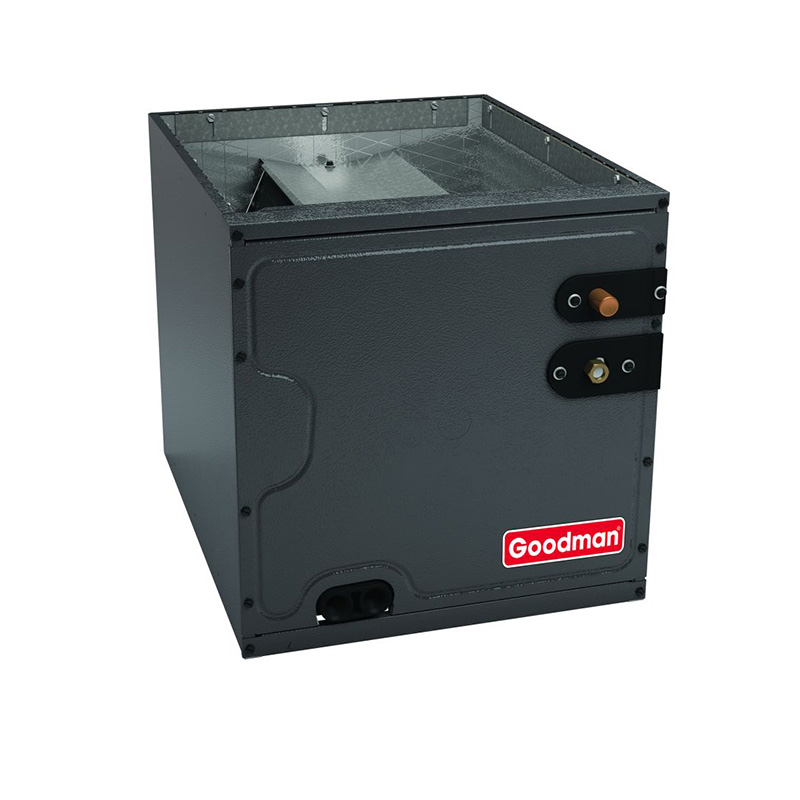
- Matched system design allows single-warranty registration and confirmed coil compatibility
About this system
This Goodman bundle pairs a 3-ton, 17.5 SEER2 two-stage central air conditioner with an 80,000 BTU, 80% AFUE two-stage gas furnace in an upflow configuration, making it a reasonable fit for homes in mixed climates where you need solid cooling efficiency and dependable winter heat without paying premium-brand prices. The two-stage operation on both units is a meaningful comfort upgrade over single-stage systems: the equipment runs at a lower capacity most of the time, which smooths out temperature swings, reduces short-cycling, and keeps indoor humidity more consistent on mild days. The variable-speed air handler circulates air quietly and steadily rather than blasting on and off at full power.
At 17.5 SEER2, this system sits in a comfortable efficiency tier, well above the federal minimum and competitive with mid-range offerings from premium brands, though it falls short of the 18-plus SEER2 ratings available on higher-end variable-speed compressor systems. The 80% AFUE furnace is an honest entry point: it exhausts through a standard flue, making retrofits straightforward, but homeowners in colder climates should note that a 90%-plus AFUE unit would recover more fuel cost over time. R-32 refrigerant is a lower-GWP choice compared to R-410A, which is now being phased out, so this system is reasonably future-proofed on the refrigerant side. The upflow configuration suits homes where the air handler sits in a basement or utility closet with ductwork running up through the floor system.
This package is built around the value buyer: someone who wants two-stage comfort features and mid-tier efficiency without the sticker shock of Trane, Lennox, or Carrier equivalents. The trade-off is that Goodman’s long-term reliability track record is noticeably shorter than those premium brands, and how well this system performs over a decade-plus leans heavily on the quality of the installing contractor.
This Goodman package delivers genuine two-stage comfort and honest mid-tier efficiency at a price point that undercuts comparable Trane, Lennox, and Carrier bundles by a meaningful margin. The specs are real and the features are useful, but Goodman's reliability data is shorter on average than premium brands, and the system's long-term performance depends heavily on who installs it. Buyers who use a skilled contractor and keep up with maintenance will get solid value; those who cut corners on installation take on real risk.
Overall score is the average of the five ratings above.
What we like
- Two-stage operation on both AC and furnace reduces temperature swings and improves day-to-day comfort
- 17.5 SEER2 is a legitimately efficient rating that will reduce cooling costs compared to minimum-standard equipment
- R-32 refrigerant is more future-proofed than R-410A as phase-out regulations tighten
- Upflow configuration is a straightforward retrofit for existing forced-air homes with basement or closet mechanical rooms
- Priced 15 to 25 percent below comparable Trane, Lennox, and Carrier systems, freeing budget for a quality install
Trade-offs
- Compressors average 10 to 14 years in owner and technician reports, versus 15 to 20 years for premium brands
- Evaporator coil leaks appear in a meaningful share of owner reviews, which can be a costly mid-life repair
- 80% AFUE is the low end of current furnace efficiency; homeowners in cold climates will leave fuel savings on the table compared to a 96% AFUE unit
- A minority of owners report refrigerant leaks in the first year, typically traced to install or charge problems, underlining how much contractor quality matters
What homeowners and pros say about Goodman
Homeowners who have lived with Goodman equipment for several years tend to land in two camps. Those who had a strong installer walk away reasonably satisfied, pointing to steady comfort and lower upfront costs as the main wins. The brand holds roughly a 3.8 out of 5 on Google dealer reviews across multiple locations, with affordability cited most often as the reason buyers chose it. The picture on ConsumerAffairs is considerably less flattering, at around 2.5 out of 5, though that channel skews toward people who are already frustrated. The recurring complaint theme there is repair costs that start to stack up after roughly year 7, which aligns with what technicians say about Goodman compressors averaging 10 to 14 years in the field compared to 15 to 20 years for Trane, Lennox, or Carrier units.
HVAC professionals have a fairly consistent take on Goodman: the equipment is acceptable when it is installed correctly and maintained on schedule, but it punishes shortcuts more than premium brands do. The specific failure modes that come up most in technician conversations are dual-run capacitor failures (frequent but cheap to fix, usually 300 to 600 dollars), evaporator coil leaks that show up in a notable share of owner reviews as the system ages, and a smaller group of owners who report refrigerant leaks within the first year, almost always tied to an install or charge problem rather than a factory defect. For this two-stage R-32 system specifically, confirming that your contractor is equipped and certified to handle A2L refrigerants before signing anything is a practical step that could save you a service call headache down the road.
Sources: ConsumerAffairs Goodman owner reviews, AHRI Directory of Certified Product Performance, U.S. DOE appliance and equipment efficiency standards, Goodman product specification sheets.
What it costs to run
At 17.5 SEER2, cooling this 3-ton system for a typical 1200-hour cooling season at the U.S. average electricity rate of $0.17/kWh works out to roughly $420 per year in cooling, about $128 less per year than a minimum-efficiency 13.4 SEER2 unit of the same size. Your real cost depends on your climate and local rate.
Method: (36,000 BTU/hr ÷ 17.5 SEER2) × 1200 hours ÷ 1000 × $0.17/kWh. Rate source: U.S. EIA average; cooling hours: moderate-climate estimate.
How it compares
| Brand | Comparable model | SEER2 | Stage | Price position |
|---|---|---|---|---|
| Goodman | GSXH503610 + GMVC800803BX (this system) | 17.5 | Two-stage AC / Two-stage furnace | Value pick |
| Carrier | Comfort 16 / Performance 16 series (24ACC636) | 16 to 17 | Single-stage | Typically 15 to 25 percent more than this Goodman bundle |
| Trane | XR17 series (4TTR7036) | 17 | Single-stage | Typically 15 to 25 percent more than this Goodman bundle |
| Lennox | Merit 16ACX series | 16 to 17 | Single-stage | Typically 15 to 25 percent more than this Goodman bundle |
Competitor rows are comparable single-stage units at similar efficiency; price is relative position, not a quote.
Questions about this system
Does the 80% AFUE furnace require a special venting setup, or can it use my existing flue?
An 80% AFUE furnace vents as a standard Category I appliance through a conventional metal flue, so in most cases it can connect to your existing chimney or B-vent without modification. A 90%-plus AFUE condensing furnace, by contrast, requires PVC venting and a condensate drain. If you are replacing an older 80% unit, this swap is typically straightforward.
What is the Goodman warranty on this system, and do I need to register it?
Goodman offers a 10-year parts limited warranty when you register the equipment within a set window after installation, typically 60 days. Failing to register usually drops coverage to 5 years on parts. The compressor carries a separate limited warranty as well. Always verify current warranty terms at the time of purchase, as Goodman has updated its warranty structure over the years.
R-32 refrigerant is listed here. Is it harder to service than R-410A?
R-32 requires technicians to use equipment rated for A2L mildly flammable refrigerants, and not all service trucks are currently equipped for it. As R-410A is phased out, R-32 servicing will become increasingly common, but in 2024 to 2025 you should confirm that your local HVAC contractors are already set up to handle it before you buy.
How often do the dual-run capacitors fail on Goodman equipment, and what does that repair cost?
Dual-run capacitors are the most commonly reported Goodman failure point in owner and technician accounts. They are also one of the cheaper repairs in the HVAC world, typically landing in the 300 to 600 dollar range including labor. Most capacitor failures show up as the AC not starting or shutting off prematurely, and a competent tech can usually diagnose and replace one in under an hour.
Is a 3-ton system the right size for my home, or should I have a load calculation done before ordering?
Tonnage should always be confirmed with a Manual J load calculation performed by your installer before the system is ordered. A 3-ton unit is a common fit for roughly 1,500 to 2,000 square feet in a moderate climate, but actual requirements depend on insulation, window area, ceiling height, local climate, and duct condition. An oversized system short-cycles and handles humidity poorly; an undersized one runs constantly and never keeps up on the hottest days.
Specifications
| Cooling capacity | 3 Ton |
| Efficiency | 17.5 SEER2 |
| Furnace output | 80000 BTU |
| Furnace efficiency | 80% AFUE |
| Configuration | Upflow |
| Refrigerant | R-32 |