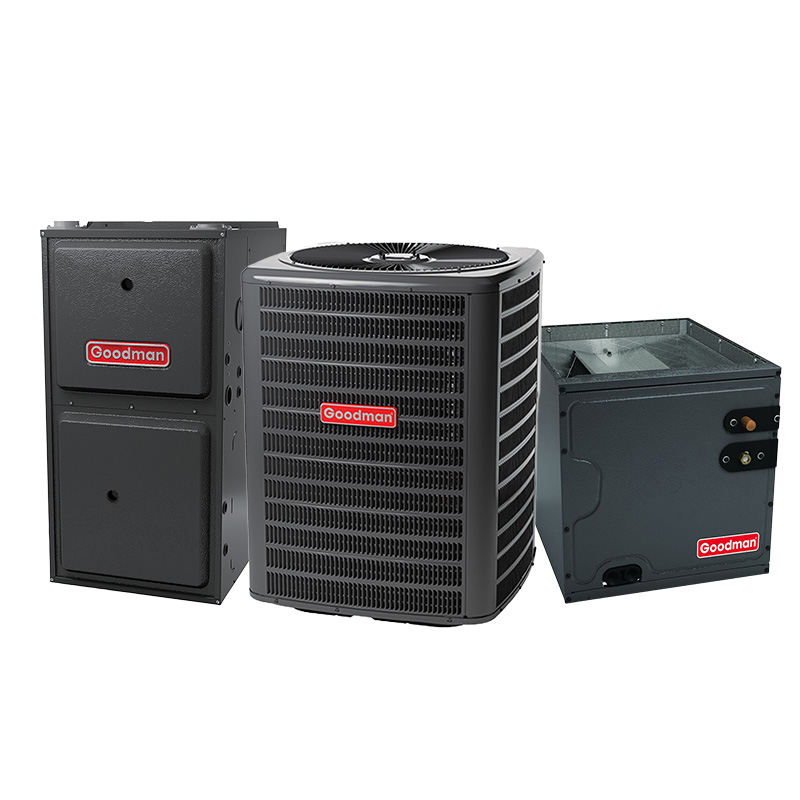
Goodman 3 Ton Dual Fuel Hybrid Heat Pump System – 100000 BTU California Low NOx Two Stage Gas Furnace, 80% AFUE, Upflow, 15.2 SEER2, R32
View on AC Direct see your lowest price →Check current price on AC Direct →
Key features
- 15.2 SEER2 heat pump paired with 80% AFUE two-stage gas furnace for automatic dual fuel operation
- California Low NOx certified furnace meets SCAQMD air quality standards
- Two-stage gas valve reduces cycling and improves temperature consistency on moderate heating days
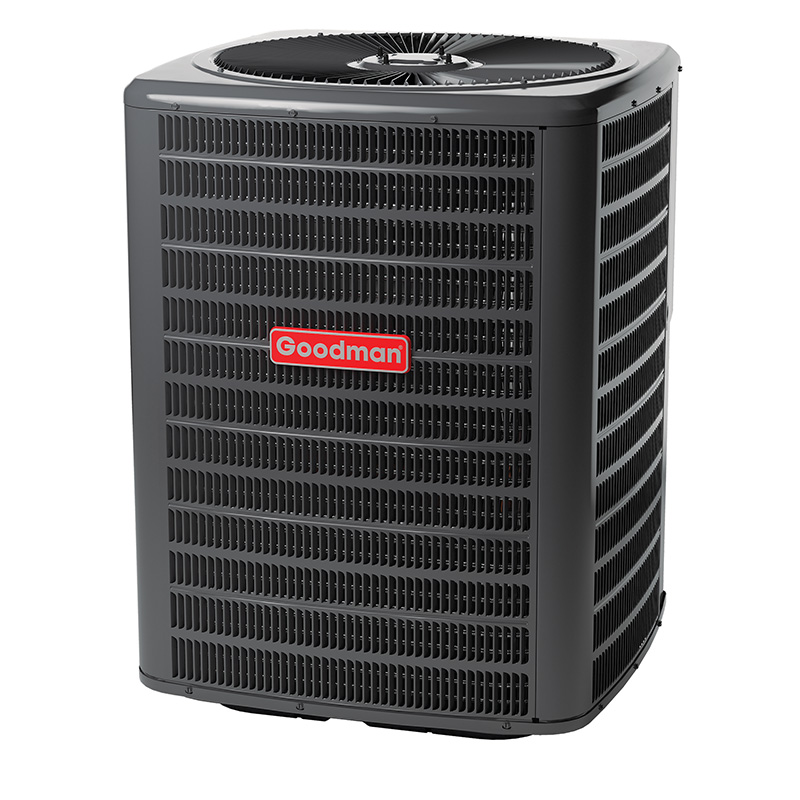
- R-32 refrigerant with lower global warming potential than R-410A
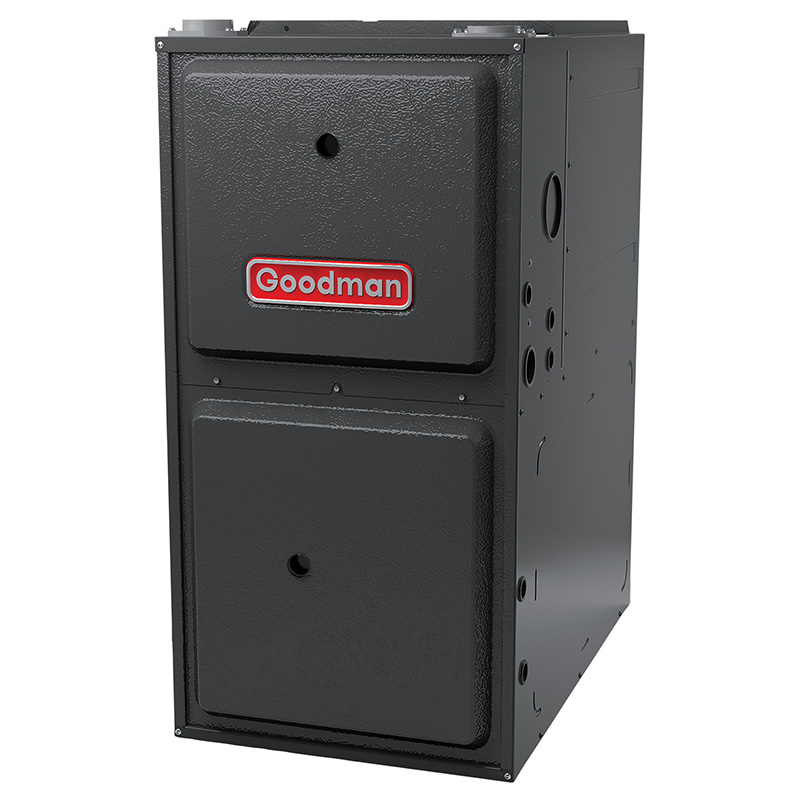
- Upflow cabinet configuration for basement or closet installs with overhead ductwork
- 100,000 BTU heating capacity with automatic switchover between heat pump and gas heat
About this system
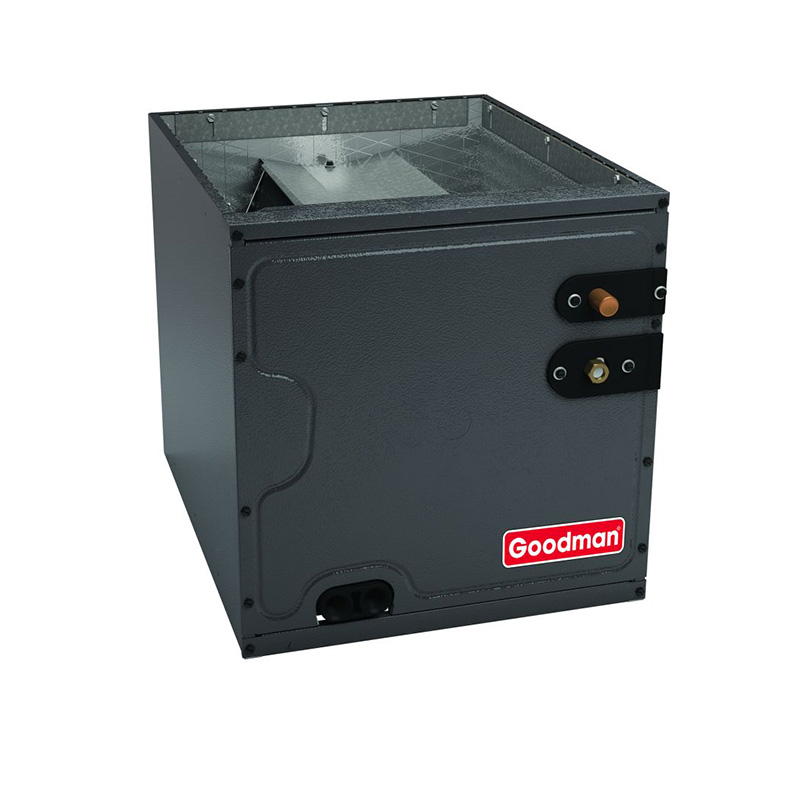
The Goodman 3-ton dual fuel hybrid system pairs a 15.2 SEER2 heat pump with a 100,000 BTU, 80% AFUE two-stage gas furnace, giving you two heating sources that hand off automatically based on outdoor temperature and running cost. In mild weather the heat pump handles the load efficiently; when temperatures drop far enough that gas becomes the more economical choice, the furnace takes over. That split personality makes this system a practical fit for climates with genuine winters but also long shoulder seasons where a heat pump alone covers most hours.
The furnace side is rated at 80% AFUE, which meets federal minimums for most of the country but sits below the 96% or higher units on the market. For California buyers the Low NOx certification matters: the furnace meets South Coast AQMD and SCAQMD requirements, so it is legal to install in the state’s stricter air districts. The two-stage gas valve lets the furnace run at reduced capacity on moderate days, cutting on-off cycling and evening out temperatures compared to a single-stage unit. R-32 refrigerant has a lower global warming potential than the R-410A it replaces and is increasingly the industry standard, though it does require a certified technician with R-32 handling experience. The upflow configuration means the furnace discharges conditioned air through the top, which suits basement or ground-level installs where ductwork runs overhead.
This is a 3-ton system sized for roughly 1,500 to 2,100 square feet depending on insulation, climate, and ceiling height. The 100,000 BTU furnace is on the larger side for that footprint, so a Manual J load calculation is important before purchase to confirm you are not significantly oversized on the heat side. Goodman positions this package below Trane, Carrier, and Lennox on price, and the trade-off is a compressor and coil track record that lags the premium tier by several years on average.
This Goodman dual fuel package delivers a functional hybrid heating solution at a price point meaningfully below comparable Carrier, Trane, and Lennox systems. The California Low NOx certification and two-stage furnace are genuine strengths, and R-32 keeps the system current. The honest trade-off is a reliability track record and component lifespan that fall short of premium brands, and long-term value depends heavily on the quality of the installing contractor.
Overall score is the average of the five ratings above.
What we like
- Dual fuel design captures heat pump efficiency in mild weather while gas heat covers cold snaps, lowering annual operating costs compared to gas-only systems
- Two-stage furnace operation reduces temperature swings and short cycling versus single-stage alternatives
- California Low NOx certified, making it compliant in the state's most restrictive air districts
- R-32 refrigerant is lower-GWP and increasingly supported by service technicians
- Priced 15 to 25 percent below comparable Trane, Lennox, and Carrier configurations, lowering the upfront barrier
Trade-offs
- 80% AFUE furnace wastes 20 cents of every fuel dollar and falls well below high-efficiency alternatives in the 95 to 98% AFUE range
- Compressors on Goodman equipment average 10 to 14 years versus 15 to 20 for premium brands, which matters over a full ownership period
- Dual-run capacitor failures are the most commonly reported service call, and evaporator coil leaks appear in a meaningful share of owner reports
- A minority of owners report refrigerant leaks within the first year, typically tied to install or initial charge quality rather than the unit itself
What homeowners and pros say about Goodman
Homeowners who chose Goodman equipment tend to split into two camps. Those who had a skilled contractor handle the install often report years of trouble-free operation and point to the lower purchase price as money well spent. Those who ran into problems frequently mention the same failure modes: dual-run capacitor replacements showing up after a few seasons (a repair that typically runs $300 to $600 and is considered routine across many brands), evaporator coil leaks appearing in a meaningful share of units over time, and compressors that in documented owner reports average 10 to 14 years of service life rather than the 15 to 20 years more commonly seen with Trane, Carrier, and Lennox compressors. The ConsumerAffairs rating for Goodman sits at roughly 2.5 out of 5, though that channel skews heavily toward unhappy owners and is not a representative sample. Google dealer reviews across multiple locations average closer to 3.8 out of 5, where affordability is the praise that comes up most often.
HVAC professionals tend to view Goodman as a serviceable brand whose outcome is tied tightly to installation quality. A correctly sized, properly charged, and carefully commissioned Goodman system performs close to spec; a rushed or sloppy install amplifies every weak point the brand already carries. For a dual fuel R-32 system specifically, technicians point out that refrigerant handling and system commissioning require extra care, and that the minority of first-year refrigerant leak reports documented in owner feedback are almost always traced back to install or initial charge issues rather than a factory defect. The takeaway from the field is consistent: the equipment is a reasonable value at its price point, but the contractor you choose matters at least as much as the brand on the box.
Sources: ConsumerAffairs Goodman owner reviews, AHRI Directory of Certified Product Performance, U.S. DOE appliance and equipment efficiency standards, Goodman product specification sheets.
What it costs to run
At 15.2 SEER2, cooling this 3-ton system for a typical 1200-hour cooling season at the U.S. average electricity rate of $0.17/kWh works out to roughly $483 per year in cooling, about $65 less per year than a minimum-efficiency 13.4 SEER2 unit of the same size. Your real cost depends on your climate and local rate.
Method: (36,000 BTU/hr ÷ 15.2 SEER2) × 1200 hours ÷ 1000 × $0.17/kWh. Rate source: U.S. EIA average; cooling hours: moderate-climate estimate.
How it compares
| Brand | Comparable model | SEER2 | Stage | Price position |
|---|---|---|---|---|
| Goodman | 3-Ton Dual Fuel Hybrid System, 100K BTU Low NOx Two-Stage 80% AFUE | 15.2 | Two-stage | Value pick |
| Carrier | Performance Series Dual Fuel (25HCB6 heat pump with 58SB furnace) | 15.2 | Single-stage | Typically 15 to 25 percent more than Goodman |
| Trane | XR15 Dual Fuel System (XR15 heat pump with S8X1 furnace) | 15.0 | Single-stage | Typically 15 to 25 percent more than Goodman |
| Lennox | Merit Series Dual Fuel (ML15XP1 heat pump with ML180 furnace) | 15.1 | Single-stage | Typically 15 to 25 percent more than Goodman |
Competitor rows are comparable single-stage units at similar efficiency; price is relative position, not a quote.
Questions about this system
What outdoor temperature does the system switch from heat pump to gas heat, and can I adjust it?
The switchover point, often called the balance point or lockout temperature, is typically set during commissioning and depends on your local utility rates and climate. Most installers set it somewhere between 35 and 45 degrees Fahrenheit, but your technician can adjust the thermostat or system controls to match your specific fuel costs and comfort preferences.
Is the 100,000 BTU furnace oversized for a 3-ton system in most California homes?
It can be. A 3-ton cooling system typically serves roughly 1,500 to 2,100 square feet depending on insulation and climate zone, and many California homes in that range need significantly less than 100,000 BTU of heat. You should have a Manual J load calculation done before purchase so the furnace is not substantially oversized, which causes short cycling and uneven comfort.
Does the 80% AFUE furnace qualify for any California or federal rebates?
Federal tax credits under the Inflation Reduction Act currently require a minimum of 97% AFUE for gas furnaces to qualify, so this 80% AFUE unit would not meet that threshold. California utility and TECH Clean California rebates vary by program and may focus on heat pump performance rather than the furnace AFUE; check with your local utility before purchase.
How hard is it to find a technician who can service R-32 refrigerant if the system needs a charge or coil repair?
R-32 requires EPA 608 certification and specific recovery equipment, and technician familiarity is growing but not yet universal. In most California metro areas qualified technicians are available, but in rural areas you may want to confirm your local HVAC service companies have R-32 capability before committing to this system.
What does Goodman's warranty cover on this system, and what do I need to do to keep it valid?
Goodman generally offers a 10-year parts warranty when the equipment is registered within a specified window after installation, with the compressor typically covered under that same term. To keep the warranty valid the system must be installed by a licensed HVAC contractor and registered through Goodman's portal; failure to register usually drops coverage to a shorter base period. Labor is not included in the manufacturer warranty, so service call costs after year one come out of pocket unless you purchase a separate extended service agreement.
Specifications
| Cooling capacity | 3 Ton |
| Efficiency | 15.2 SEER2 |
| Furnace output | 100000 BTU |
| Furnace efficiency | 80% AFUE |
| Configuration | Upflow |
| Refrigerant | R-32 |