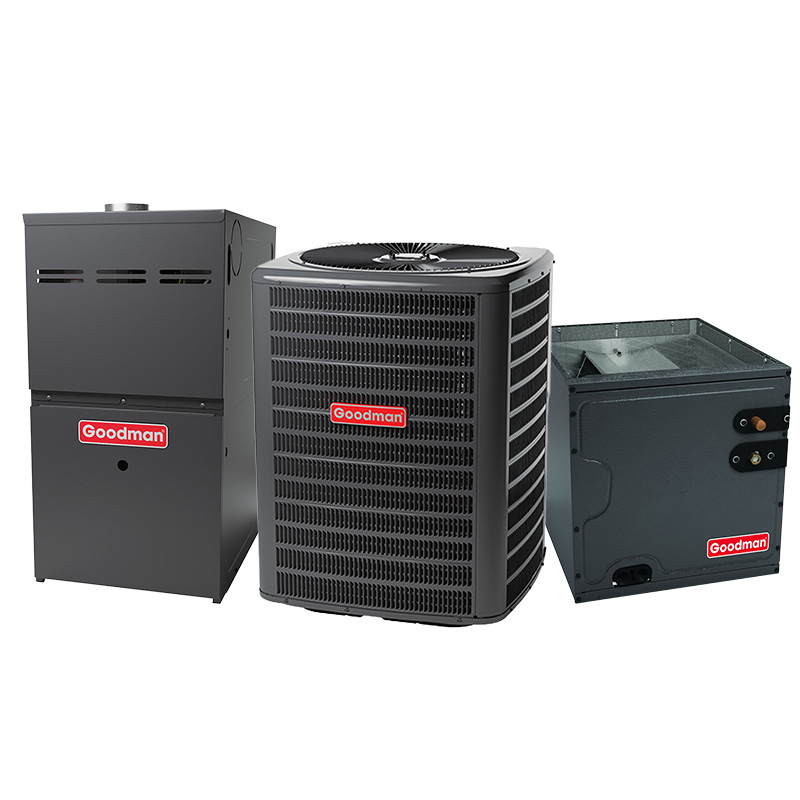
Goodman 3 Ton Dual Fuel Hybrid Heat Pump System – 100000 BTU Gas Furnace, 80% AFUE, 15.2 SEER2, Upflow, R32
View on AC Direct see your lowest price →Check current price on AC Direct →
Key features
- 15.2 SEER2 heat pump efficiency, meeting current federal minimum standards with modest headroom
- 100,000 BTU gas furnace rated at 80% AFUE, meaning 80 cents of every dollar in gas becomes heat
- Dual fuel hybrid design automatically switches between electric heat pump and gas heat based on outdoor conditions
- R-32 refrigerant with lower global warming potential than R-410A
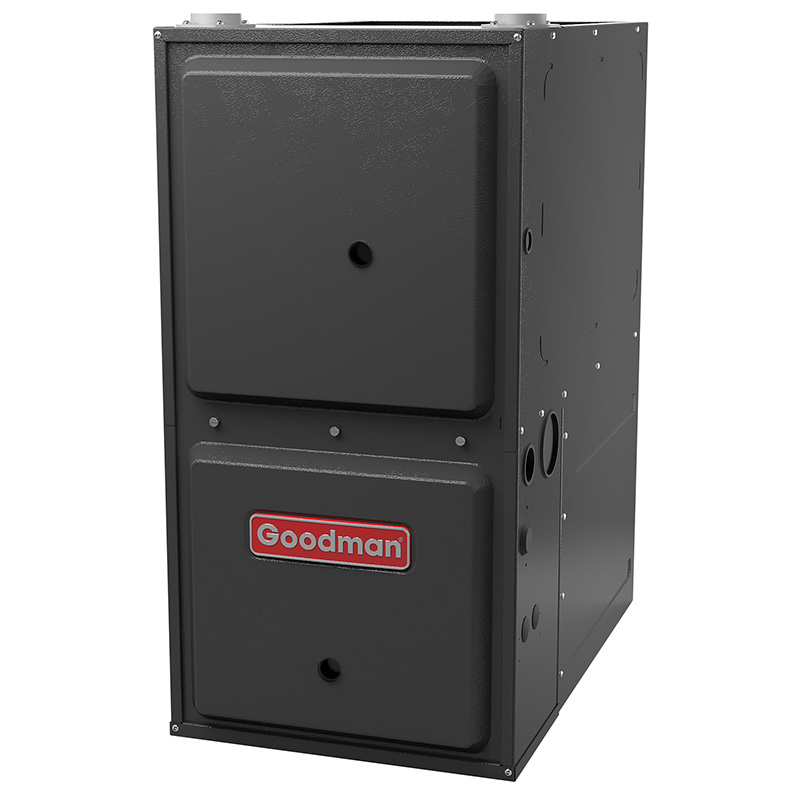
- Upflow cabinet orientation for basements and main-floor installations with overhead ductwork
- 3-ton cooling capacity suited to approximately 1,500 to 2,100 square feet depending on load factors
About this system
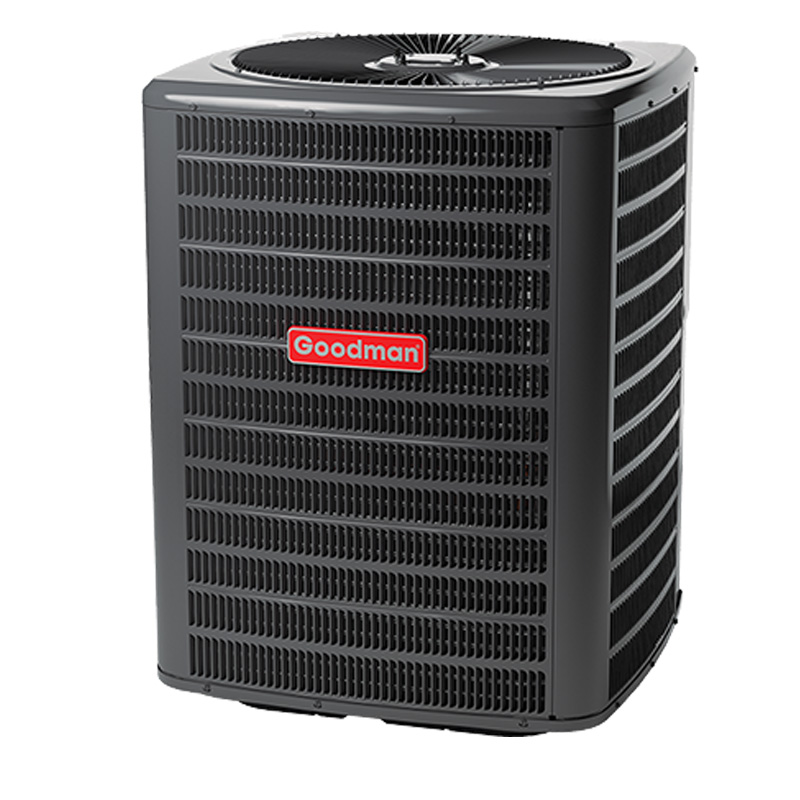
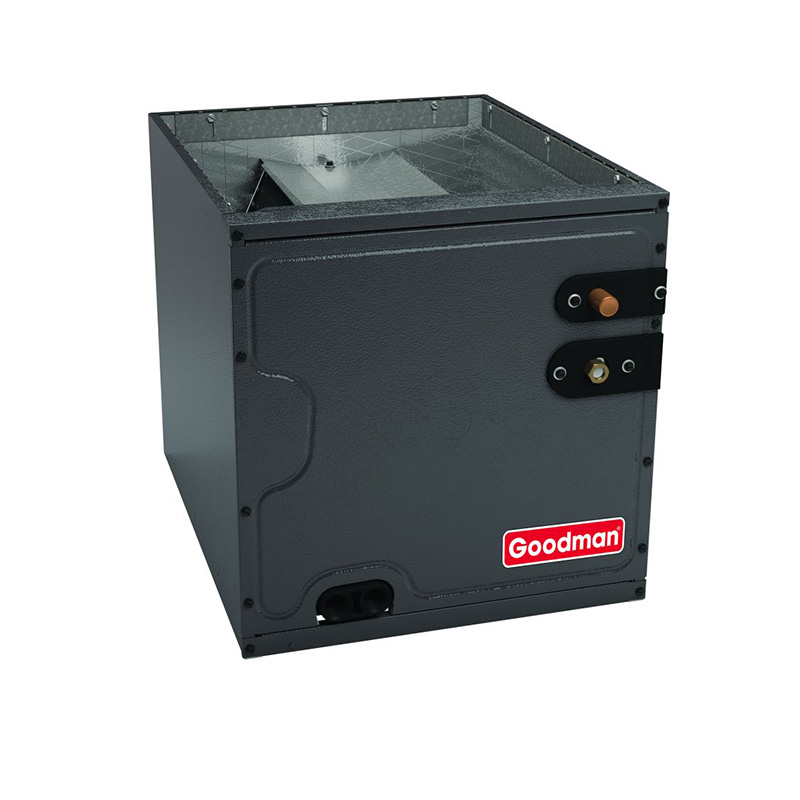
The Goodman 3-ton dual fuel hybrid system pairs a 15.2 SEER2 heat pump with a 100,000 BTU, 80% AFUE upflow gas furnace, giving you two heat sources in one package. The heat pump handles mild-to-moderate heating and all your cooling efficiently, while the gas furnace takes over automatically when outdoor temperatures drop too low for the heat pump to work cost-effectively. That crossover logic is what makes dual fuel systems attractive in climates with cold but not extreme winters, where electric rates and gas prices are both in play.
R-32 refrigerant is a step in the right direction environmentally, carrying a lower global warming potential than the R-410A it replaces in older systems. The upflow configuration routes conditioned air upward through the furnace cabinet, which suits homes where the air handler sits in a basement or on a main floor with ductwork overhead. At 3 tons, this system is sized for roughly 1,500 to 2,100 square feet depending on your climate zone, insulation level, and window area. A proper Manual J load calculation before purchase is not optional here; oversizing a dual fuel system wastes both equipment cost and operating efficiency.
Goodman sits in the value tier, typically priced 15 to 25 percent below Trane, Lennox, and Carrier systems at comparable efficiency levels. That price gap is real and meaningful, but so is the fact that Goodman’s long-term performance is unusually sensitive to installation quality. A careful, experienced installer closes a lot of the gap with premium brands; a rushed or inexperienced one can open it further. This system rewards buyers who vet their contractor as carefully as they vet the equipment.
This Goodman dual fuel system delivers genuine hybrid heating capability and a real upfront cost advantage over premium brands, making it a reasonable choice for budget-conscious buyers in climates where both electric and gas heating have seasonal roles. The 80% AFUE furnace and 15.2 SEER2 heat pump are functional but not leading-edge efficiencies, so long-term operating costs will be higher than a 95% AFUE or <a href="https://hvac.best/glossary/variable-speed/">variable-speed</a> alternative. Reliability is adequate when installed correctly, but documented failure modes and a compressor lifespan shorter than premium competitors mean buyers should treat the warranty and contractor selection as non-negotiable priorities.
Overall score is the average of the five ratings above.
What we like
- Upfront price runs 15 to 25 percent below comparable Trane, Carrier, and Lennox dual fuel systems
- Dual fuel logic automatically optimizes between heat pump and gas heat, lowering operating costs versus straight gas heat in mild weather
- R-32 refrigerant has a meaningfully lower environmental footprint than R-410A
- Dual-run capacitor failures, the most common reported issue, are relatively inexpensive to repair in the 300 to 600 dollar range
- Upflow configuration is straightforward to integrate in homes with basement or closet air handler placement and overhead ducts
Trade-offs
- 80% AFUE is the minimum efficiency tier; high-efficiency 95% or 96% AFUE furnaces deliver substantially lower gas bills over the system's life
- Compressor lifespan averages 10 to 14 years versus 15 to 20 years for premium-brand compressors, a real long-term cost factor
- ConsumerAffairs scores average around 2.5 out of 5, with recurring complaints about repair costs climbing after roughly year 7
- A minority of owners report refrigerant leaks in year one, typically traced to install or charge issues rather than the equipment itself, underscoring how critical contractor quality is
What homeowners and pros say about Goodman
Homeowners who post about Goodman systems online tend to split along a familiar line. Those who had an experienced installer and kept up with basic maintenance often report years of trouble-free operation and point to the lower purchase price as a genuine win. Those who ran into problems cite repair bills that arrived sooner than expected, and the pattern in ConsumerAffairs reviews, which average around 2.5 out of 5, is that costs tend to climb after roughly year 7. Google dealer reviews tell a somewhat more balanced story, averaging around 3.8 out of 5 across hundreds of reviews per location, where the most common praise is straightforwardly about affordability. Neither number is the full picture on its own.
HVAC technicians who service Goodman equipment regularly flag dual-run capacitor failures as the most routine call they see on these systems, typically a repair in the 300 to 600 dollar range and not a reason to avoid the brand, but worth budgeting for. Evaporator coil leaks show up in a notable share of owner accounts and are a more expensive fix. Compressor longevity is a real trade-off: Goodman compressors tend to average 10 to 14 years of service life, versus 15 to 20 years for premium-brand equipment, which matters when you are deciding whether the upfront savings outweigh long-term replacement risk. For a dual fuel hybrid specifically, pros emphasize that a misset balance point or an improper refrigerant charge at startup can undo a lot of the system’s built-in efficiency advantages, making installer vetting as important as any spec on the sheet.
Sources: ConsumerAffairs Goodman owner reviews, AHRI Directory of Certified Product Performance, U.S. DOE appliance and equipment efficiency standards, Goodman product specification sheets.
What it costs to run
At 15.2 SEER2, cooling this 3-ton system for a typical 1200-hour cooling season at the U.S. average electricity rate of $0.17/kWh works out to roughly $483 per year in cooling, about $65 less per year than a minimum-efficiency 13.4 SEER2 unit of the same size. Your real cost depends on your climate and local rate.
Method: (36,000 BTU/hr ÷ 15.2 SEER2) × 1200 hours ÷ 1000 × $0.17/kWh. Rate source: U.S. EIA average; cooling hours: moderate-climate estimate.
How it compares
| Brand | Comparable model | SEER2 | Stage | Price position |
|---|---|---|---|---|
| Goodman | GSZH503610 / GMVC8 dual fuel package (this system) | 15.2 | Single-stage | Value pick |
| Carrier | Performance 15 Heat Pump (25PHC) with 58SB gas furnace dual fuel pairing | 15.2 | Single-stage | Typically 15 to 25 percent more than this Goodman system |
| Trane | XR15 Heat Pump (4TWR5) with S8B1 gas furnace dual fuel pairing | 15.0 | Single-stage | Typically 15 to 25 percent more than this Goodman system |
| Lennox | Merit 14HPX Heat Pump with ML180 gas furnace dual fuel pairing | 15.1 | Single-stage | Typically 15 to 25 percent more than this Goodman system |
Competitor rows are comparable single-stage units at similar efficiency; price is relative position, not a quote.
Questions about this system
At what outdoor temperature does the system switch from the heat pump to the gas furnace?
The switchover point, often called the balance point, is typically set by your installer between 30 and 40 degrees Fahrenheit depending on your local gas and electric rates and the heat pump's heating capacity curve. Getting this setting right is important for dual fuel operating efficiency, so ask your installer to document the balance point and explain the logic they used.
Is 80% AFUE good enough, or should I upgrade to a higher-efficiency furnace in this system?
80% AFUE is the federal minimum and means 20% of combustion energy exits as exhaust. In a dual fuel setup where the gas furnace runs only during the coldest periods, the efficiency penalty is smaller than it would be in an all-gas home, but over a decade of ownership the fuel cost difference versus a 95% AFUE furnace is still meaningful. If you run significant heating hours or gas prices are high in your area, the step up to 95% AFUE pays back over time.
What are the most likely repairs I should budget for over the first 10 years?
Dual-run capacitor failure is the most commonly reported issue on Goodman systems and generally costs 300 to 600 dollars to fix. Evaporator coil leaks show up in a meaningful share of owner reviews and are a more expensive repair. A small percentage of owners also report refrigerant leaks in the first year, which are usually tied to installation rather than manufacturing.
Does the R-32 refrigerant require any special handling compared to R-410A systems I may have owned before?
R-32 is mildly flammable, which is a Class 2L refrigerant classification, and requires technicians with specific training and certified equipment to service it safely. Most licensed HVAC technicians are now trained for R-32, but it is worth confirming with any service company before scheduling work.
How important is the installer for a dual fuel system compared to a standard split system?
Installer quality matters more with dual fuel than with most standard systems. Correct refrigerant charge, proper balance-point programming, accurate gas furnace commissioning, and correct zoning of the two heat sources all require experience specific to hybrid setups. Goodman technicians and dealer reviews consistently point to installation quality as the primary variable in how long and how well these systems perform.
Specifications
| Cooling capacity | 3 Ton |
| Efficiency | 15.2 SEER2 |
| Furnace output | 100000 BTU |
| Furnace efficiency | 80% AFUE |
| Configuration | Upflow |
| Refrigerant | R-32 |