Goodman 3 Ton Dual Fuel Hybrid Heat Pump System – 100000 BTU Gas Furnace, 96% AFUE, 14.5 SEER2, Upflow, R32
View on AC Direct see your lowest price →Check current price on AC Direct →
Key features
- Dual fuel hybrid design automatically switches between heat pump and 96% AFUE gas furnace based on outdoor temperature
- 14.5 SEER2 heat pump efficiency meets federal minimums for most U.S. climate zones
- 100,000 BTU gas furnace output suits larger homes or colder climates with higher heating loads
- R-32 refrigerant offers a lower global-warming potential than the R-410A it replaces
- Upflow cabinet configuration compatible with standard basement and closet forced-air installations
- Goodman factory warranty covers the compressor, heat exchanger, and parts (registration required for full term)
About this system
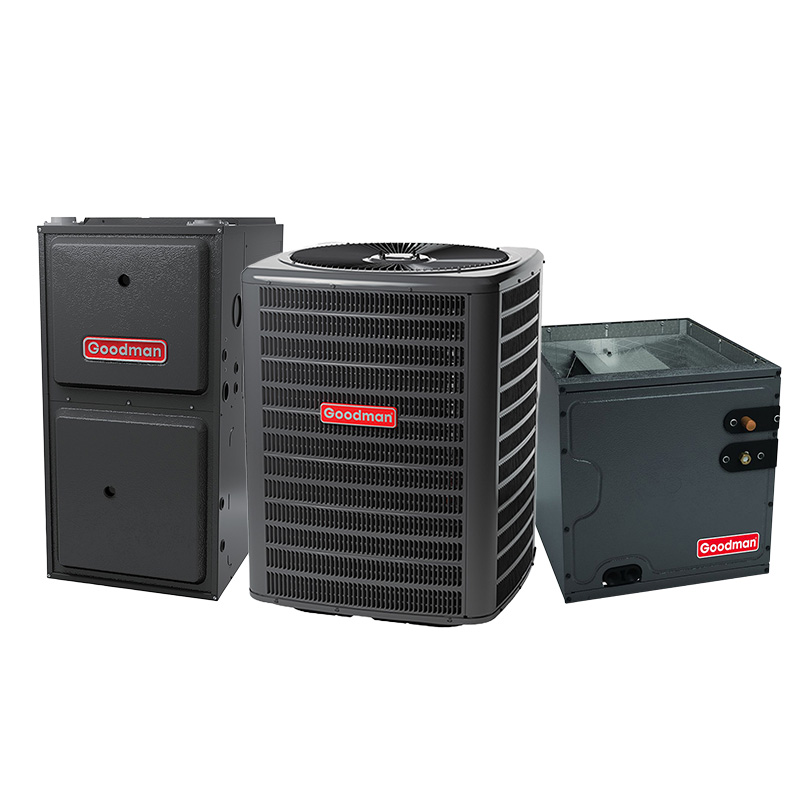
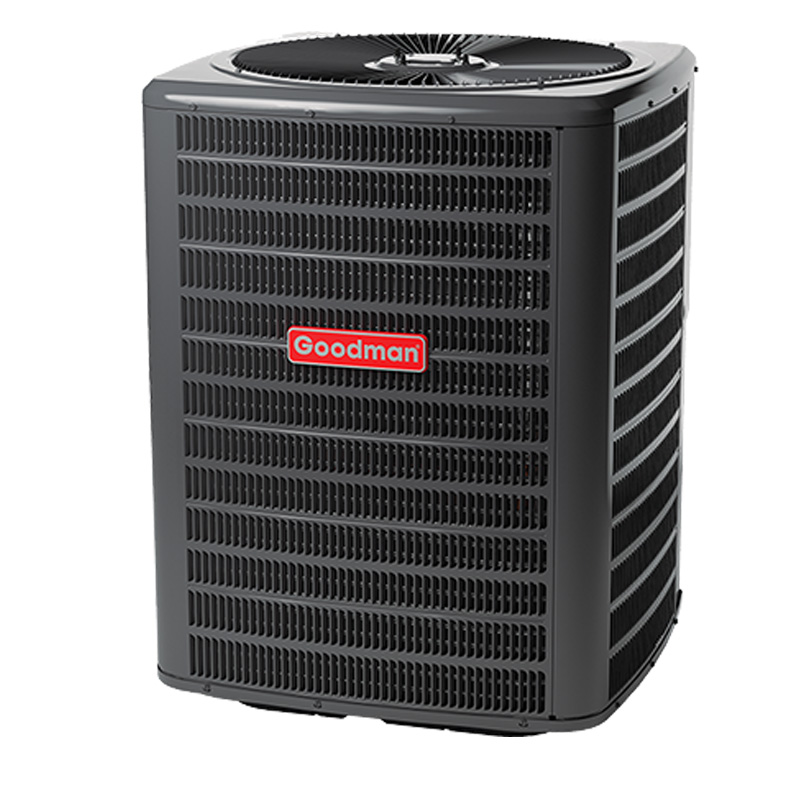
The Goodman 3-ton dual fuel hybrid heat pump system pairs a 14.5 SEER2 heat pump with a 96% AFUE, 100,000 BTU upflow gas furnace to give you two heating sources in one package. On mild days the heat pump handles heating and cooling efficiently; when outdoor temperatures drop to the point where a heat pump struggles, the furnace takes over automatically. That automatic switchover is the core appeal of any hybrid system, and it tends to show up most clearly on monthly utility bills in climates that see genuine winters but also long shoulder seasons.
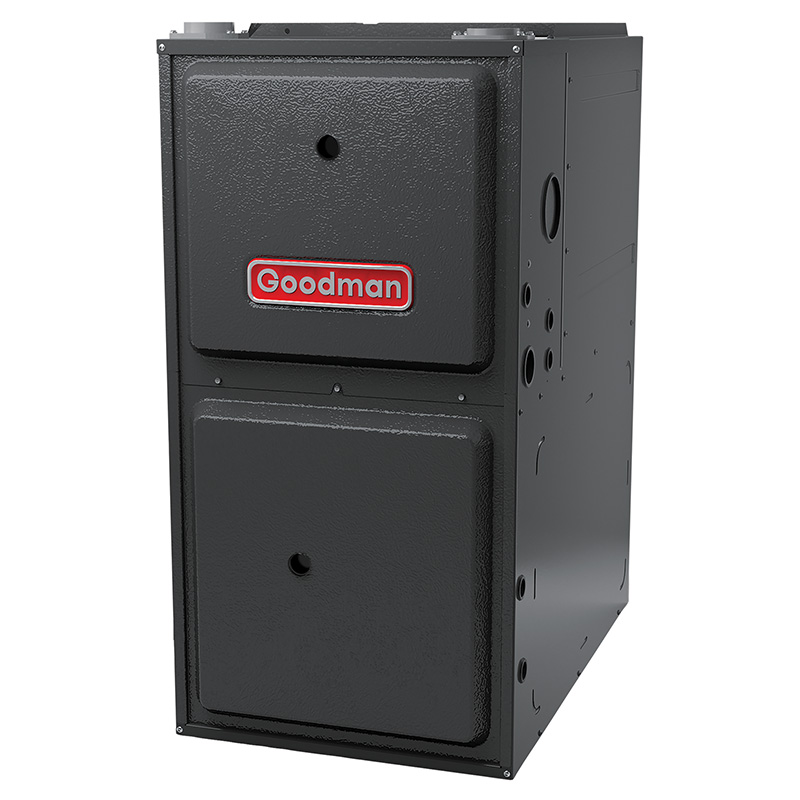
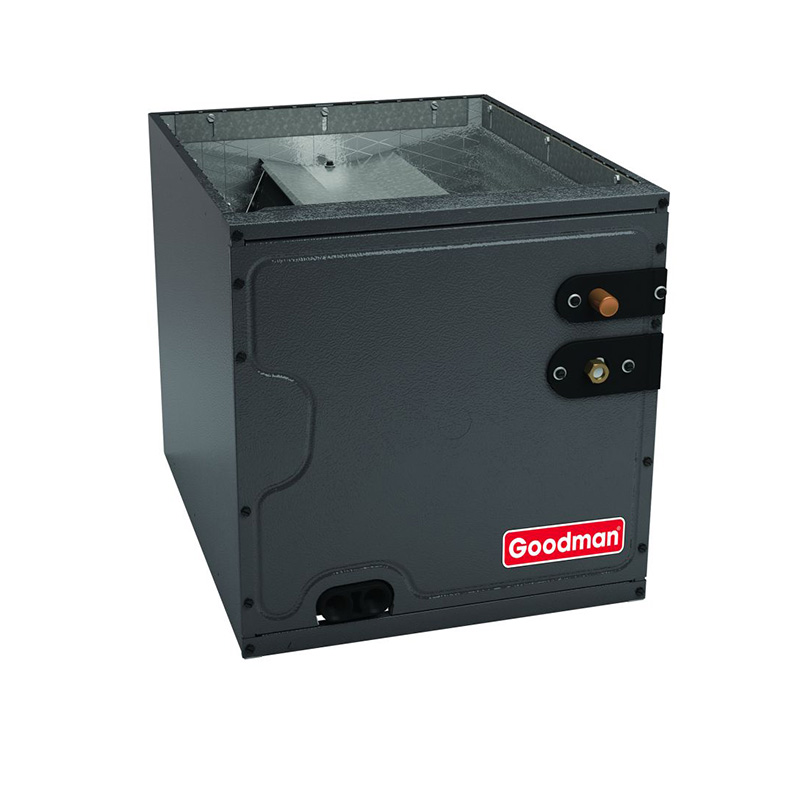
The 96% AFUE rating means the furnace converts 96 cents of every dollar of gas into usable heat, which puts it in the condensing-furnace tier alongside units from premium brands. The heat pump side runs on R-32 refrigerant, a lower global-warming-potential refrigerant that is increasingly common as the industry moves away from R-410A. At 14.5 SEER2, cooling efficiency clears the federal minimum for most U.S. regions without reaching the higher SEER2 numbers found on two-stage or variable-speed equipment. The upflow configuration suits the majority of forced-air homes where the air handler sits in a basement or utility closet and ductwork runs up through the living space.
This system suits homeowners in mixed-climate regions, roughly IECC zones 4 through 6, who want the running-cost benefits of a dual-fuel setup at a price point meaningfully below Carrier, Trane, or Lennox equivalents. It is less suited to strictly warm climates where the furnace would rarely fire, or to buyers who prioritize long-term compressor longevity over upfront savings.
This Goodman dual fuel package delivers a compelling upfront price for a hybrid heating setup that genuinely works well in mixed climates, backed by a solid 96% AFUE furnace. The trade-offs are real: compressor longevity trails premium brands, and long-term ownership costs depend heavily on installation quality and a willingness to budget for occasional capacitor or coil repairs after year seven.
Overall score is the average of the five ratings above.
What we like
- Hybrid switchover logic reduces gas consumption during mild cold stretches, lowering annual utility costs versus a furnace-only system
- 96% AFUE gas furnace is among the most efficient furnace tiers available, minimizing fuel waste when the furnace does run
- R-32 refrigerant is more environmentally favorable than R-410A and is well-supported by current equipment
- Priced roughly 15 to 25 percent below comparable Carrier, Trane, and Lennox dual fuel systems, a meaningful difference on a multi-component package
- Upflow design is straightforward for experienced technicians working on typical residential forced-air systems
Trade-offs
- Compressor lifespan averages 10 to 14 years in owner experience, compared to 15 to 20 years reported for premium brands
- Dual-run capacitor failures are the most commonly documented repair, typically surfacing within the first decade and costing $300 to $600 per incident
- A minority of owners report refrigerant leaks in the first year, most often tied to installation or charging errors rather than defective equipment
- Evaporator coil leaks appear in a meaningful share of owner reviews and can be a more expensive repair than a simple capacitor swap
What homeowners and pros say about Goodman
Homeowners who have lived with Goodman equipment for several years tend to split along a familiar line. Those who had a skilled installer set the system up correctly often report years of uneventful service and point to the lower purchase price as money well spent. The Google dealer review average of around 3.8 out of 5 across hundreds of reviews reflects that split reasonably well, with affordability mentioned most often as the reason people are satisfied. On the other end, ConsumerAffairs scores sit closer to 2.5 out of 5, a channel that skews toward people motivated to write by a bad experience, and the recurring pattern there is repair costs accumulating after roughly year seven.
HVAC technicians who work on Goodman equipment regularly tend to describe it as serviceable rather than exceptional. The dual-run capacitor is the part they replace most often on these systems, a repair that is quick and costs somewhere in the $300 to $600 range, so not catastrophic but a reminder that the savings at purchase can be partly offset by maintenance. Evaporator coil leaks and compressor replacements are the concerns that come up in a more serious tone, since Goodman compressors in real-world use tend to average 10 to 14 years rather than the 15 to 20 years more commonly seen with Trane or Carrier units. For this dual fuel system specifically, technicians emphasize that the balance point setup and the initial refrigerant charge are critical, since a small share of first-year refrigerant leak complaints trace back to installation rather than the equipment itself.
Sources: ConsumerAffairs Goodman owner reviews, AHRI Directory of Certified Product Performance, U.S. DOE appliance and equipment efficiency standards, Goodman product specification sheets.
What it costs to run
At 14.5 SEER2, cooling this 3-ton system for a typical 1200-hour cooling season at the U.S. average electricity rate of $0.17/kWh works out to roughly $506 per year in cooling, about $42 less per year than a minimum-efficiency 13.4 SEER2 unit of the same size. Your real cost depends on your climate and local rate.
Method: (36,000 BTU/hr ÷ 14.5 SEER2) × 1200 hours ÷ 1000 × $0.17/kWh. Rate source: U.S. EIA average; cooling hours: moderate-climate estimate.
How it compares
| Brand | Comparable model | SEER2 | Stage | Price position |
|---|---|---|---|---|
| Goodman | 3-Ton Dual Fuel Hybrid Heat Pump with 96% AFUE Gas Furnace | 14.5 | Single-stage | Value pick |
| Carrier | Performance Series Dual Fuel System (25HCC3 heat pump with 59TP6 furnace) | 15.0 | Single-stage | Typically 15 to 25 percent more than Goodman |
| Trane | XR15 Dual Fuel System (XR15 heat pump with S9X2 furnace) | 15.0 | Single-stage | Typically 15 to 25 percent more than Goodman |
| Lennox | Merit Series Dual Fuel System (14HPX heat pump with ML196 furnace) | 14.3 | Single-stage | Typically 15 to 25 percent more than Goodman |
Competitor rows are comparable single-stage units at similar efficiency; price is relative position, not a quote.
Questions about this system
How does the system decide when to use the heat pump versus the gas furnace?
The system uses a balance point temperature, typically set during installation between 30 and 40 degrees Fahrenheit, below which the gas furnace takes over from the heat pump. Your installer should set this balance point based on your local climate and your gas versus electricity costs to maximize savings.
Is R-32 refrigerant safe and easy to service in my area?
R-32 is mildly flammable but is handled safely under standard EPA Section 608 technician certification, and most HVAC service companies in the U.S. are already stocking and working with it as the industry transitions away from R-410A. You should confirm your local service providers are familiar with R-32 before purchasing.
What does Goodman's warranty actually cover on this system, and do I need to register it?
Goodman's full warranty terms, including the compressor and heat exchanger coverage periods, require product registration within a set window after installation; without registration the warranty term is shorter. You should register immediately after installation and keep your paperwork, because warranty claims on coils and compressors are the situations where coverage matters most.
The 100,000 BTU furnace seems large for a 3-ton heat pump. Will that cause any problems?
A 100,000 BTU furnace paired with a 3-ton heat pump is not unusual in dual fuel systems designed for colder climates, where high heating loads are expected when the furnace is running. However, if your home is well-insulated or located in a mild climate, an oversized furnace can cause short-cycling, so a proper Manual J load calculation before purchase is important.
What are the most likely repair costs I should plan for over the first 10 years?
Based on documented owner experience with Goodman equipment, dual-run capacitor replacement is the most common repair, typically running $300 to $600 and often occurring within the first decade. Evaporator coil leaks and refrigerant issues are less frequent but more expensive, so budgeting a service contract or a repair fund of $500 to $1,000 over the ownership period is a reasonable precaution.
Specifications
| Cooling capacity | 3 Ton |
| Efficiency | 14.5 SEER2 |
| Furnace output | 100000 BTU |
| Furnace efficiency | 96% AFUE |
| Configuration | Upflow |
| Refrigerant | R-32 |