Goodman 3 Ton Dual Fuel Hybrid Heat Pump System – 100000 BTU Gas Furnace, Two Stage, 96% AFUE, Upflow, 15.2 SEER2, R32
View on AC Direct see your lowest price →Check current price on AC Direct →
Key features
- 15.2 SEER2 heat pump efficiency rating, meeting current minimum efficiency standards with room above the floor
- 96% AFUE two-stage gas furnace with 100,000 BTU capacity for automatic switchover in cold weather
- Dual fuel hybrid operation balances electric heat pump efficiency with gas backup for reliable cold-climate performance
- Two-stage furnace operation reduces temperature swings and lowers gas consumption on mild heating days
- R-32 refrigerant with lower global warming potential than R-410A, aligned with current industry direction
- Upflow configuration designed for standard basement or utility closet installations with overhead duct systems
About this system
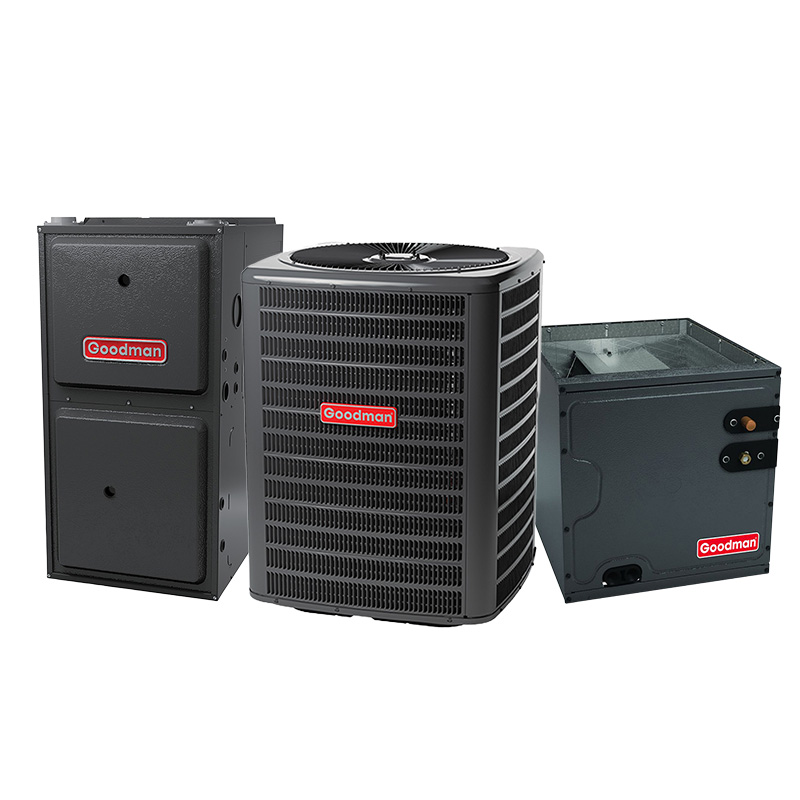
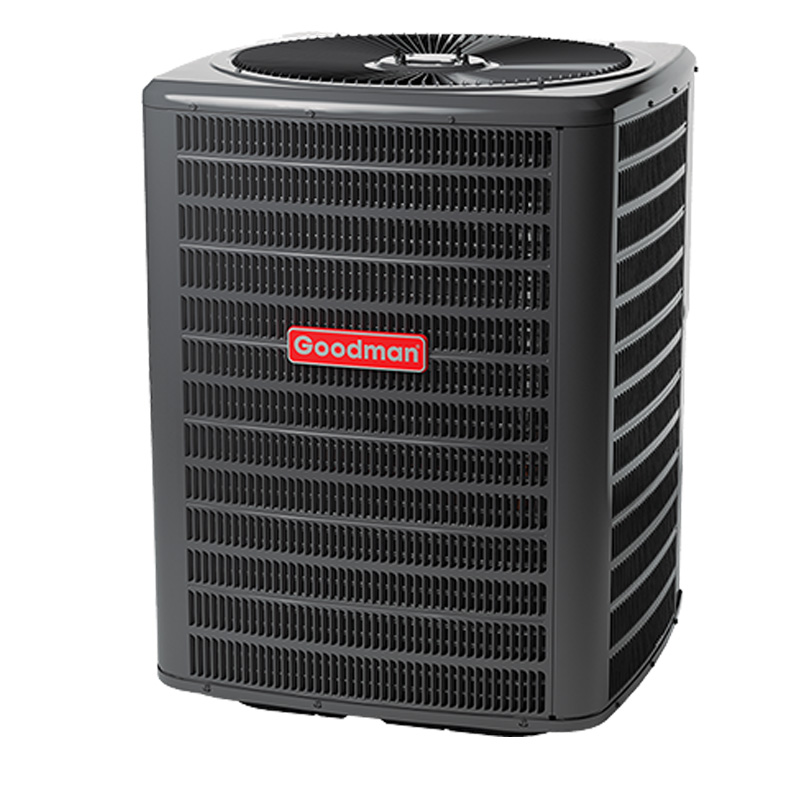
The Goodman 3-ton dual fuel hybrid system pairs a 15.2 SEER2 heat pump with a 100,000 BTU, 96% AFUE two-stage gas furnace, giving you two heating sources in one setup. When outdoor temperatures stay mild, the heat pump handles the load efficiently. When temperatures drop below the heat pump’s economic balance point, the system switches over to the gas furnace automatically, keeping operating costs in check year-round. That combination makes it particularly well-suited for climates with cold but not extreme winters, the Mid-Atlantic, Carolinas, parts of the Midwest, and similar regions where you see real winter cold without consistently single-digit temperatures.
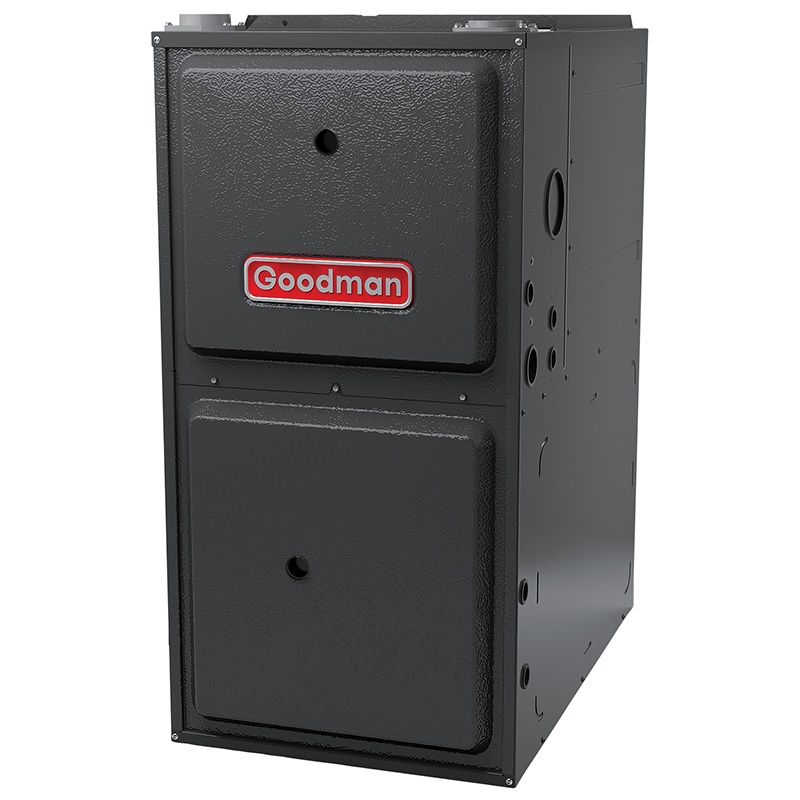
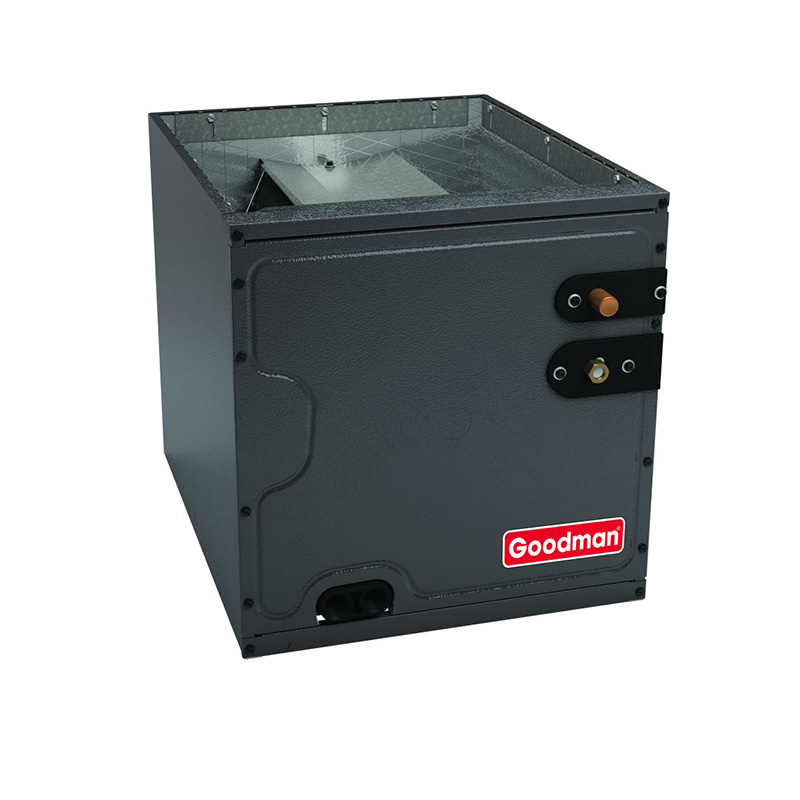
The two-stage furnace is a meaningful spec here. Instead of running at full 100,000 BTU output every cycle, it stages down on milder days, which reduces temperature swings, lowers noise, and cuts gas consumption compared to a single-stage unit of the same capacity. The 96% AFUE rating means nearly all the gas burned becomes usable heat, which qualifies in most jurisdictions for utility rebates on high-efficiency equipment. R-32 refrigerant, now appearing in newer Goodman equipment, has a lower global warming potential than the R-410A it replaces and is becoming the industry standard going forward. The upflow configuration means warm air exits the top of the air handler and distributes through overhead ductwork, which is the standard setup in most U.S. homes with a basement or utility closet installation.
Sizing matters with any dual fuel system. A 3-ton unit is generally appropriate for homes in the 1,400 to 2,000 square foot range, though actual sizing depends on insulation, ceiling height, window area, and local climate. Oversized equipment short-cycles and causes humidity problems; undersized equipment runs constantly. A Manual J load calculation from your installer is the right starting point before purchasing this or any comparable system.
This Goodman dual fuel system delivers a genuinely useful heating strategy for mixed climates at a price point that undercuts comparable Carrier, Trane, and Lennox setups by 15 to 25 percent. The 96% AFUE furnace and two-stage operation are real efficiency wins, but Goodman's documented track record on compressor longevity and coil reliability means you should budget for potential repairs in the 8-to-12-year window and confirm your installer carries strong warranty support. At this price, it is a reasonable buy with eyes open, not a set-it-and-forget-it premium system.
Overall score is the average of the five ratings above.
What we like
- Dual fuel setup reduces operating costs year-round by using the cheaper energy source based on outdoor temperature
- 96% AFUE furnace qualifies for utility rebates in most markets and wastes very little combustion energy
- Two-stage furnace provides more consistent indoor temperatures and quieter operation than single-stage alternatives
- R-32 refrigerant is forward-compatible with the industry's current regulatory direction
- Priced 15 to 25 percent below comparable Trane, Lennox, and Carrier dual fuel systems, freeing budget for quality installation
Trade-offs
- Compressor lifespan averages 10 to 14 years versus 15 to 20 years typical of premium brands, so long-term ownership costs can close the initial price gap
- Evaporator coil leaks appear in a meaningful share of owner reviews and can be expensive to repair outside the warranty window
- Dual capacitor failures are the most commonly reported service call, typically costing $300 to $600, and tend to surface after several years of use
- A minority of first-year owners have reported refrigerant leaks, most traceable to installation or initial charge issues rather than equipment defects
What homeowners and pros say about Goodman
Owners and HVAC technicians who know Goodman tend to hold two consistent views at once: the equipment is a reasonable deal at purchase, and its longevity leans heavily on who installs it. On ConsumerAffairs, Goodman scores around 2.5 out of 5, a channel that skews toward frustrated customers, where the recurring complaint is repair costs climbing after roughly year seven. Google dealer reviews land around 3.8 out of 5 across hundreds of reviews per location, where affordability is the most cited reason for recommending the brand. That gap between the two scores reflects the reality that happy Goodman owners do exist in large numbers, but the unhappy ones have specific, documentable grievances.
For this dual fuel system specifically, the failure modes worth knowing before you buy are the same ones Goodman owners cite across product lines. Dual-run capacitors are the most commonly reported service call and usually run $300 to $600 to fix, a manageable nuisance cost. Evaporator coil leaks appear in a meaningful share of owner reports and are a more serious expense, particularly once the parts warranty has expired. Compressor lifespan is where Goodman trails premium brands most clearly, averaging 10 to 14 years against the 15 to 20 years more commonly seen from Trane, Lennox, and Carrier. A small percentage of first-year owners have reported refrigerant leaks, which the industry generally attributes to installation quality rather than the equipment itself. That last point matters here because a dual fuel hybrid system is a more complex installation than a standard split system, and the quality of commissioning work directly affects whether you see those early leak issues or avoid them entirely.
Sources: ConsumerAffairs Goodman owner reviews, AHRI Directory of Certified Product Performance, U.S. DOE appliance and equipment efficiency standards, Goodman product specification sheets.
What it costs to run
At 15.2 SEER2, cooling this 3-ton system for a typical 1200-hour cooling season at the U.S. average electricity rate of $0.17/kWh works out to roughly $483 per year in cooling, about $65 less per year than a minimum-efficiency 13.4 SEER2 unit of the same size. Your real cost depends on your climate and local rate.
Method: (36,000 BTU/hr ÷ 15.2 SEER2) × 1200 hours ÷ 1000 × $0.17/kWh. Rate source: U.S. EIA average; cooling hours: moderate-climate estimate.
How it compares
| Brand | Comparable model | SEER2 | Stage | Price position |
|---|---|---|---|---|
| Goodman | 3-Ton Dual Fuel Hybrid System, 100,000 BTU 96% AFUE Two-Stage Furnace | 15.2 | Two-stage | Value pick |
| Carrier | Performance Series Dual Fuel System (25HCB3 heat pump with 59TP6 furnace) | 15.2-16.0 | Two-stage | Typically 15 to 25 percent more than Goodman |
| Trane | XR15 Dual Fuel System (XR15 heat pump with S9X2 furnace) | 15.0-16.0 | Two-stage | Typically 15 to 25 percent more than Goodman |
| Lennox | Merit Series Dual Fuel System (14HPX heat pump with ML196 furnace) | 15.0-15.5 | Two-stage | Typically 15 to 25 percent more than Goodman |
Competitor rows are comparable single-stage units at similar efficiency; price is relative position, not a quote.
Questions about this system
How does the system decide when to use the heat pump versus the gas furnace?
The system uses a balance point temperature, typically set between 30 and 40 degrees Fahrenheit depending on your installer's configuration, below which gas heating becomes more cost-effective than running the heat pump. A dual fuel thermostat monitors outdoor temperature and switches automatically. Your installer should set this balance point based on your local utility rates for gas versus electricity.
Is 3 tons the right size for my home?
Three tons is a rough match for homes in the 1,400 to 2,000 square foot range under average insulation conditions, but actual sizing depends on insulation levels, window area, ceiling height, duct design, and your climate zone. The only reliable way to confirm correct sizing is a Manual J heat load calculation performed by your installer before equipment is ordered.
What does the Goodman warranty cover on this system, and does registration matter?
Goodman typically offers a 10-year parts warranty on registered equipment, but coverage terms on dual fuel hybrid systems should be confirmed directly with Goodman or your dealer at the time of purchase, as coverage can vary by component. Registration is required within a specific window after installation to receive the full warranty period, so do not skip that step.
What are the most likely repairs I should budget for over the life of this system?
Dual-run capacitors are the most commonly reported failure on Goodman equipment and typically cost $300 to $600 to replace. Evaporator coil leaks have been reported by a meaningful share of owners and can be significantly more expensive, especially outside the warranty window. Compressor replacement is a major cost that becomes more likely after year 10 given Goodman's documented compressor lifespan of 10 to 14 years.
Does R-32 refrigerant change anything about servicing or safety compared to R-410A?
R-32 is mildly flammable, which is a higher flammability classification than R-410A, though real-world risk in a properly installed system is considered low by industry standards. It does require that service technicians are trained and certified for A2L refrigerants, which R-32 is classified as, so confirm that any service contractor you use has current training before they touch this system.
Specifications
| Cooling capacity | 3 Ton |
| Efficiency | 15.2 SEER2 |
| Furnace output | 100000 BTU |
| Furnace efficiency | 96% AFUE |
| Configuration | Upflow |
| Refrigerant | R-32 |