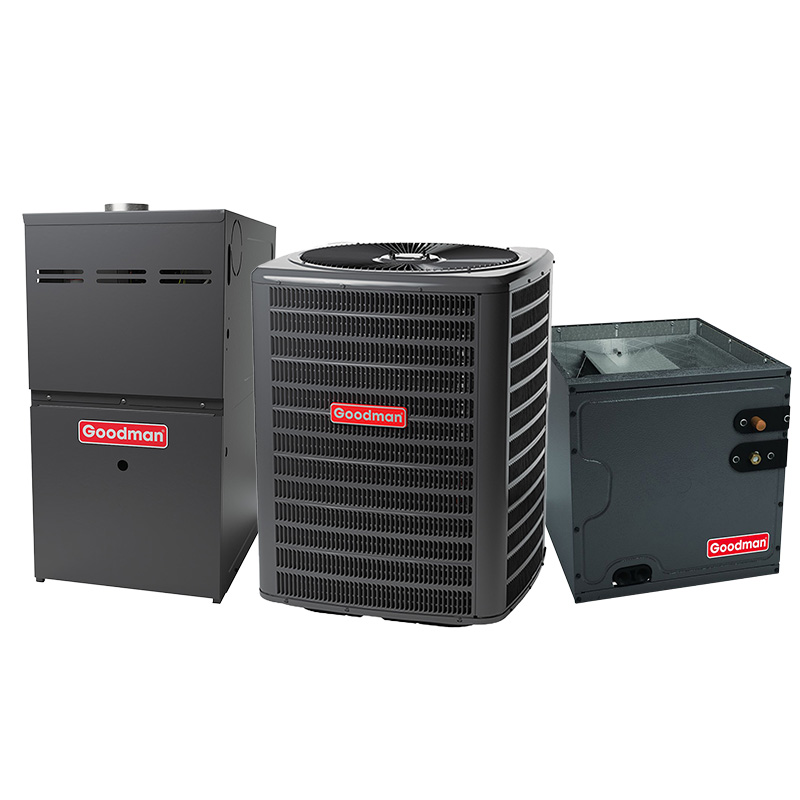
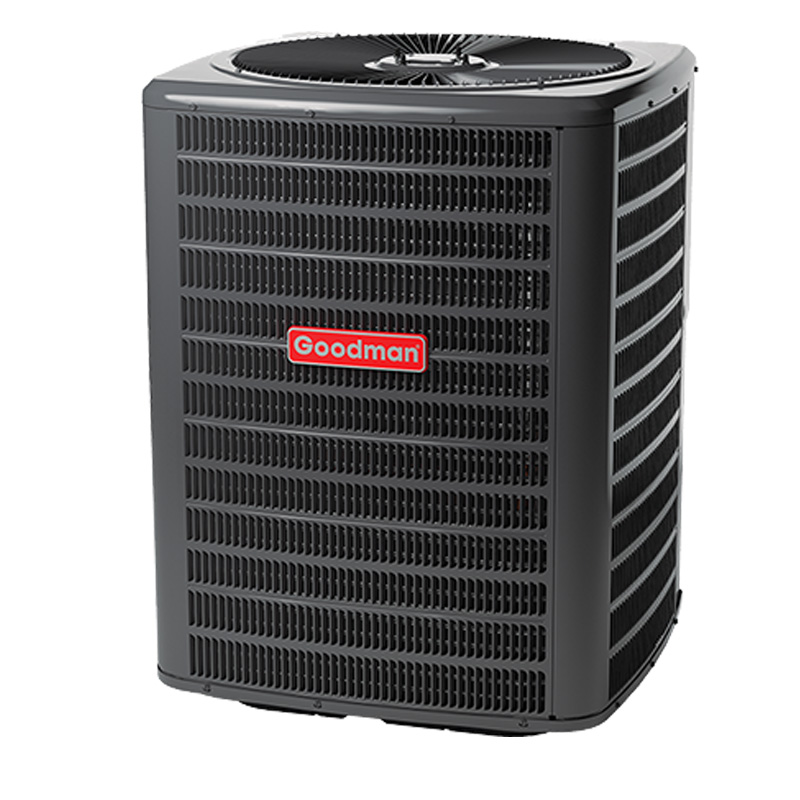
Goodman 3 Ton Dual Fuel Hybrid Heat Pump System – 60000 BTU California Low NOx Gas Furnace, 80% AFUE, 15.2 SEER2, Upflow, R32
View on AC Direct see your lowest price →Check current price on AC Direct →
Key features
- 15.2 SEER2 rated heat pump for cooling and primary heating efficiency
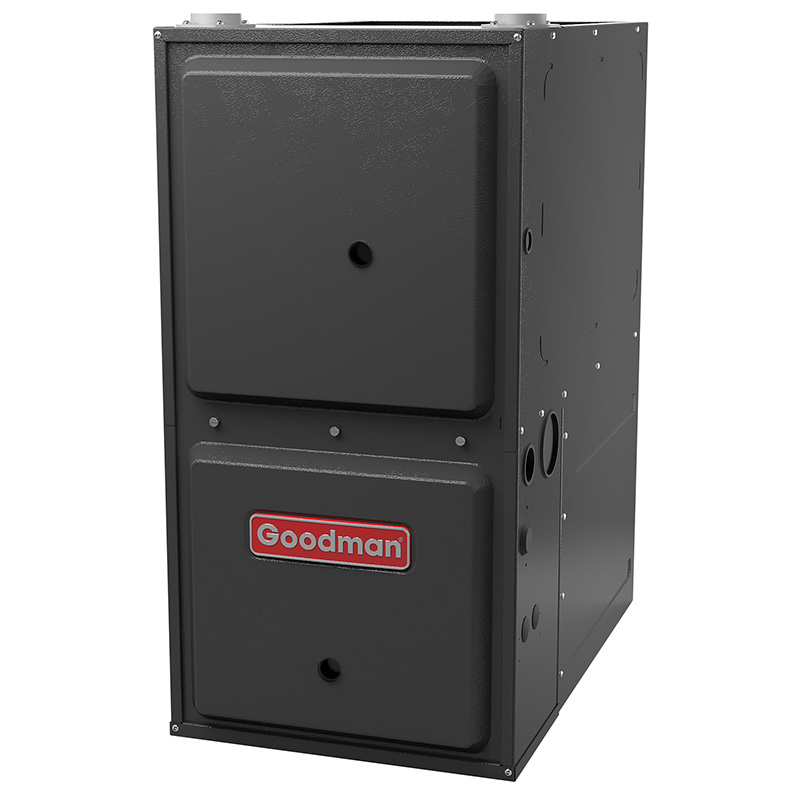
- 60,000 BTU gas furnace backup at 80% AFUE, upflow configuration
- Dual fuel hybrid logic automatically selects heat pump or gas based on conditions
- R-32 refrigerant with lower global warming potential than R-410A
- Compatible with California low-NOx air quality standards
- 3-ton capacity suited to roughly 1,400 to 2,000 sq ft depending on insulation and climate
About this system
The Goodman 3-ton dual fuel hybrid heat pump system pairs a 15.2 SEER2 heat pump with a 60,000 BTU upflow gas furnace rated at 80% AFUE, giving you two heat sources in one system. On mild days the heat pump handles heating efficiently on electricity alone; when outdoor temps drop and the heat pump loses its edge, the furnace takes over automatically. That switchover logic is what makes a dual fuel setup attractive in climates where winters get genuinely cold but are not brutal enough to justify a pure gas system year-round. R-32 refrigerant is the modern choice here, carrying a lower global warming potential than R-410A and increasingly favored as the industry moves away from older blends.
The upflow configuration means the air handler pushes conditioned air upward into the ductwork, which suits homes with a furnace or air handler installed in a basement, utility closet, or ground-floor mechanical room with ducts running overhead. This is not a universal fit, so confirming your existing duct layout before purchasing matters. At 80% AFUE, one dollar in five of your gas spend exits the flue as exhaust, which is acceptable for moderate-climate use but lags behind 96% AFUE condensing alternatives if you heat heavily on gas for months at a stretch. The 15.2 SEER2 rating clears federal minimums and is competitive at the entry-to-mid tier, though it will not match variable-speed premium systems in comfort or monthly savings.
This system is a practical, budget-accessible way to get dual fuel flexibility without paying Carrier or Trane prices, and the R-32 refrigerant choice is genuinely forward-looking. The trade-offs are real: 80% AFUE is only a middling gas efficiency tier, the brand's documented reliability issues with capacitors and coil leaks require attention, and long-term compressor lifespan trails premium competitors. Buyers who want low upfront cost and can tolerate the possibility of a repair call in years 7 through 12 will find reasonable value here.
Overall score is the average of the five ratings above.
What we like
- Upfront price typically 15 to 25 percent below Carrier, Trane, and Lennox equivalents
- Dual fuel logic reduces reliance on gas in mild weather, trimming utility bills
- R-32 refrigerant is low-GWP and positions the system ahead of the regulatory curve
- California low-NOx certified, meeting strict regional air quality requirements
- Capacitor failures, the most common reported issue, are usually a low-cost repair under 600 dollars
Trade-offs
- 80% AFUE means 20 cents of every gas dollar escapes as exhaust, falling well short of high-efficiency condensing furnaces
- Compressor lifespan averages 10 to 14 years versus 15 to 20 years for premium brand compressors
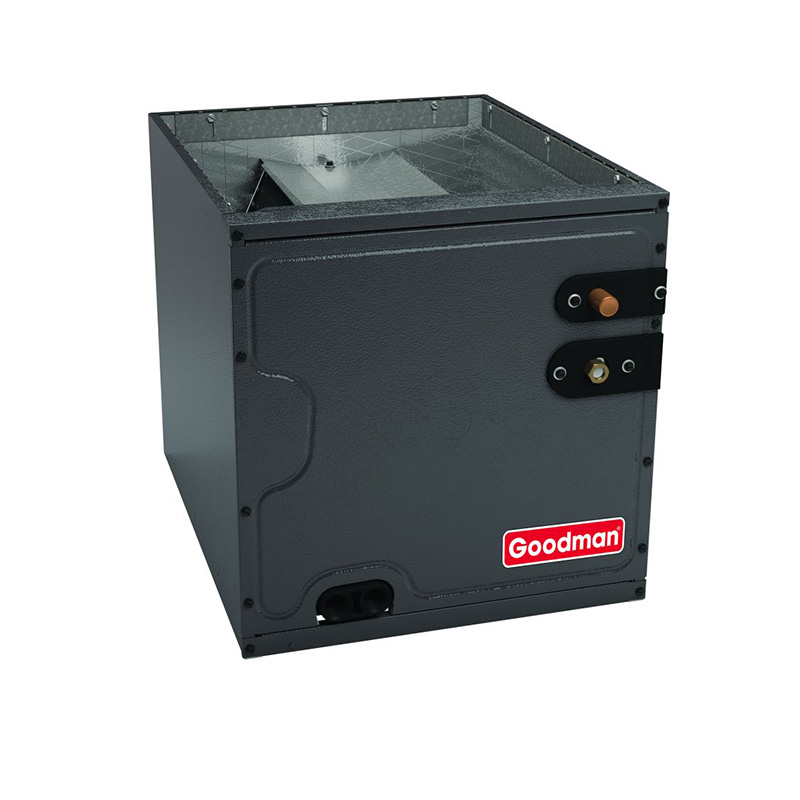
- Evaporator coil leaks appear in a meaningful share of owner reports, and a minority report refrigerant leaks within the first year often linked to install quality
- ConsumerAffairs rating sits around 2.5 out of 5, with repair cost complaints rising noticeably after year 7
What homeowners and pros say about Goodman
Homeowners who post about Goodman equipment tend to split along a familiar line. Those who had a smooth install and a knowledgeable technician often report years of trouble-free operation and point to the price savings as the main reason they would buy again. That roughly 3.8 out of 5 score across Google dealer reviews reflects that group, with affordability showing up repeatedly as the deciding factor. The ConsumerAffairs picture is less encouraging, sitting around 2.5 out of 5, and the platform skews toward people who had a problem worth writing about, but the recurring complaints are specific enough to take seriously: repair costs rising after year 7, capacitor replacements, and the occasional evaporator coil leak that turns into a refrigerant loss situation.
HVAC technicians tend to have a pragmatic view of Goodman equipment. Most acknowledge that dual-run capacitor failures are common and expected, but also note they are quick and inexpensive to fix, often under 600 dollars, and that a good maintenance schedule will catch them before they strand a homeowner in August. The bigger concern professionals raise is compressor longevity, where Goodman averages 10 to 14 years compared to 15 to 20 years in premium brands, and evaporator coil integrity, where leaks have shown up in a meaningful share of units. For this specific dual fuel system, the installation complexity of matching a heat pump to a gas furnace and calibrating the balance point correctly means the installer’s skill level influences long-term satisfaction more than almost any spec on the sheet.
Sources: ConsumerAffairs Goodman owner reviews, AHRI Directory of Certified Product Performance, U.S. DOE appliance and equipment efficiency standards, Goodman product specification sheets.
What it costs to run
At 15.2 SEER2, cooling this 3-ton system for a typical 1200-hour cooling season at the U.S. average electricity rate of $0.17/kWh works out to roughly $483 per year in cooling, about $65 less per year than a minimum-efficiency 13.4 SEER2 unit of the same size. Your real cost depends on your climate and local rate.
Method: (36,000 BTU/hr ÷ 15.2 SEER2) × 1200 hours ÷ 1000 × $0.17/kWh. Rate source: U.S. EIA average; cooling hours: moderate-climate estimate.
How it compares
| Brand | Comparable model | SEER2 | Stage | Price position |
|---|---|---|---|---|
| Goodman | GSZH503610 / GCVC8 Dual Fuel Series | 15.2 | Single-stage | Value pick |
| Carrier | Performance 15 Dual Fuel (25HCB6 with 80% AFUE Fan Coil) | 15.2 | Single-stage | Typically 15 to 25 percent more than Goodman |
| Trane | XR15 Dual Fuel Series (4TWR5 with S8X1 80% AFUE) | 15.0 | Single-stage | Typically 15 to 25 percent more than Goodman |
| Lennox | Merit 15 Dual Fuel (ML15XP1 with ML80 80% AFUE) | 15.2 | Single-stage | Typically 15 to 25 percent more than Goodman |
Competitor rows are comparable single-stage units at similar efficiency; price is relative position, not a quote.
Questions about this system
At what outdoor temperature does the system switch from the heat pump to the gas furnace?
The switchover point, called the balance point, is typically set by your installer during commissioning and often falls between 35 and 40 degrees Fahrenheit, though it can be adjusted based on your local climate and utility rate structure. Getting this setting right is important for both comfort and operating cost, so discuss it explicitly with your installer before the first heating season.
Does the 80% AFUE rating hurt me much if I live in a mild climate where the heat pump does most of the work?
In a mild climate where the gas furnace only kicks in on the coldest nights, the efficiency gap between 80% and 96% AFUE matters far less than it would in a northern heating-dominant region. If your gas furnace runs only a few hundred hours per year, the payback period on a higher-efficiency unit often stretches beyond 15 years, making the 80% unit a reasonable choice in those conditions.
What does California low-NOx certification mean and do I need it?
Low-NOx certification means the furnace meets the South Coast Air Quality Management District and similar California regional standards limiting nitrogen oxide emissions. If you live in California, particularly in Southern California air basins, this certification is required to legally install the unit. Outside California it is not required but does no harm.
Should I be worried about the refrigerant leaks reported in the first year?
A minority of Goodman owners have reported refrigerant leaks in the first 12 months, and in most cases the root cause is traced back to installation, specifically improper line set connections or an incorrect charge rather than a factory defect. Hiring an experienced, licensed HVAC technician and requesting a thorough leak check at startup is the most practical way to reduce that risk.
What is the warranty on this system and what does it actually cover?
Goodman typically offers a 10-year parts limited warranty when the equipment is registered within 60 days of installation by a licensed contractor, and a lifetime heat exchanger warranty on the furnace. The warranty covers parts but not labor, which means a repair call in year 8 could still carry a significant labor bill even with a covered part. Confirming registration requirements with your installer before work begins is worth the time.
Specifications
| Cooling capacity | 3 Ton |
| Efficiency | 15.2 SEER2 |
| Furnace output | 60000 BTU |
| Furnace efficiency | 80% AFUE |
| Configuration | Upflow |
| Refrigerant | R-32 |