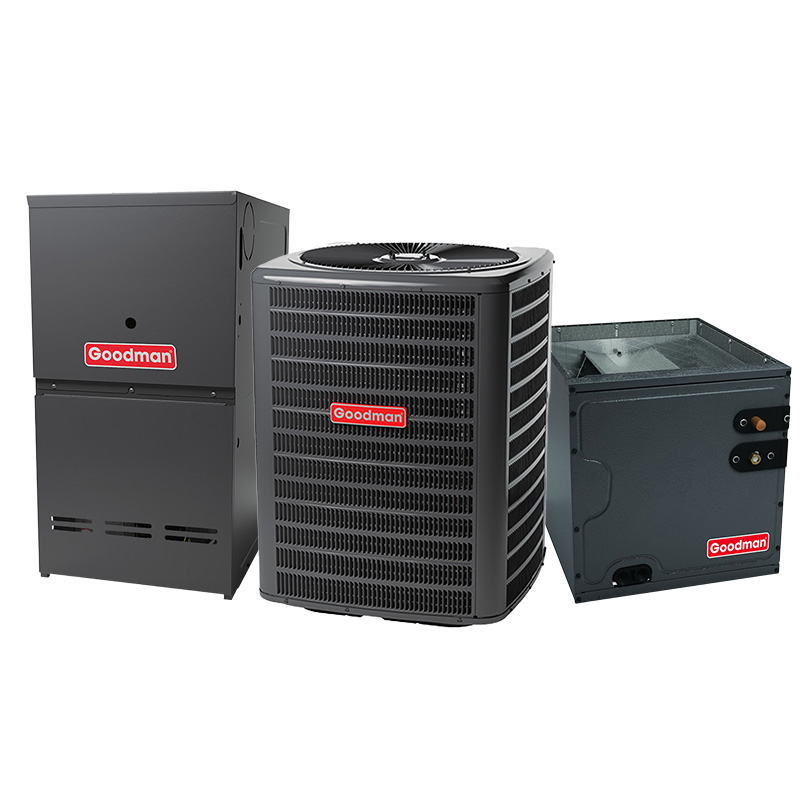
Goodman 3 Ton Dual Fuel Hybrid Heat Pump System – 60000 BTU California Low NOx Two Stage Gas Furnace, 80% AFUE, Downflow, 14.5 SEER2, R32
View on AC Direct see your lowest price →Check current price on AC Direct →
Key features
- 3-ton capacity with 14.5 SEER2 cooling efficiency, meeting federal minimums for most U.S. regions
- 60,000 BTU two-stage gas furnace at 80% AFUE for cold-weather backup heating
- Dual fuel hybrid operation: heat pump runs first, gas furnace activates below set balance point
- California Low NOx certified furnace for compliance in restricted California air districts
- Downflow configuration designed for homes with under-floor ductwork on crawlspace or slab foundations
- R-32 refrigerant, a lower global-warming-potential alternative to R-410A
About this system
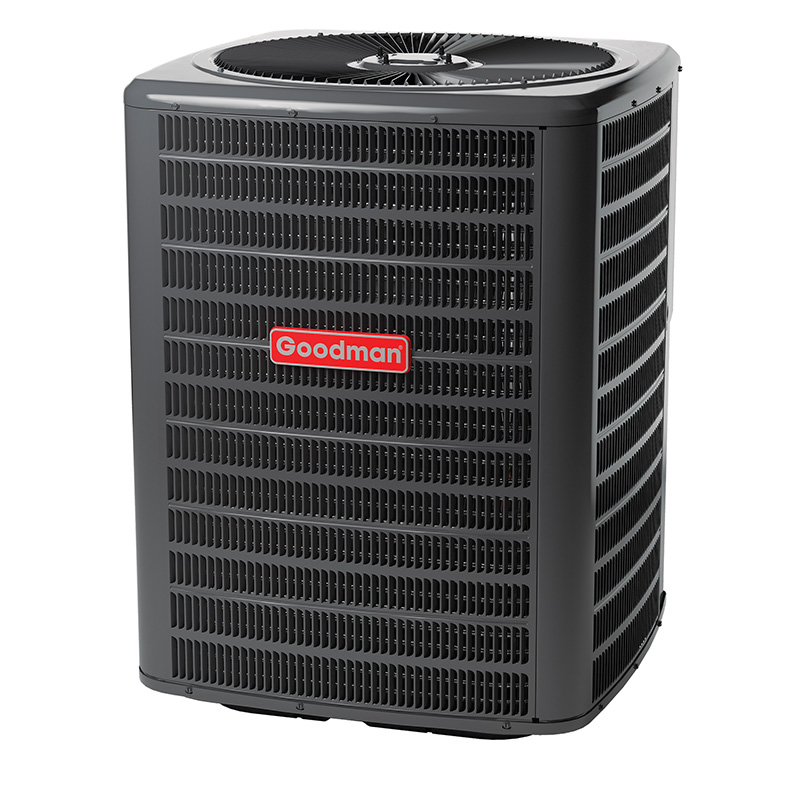
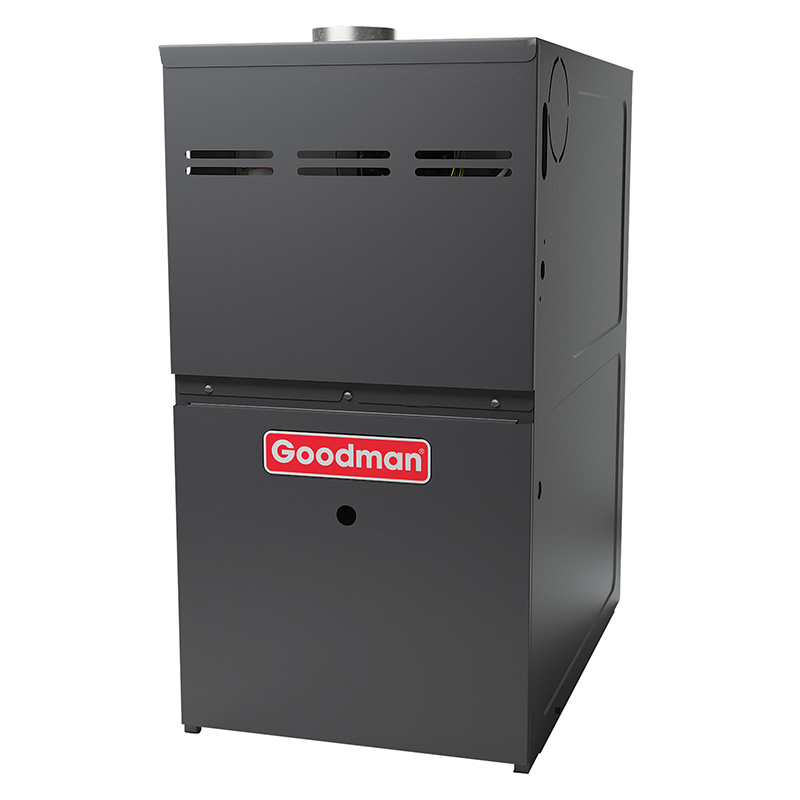
The Goodman 3-Ton Dual Fuel Hybrid Heat Pump System pairs a 14.5 SEER2 heat pump with a 60,000 BTU, 80% AFUE two-stage gas furnace in a downflow configuration, using R-32 refrigerant. A dual fuel or hybrid setup runs the heat pump as the primary heating and cooling source, then hands off to the gas furnace automatically when outdoor temperatures drop below the balance point where a heat pump loses efficiency. That makes this system a practical fit for climates with cold but not extreme winters, where you want electric heat pump efficiency most of the season and gas backup for the coldest days.
The California Low NOx certification means the furnace meets the strict nitrogen oxide emission limits required for installation in California air quality management districts. The downflow configuration directs conditioned air downward through the supply plenum, which is the right fit for homes where ductwork runs beneath the floor, common in crawlspace and slab-on-grade houses. Two-stage furnace operation means the gas valve fires at a lower stage first and only ramps up to full capacity on the coldest days, which reduces temperature swings, lowers operating noise, and generally improves humidity control compared to single-stage designs.
R-32 is a lower global-warming-potential refrigerant replacing the older R-410A in many new systems, and it handles heat transfer efficiently at this capacity. At 14.5 SEER2 and 80% AFUE, this system sits at the regulatory minimums in most U.S. regions, not a high-efficiency leader, but a code-compliant, functional workhorse at a price point that undercuts premium brands by a meaningful margin. Buyers who prioritize upfront cost and plan to invest in competent installation will get the most from this package.
This system delivers a functional dual fuel setup at a price point that is hard to match among name brands, making it accessible for budget-conscious homeowners in mild-to-cold climates who need both heat pump efficiency and gas backup. The 80% AFUE furnace and 14.5 SEER2 rating are not class-leading numbers, and Goodman's documented reliability record means owners should budget for potential repairs after the first several years. Competent installation is not optional here; it is arguably the biggest variable in how well and how long this system performs.
Overall score is the average of the five ratings above.
What we like
- Upfront cost runs 15 to 25 percent below comparable Carrier, Trane, and Lennox dual fuel systems
- Two-stage furnace operation reduces temperature swings and cycling noise compared to single-stage alternatives
- Dual fuel logic maximizes efficiency by using the heat pump in milder weather and gas only when needed
- California Low NOx certification opens the door for installations in California air quality districts where standard furnaces are restricted
- R-32 refrigerant carries a lower environmental impact than R-410A and handles capacity efficiently at this tonnage
Trade-offs
- 80% AFUE is the low end of furnace efficiency; a meaningful share of purchased gas goes up the flue, which matters in gas-price-sensitive markets
- Dual run capacitors are the most frequently reported failure point in Goodman equipment, typically requiring a 300 to 600 dollar service call
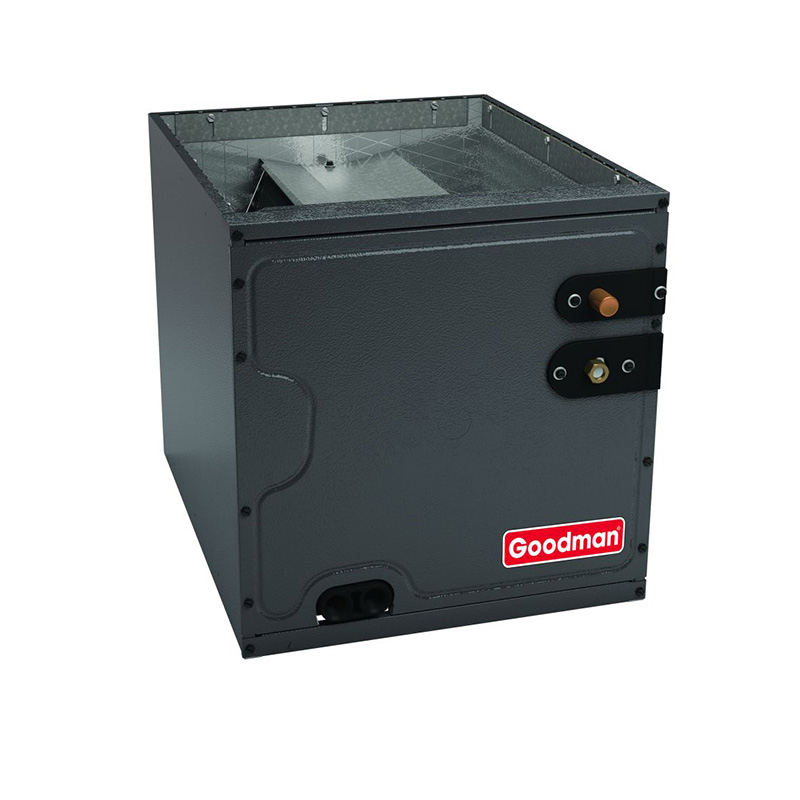
- Evaporator coil leaks appear in a notable share of owner reviews, and compressor longevity averages 10 to 14 years versus 15 to 20 for premium brands
- Downflow-only configuration limits where this system can be installed; it is not a flexible fit for attic or horizontal applications
What homeowners and pros say about Goodman
Owners and technicians who work on Goodman equipment regularly land in a similar place: the brand delivers on price, and everything else depends heavily on how it was installed and maintained. On Google dealer reviews, Goodman systems average around 3.8 out of 5 across hundreds of location-level reviews, with affordability cited most often as the reason buyers chose it. The ConsumerAffairs score is lower, around 2.5 out of 5, though that platform skews toward people writing because something went wrong rather than because everything went right. The complaint pattern on ConsumerAffairs points to repair costs climbing after roughly year 7, which lines up with what technicians observe about compressor longevity running 10 to 14 years on average, shorter than the 15 to 20 years more commonly seen with Trane, Lennox, and Carrier equipment.
For this specific dual fuel system, the failure modes worth knowing about going in are dual run capacitor failures, which are the most frequently reported issue across Goodman equipment and usually a manageable 300 to 600 dollar fix; evaporator coil leaks, which show up in a meaningful share of owner accounts and can be more involved to address; and a minority of first-year refrigerant leaks that technicians typically attribute to installation or charging errors rather than factory defects. That last point reinforces what installers consistently say about Goodman: the brand’s performance ceiling is set almost entirely by who puts it in and how carefully they commission it. Owners who invest in a skilled, thorough installation and keep up with annual maintenance tend to report reasonable satisfaction; those who went with the lowest-bid installer are the ones most often posting on complaint forums.
Sources: ConsumerAffairs Goodman owner reviews, AHRI Directory of Certified Product Performance, U.S. DOE appliance and equipment efficiency standards, Goodman product specification sheets.
What it costs to run
At 14.5 SEER2, cooling this 3-ton system for a typical 1200-hour cooling season at the U.S. average electricity rate of $0.17/kWh works out to roughly $506 per year in cooling, about $42 less per year than a minimum-efficiency 13.4 SEER2 unit of the same size. Your real cost depends on your climate and local rate.
Method: (36,000 BTU/hr ÷ 14.5 SEER2) × 1200 hours ÷ 1000 × $0.17/kWh. Rate source: U.S. EIA average; cooling hours: moderate-climate estimate.
How it compares
| Brand | Comparable model | SEER2 | Stage | Price position |
|---|---|---|---|---|
| Goodman | 3-Ton Dual Fuel Hybrid System, 60K BTU Two-Stage Downflow Furnace | 14.5 | Two-stage | Value pick |
| Carrier | Performance Series Dual Fuel (25HCE3 heat pump with 59TP6 furnace) | 15.2 | Two-stage | Typically 15 to 25 percent more than Goodman |
| Trane | XR15 Dual Fuel (XR15 heat pump with S9X2 furnace) | 15.0 | Two-stage | Typically 15 to 25 percent more than Goodman |
| Lennox | Merit Series Dual Fuel (ML15XP1 heat pump with ML196E furnace) | 15.1 | Two-stage | Typically 15 to 25 percent more than Goodman |
Competitor rows are comparable single-stage units at similar efficiency; price is relative position, not a quote.
Questions about this system
What outdoor temperature should the system switch from heat pump to gas furnace?
The switchover point, called the balance point, is typically set during installation and is often in the 35 to 40 degree Fahrenheit range, though your installer can adjust it based on your climate and utility rates. Below that point, the gas furnace takes over because it heats more cheaply and reliably than a heat pump in very cold air. Getting this setting right for your local conditions is one of the more important commissioning steps.
Is 80% AFUE good enough, or should I upgrade to a higher-efficiency furnace?
80% AFUE meets current federal minimums and is functional, but in a dual fuel system the furnace runs mostly on the coldest days, so its annual contribution to your gas bill is smaller than in a furnace-only system. In very cold climates where the furnace runs frequently, a 96% AFUE model would recover the price difference in fuel savings over several years; in milder climates, the payback period is longer and the 80% unit may be the more practical choice.
Does this system qualify for federal tax credits or California rebates?
The heat pump component may qualify for the 25C federal tax credit, but eligibility depends on the efficiency ratings of the complete matched system as certified by AHRI, and 14.5 SEER2 is at the lower threshold, so confirm the specific AHRI certificate before assuming credit eligibility. California utility and state rebates vary by district and program year, and Low NOx certification helps with permit compliance but does not automatically guarantee a rebate. Checking with your local utility and a licensed contractor before purchase is the most reliable path.
What are the most likely repairs I should plan for over the first ten years?
Dual run capacitors are the most commonly documented failure in Goodman equipment and are typically a straightforward, low-cost fix in the 300 to 600 dollar range when caught early. Evaporator coil leaks have appeared in a meaningful share of owner reports and can be more costly to address. A small number of owners report refrigerant leaks in the first year, which is generally a sign of an installation or charging issue rather than a manufacturing defect, underscoring why choosing a skilled installer matters.
Can a standard HVAC technician work on the R-32 refrigerant in this system?
R-32 requires technicians to be EPA 608 certified, the same credential required for R-410A work, but some older recovery equipment is not rated for R-32, so you should confirm your service technician has compatible tools before scheduling a charge or leak repair. R-32 is mildly flammable, which affects handling procedures, though it has been widely used in mini-split systems for years and most current equipment is compatible. Confirming R-32 capability when you schedule service will avoid delays.
Specifications
| Cooling capacity | 3 Ton |
| Efficiency | 14.5 SEER2 |
| Furnace output | 60000 BTU |
| Furnace efficiency | 80% AFUE |
| Configuration | Downflow |
| Refrigerant | R-32 |