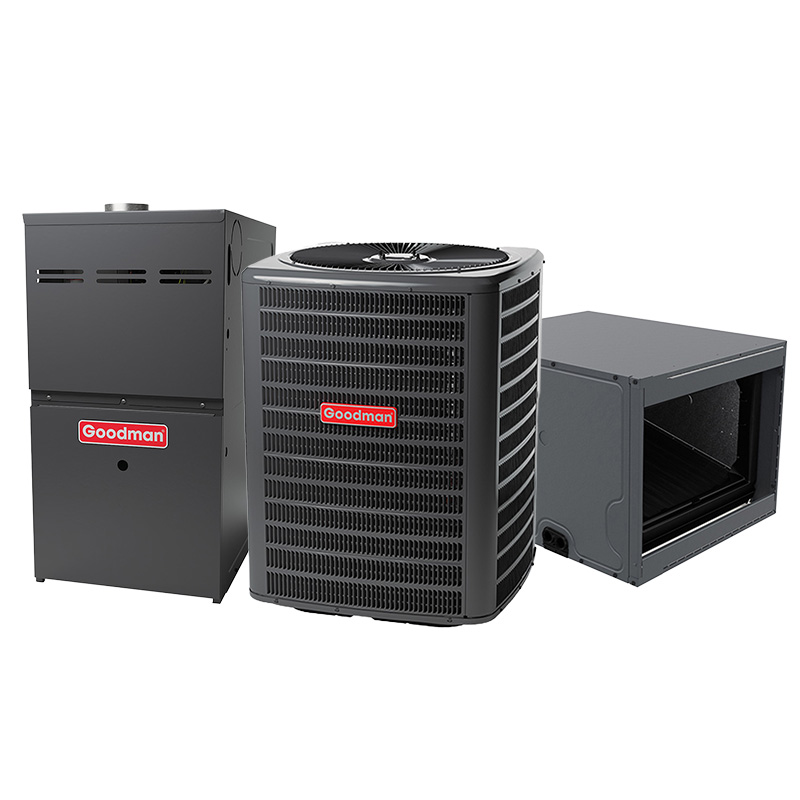
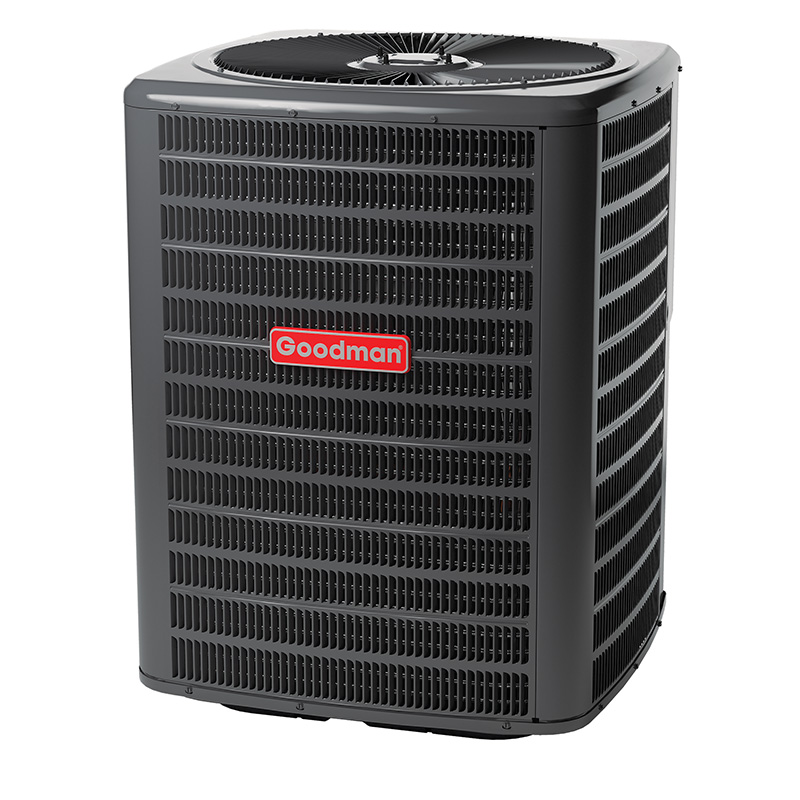
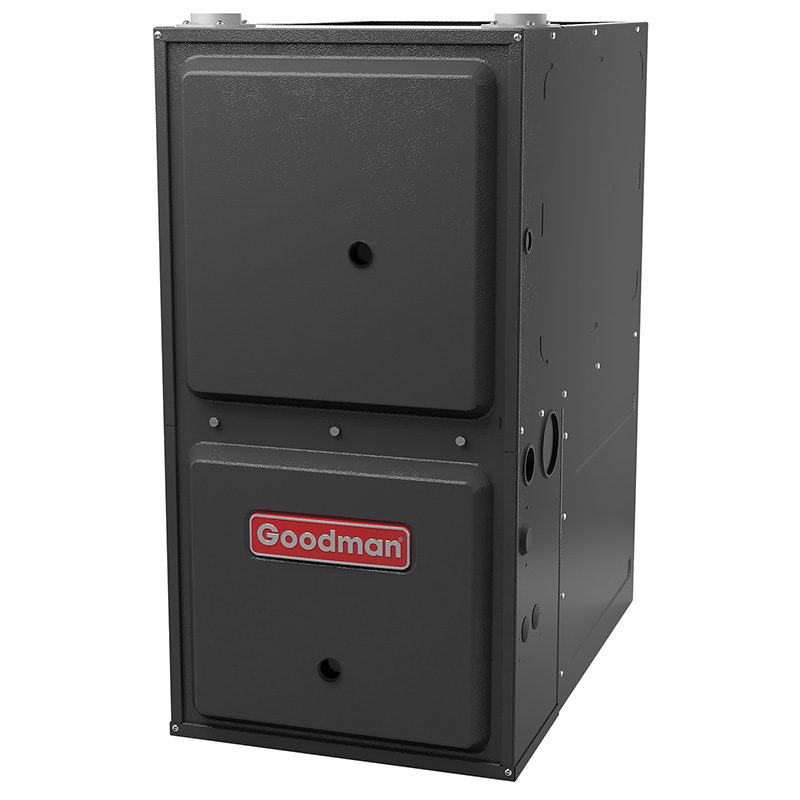
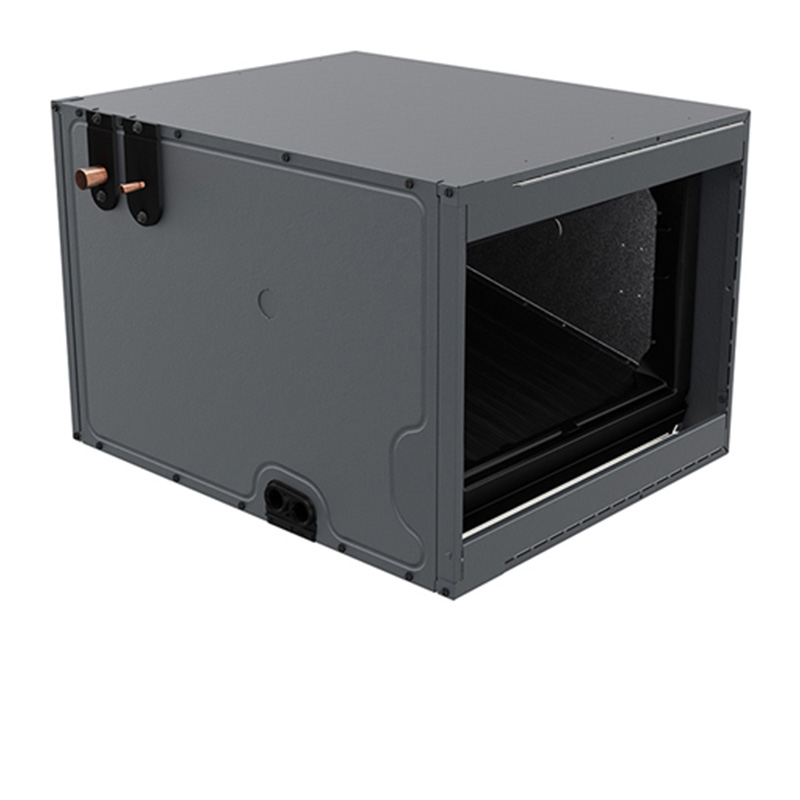
Goodman 3 Ton Dual Fuel Hybrid Heat Pump System – 60000 BTU Gas Furnace, 80% AFUE, 14.5 SEER2, Horizontal, R32
View on AC Direct see your lowest price →Check current price on AC Direct →
Key features
- 3-ton cooling capacity with 14.5 SEER2 efficiency rating
- 60,000 BTU gas furnace at 80% AFUE for supplemental heat
- Dual fuel hybrid operation automatically switches between heat pump and gas heat
- Horizontal orientation designed for attic or crawl-space installations
- R-32 refrigerant with lower global warming potential than R-410A
- Goodman value pricing typically 15 to 25 percent below Trane, Lennox, and Carrier
About this system
The Goodman 3-Ton Dual Fuel Hybrid Heat Pump System pairs a 14.5 SEER2 heat pump with a 60,000 BTU, 80% AFUE gas furnace in a horizontal configuration, making it a practical choice for homes that need attic or crawl-space installation. The dual fuel design lets the system lean on the heat pump during mild weather for lower operating costs, then automatically switch to the gas furnace when temperatures drop below the heat pump’s efficient range, typically around 35 to 40 degrees Fahrenheit depending on setup. The R-32 refrigerant charge reflects the industry’s ongoing shift away from R-410A, offering a lower global warming potential without sacrificing cooling capacity.
At 14.5 SEER2 and 80% AFUE, this system sits at the entry level of current federal minimum-efficiency territory. It will satisfy most regional code requirements, but it leaves real efficiency gains on the table compared to 16 SEER2 or higher systems and 95-plus AFUE furnaces. Homeowners in climates with moderate winters and hot summers will see the most benefit from the hybrid setup, while those in severe cold climates may find the 80% furnace a recurring cost disappointment. The horizontal configuration limits which homes this unit fits, so confirming clearances, drain line routing, and duct orientation before purchasing is essential.
This system is a budget-accessible entry into dual fuel technology that works well when installed correctly by an experienced technician. The efficiency ratings are baseline, not impressive, and long-term ownership costs depend heavily on installer quality and the luck of avoiding the brand's documented failure points. Buyers who want the dual fuel concept without the premium price tag will find it serviceable; buyers prioritizing long-term reliability over upfront savings should weigh the trade-offs carefully.
Overall score is the average of the five ratings above.
What we like
- Dual fuel logic provides genuine energy savings over straight gas or straight heat-pump-only systems in shoulder seasons
- Priced 15 to 25 percent below comparable Carrier, Trane, and Lennox dual fuel systems
- R-32 refrigerant is forward-compatible as the industry phases out R-410A
- Horizontal configuration fills a real installation need for attic and crawl-space situations
- Capacitor failures, the most common reported issue, are typically low-cost repairs in the 300 to 600 dollar range
Trade-offs
- 80% AFUE furnace is the lowest efficiency tier available and will cost more to operate than 95-plus AFUE alternatives over the system's life
- Compressor lifespan averages 10 to 14 years, noticeably shorter than the 15 to 20 years reported for premium-brand equipment
- Evaporator coil leaks appear in a meaningful share of owner reviews, and a minority of owners report refrigerant leaks within the first year
- Performance is highly dependent on installation quality, meaning a rushed or inexperienced install can undercut everything the system offers
What homeowners and pros say about Goodman
Homeowners who share their experience with Goodman equipment online tend to land in two camps, and the split is visible in the brand’s ratings: a ConsumerAffairs score of roughly 2.5 out of 5, a channel that skews toward complaints, where the recurring theme is repair costs that start climbing noticeably around year seven, and Google dealer reviews that average around 3.8 out of 5 across a few hundred reviews per location, where affordability is consistently the most praised attribute. For this horizontal dual fuel system, the feedback pattern is similar: buyers who got a thorough, well-matched installation tend to report years of uneventful operation, while those who cut corners on the install or drew a short straw on components describe frustration sooner than expected.
HVAC technicians who work on Goodman equipment regularly point to dual-run capacitor failures as the most common service call, a repair that typically runs 300 to 600 dollars and is straightforward to complete. More consequential are the evaporator coil leaks that appear in a meaningful share of owner reports, and the brand’s compressor lifespan, which tends to average 10 to 14 years against the 15 to 20 years more commonly seen in Trane, Carrier, or Lennox equipment. The small minority of owners who report refrigerant leaks within the first year almost always trace the issue back to the initial installation rather than a defective part, which underscores what experienced pros consistently say: with Goodman, the installer matters as much as the equipment itself.
Sources: ConsumerAffairs Goodman owner reviews, AHRI Directory of Certified Product Performance, U.S. DOE appliance and equipment efficiency standards, Goodman product specification sheets.
What it costs to run
At 14.5 SEER2, cooling this 3-ton system for a typical 1200-hour cooling season at the U.S. average electricity rate of $0.17/kWh works out to roughly $506 per year in cooling, about $42 less per year than a minimum-efficiency 13.4 SEER2 unit of the same size. Your real cost depends on your climate and local rate.
Method: (36,000 BTU/hr ÷ 14.5 SEER2) × 1200 hours ÷ 1000 × $0.17/kWh. Rate source: U.S. EIA average; cooling hours: moderate-climate estimate.
How it compares
| Brand | Comparable model | SEER2 | Stage | Price position |
|---|---|---|---|---|
| Goodman | 3-Ton Dual Fuel Hybrid Heat Pump, 80% AFUE, 14.5 SEER2, Horizontal, R-32 | 14.5 | Single-stage | Value pick |
| Carrier | Performance Series Dual Fuel (25HCE3 heat pump with 58SB gas furnace) | 15.2 | Single-stage | Typically 15 to 25 percent more than Goodman |
| Trane | XR15 Dual Fuel System (XR15 heat pump with S8X1 gas furnace) | 15.0 | Single-stage | Typically 15 to 25 percent more than Goodman |
| Lennox | Merit Series Dual Fuel (14HPX heat pump with ML180 gas furnace) | 15.1 | Single-stage | Typically 15 to 25 percent more than Goodman |
Competitor rows are comparable single-stage units at similar efficiency; price is relative position, not a quote.
Questions about this system
What outdoor temperature does the system switch from heat pump mode to gas furnace mode?
The crossover point, often called the balance point, is typically set between 35 and 40 degrees Fahrenheit but can be adjusted during commissioning. Your installer should calculate the correct balance point based on your home's heat loss and local utility rates to maximize savings.
Is R-32 refrigerant safe, and can my existing technician service it?
R-32 is mildly flammable and requires technicians who are trained and certified for A2L refrigerants, which is the safety classification it carries. Most licensed HVAC technicians are getting this training now, but it is worth confirming with your service provider before installation.
Why is the horizontal configuration a concern, and what should I check before ordering?
Horizontal air handlers and furnaces require specific clearances for service access, a properly pitched condensate drain line, and duct connections that align with the horizontal orientation. Measure your attic or crawl space carefully, confirm the unit fits with room to work, and make sure your installer has experience with horizontal setups before committing.
How does the 80% AFUE furnace affect my long-term operating costs compared to a 96% AFUE unit?
An 80% AFUE furnace vents roughly 20 cents of every gas dollar as exhaust heat, while a 96% AFUE unit loses only about 4 cents. On a typical gas bill during heating season, the difference can add up to meaningful annual savings, and over a 10 to 15 year ownership period the efficiency gap often exceeds the upfront price difference between the two furnace tiers.
What are the most likely repairs I should budget for over the first ten years?
Dual-run capacitor failure is the most commonly reported issue with Goodman equipment and typically runs 300 to 600 dollars to fix. Evaporator coil leaks show up in a meaningful share of owner reports and are more costly to address. A small number of owners have also reported refrigerant leaks within the first year, which usually points to an installation or initial charge issue rather than a component defect.
Specifications
| Cooling capacity | 3 Ton |
| Efficiency | 14.5 SEER2 |
| Furnace output | 60000 BTU |
| Furnace efficiency | 80% AFUE |
| Configuration | Horizontal |
| Refrigerant | R-32 |