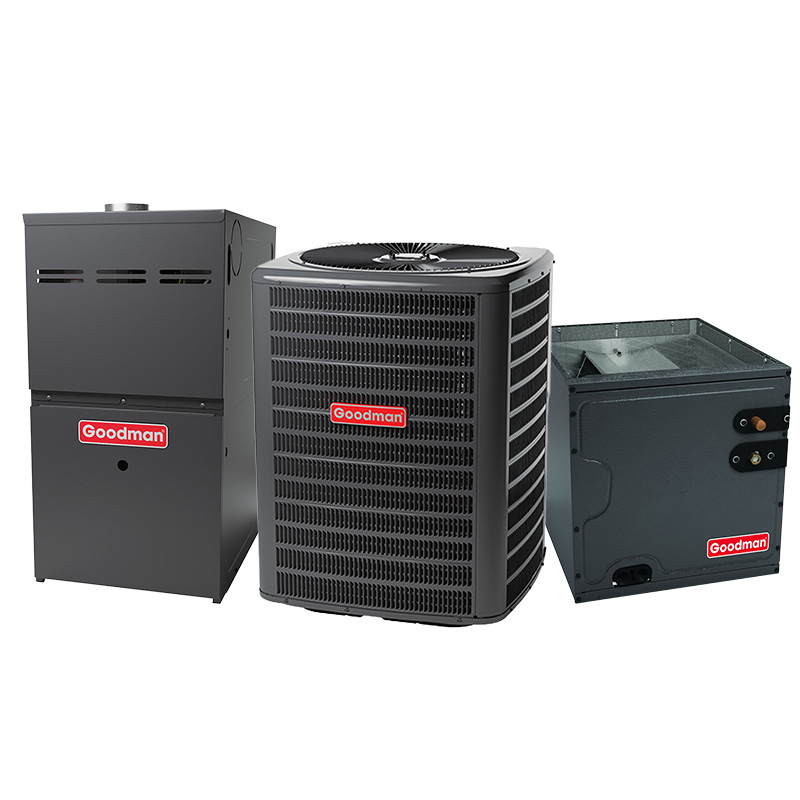
Goodman 3 Ton Dual Fuel Hybrid Heat Pump System – 60000 BTU Gas Furnace, 80% AFUE, 15.2 SEER2, Upflow, R32
View on AC Direct see your lowest price →Check current price on AC Direct →
Key features
- Dual-fuel hybrid design automatically switches between heat pump and 80% AFUE gas furnace based on outdoor temperature
- 15.2 SEER2 cooling efficiency meets current federal minimums for most U.S. climate regions
- R-32 refrigerant offers a lower global warming potential than R-410A and is now common in new residential equipment
- 3-ton / 60,000 BTU capacity sized for roughly 1,400 to 1,900 square feet depending on insulation and climate
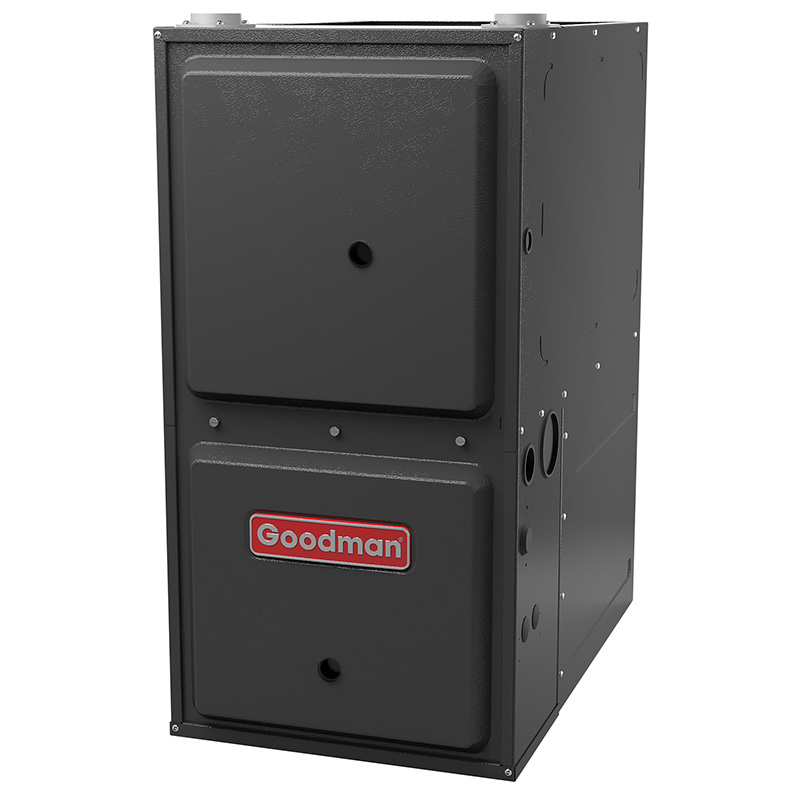
- Upflow cabinet configuration designed for basement or ground-level closet installs with overhead duct systems
- Priced approximately 15 to 25 percent below comparable Carrier, Trane, and Lennox dual-fuel systems
About this system
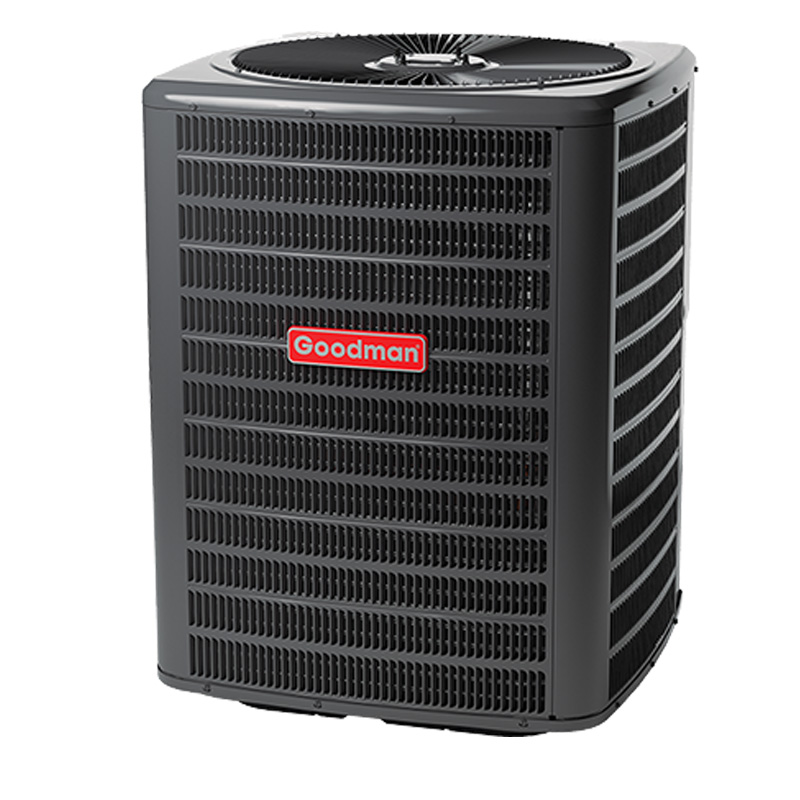
The Goodman 3-Ton Dual Fuel Hybrid Heat Pump System pairs a 15.2 SEER2 heat pump with a 60,000 BTU upflow gas furnace rated at 80% AFUE. The dual-fuel design lets the system automatically switch between electric heat pump operation and gas furnace heat depending on outdoor temperature, which is where this configuration earns its keep. In moderate climates, the heat pump handles most heating loads efficiently; when temperatures drop to the point where heat pump performance falls off, the furnace takes over. The result is a setup that can lower annual energy bills compared to a gas-only system, without giving up the reliability of a backup heat source on the coldest nights.
The 15.2 SEER2 rating lands in the entry-level tier of current efficiency standards, meeting federal minimums for most regions but not earning any premium efficiency designation. The 80% AFUE furnace means one in five BTUs of gas consumed is lost as exhaust, which is workable but noticeably less efficient than mid-efficiency 96% AFUE alternatives. R-32 refrigerant is a meaningful upgrade over the older R-410A it replaces, carrying a lower global warming potential and slightly better thermodynamic performance. The upflow configuration suits homes where the furnace sits in a basement or utility closet with supply ducts running upward, which covers a large share of residential installations in colder climates where dual-fuel systems make the most practical sense.
This system appeals most to homeowners who want dual-fuel flexibility at a price point well below premium brands, and who are working with a professional installer experienced enough to set up the fuel-switching controls correctly. The value proposition is real, but this system rewards good installation and a willingness to stay on top of basic maintenance more than a premium unit would.
This Goodman dual-fuel system delivers a functional hybrid heating and cooling setup at a price that is hard to argue with if budget is a primary concern. The entry-level efficiency specs and Goodman's documented reliability history mean you are making a trade-off, and the long-term value of that trade-off depends heavily on installation quality and how proactive you are about maintenance. Buyers who want a no-surprises ownership experience and can absorb the higher upfront cost should seriously consider premium alternatives.
Overall score is the average of the five ratings above.
What we like
- Priced 15 to 25 percent below comparable Carrier, Trane, and Lennox dual-fuel systems, lowering the initial investment
- Dual-fuel switching logic reduces heating costs in moderate climates compared to gas-only systems
- R-32 refrigerant is more environmentally responsible than legacy R-410A and increasingly well-supported by technicians
- Upflow configuration is one of the most common residential setups, making qualified installers easy to find
- Wide parts availability across independent HVAC suppliers keeps repair costs from getting out of hand on common failures
Trade-offs
- 80% AFUE furnace lags behind mid-efficiency 96% AFUE options and will cost more to operate over the system's lifespan
- 15.2 SEER2 is entry-level efficiency; homeowners in high-cooling-load climates will see limited energy savings versus premium high-SEER2 alternatives
- Goodman compressors average 10 to 14 years versus 15 to 20 years on premium brands, which shortens the window before a major repair or replacement
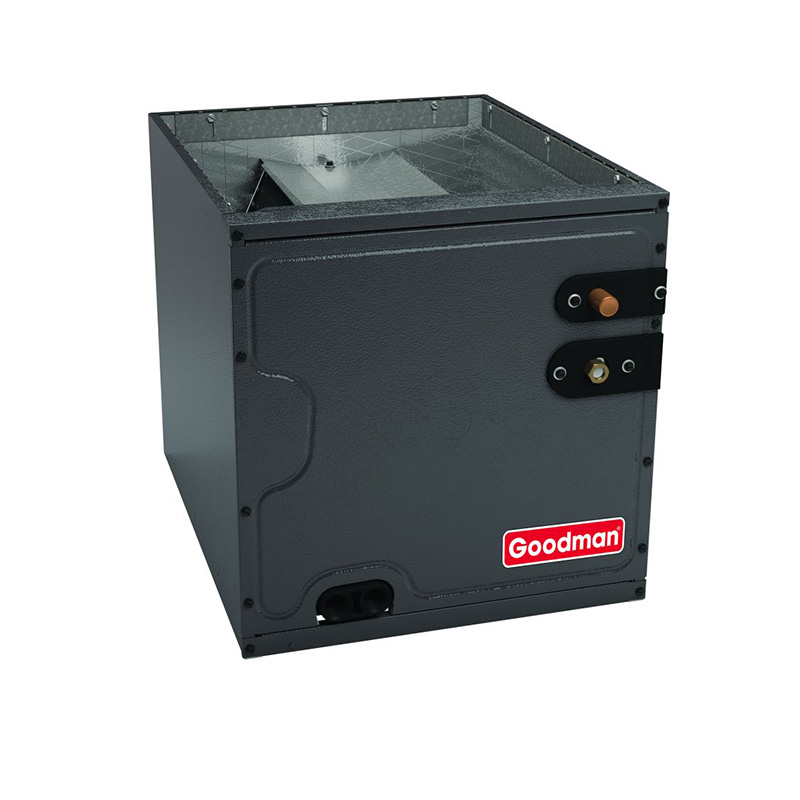
- Dual capacitor failures and evaporator coil leaks are the most frequently reported repair issues, and coil leaks in particular can be expensive if they occur outside the parts warranty window
What homeowners and pros say about Goodman
Owners who praise this type of Goodman system tend to focus on one thing: the price. Google dealer reviews for Goodman equipment average around 3.8 out of 5 stars, and the most consistent theme is that customers feel they got a working system at a price other brands could not match. HVAC technicians generally echo that sentiment while adding an important asterisk: Goodman equipment performs close to its rated specs when it is installed and commissioned carefully, but the margin for a sloppy install is thinner than on a premium unit. For a dual-fuel system in particular, where the fuel-switching controls and refrigerant charge both need to be right, technicians are consistent that installer quality matters more than the brand name on the cabinet.
On the reliability side, the picture is less flattering. ConsumerAffairs scores for Goodman sit around 2.5 out of 5, and while that platform skews toward unhappy owners, the specific complaints it surfaces are consistent with documented failure patterns: dual-run capacitors going out (usually a 300 to 600 dollar fix and a known wear item across many brands), evaporator coil leaks showing up in a notable share of owner reports, and compressor lifespans that tend to land in the 10 to 14 year range rather than the 15 to 20 years owners of Carrier, Trane, or Lennox equipment are more likely to see. A small but real percentage of owners also report refrigerant leaks in the first year, which technicians typically attribute to installation or initial charge issues rather than a defect in the equipment itself. The honest read is that this system can deliver solid years of service, but the odds of an out-of-pocket repair call before the 15-year mark are higher than they would be with a premium brand.
Sources: ConsumerAffairs Goodman owner reviews, AHRI Directory of Certified Product Performance, U.S. DOE appliance and equipment efficiency standards, Goodman product specification sheets.
What it costs to run
At 15.2 SEER2, cooling this 3-ton system for a typical 1200-hour cooling season at the U.S. average electricity rate of $0.17/kWh works out to roughly $483 per year in cooling, about $65 less per year than a minimum-efficiency 13.4 SEER2 unit of the same size. Your real cost depends on your climate and local rate.
Method: (36,000 BTU/hr ÷ 15.2 SEER2) × 1200 hours ÷ 1000 × $0.17/kWh. Rate source: U.S. EIA average; cooling hours: moderate-climate estimate.
How it compares
| Brand | Comparable model | SEER2 | Stage | Price position |
|---|---|---|---|---|
| Goodman | 3-Ton Dual Fuel Hybrid Heat Pump / 60,000 BTU 80% AFUE Upflow | 15.2 | Single-stage | Value pick |
| Carrier | Performance Series Dual Fuel (25HCB / 59SP5) | 15.2 | Single-stage | Typically 15 to 25 percent more than this Goodman system |
| Trane | XR15 Dual Fuel (XR15 heat pump / S8X1 furnace) | 15.0 | Single-stage | Typically 15 to 25 percent more than this Goodman system |
| Lennox | Merit Series Dual Fuel (14HPX / ML180) | 15.0 | Single-stage | Typically 15 to 25 percent more than this Goodman system |
Competitor rows are comparable single-stage units at similar efficiency; price is relative position, not a quote.
Questions about this system
At what outdoor temperature does this system switch from the heat pump to the gas furnace?
The switchover temperature, often called the balance point, is typically set by the installer during commissioning and commonly falls between 30 and 40 degrees Fahrenheit. Setting it correctly for your local climate and home load is one of the most important parts of a dual-fuel install, so this is worth discussing with your contractor before the job is done.
Does the 80% AFUE furnace in this system qualify for any efficiency rebates or tax credits?
As of current federal guidelines, 80% AFUE gas furnaces generally do not qualify for the Energy Efficient Home Improvement Credit, which requires 97% AFUE for gas furnaces in most configurations. State and utility rebates vary widely, so check with your local utility and a tax professional, but do not count on efficiency incentives from the furnace side of this system.
How do R-32 service requirements differ from the R-410A systems my contractor is used to working on?
R-32 requires recovery equipment rated for A2L mildly flammable refrigerants, and not every older service truck is equipped for it yet. Most established HVAC shops are updating their equipment, but it is worth confirming your service contractor is R-32 certified before you buy, especially in smaller markets.
What is the actual warranty coverage on this Goodman system?
Goodman typically offers a 10-year parts warranty on registered units, which covers components including the compressor and heat exchanger when registration is completed within a set window after installation. Labor is not covered, which means a compressor replacement in year 8 still carries a significant labor cost even if the part itself is free.
Goodman reviews online are all over the place. Should I be worried about long-term reliability?
The picture is genuinely mixed. Goodman scores around 2.5 out of 5 on ConsumerAffairs, a channel that attracts frustrated owners, with repair costs after year 7 being the recurring complaint. Google dealer reviews average closer to 3.8 out of 5, where affordability is the most common praise. The documented weak points are dual-run capacitor failures (a relatively inexpensive fix), evaporator coil leaks, and compressor lifespans that average 10 to 14 years rather than the 15 to 20 years more common on premium brands. A solid extended labor warranty from your installer is a reasonable hedge.
Specifications
| Cooling capacity | 3 Ton |
| Efficiency | 15.2 SEER2 |
| Furnace output | 60000 BTU |
| Furnace efficiency | 80% AFUE |
| Configuration | Upflow |
| Refrigerant | R-32 |