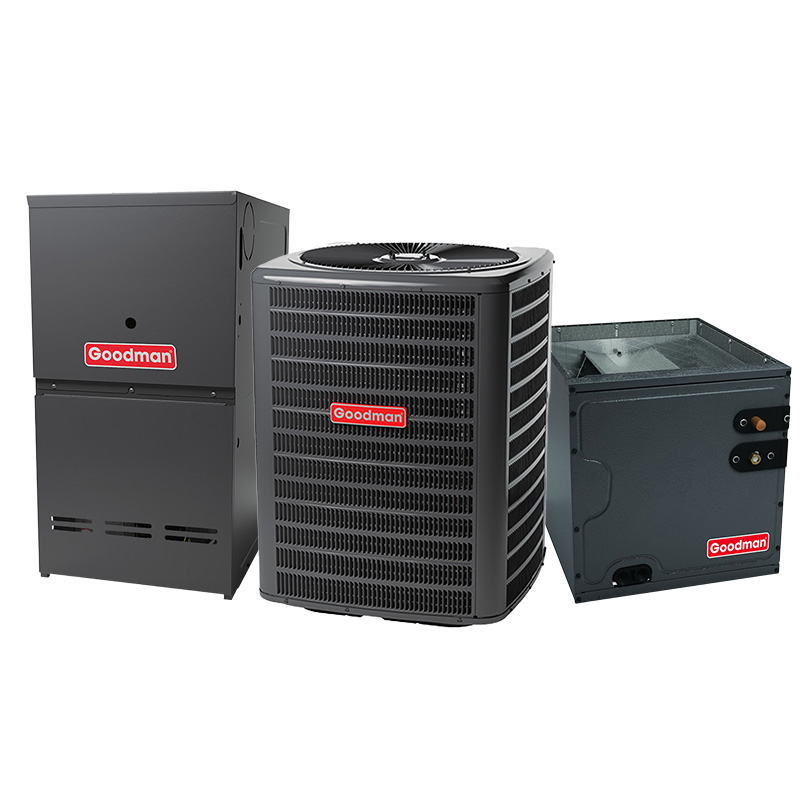
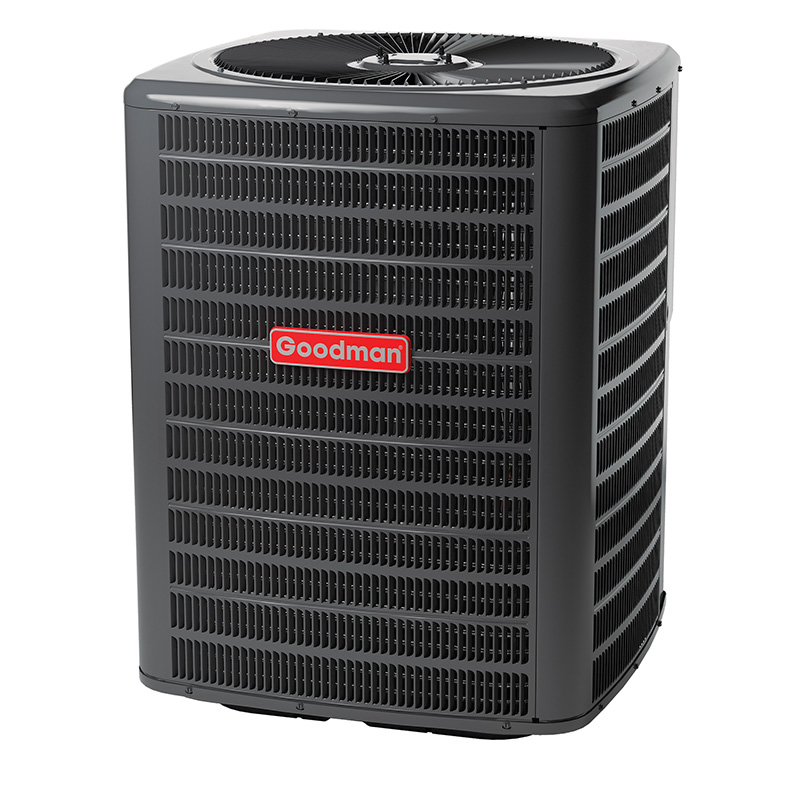
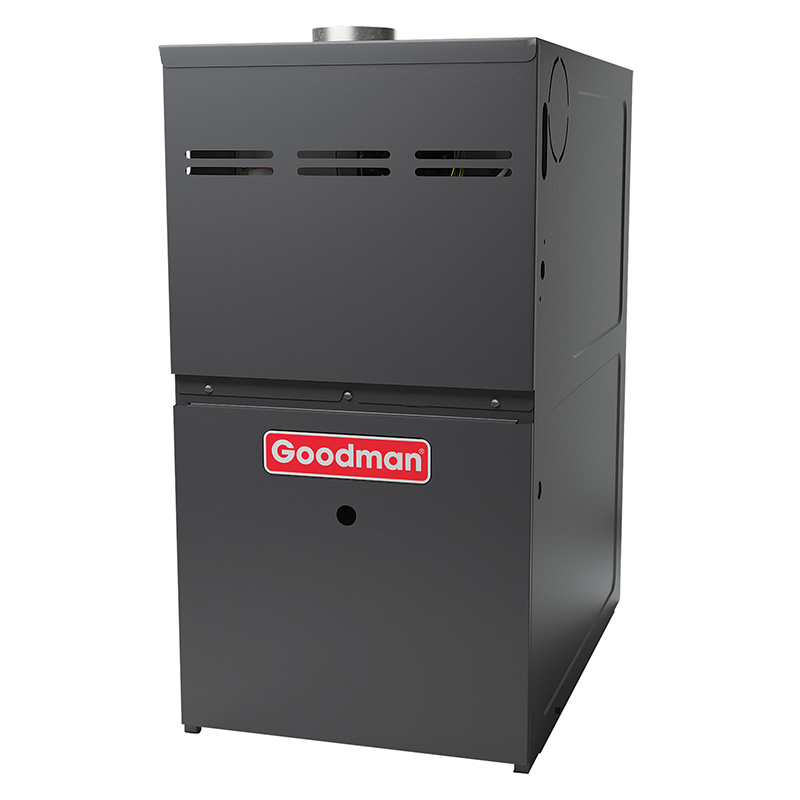
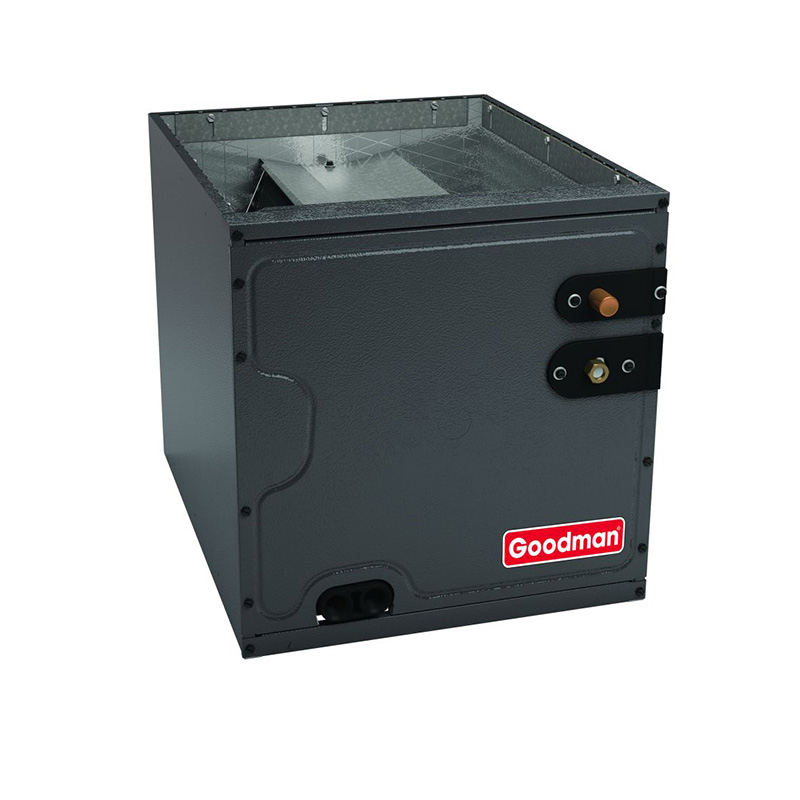
Goodman 3 Ton Dual Fuel Hybrid Heat Pump System – 80000 BTU California Low NOx Two Stage Gas Furnace, 80% AFUE, Downflow, 14.5 SEER2, R32
View on AC Direct see your lowest price →Check current price on AC Direct →
Key features
- 14.5 SEER2 heat pump efficiency meets 2023 federal minimums for most U.S. regions
- Two-stage gas furnace at 80,000 BTU and 80% AFUE for flexible heating output
- Dual fuel logic automatically switches between heat pump and gas based on outdoor temperature
- R-32 refrigerant with lower global warming potential than R-410A
- Downflow air discharge suits above-crawl-space or closet installations
- California Low NOx certified for compliance in restricted air quality districts
About this system
The Goodman 3-ton dual fuel hybrid system pairs a 14.5 SEER2 heat pump with an 80,000 BTU two-stage gas furnace rated at 80% AFUE, giving homeowners in moderate-to-cold climates a flexible setup that leans on the heat pump during mild weather and automatically switches to gas when temperatures drop and electric heating becomes less efficient. The R-32 refrigerant charge is lower in global warming potential than the R-410A it replaces, and the two-stage gas valve means the furnace runs at reduced capacity on less-demanding days, which smooths out temperature swings and reduces on-off cycling noise compared to a single-stage unit.
The downflow configuration routes conditioned air downward from the unit, making it the right fit for installations where ductwork runs beneath the equipment, such as a closet or utility room above a crawl space or basement. California Low NOx certification is a hard requirement for installation in California air quality districts, so if you are in that market this spec is non-negotiable rather than a bonus. At 80% AFUE the furnace converts eight out of every ten units of fuel into heat, which is a baseline efficiency tier, not a high-efficiency one. Buyers in regions with high gas prices or very long heating seasons may want to compare against 96% AFUE options before committing, though those carry a higher upfront cost and require condensate drainage.
This system sits squarely in the value-brand segment. Goodman equipment is manufactured by Daikin and priced roughly 15 to 25 percent below Trane, Lennox, and Carrier equivalents, which makes it accessible for budget-conscious homeowners who still want a dual fuel setup. The trade-off is that long-term performance is more sensitive to installation quality than with premium brands, so vetting your installer matters as much as the equipment choice itself.
This Goodman dual fuel system delivers a functional, code-compliant hybrid heating solution at a price point that is hard to match from premium brands. The two-stage furnace and automatic fuel switching are genuine comfort and efficiency advantages, but 80% AFUE is a modest efficiency ceiling and long-term ownership costs depend heavily on install quality and maintenance. Buyers who prioritize upfront savings over long-term reliability margins will find the value proposition reasonable.
Overall score is the average of the five ratings above.
What we like
- Priced 15 to 25 percent below comparable Trane, Carrier, and Lennox dual fuel systems
- Two-stage gas operation reduces temperature swings and cycling noise versus single-stage alternatives
- Automatic dual fuel switching optimizes operating costs across changing outdoor temperatures
- R-32 refrigerant is a forward-looking choice with lower environmental impact
- California Low NOx certification covers compliance in the strictest U.S. air quality jurisdictions
Trade-offs
- 80% AFUE is a baseline efficiency tier; homeowners in cold climates or high-gas-price areas may find the operating cost gap versus 96% AFUE units significant over time
- Goodman compressors average 10 to 14 years in documented owner experience, shorter than the 15 to 20 years typical of premium brands
- Dual-run capacitor failures are the most commonly reported repair after year 7, and evaporator coil leaks appear in a meaningful share of owner accounts
- A minority of owners report refrigerant leaks within the first year, most often traced to installation or initial charge issues rather than the equipment itself
What homeowners and pros say about Goodman
Homeowners who have purchased Goodman equipment tend to split along a familiar line. On Google dealer review pages, where ratings average around 3.8 out of 5 across locations, affordability comes up again and again as the reason buyers chose Goodman and the thing they are most satisfied with early on. On ConsumerAffairs, where Goodman scores closer to 2.5 out of 5, the tone shifts noticeably: that channel skews toward people who have experienced problems, and the recurring complaint is repair costs that climb after roughly year 7. Both data points are real, and neither cancels out the other. Dual-run capacitor failures are the most commonly cited repair in owner accounts, usually a quick and relatively low-cost fix in the 300 to 600 dollar range. Evaporator coil leaks appear with enough frequency that they show up as a documented failure mode, and compressor lifespan in owner experience tends to land between 10 and 14 years, shorter than the 15 to 20 years that premium brands typically deliver.
HVAC technicians consistently point to installation quality as the variable that separates a Goodman that performs reliably for 12 or more years from one that starts generating service calls before year 5. That view is consistent with the pattern of first-year refrigerant leaks that a minority of owners report, which technicians typically attribute to charge or connection issues at install rather than factory defects. For a dual fuel hybrid system specifically, proper balance point configuration and verified refrigerant charge at startup are critical steps that not every installer takes the time to complete correctly. The practical takeaway is that this equipment rewards buyers who spend as much effort vetting their installer as they do comparing unit prices. Buyers who do that groundwork tend to represent the more satisfied side of Goodman’s owner base.
Sources: ConsumerAffairs Goodman owner reviews, AHRI Directory of Certified Product Performance, U.S. DOE appliance and equipment efficiency standards, Goodman product specification sheets.
What it costs to run
At 14.5 SEER2, cooling this 3-ton system for a typical 1200-hour cooling season at the U.S. average electricity rate of $0.17/kWh works out to roughly $506 per year in cooling, about $42 less per year than a minimum-efficiency 13.4 SEER2 unit of the same size. Your real cost depends on your climate and local rate.
Method: (36,000 BTU/hr ÷ 14.5 SEER2) × 1200 hours ÷ 1000 × $0.17/kWh. Rate source: U.S. EIA average; cooling hours: moderate-climate estimate.
How it compares
| Brand | Comparable model | SEER2 | Stage | Price position |
|---|---|---|---|---|
| Goodman | GSZTO / GMVC8 Dual Fuel Series (this system) | 14.5 | Two-stage | Value pick |
| Carrier | Performance 14 Dual Fuel Series (25HCB / 58SB) | 14.3 to 15.0 | Single-stage | Typically 15 to 25 percent more than this Goodman system |
| Trane | XR14c Dual Fuel Series (4TXR / S8X1) | 14.3 to 15.2 | Single-stage | Typically 15 to 25 percent more than this Goodman system |
| Lennox | Merit 14 Dual Fuel Series (13ACD / ML180) | 14.3 to 15.0 | Single-stage | Typically 15 to 25 percent more than this Goodman system |
Competitor rows are comparable single-stage units at similar efficiency; price is relative position, not a quote.
Questions about this system
What outdoor temperature does this system switch from heat pump to gas heat?
The switchover point, often called the balance point, is typically set between 35 and 40 degrees Fahrenheit but is configured by your installer based on your local climate and utility rates. A properly set balance point is one of the most important commissioning steps for a dual fuel system, so confirm your installer programs it rather than leaving it at a factory default.
Is 80% AFUE worth it, or should I pay more for a 96% AFUE furnace in this setup?
In a dual fuel hybrid system the furnace only runs when outdoor temperatures are low enough that gas beats the heat pump on cost, which is a smaller share of total heating hours than in a gas-only setup. That narrower usage window reduces the payback period on a high-efficiency furnace upgrade, so 80% AFUE is a more defensible choice here than it would be in a standalone gas system. Still, if your winters are long and gas prices are high in your area, pricing out a 96% AFUE option is worth doing before you buy.
Why does this unit require a downflow configuration and can I use it in a horizontal application?
Downflow means the furnace is designed to discharge air through the bottom, which matches duct systems running beneath the unit. This configuration is not interchangeable with horizontal or upflow setups without a different furnace model. If your ductwork exits from the side or top, you need to select a different configuration from the product line.
What are the most common repairs I should budget for over the first 10 years?
Based on documented owner experience, dual-run capacitor failure is the most frequently reported issue and typically costs between 300 and 600 dollars to fix, usually appearing after year 7. Evaporator coil leaks show up in a meaningful share of accounts and are a more expensive repair. A small number of owners encounter refrigerant leaks in the first year, which most technicians attribute to installation quality rather than the unit itself.
Does R-32 refrigerant affect servicing costs or technician availability compared to R-410A?
R-32 requires technicians to be certified for A2L refrigerants, which have a mild flammability classification, and not all technicians in every market are currently equipped for it. Availability is growing quickly as the industry transitions away from R-410A, but when selecting a service contractor you should confirm they are trained and certified for R-32 before you need emergency service.
Specifications
| Cooling capacity | 3 Ton |
| Efficiency | 14.5 SEER2 |
| Furnace output | 80000 BTU |
| Furnace efficiency | 80% AFUE |
| Configuration | Downflow |
| Refrigerant | R-32 |