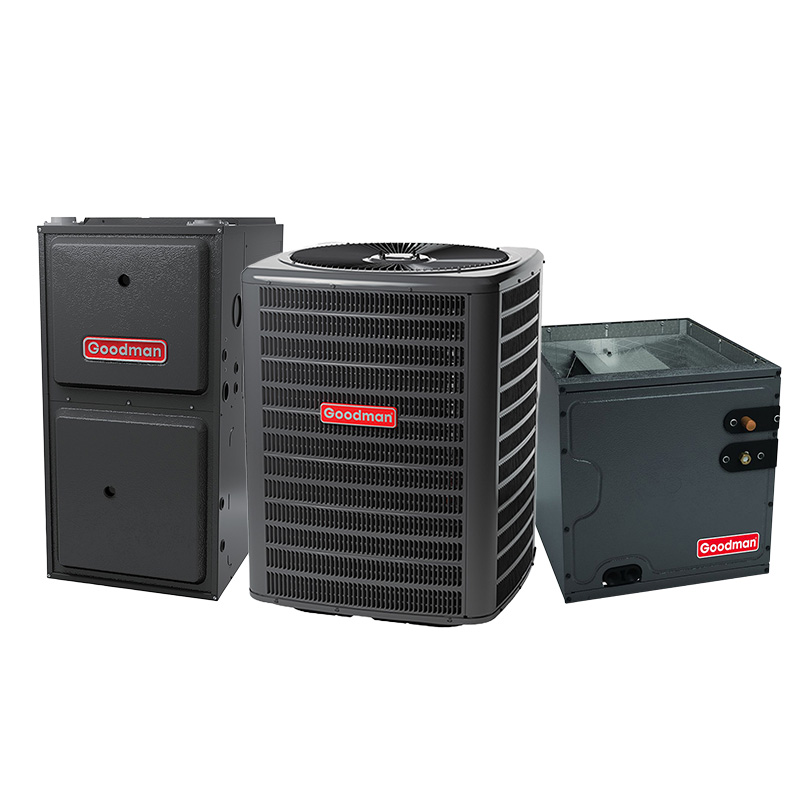
Goodman 3 Ton Dual Fuel Hybrid Heat Pump System – 80000 BTU Gas Furnace, 96% AFUE, 14.5 SEER2, Upflow, R32
View on AC Direct see your lowest price →Check current price on AC Direct →
Key features
- Dual fuel hybrid design automatically switches between heat pump and gas furnace based on outdoor temperature
- 96% AFUE gas furnace efficiency puts 96 cents of every gas dollar toward home heating
- 14.5 SEER2 cooling efficiency meets 2023 federal minimums in northern and most southern markets
- R-32 refrigerant offers lower global warming potential than legacy R-410A systems
- Upflow configuration designed for basement or closet installs with overhead duct systems
- 3-ton capacity suited to homes approximately 1,400 to 2,000 square feet depending on load
About this system
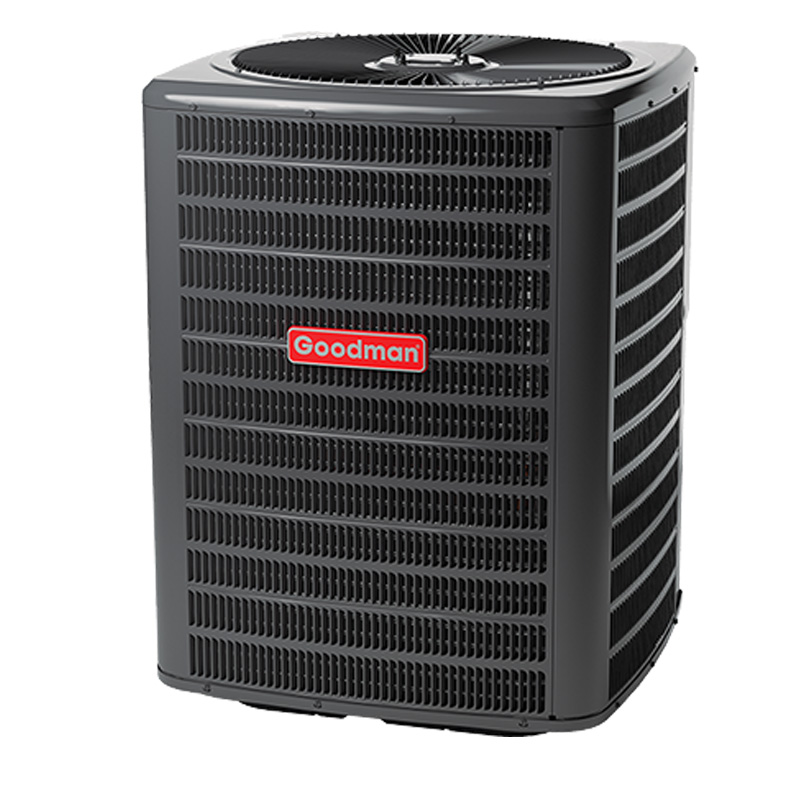
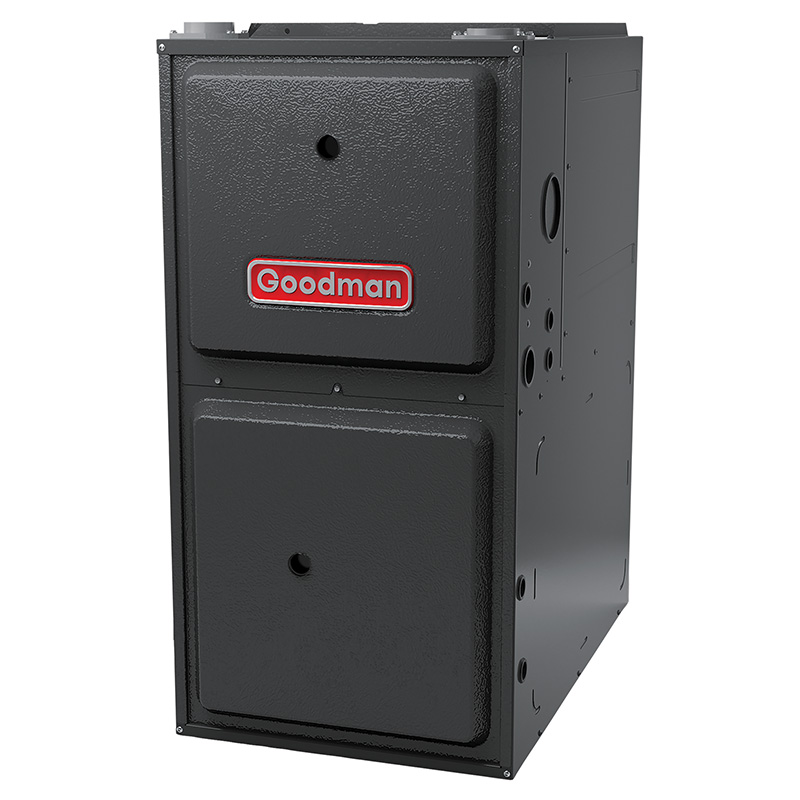
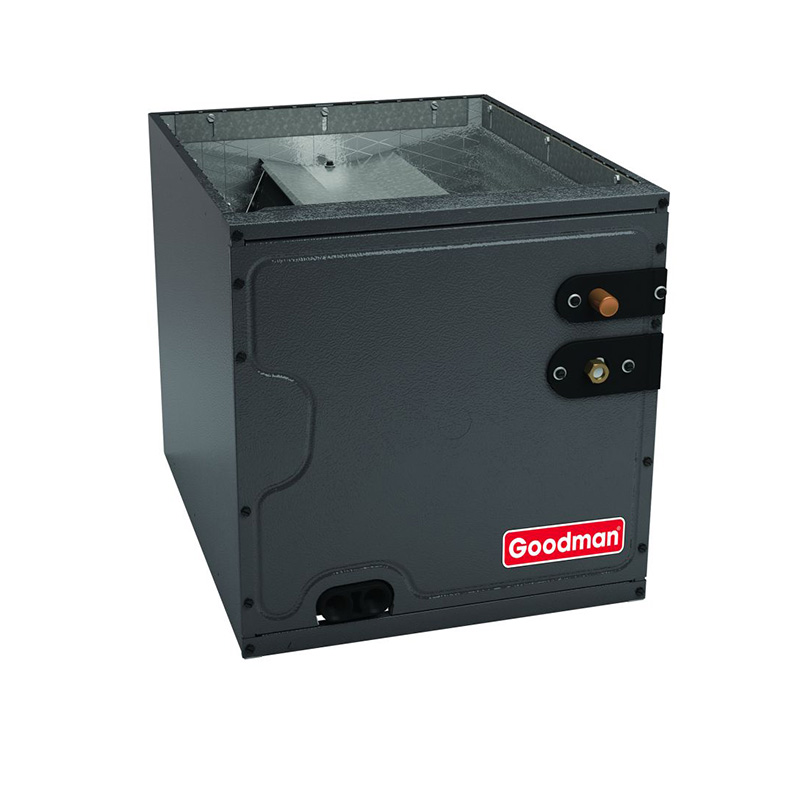
The Goodman 3-Ton Dual Fuel Hybrid Heat Pump System pairs a 14.5 SEER2 heat pump with an 80,000 BTU, 96% AFUE upflow gas furnace to give you the best of both worlds: electric heat pump efficiency during mild weather and dependable gas heat when temperatures drop hard. The system automatically switches between the two heat sources based on outdoor conditions, which means you’re running the cheaper fuel source most of the time. That kind of operational flexibility is especially useful in climates that see genuine winter cold but not extreme, sustained sub-zero stretches.
The 96% AFUE rating means 96 cents of every gas dollar goes directly to heating your home, placing this furnace in the top tier of gas efficiency. The 14.5 SEER2 cooling efficiency meets the new federal minimum in most northern regions and sits just above it in the South, so it’s a code-compliant but not market-leading cooling performer. The upflow configuration suits homes with the air handler in a basement or utility closet pushing conditioned air up through overhead ductwork. R-32 refrigerant has a lower global warming potential than the R-410A it replaces, and it’s the industry direction going forward. At 3 tons, this system is sized for homes roughly in the 1,400 to 2,000 square foot range, depending on local climate, insulation, and load calculations.
Goodman sits in the value tier of the HVAC market, priced roughly 15 to 25 percent below comparable equipment from Trane, Lennox, and Carrier. For a dual fuel hybrid system, that gap translates to real upfront savings. The trade-off, as with any value-brand purchase, is that long-term reliability depends heavily on who installs and maintains it. This is a more complex configuration than a straight heat pump or straight gas furnace, so installer experience with dual fuel setups matters more than usual here.
This system offers a genuinely capable dual fuel setup at a price point well below premium brands, and the 96% AFUE furnace and hybrid switching logic are real efficiency wins. The value proposition is strongest when paired with an experienced installer who knows dual fuel controls, since Goodman's real-world outcomes track closely with install quality. Buyers should plan for capacitor and coil maintenance costs as the system ages past year seven.
Overall score is the average of the five ratings above.
What we like
- Hybrid operation reduces energy costs by running the cheaper heat source for current conditions
- 96% AFUE furnace is among the most efficient gas options available, cutting fuel waste
- Upfront cost runs 15 to 25 percent below Trane, Lennox, and Carrier equivalents
- R-32 refrigerant is a forward-compatible choice as the industry moves away from R-410A
- 14.5 SEER2 meets current federal efficiency standards across all U.S. regions
Trade-offs
- Dual-run capacitor failures are the most commonly reported repair issue, typically arriving after several years of service
- Evaporator coil leaks appear in a meaningful share of owner reviews and can be a costly repair
- Compressor lifespan averages 10 to 14 years versus 15 to 20 years for premium brand compressors
- Dual fuel control setup adds installation complexity, and a poorly calibrated switchover point undercuts efficiency gains
What homeowners and pros say about Goodman
Homeowners who choose Goodman most often point to the upfront price as the deciding factor, and that pattern holds with dual fuel systems. On Google dealer reviews, Goodman locations average around 3.8 out of 5, with affordability consistently cited as the strongest reason to buy. The ConsumerAffairs picture is less flattering, averaging roughly 2.5 out of 5, though that platform skews heavily toward people motivated to write by a frustrating repair experience. The complaint pattern that surfaces most often there is repair costs climbing after about year seven, which lines up with the documented failure modes: dual-run capacitors tend to go first and are a relatively inexpensive fix in the 300 to 600 dollar range, but evaporator coil leaks and eventual compressor wear are costlier concerns. Compressor lifespan on Goodman equipment averages 10 to 14 years, a real gap compared to the 15 to 20 years typical of premium brands.
HVAC technicians who work on Goodman equipment regularly tend to have a pragmatic view: the equipment is functional and the parts are easy to source, but they are consistent in saying that install quality drives outcomes more than the equipment itself. For a dual fuel hybrid system, that caveat carries extra weight because correct balance point programming and proper refrigerant charging on the heat pump side are both critical to getting the efficiency you are paying for. Refrigerant leaks in the first year, a documented minority issue with Goodman units, are most often traced to installation or initial charge problems rather than the equipment coming out of the box defective. Buyers who invest in a qualified installer with proven dual fuel experience, and who budget for a capacitor replacement somewhere in the mid-life of the system, tend to get reasonable value from this configuration at this price point.
Sources: ConsumerAffairs Goodman owner reviews, AHRI Directory of Certified Product Performance, U.S. DOE appliance and equipment efficiency standards, Goodman product specification sheets.
What it costs to run
At 14.5 SEER2, cooling this 3-ton system for a typical 1200-hour cooling season at the U.S. average electricity rate of $0.17/kWh works out to roughly $506 per year in cooling, about $42 less per year than a minimum-efficiency 13.4 SEER2 unit of the same size. Your real cost depends on your climate and local rate.
Method: (36,000 BTU/hr ÷ 14.5 SEER2) × 1200 hours ÷ 1000 × $0.17/kWh. Rate source: U.S. EIA average; cooling hours: moderate-climate estimate.
How it compares
| Brand | Comparable model | SEER2 | Stage | Price position |
|---|---|---|---|---|
| Goodman | 3-Ton Dual Fuel Hybrid System, 96% AFUE, 80k BTU Upflow | 14.5 | Single-stage | Value pick |
| Carrier | Performance Series Dual Fuel (25HCB / 59SP6) | 15.0-16.0 | Single-stage | Typically 15 to 25 percent more than Goodman |
| Trane | XR15 Dual Fuel System (XR15 / S8X1) | 15.0 | Single-stage | Typically 15 to 25 percent more than Goodman |
| Lennox | Merit Series Dual Fuel (ML14XP1 / ML196E) | 14.5-15.5 | Single-stage | Typically 15 to 25 percent more than Goodman |
Competitor rows are comparable single-stage units at similar efficiency; price is relative position, not a quote.
Questions about this system
At what outdoor temperature does this system switch from heat pump to gas furnace?
The switchover point, often called the balance point, is typically set during installation and commonly falls between 35 and 40 degrees Fahrenheit. Your installer should calculate and program this based on your local climate and home heat load, not just leave it at a default setting, since an incorrect balance point is one of the main reasons dual fuel systems underperform.
What is covered under Goodman's warranty on this system, and for how long?
Goodman typically offers a 10-year parts limited warranty when the system is registered within 60 days of installation by a licensed contractor. Without registration, coverage often drops to 5 years on parts. The warranty covers parts replacement costs but not labor, which is a meaningful out-of-pocket exposure given that dual fuel systems involve two separate units.
Is R-32 refrigerant safe, and will it be easy to service in the future?
R-32 is classified as mildly flammable, which requires technicians to follow specific handling procedures, but it is not considered a significant safety risk in normal residential use. It is increasingly common in new equipment and is expected to be widely available for service for many years, making it a reasonable long-term choice compared to R-410A which is being phased out.
How realistic is the 96% AFUE rating in actual use, and does the heat pump operation affect it?
The 96% AFUE applies only to the gas furnace portion when it is actively running, not to the system overall. In a well-programmed dual fuel setup, the heat pump handles most moderate-weather heating at a coefficient of performance well above what gas can match, so your blended seasonal heating cost can be lower than either unit's standalone rating would suggest. The furnace AFUE only comes into play during cold snaps when gas is the active source.
What are the most likely repair costs I should budget for over the first ten years?
Based on documented Goodman failure patterns, dual-run capacitor replacement is the most common repair and typically runs between 300 and 600 dollars including labor. Evaporator coil leaks are a more serious issue that can cost significantly more. A small percentage of owners have reported refrigerant leaks in the first year, which are usually traced back to installation or initial charging problems rather than equipment defects.
Specifications
| Cooling capacity | 3 Ton |
| Efficiency | 14.5 SEER2 |
| Furnace output | 80000 BTU |
| Furnace efficiency | 96% AFUE |
| Configuration | Upflow |
| Refrigerant | R-32 |