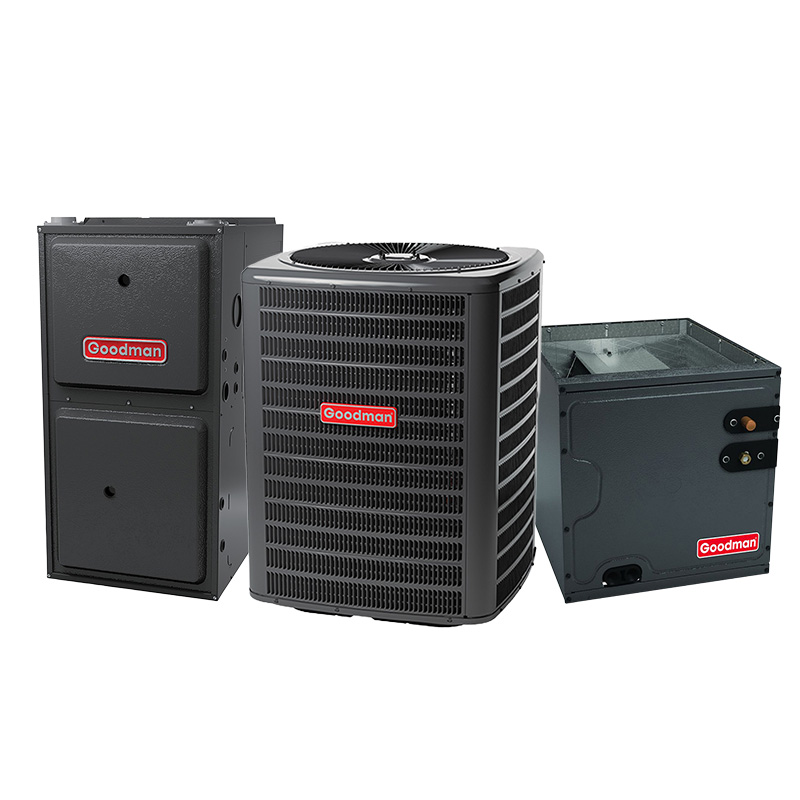
Goodman 3 Ton Dual Fuel Hybrid Heat Pump System – 80000 BTU Gas Furnace, Two Stage, 96% AFUE, Upflow, 15.2 SEER2, R32
View on AC Direct see your lowest price →Check current price on AC Direct →
Key features
- Dual fuel hybrid design switches automatically between heat pump and 96% AFUE gas furnace based on outdoor conditions
- 15.2 SEER2 cooling efficiency meets current federal standards with a mid-efficiency rating
- Two-stage compressor and two-stage furnace reduce short-cycling and improve comfort consistency
- R-32 refrigerant with a global warming potential roughly 68% lower than R-410A
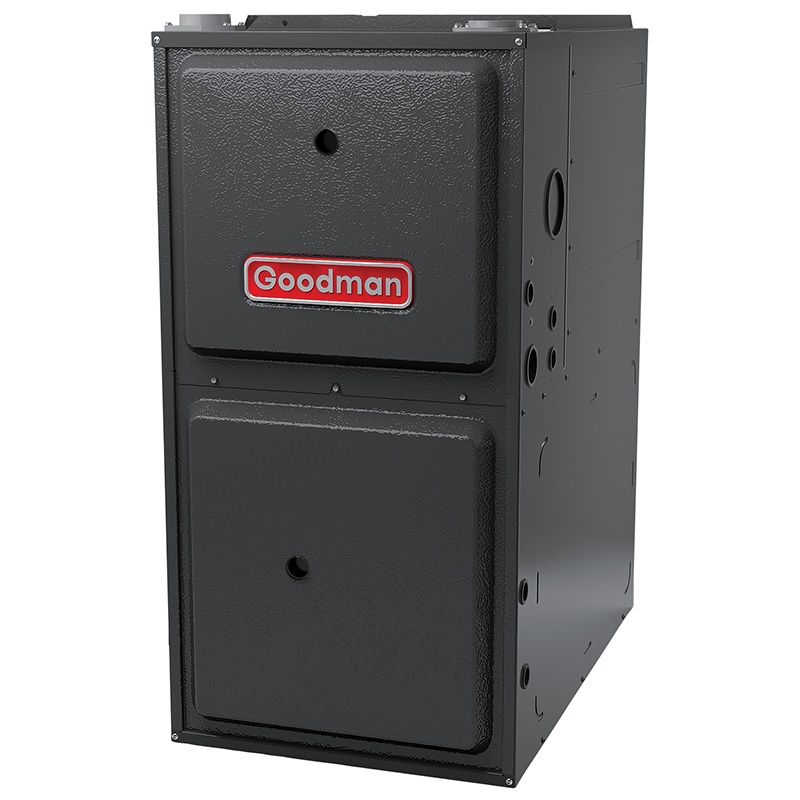
- 80,000 BTU upflow gas furnace for high-output backup heating in colder climates
- Goodman factory warranty included, covering parts for qualifying registered systems
About this system
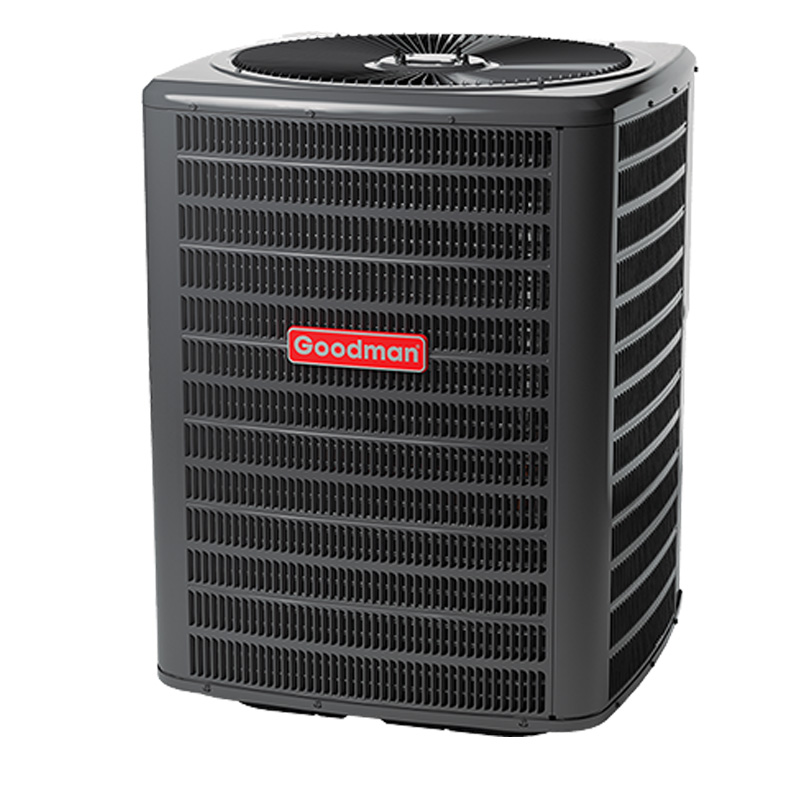
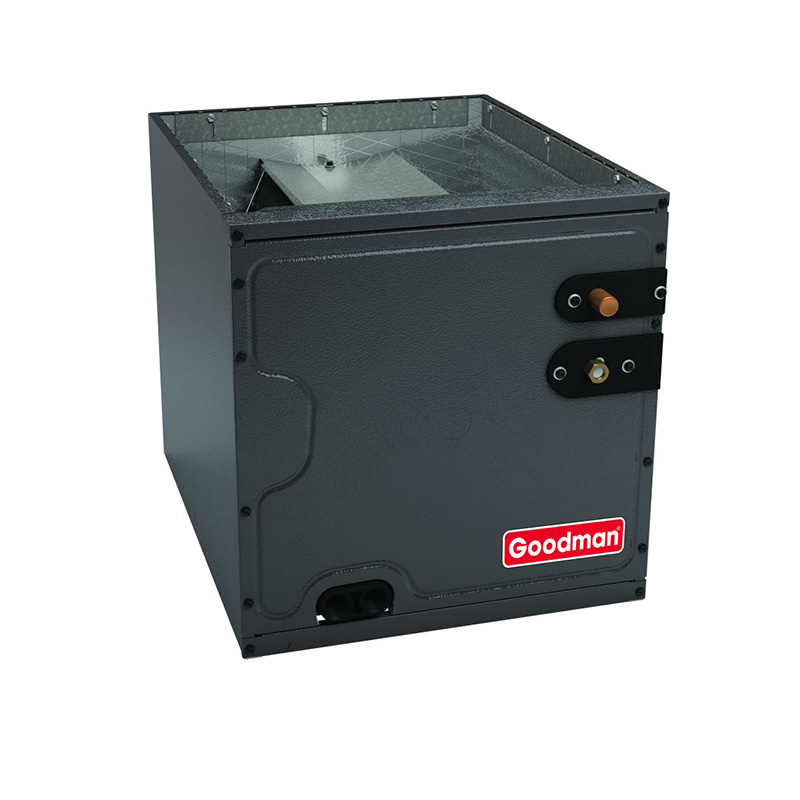
The Goodman 3-ton dual fuel hybrid system pairs a two-stage heat pump with an 80,000 BTU, 96% AFUE upflow gas furnace, giving you two sources of heat that switch automatically based on outdoor temperature and operating cost. When temperatures are mild, the heat pump handles the load efficiently. When it drops below the balance point, the gas furnace takes over, which is exactly the kind of flexibility that makes dual fuel worth considering in climates that see genuine winters but also long shoulder seasons. The 15.2 SEER2 cooling rating clears the current federal minimum with room to spare and sits in the mid-efficiency tier, not the top, but competitive for the price point.
R-32 refrigerant is a notable spec here. It has a global warming potential roughly 68 percent lower than the older R-410A it replaces, and its single-component makeup makes recovery and recharge more straightforward for certified technicians. The upflow configuration means the air handler or furnace sits in a basement, crawlspace, or closet with supply air moving upward into the duct system, so confirm your mechanical room layout before purchasing. Two-stage operation on both the compressor and the furnace means the system runs at a lower capacity most of the time, which reduces temperature swings, lowers short-cycling, and tends to extend component life compared to single-stage equipment.
Goodman positions this system as a budget-accessible entry into dual fuel technology. You are not paying for premium brand markup, and the specs reflect honest mid-tier performance rather than flagship efficiency. That trade-off suits homeowners who want the functional benefits of hybrid heating without stretching into Trane or Lennox territory, provided they invest in a skilled installer and keep up with annual maintenance.
This system delivers genuine dual fuel flexibility and solid mid-tier specs at a price that undercuts comparable Carrier, Trane, and Lennox configurations by a meaningful margin. The trade-off is a brand with a documented history of capacitor failures, coil leak reports, and compressor longevity that trails premium competitors by several years. It is a reasonable buy for cost-conscious homeowners who use a qualified installer and plan for periodic maintenance.
Overall score is the average of the five ratings above.
What we like
- Dual fuel operation reduces heating costs in climates with real winters by using the heat pump when it is efficient and gas when it is not
- 96% AFUE furnace wastes very little fuel, which offsets some of the lower upfront cost over time
- Two-stage operation on both heating and cooling components improves comfort and reduces wear compared to single-stage alternatives
- R-32 refrigerant is easier to handle for technicians and carries a lower environmental impact than R-410A
- Price sits 15 to 25 percent below comparable Trane, Lennox, and Carrier dual fuel systems, lowering the barrier to hybrid technology
Trade-offs
- Dual-run capacitors are the most frequently reported failure point, typically requiring a service call within the first decade
- Evaporator coil leaks appear in a meaningful share of owner reviews, a repair that can be costly depending on warranty status
- Compressor lifespan averages 10 to 14 years versus 15 to 20 years reported for premium-brand compressors
- A minority of owners report refrigerant leaks within the first year, which points to charge or install issues rather than manufacturing defect but still creates early service costs
What homeowners and pros say about Goodman
Goodman’s reputation among homeowners is split along a familiar line. On Google dealer review pages, where scores average around 3.8 out of 5, the most consistent praise is affordability and the fact that the equipment does what it is supposed to do when it is installed correctly. On ConsumerAffairs, where the score sits at roughly 2.5 out of 5 and the audience skews toward people who had problems, the recurring theme is repair costs climbing after the seven-year mark. That pattern aligns with what HVAC technicians report in the field: Goodman equipment is not uniquely fragile out of the box, but its long-term outcome depends heavily on who installs it and how well the homeowner keeps up with maintenance.
The specific failure modes worth knowing before buying this dual fuel system are well documented. Dual-run capacitors are the most commonly cited repair, generally a straightforward fix in the 300 to 600 dollar range but one that shows up more frequently in Goodman units than in premium-brand equipment. Evaporator coil leaks appear in enough owner reviews to be a real consideration rather than an outlier, and compressor longevity in the 10 to 14 year range is shorter than the 15 to 20 years often reported for Carrier, Trane, and Lennox compressors. A small number of owners also report refrigerant leaks in the first year, which technicians generally attribute to improper charging at installation rather than a factory defect. For a dual fuel system specifically, where two separate heating systems share control logic, the quality of the initial setup matters even more than it does on a standard heat pump or furnace alone.
Sources: ConsumerAffairs Goodman owner reviews, AHRI Directory of Certified Product Performance, U.S. DOE appliance and equipment efficiency standards, Goodman product specification sheets.
What it costs to run
At 15.2 SEER2, cooling this 3-ton system for a typical 1200-hour cooling season at the U.S. average electricity rate of $0.17/kWh works out to roughly $483 per year in cooling, about $65 less per year than a minimum-efficiency 13.4 SEER2 unit of the same size. Your real cost depends on your climate and local rate.
Method: (36,000 BTU/hr ÷ 15.2 SEER2) × 1200 hours ÷ 1000 × $0.17/kWh. Rate source: U.S. EIA average; cooling hours: moderate-climate estimate.
How it compares
| Brand | Comparable model | SEER2 | Stage | Price position |
|---|---|---|---|---|
| Goodman | 3-Ton Dual Fuel Hybrid Heat Pump with 80,000 BTU 96% AFUE Furnace | 15.2 | Two-stage | Value pick |
| Carrier | Performance Series Dual Fuel (25HCB6 heat pump with 59TP6 furnace) | 15-16 | Two-stage | Typically 15 to 25 percent more than this Goodman system |
| Trane | XR15 Dual Fuel System (XR15 heat pump with S9X2 furnace) | 15-16 | Two-stage | Typically 15 to 25 percent more than this Goodman system |
| Lennox | Merit Series Dual Fuel (14HPX heat pump with ML196 furnace) | 15-16 | Two-stage | Typically 15 to 25 percent more than this Goodman system |
Competitor rows are comparable single-stage units at similar efficiency; price is relative position, not a quote.
Questions about this system
What outdoor temperature should I set as the balance point for switching from heat pump to gas furnace?
Most installers set the balance point between 35 and 40 degrees Fahrenheit, where the heat pump's efficiency drops to the point that gas heating becomes cheaper to run. Your installer should calculate the actual balance point based on your local utility rates and the home's heat load rather than using a default setting.
Does this system work with my existing gas furnace flue and ductwork?
The upflow furnace requires a compatible vent configuration, and the duct system must be sized for 3-ton airflow. Reusing existing ductwork is often possible but should be assessed by the installer, since undersized or leaky ducts are a common cause of performance problems with new equipment.
How do I register the warranty, and what does it actually cover?
Goodman requires product registration within a set window after installation to qualify for the extended parts warranty. Unregistered units typically receive a shorter base coverage period. Review the specific warranty document for this model because labor is generally not included, meaning service call costs come out of pocket even on a covered parts repair.
Is R-32 refrigerant safe, and can any HVAC technician work on it?
R-32 is mildly flammable and requires technicians who are certified to handle A2L refrigerants under current EPA rules. Most licensed HVAC professionals are completing or have completed this certification, but it is worth confirming with your service company before scheduling maintenance or repairs.
What maintenance does a dual fuel system need that a standard heat pump or furnace does not?
Beyond standard filter changes and annual coil cleaning, dual fuel systems benefit from yearly checks of the balance point setting, the switchover controls, and the gas valve, since two separate heating systems mean more components that can drift out of calibration. Keeping up with this maintenance is especially important on Goodman equipment, where install and setup quality have an outsized effect on long-term reliability.
Specifications
| Cooling capacity | 3 Ton |
| Efficiency | 15.2 SEER2 |
| Furnace output | 80000 BTU |
| Furnace efficiency | 96% AFUE |
| Configuration | Upflow |
| Refrigerant | R-32 |