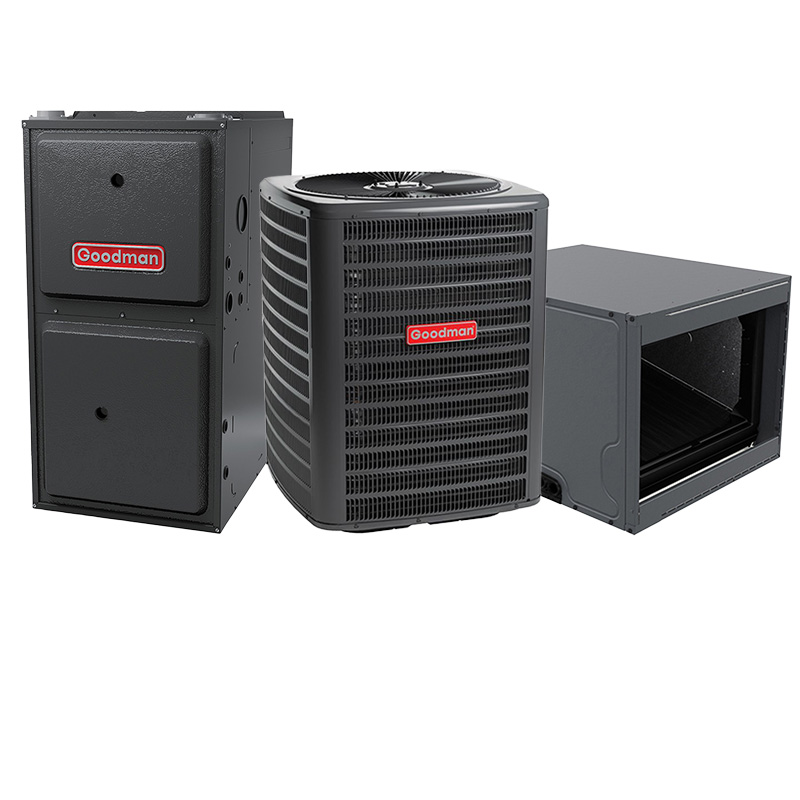
Goodman 4 Ton 13.4 SEER2 120000 BTU 96% AFUE Multi-Speed ECM Gas Furnace System – Horizontal | R32
View on AC Direct see your lowest price →Check current price on AC Direct →
Key features
- 4-ton cooling capacity suited for larger homes in moderate to hot climates
- 13.4 SEER2 rating meets current federal minimum efficiency standards
- 96% AFUE high-efficiency gas furnace reduces heating fuel costs
- Multi-speed ECM blower motor cuts fan electricity use versus PSC motors
- Horizontal configuration designed for attic or crawlspace installations
- R-32 refrigerant with lower global-warming potential than R-410A
About this system
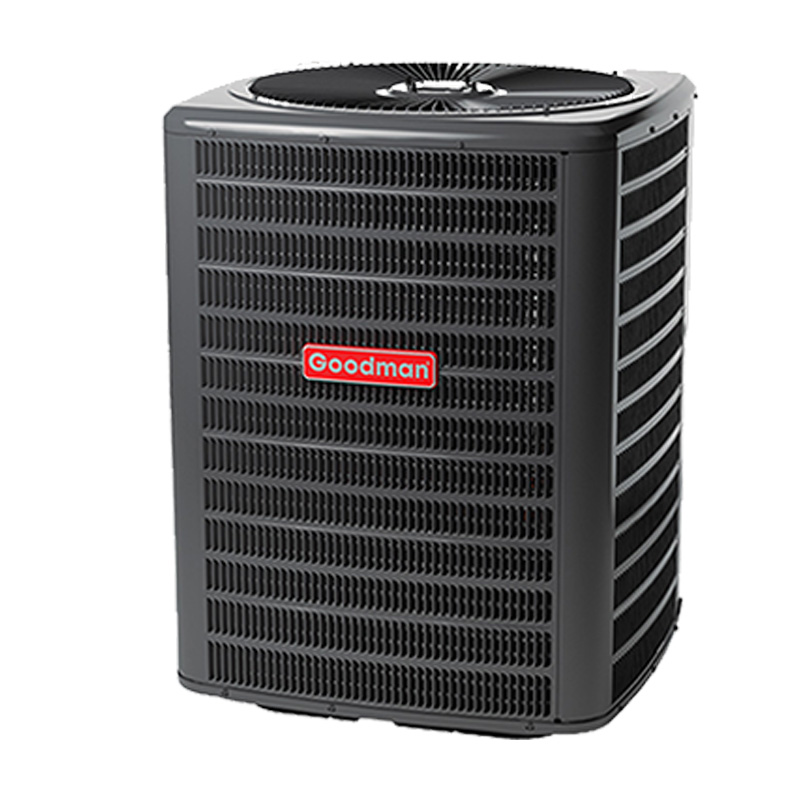
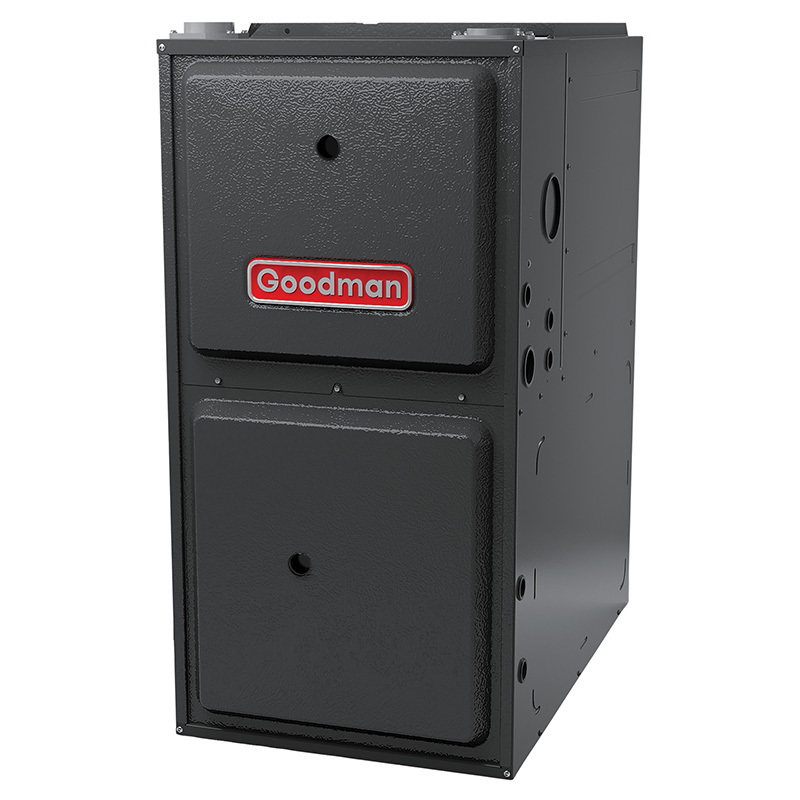
This Goodman four-ton system pairs a 13.4 SEER2 cooling system with a 120,000 BTU, 96% AFUE multi-speed ECM gas furnace configured for horizontal installation, making it a solid fit for attic or crawlspace setups in larger homes, typically 2,200 to 3,200 square feet depending on climate and insulation. The R-32 refrigerant is a newer, lower global-warming-potential option compared to R-410A, and the ECM blower motor improves airflow efficiency and reduces electricity consumption at the air handler stage versus a standard PSC motor.
The 96% AFUE rating means 96 cents of every dollar spent on gas converts to usable heat, placing this furnace in the high-efficiency tier and qualifying it for rebates in many utility districts. The multi-speed operation gives the system a bit more flexibility in balancing comfort and humidity control compared to single-speed equipment, though it does not match the precision of a fully variable-speed or two-stage setup. For homeowners in Sunbelt or mixed-climate regions who need serious cooling capacity and efficient winter heating, and who want to keep upfront costs in check, this system occupies a practical middle ground.
This Goodman system delivers legitimate high-efficiency heating and code-compliant cooling at a price point that undercuts major premium brands by 15 to 25 percent, making it a reasonable choice for budget-conscious buyers who understand they are trading some long-term reliability margin for upfront savings. The horizontal configuration limits install flexibility, and Goodman's real-world track record shows more owner complaints after year seven than comparable Trane or Carrier equipment. It is a workable system when installed carefully by an experienced technician, but not a set-and-forget purchase.
Overall score is the average of the five ratings above.
What we like
- Priced 15 to 25 percent below comparable Trane, Lennox, and Carrier systems
- 96% AFUE furnace qualifies for utility rebates in many regions
- ECM multi-speed motor reduces blower electricity consumption
- R-32 refrigerant is more environmentally friendly than R-410A
- Horizontal configuration is purpose-built for attic and crawlspace installs
Trade-offs
- Compressor lifespan averages 10 to 14 years, shorter than 15 to 20 years typical of premium brands
- Dual-run capacitor failures and evaporator coil leaks are the most documented recurring issues
- A minority of owners report refrigerant leaks in the first year, often tied to install or charge quality
- Performance is highly dependent on installer skill, more so than with premium equipment
What homeowners and pros say about Goodman
Homeowners who leave feedback on ConsumerAffairs give Goodman roughly 2.5 out of 5 stars, and that channel skews toward people motivated to complain, so the number reflects frustration more than a balanced sample. The recurring theme in those reviews is repair costs that climb noticeably after around year seven, with dual-run capacitor failures and evaporator coil leaks cited as the most common specific problems. Compressor longevity is another honest concern: Goodman compressors tend to average 10 to 14 years of service life, compared to 15 to 20 years that owners of premium brands more often report. A minority of buyers also describe refrigerant leaks within the first year, a pattern that HVAC technicians generally attribute to installation or initial refrigerant charge issues rather than a factory defect.
On Google, Goodman dealer reviews average around 3.8 out of 5 stars across hundreds of location-level reviews, and affordability is the most consistent reason buyers say they chose the brand. HVAC professionals broadly agree that Goodman equipment performs adequately when installed with care, and many technicians are candid that install quality is the single largest variable in how long any Goodman system lasts. For this specific four-ton horizontal system, the ECM multi-speed furnace and R-32 refrigerant represent genuine specification upgrades over bare-minimum equipment, but they do not change the underlying reality that Goodman trades some reliability margin for a lower purchase price. Buyers who schedule annual maintenance and budget for a capacitor or coil repair at some point tend to get reasonable service life from the brand.
Sources: ConsumerAffairs Goodman owner reviews, AHRI Directory of Certified Product Performance, U.S. DOE appliance and equipment efficiency standards, Goodman product specification sheets.
What it costs to run
At 13.4 SEER2, cooling this 4-ton system for a typical 1200-hour cooling season at the U.S. average electricity rate of $0.17/kWh works out to roughly $731 per year in cooling, about $0 less per year than a minimum-efficiency 13.4 SEER2 unit of the same size. Your real cost depends on your climate and local rate.
Method: (48,000 BTU/hr ÷ 13.4 SEER2) × 1200 hours ÷ 1000 × $0.17/kWh. Rate source: U.S. EIA average; cooling hours: moderate-climate estimate.
How it compares
| Brand | Comparable model | SEER2 | Stage | Price position |
|---|---|---|---|---|
| Goodman | GLXS4BA48 / GMVC96 Series (this system) | 13.4 | Multi-speed | Value pick |
| Carrier | Performance 13 Series (24ACC3) | 13.4 | Single-stage | Typically 15 to 25 percent more than this Goodman |
| Trane | XR13 Series | 13.4 | Single-stage | Typically 15 to 25 percent more than this Goodman |
| Lennox | Merit 13ACX Series | 13.4 | Single-stage | Typically 15 to 25 percent more than this Goodman |
Competitor rows are comparable single-stage units at similar efficiency; price is relative position, not a quote.
Questions about this system
Is 13.4 SEER2 good enough, or should I pay more for a higher-efficiency unit?
13.4 SEER2 meets the current federal minimum for most U.S. regions and will satisfy most buyers in moderate climates. If you are in a hot Southern climate and run cooling six or more months a year, a 16 or 18 SEER2 system can meaningfully reduce monthly utility bills, and the payback math is worth running before committing.
What does horizontal configuration mean, and does it affect how the system performs?
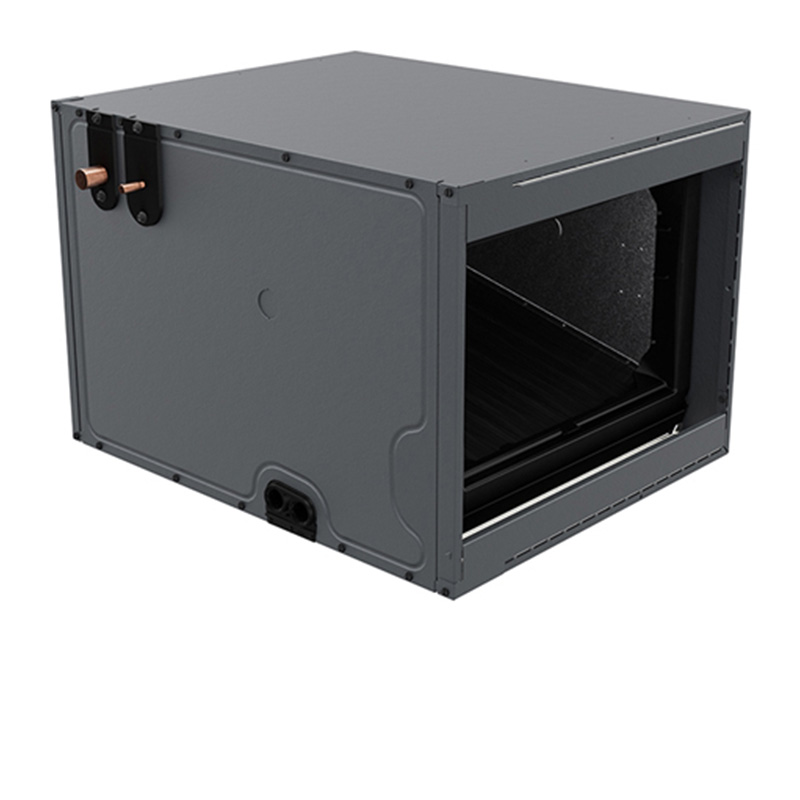
Horizontal means the air handler and coil are oriented on their side, which is standard for attic or crawlspace installs where there is no vertical clearance. Performance is not affected when installed correctly, but proper slope for condensate drainage is critical and something your installer must verify.
What are the most likely repair costs I should budget for over the first ten years?
Dual-run capacitor failure is the most commonly reported issue on Goodman equipment and typically runs 300 to 600 dollars to repair. Evaporator coil leaks and compressor issues become more probable after year seven based on owner reports, and compressor replacement on a four-ton unit can run into the thousands. Budgeting for a service contract or annual checkups is advisable.
Does this system work with my existing ductwork, or will I need modifications?
A four-ton system requires ductwork sized for roughly 1,600 CFM of airflow. Older systems that were smaller, or duct runs that were never properly sized, can cause pressure and comfort problems. Have your installer perform a Manual D duct calculation before assuming the existing ductwork is adequate.
What warranty comes with this Goodman system, and are there conditions I need to meet?
Goodman typically offers a 10-year parts warranty when the equipment is registered within a specified window after installation, often 60 days. Failure to register usually drops coverage to five years, and the warranty generally requires installation by a licensed HVAC contractor. Review the specific warranty card included with your unit to confirm terms, as coverage details can vary by model and region.
Specifications
| Cooling capacity | 4 Ton |
| Efficiency | 13.4 SEER2 |
| Furnace output | 120000 BTU |
| Furnace efficiency | 96% AFUE |
| Configuration | Horizontal |
| Refrigerant | R-32 |