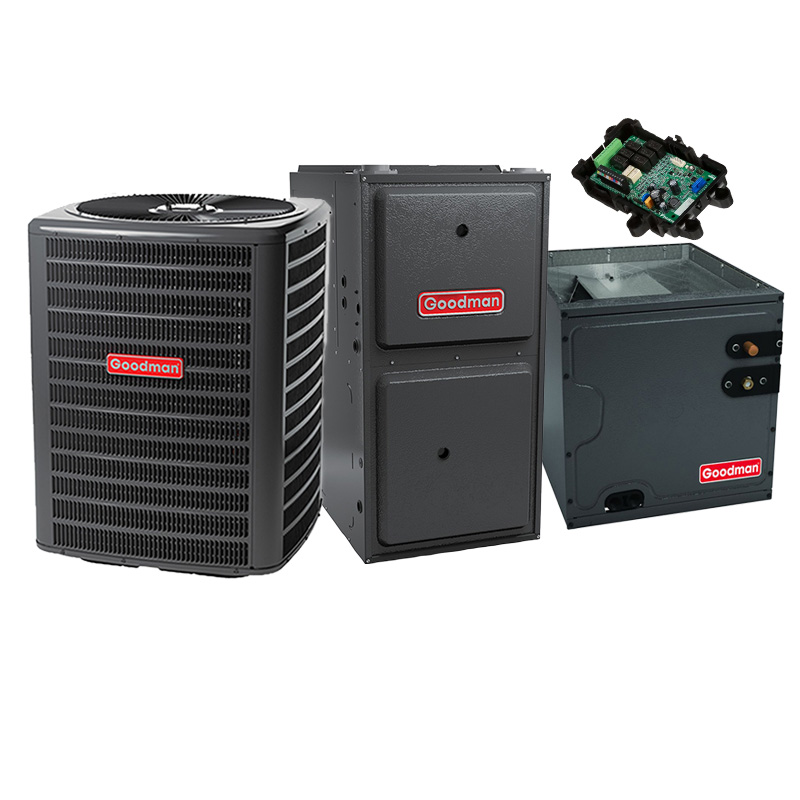
Goodman 4 Ton 13.4 SEER2 80000 BTU 96% AFUE Gas Furnace With R32 Air Condenser and Coil System – Upflow
View on AC Direct see your lowest price →Check current price on AC Direct →
Key features
- 4-ton cooling capacity rated at 13.4 SEER2 for baseline efficiency compliance in most U.S. regions
- 80,000 BTU gas furnace at 96% AFUE, single-stage heat, upflow configuration
- R-32 refrigerant with lower global-warming potential than R-410A; requires certified installer
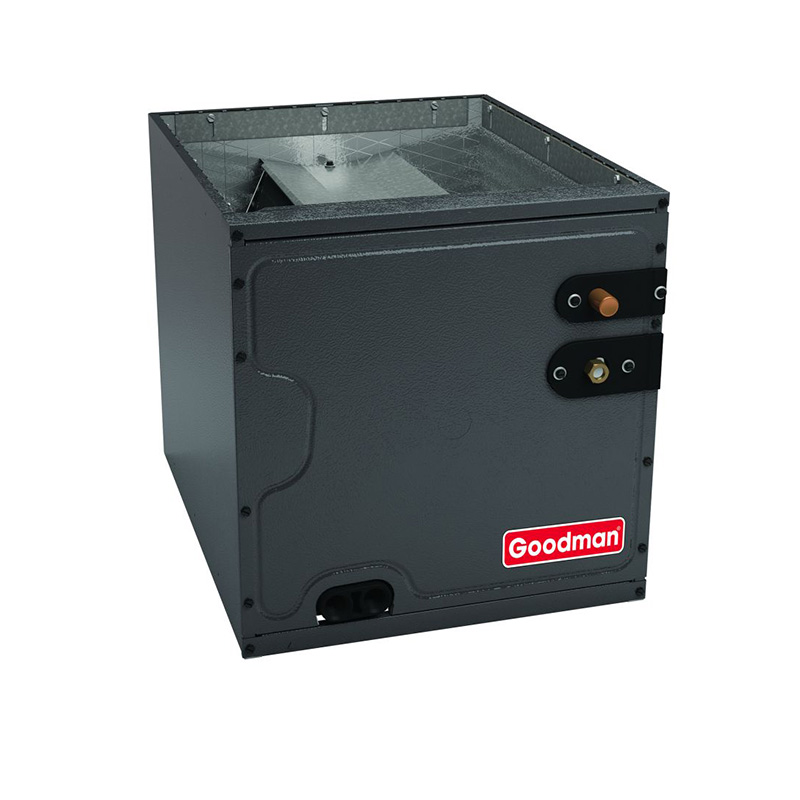
- Matched evaporator coil included, pre-selected for this condenser to protect AHRI ratings
- Single-stage cooling and heating operation keeps equipment cost and control wiring simple
- Goodman factory warranty requires registered installation by a licensed contractor within a set window
About this system
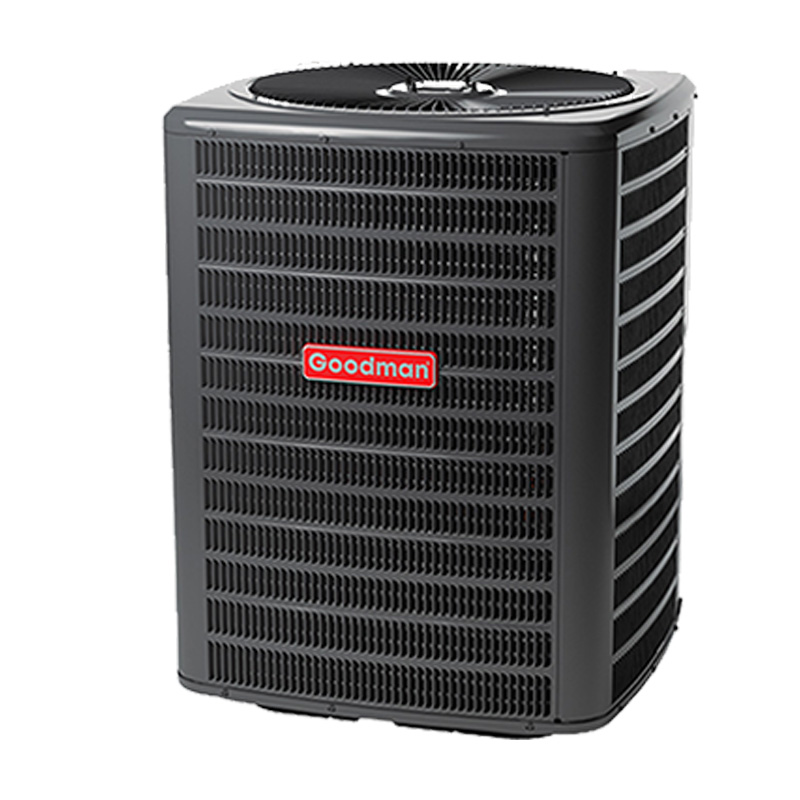
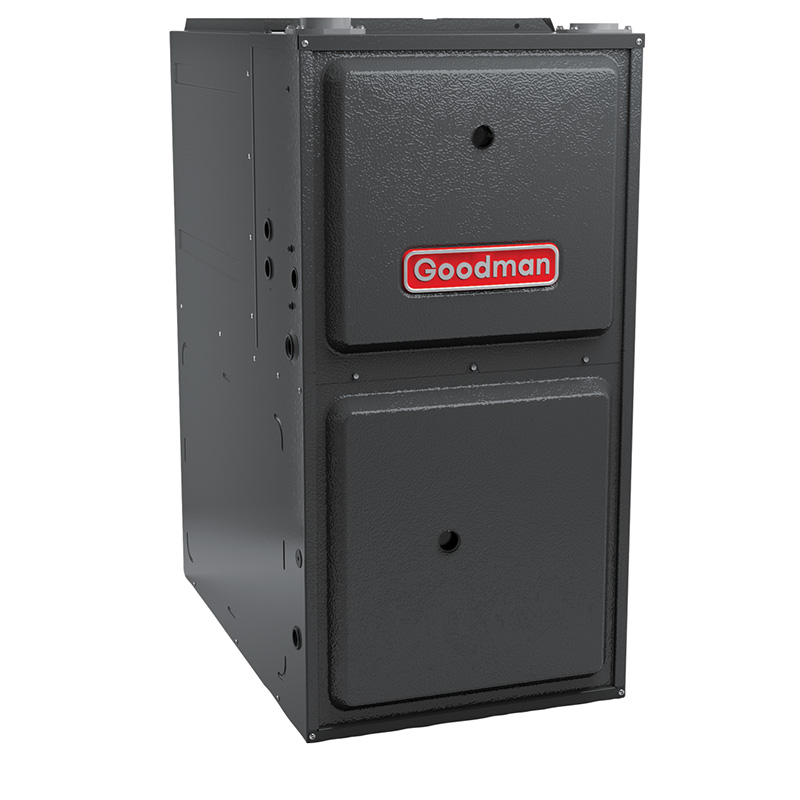
This Goodman 4-ton combo system pairs a 13.4 SEER2 R-32 air condenser and matching evaporator coil with an 80,000 BTU, 96% AFUE upflow gas furnace. At 4 tons, the cooling side is sized for roughly 1,800 to 2,400 square feet depending on your climate, insulation, and window load. The 96% AFUE furnace sits in the top efficiency tier for single-stage gas heat, meaning only about four cents of every dollar in gas goes out the flue. R-32 refrigerant carries a lower global-warming potential than the R-410A it replaces, and it operates at slightly higher pressure, so installers need R-32 certification and proper recovery equipment before touching this system.
The upflow configuration sends conditioned air upward from the furnace cabinet, which suits basements and utility closets where the ductwork runs above the equipment. Single-stage operation on both the furnace and condenser means the system is either fully on or fully off, which keeps the purchase price down but can produce more humidity swings and temperature cycling than a two-stage or variable-capacity unit in humid climates. Buyers who want a solid, no-frills system at a price well below premium brands, and who are committed to pairing it with a skilled installer, are the primary audience here.
This Goodman combo delivers solid 96% AFUE heat and code-compliant 13.4 SEER2 cooling at a price 15 to 25 percent below comparable Carrier, Trane, and Lennox systems, making it a realistic choice for budget-conscious homeowners who prioritize upfront cost. The trade-off is a documented pattern of capacitor failures, evaporator coil leaks, and compressor lifespans that trail premium brands by several years, so long-term ownership costs can close part of that initial gap. Install quality matters more with Goodman than with premium brands, so choosing a careful, experienced HVAC contractor is not optional here.
Overall score is the average of the five ratings above.
What we like
- Purchase price runs roughly 15 to 25 percent below comparable Trane, Lennox, and Carrier systems
- 96% AFUE furnace cuts gas waste to about 4 cents per dollar, keeping heating bills competitive
- R-32 refrigerant reduces environmental impact compared to the R-410A systems it replaces
- Matched coil and condenser ship together, protecting AHRI efficiency ratings and simplifying ordering
- Single-stage controls are straightforward to wire and service, keeping labor costs lower on maintenance visits
Trade-offs
- Dual-run capacitors are the most frequently reported failure, typically costing 300 to 600 dollars to fix, and tend to recur after year 7
- Evaporator coil leaks show up in a meaningful share of owner reports, which can mean refrigerant loss and costly repairs
- Compressor lifespan averages 10 to 14 years versus 15 to 20 for premium-brand compressors, affecting total cost of ownership
- Single-stage operation provides less precise humidity and temperature control than two-stage or variable-capacity alternatives in hot, humid climates
What homeowners and pros say about Goodman
Homeowners who post about Goodman equipment tend to split along a clear line: those who had a careful installation report years of trouble-free operation and point to the lower purchase price as a genuine win, while those who ran into problems early cite repair costs that felt disproportionate to what they paid. On ConsumerAffairs, Goodman scores around 2.5 out of 5, a platform where frustrated owners are far more likely to post than satisfied ones, and the recurring complaint is that repair costs accelerate after roughly year 7. Google dealer reviews land higher, around 3.8 out of 5, where affordability is the most common praise. The specific failure modes that appear repeatedly in owner accounts are dual-run capacitor failures (a relatively inexpensive fix at 300 to 600 dollars but one that tends to recur), evaporator coil leaks, and a compressor lifespan that averages 10 to 14 years rather than the 15 to 20 years more common with premium brands. A minority of owners also report refrigerant leaks in the first year, which industry technicians generally attribute to install or initial charge issues rather than a factory defect.
HVAC professionals who work on Goodman equipment frequently echo a consistent point: the brand’s real variable is the installer, not the nameplate. A well-matched, properly charged, and carefully commissioned Goodman system can deliver reliable service for a decade or more, while a rushed or under-qualified installation accelerates every one of the documented failure patterns. For this 4-ton R-32 system specifically, that installer dependency is heightened by the R-32 refrigerant, which requires certification and proper handling equipment that not every shop carries yet. Contractors who do R-32 work regularly tend to be more current on commissioning practices overall, which is one practical reason to use R-32 certification as a screening question when selecting your installer for this system.
Sources: ConsumerAffairs Goodman owner reviews, AHRI Directory of Certified Product Performance, U.S. DOE appliance and equipment efficiency standards, Goodman product specification sheets.
What it costs to run
At 13.4 SEER2, cooling this 4-ton system for a typical 1200-hour cooling season at the U.S. average electricity rate of $0.17/kWh works out to roughly $731 per year in cooling, about $0 less per year than a minimum-efficiency 13.4 SEER2 unit of the same size. Your real cost depends on your climate and local rate.
Method: (48,000 BTU/hr ÷ 13.4 SEER2) × 1200 hours ÷ 1000 × $0.17/kWh. Rate source: U.S. EIA average; cooling hours: moderate-climate estimate.
How it compares
| Brand | Comparable model | SEER2 | Stage | Price position |
|---|---|---|---|---|
| Goodman | 4-Ton 13.4 SEER2 / 96% AFUE Upflow Combo (this system) | 13.4 | Single-stage | Value pick |
| Carrier | Comfort 24ACC6 / 58SB0 series | 13.4–14.0 | Single-stage | Typically 15 to 25 percent more than this Goodman system |
| Trane | XR13c / S9X1 series | 13.4–14.0 | Single-stage | Typically 15 to 25 percent more than this Goodman system |
| Lennox | Merit ML14XC1 / ML196E series | 13.4–14.3 | Single-stage | Typically 15 to 25 percent more than this Goodman system |
Competitor rows are comparable single-stage units at similar efficiency; price is relative position, not a quote.
Questions about this system
Does my installer need any special certification to work with R-32 refrigerant?
Yes. R-32 is classified as a mildly flammable (A2L) refrigerant, so technicians need specific R-32 or A2L handling certification and compatible recovery equipment. Not every HVAC contractor is currently set up for it, so confirm certification before scheduling installation.
What does the Goodman warranty actually cover, and are there conditions I need to meet?
Goodman's warranty terms require the system to be registered by a licensed contractor within a specified window after installation, and coverage periods differ between registered and unregistered units. Read the warranty certificate that ships with this specific model, because coverage tiers and labor inclusion vary and the details matter for a system at this price point.
How likely is a capacitor failure, and what does it cost to fix?
Dual-run capacitor failure is the most commonly documented repair on Goodman equipment, with many owners reporting it after roughly year 7. The repair is generally straightforward and typically runs 300 to 600 dollars including labor, so it is not catastrophic, but budgeting for it as a likely maintenance item is realistic.
Will this 4-ton, single-stage system handle humidity control well in a hot, humid climate?
Single-stage cooling runs at full capacity whenever it is on and shuts off completely when the setpoint is reached, which means shorter run cycles during mild weather and less dehumidification time compared to two-stage or variable-capacity systems. In consistently hot weather the system runs longer cycles and performs reasonably, but homeowners in persistently humid regions often find that a two-stage or variable unit does a noticeably better job managing indoor moisture.
How does Goodman's compressor lifespan compare to premium brands, and does that affect the value calculation?
Based on documented owner experience and industry data, Goodman compressors tend to average 10 to 14 years, while premium brands like Trane, Lennox, and Carrier typically reach 15 to 20 years. Over a full ownership period, the higher repair or replacement costs in years 10 through 15 can shrink or erase the initial price advantage, which is worth factoring into your decision if you intend to stay in the home long-term.
Specifications
| Cooling capacity | 4 Ton |
| Efficiency | 13.4 SEER2 |
| Furnace output | 80000 BTU |
| Furnace efficiency | 96% AFUE |
| Configuration | Upflow |
| Refrigerant | R-32 |