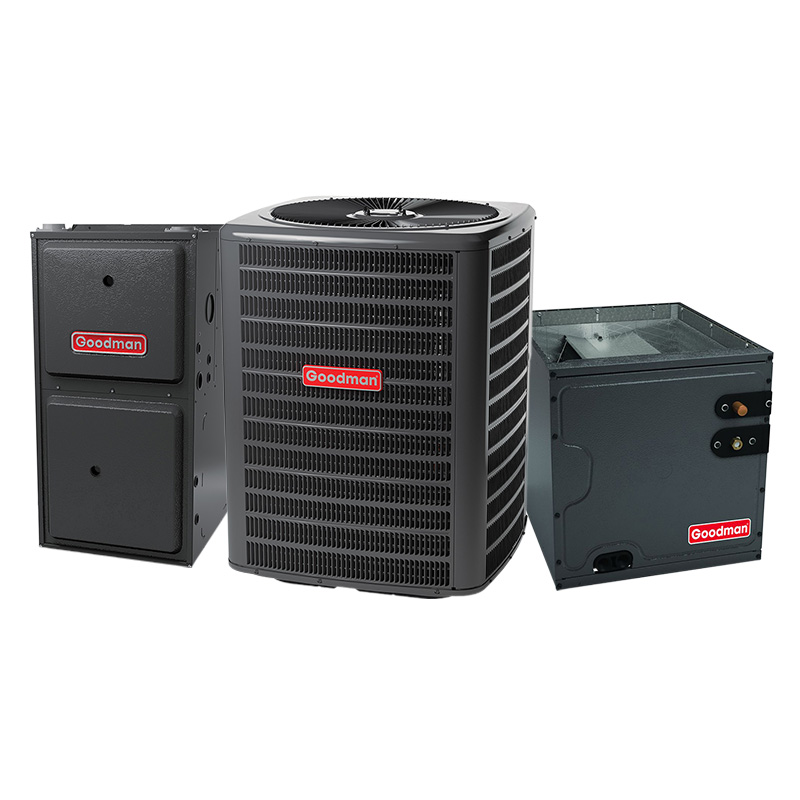
Goodman 4 Ton 13.4 SEER2 AC & Gas Furnace System – Multi-Speed, 80000 BTU Gas Furnace, 92% AFUE, Upflow, R32
View on AC Direct see your lowest price →Check current price on AC Direct →
Key features
- 4-ton cooling capacity with 13.4 SEER2 efficiency rating
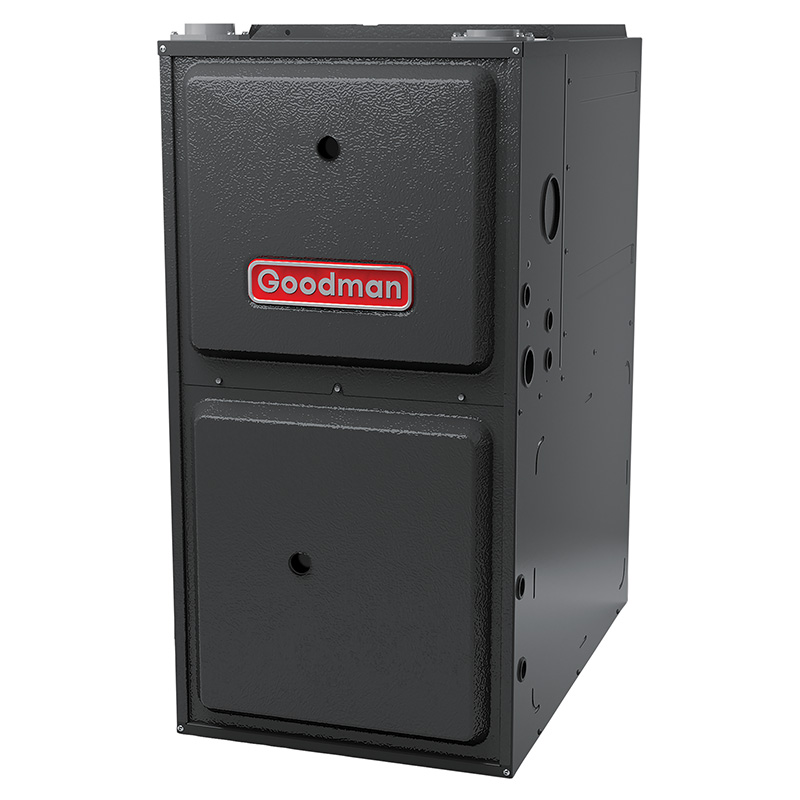
- 80,000 BTU upflow gas furnace at 92% AFUE
- Multi-speed furnace blower for quieter, more even airflow
- R-32 refrigerant, lower global-warming potential than R-410A
- Upflow configuration for basement or ground-level mechanical room installs
- Goodman lifetime compressor limited warranty with registration requirement
About this system
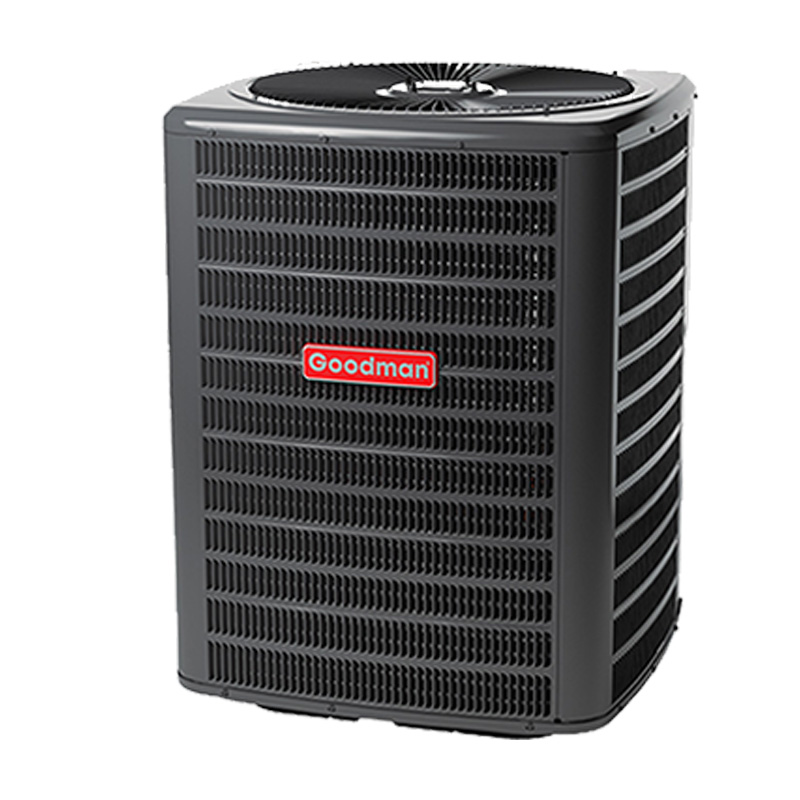
The Goodman GLXS3BN4810D pairs a 4-ton, 13.4 SEER2 single-stage air conditioner with an 80,000 BTU upflow gas furnace rated at 92% AFUE. That efficiency combination sits at the entry-to-mid tier: the AC clears the current federal minimum for most northern and some southern climate zones, and the 92% AFUE furnace keeps roughly 92 cents of every fuel dollar as usable heat, which is a meaningful step above older 80% units without reaching the cost and complexity of condensing furnaces pushing 96% or higher. R-32 refrigerant is the newer standard, carrying a lower global-warming potential than R-410A and positioning this system ahead of refrigerant-phase-out regulations already unfolding in the industry.
This configuration suits homeowners replacing aging equipment in a forced-air home where ductwork runs in a basement or mechanical room that allows upflow discharge, the furnace blows air upward into the supply plenum. The 4-ton capacity targets roughly 1,800 to 2,400 square feet of well-insulated space, though actual sizing should always come from a Manual J load calculation performed by your installer, not from square footage rules of thumb. The multi-speed blower on the furnace gives modest comfort advantages over true single-speed units, allowing quieter low-demand operation and slightly better humidity control compared to a blower running at one fixed speed.
Buyers choosing this system are typically prioritizing upfront cost over long-term premium performance. Goodman prices this equipment 15 to 25 percent below comparable Trane, Lennox, and Carrier systems, and that gap is real money on a full system replacement. The trade-off is a documented reliability record that trails premium brands, particularly after the seven-year mark, and compressor longevity that averages 10 to 14 years versus the 15 to 20 years typical of higher-tier equipment. For a budget-conscious homeowner planning a 10 to 12 year ownership horizon, or a landlord managing operating costs on a rental property, this system represents a rational, eyes-open choice.
The Goodman GLXS3BN4810D is a straightforward, budget-friendly system that delivers code-compliant efficiency and adequate comfort for homeowners who need to control upfront costs. It performs well when properly installed and maintained, but its track record shows reliability weaknesses after year seven and compressor longevity below what premium brands typically deliver. Going in with clear expectations and budgeting for eventual capacitor and coil service calls is the honest way to own this equipment.
Overall score is the average of the five ratings above.
What we like
- Priced 15 to 25 percent below comparable Carrier, Trane, and Lennox systems, a real dollar savings at purchase
- 92% AFUE furnace meaningfully reduces heating fuel consumption versus older 80% units
- R-32 refrigerant is forward-compatible with evolving refrigerant regulations
- Multi-speed blower improves comfort and noise levels over single-speed alternatives at this price point
- Lifetime compressor limited warranty (with registration) provides some long-term coverage backstop
Trade-offs
- Dual-run capacitors are the most frequently reported failure point, typically appearing in years five through ten and costing $300 to $600 per service call
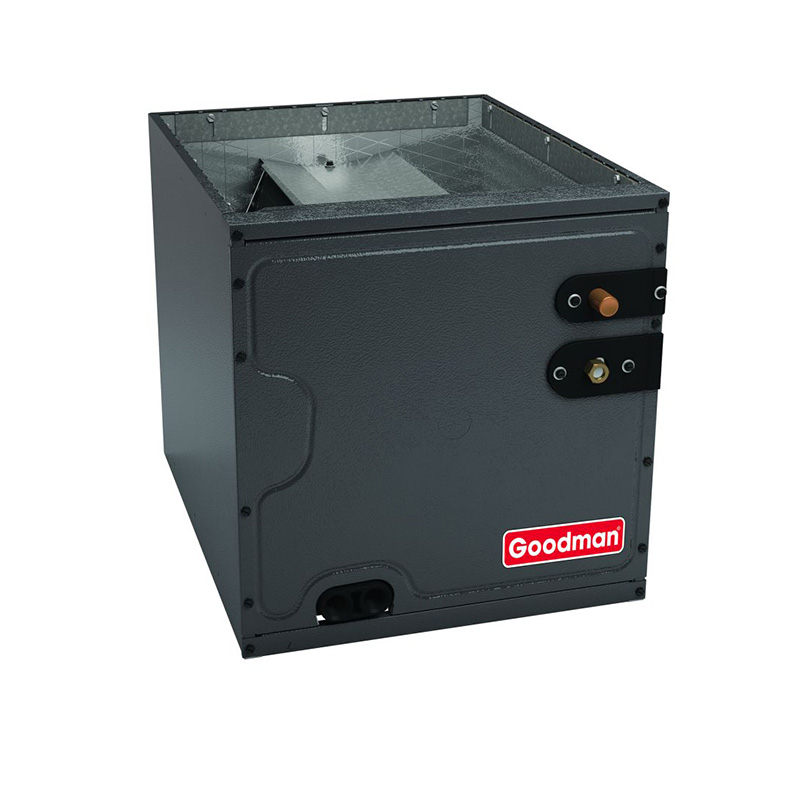
- Evaporator coil leaks appear in a meaningful share of owner reports, a potentially costly repair if it occurs outside warranty
- Compressor lifespan averages 10 to 14 years, noticeably shorter than the 15 to 20 years documented for premium brand compressors
- A minority of owners have reported refrigerant leaks within the first year, most often traced to install or factory charge issues rather than the unit itself, making installer quality critical
What homeowners and pros say about Goodman
Homeowners who have lived with Goodman equipment for several years tend to split into two camps, and the dividing line is usually around the seven-year mark. Earlier in ownership, the most common sentiment mirrors the Google dealer review average of around 3.8 out of 5: the system works, the price was right, and the monthly utility bills are reasonable. The 92% AFUE furnace draws consistent praise from owners who traded in older 80% units and saw a noticeable drop in heating costs. The ConsumerAffairs rating tells a different story, sitting at roughly 2.5 out of 5, and the context matters: that platform over-represents owners who are frustrated enough to write a review, and the recurring theme in those complaints is repair bills climbing after year seven, particularly around the dual-run capacitors that are the most commonly reported component failure on Goodman equipment. At $300 to $600 per capacitor service call, that is a manageable one-time expense, but owners who have had multiple calls describe it as a slow erosion of the original savings.
HVAC technicians are more measured in their assessment. The consistent professional observation is that Goodman performs at its rating when the installation is done correctly, including proper refrigerant charge, correctly sized line sets, and a load calculation that matches the equipment to the home. The first-year refrigerant leaks that a minority of owners have reported are almost always attributed to installer error rather than the factory unit. Coil leaks are a documented concern that shows up in owner accounts with enough frequency to take seriously, and compressor longevity averaging 10 to 14 years sits below the 15 to 20 years that premium brands tend to deliver. Technicians who recommend Goodman do so for clients where budget is the primary constraint and who understand they are accepting a higher probability of component service over the system’s life in exchange for a lower entry cost. That is an honest trade-off, not a hidden one.
Sources: ConsumerAffairs Goodman owner reviews, AHRI Directory of Certified Product Performance, U.S. DOE appliance and equipment efficiency standards, Goodman product specification sheets.
What it costs to run
At 13.4 SEER2, cooling this 4-ton system for a typical 1200-hour cooling season at the U.S. average electricity rate of $0.17/kWh works out to roughly $731 per year in cooling, about $0 less per year than a minimum-efficiency 13.4 SEER2 unit of the same size. Your real cost depends on your climate and local rate.
Method: (48,000 BTU/hr ÷ 13.4 SEER2) × 1200 hours ÷ 1000 × $0.17/kWh. Rate source: U.S. EIA average; cooling hours: moderate-climate estimate.
How it compares
| Brand | Comparable model | SEER2 | Stage | Price position |
|---|---|---|---|---|
| Goodman | GLXS3BN4810D | 13.4 | Single-stage | Value pick |
| Carrier | Comfort 13 (24ACC3) with 58MXA furnace | 13.4 | Single-stage | Typically 15 to 25 percent more than Goodman |
| Trane | XR13c with S8X1 furnace | 13.4 | Single-stage | Typically 15 to 25 percent more than Goodman |
| Lennox | Merit 13ACX with ML180 furnace | 13.4 | Single-stage | Typically 15 to 25 percent more than Goodman |
Competitor rows are comparable single-stage units at similar efficiency; price is relative position, not a quote.
Questions about this system
Does this system qualify for the federal energy efficiency tax credit?
The 13.4 SEER2 cooling side meets the minimum threshold for the 25C tax credit in northern climate zones for ducted systems, and the 92% AFUE furnace qualifies on its own. You should confirm your specific climate zone eligibility with a tax professional, as requirements differ by region and can change annually.
What is the actual warranty coverage, and what do I have to do to get it?
Goodman requires product registration within 60 days of installation to unlock the full warranty, which includes a lifetime compressor limited warranty and a 10-year parts limited warranty for the registered owner. Without registration, coverage drops to a much shorter base warranty, so registration is not optional if you want full protection.
How important is the installer I choose for this system?
Very important, more so than with premium brands. HVAC technicians consistently cite install quality as the primary driver of how long a Goodman system lasts, and the documented first-year refrigerant leak issue on some units is typically traced to improper charge or line set handling at install rather than a factory defect. Choosing an experienced, licensed contractor who performs a proper Manual J load calculation is worth the extra vetting time.
Is the upflow configuration right for my home, and can the furnace be converted?
Upflow means the furnace draws return air from the bottom and discharges conditioned air upward into the supply plenum, which is correct for most basement and ground-level closet installs where ductwork runs above the unit. This model is not field-convertible to downflow or horizontal; if your application requires a different orientation, you need a different model, so confirm your duct layout with your installer before purchasing.
What does R-32 refrigerant mean for me as an owner compared to older R-410A systems?
R-32 has a lower global-warming potential and is part of the industry shift away from R-410A, which is being phased down under current EPA regulations. For you practically, it means this system is unlikely to face the refrigerant availability or cost issues that older R-22 and eventually R-410A owners will encounter. If a technician needs to add refrigerant, they will need R-32 certified equipment, so confirm your service contractor is equipped for it.
Specifications
| Cooling capacity | 4 Ton |
| Efficiency | 13.4 SEER2 |
| Furnace output | 80000 BTU |
| Furnace efficiency | 92% AFUE |
| Configuration | Upflow |
| Refrigerant | R-32 |
| Model | GLXS3BN4810D |