Goodman 4 Ton 13.6 SEER2 100000 BTU 80% Two-Stage Variable Speed Gas Furnace With R32 AC Condenser And Coil System – Horizontal
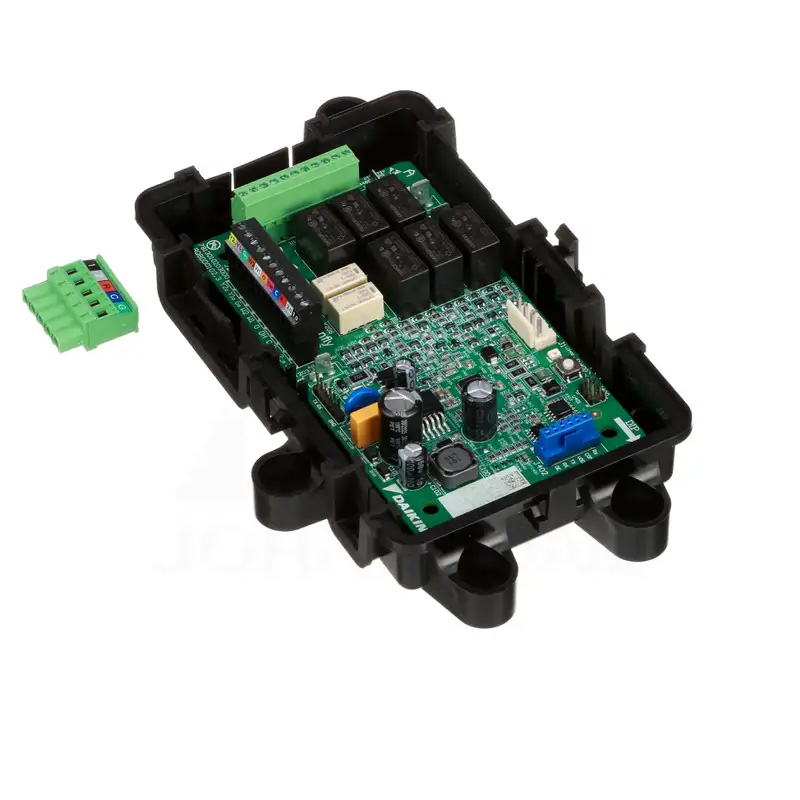
View on AC Direct see your lowest price →Check current price on AC Direct →
Key features
- Horizontal coil orientation for attic, crawlspace, or side-discharge installations
- 13.6 SEER2 cooling efficiency meets current federal minimum standards
- 100,000 BTU two-stage gas furnace rated at 80% AFUE
- Variable-speed air handler for quieter operation and improved humidity control
- R-32 refrigerant with lower global warming potential than R-410A
- Factory-matched system components for simplified coil and condenser compatibility
About this system
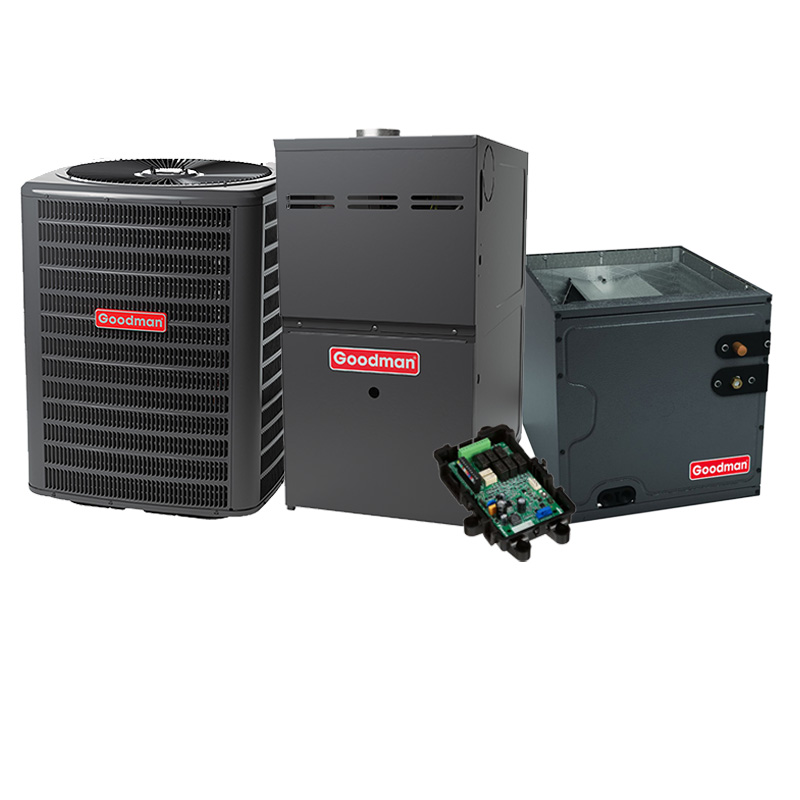
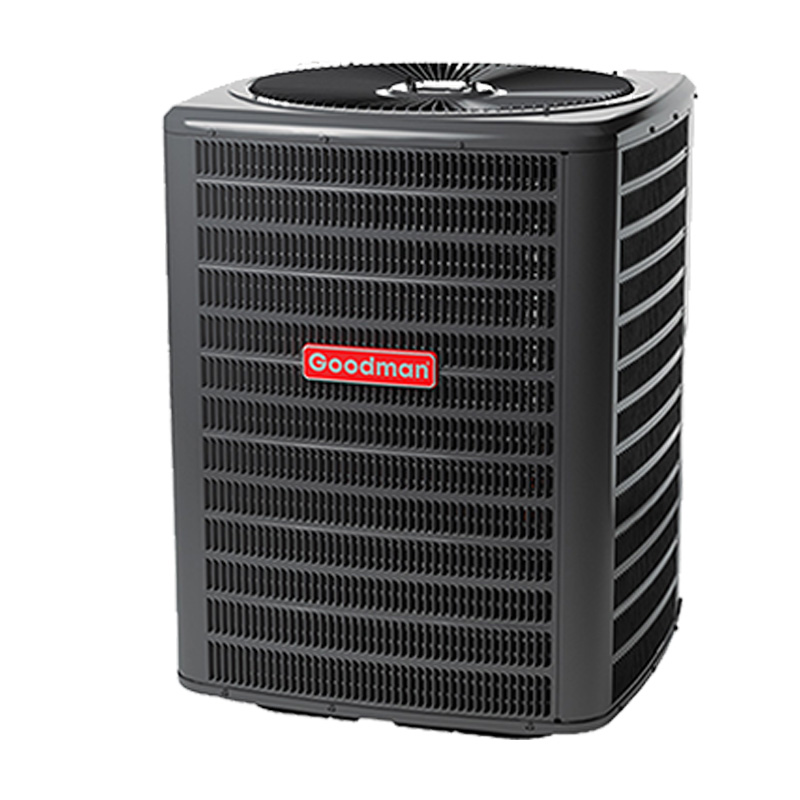
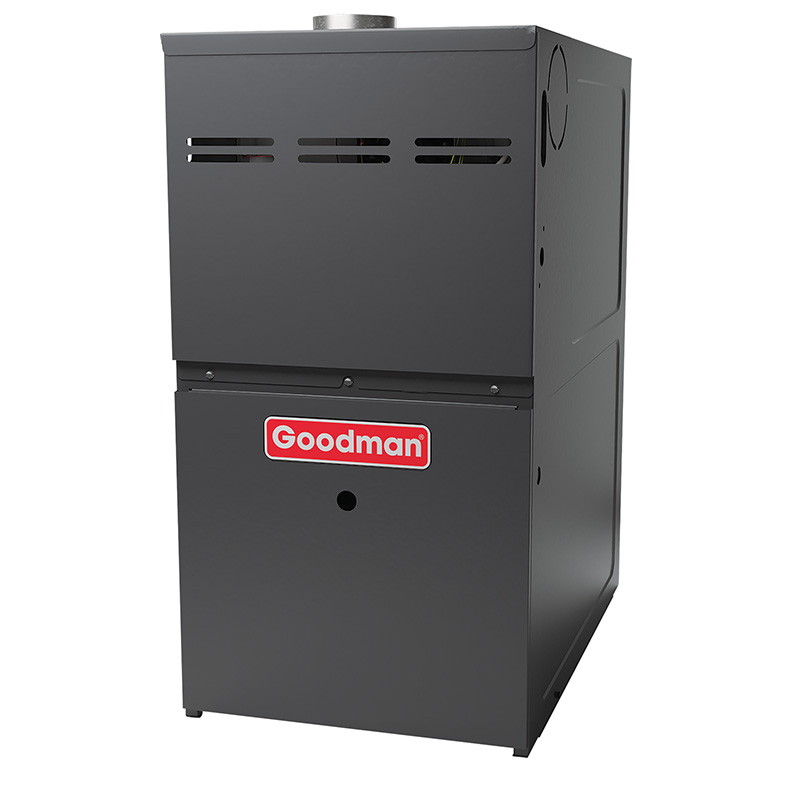
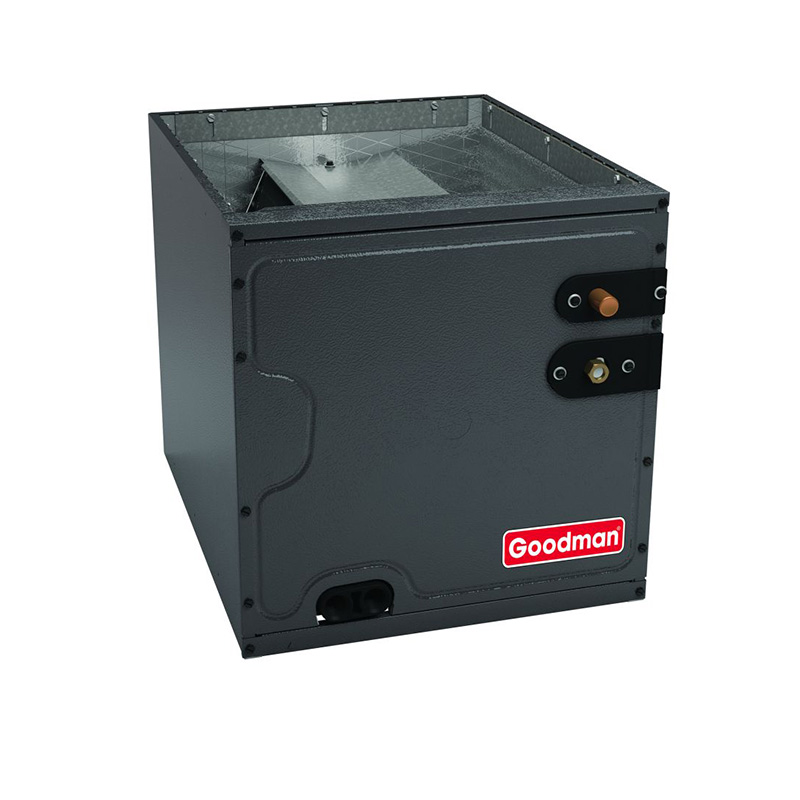
This Goodman horizontal system bundles a 4-ton R-32 AC condenser, a matched evaporator coil, and a 100,000 BTU 80% AFUE two-stage variable-speed gas furnace into a single purchase. The horizontal coil configuration is the key detail here: it is built for attic or crawlspace installs where vertical airflow is not possible, making it a practical fit for ranch homes, manufactured housing, and certain additions where duct runs run laterally rather than straight up. If your mechanical space is tight or sits above a finished ceiling, this orientation saves the installer significant rework.
The 13.6 SEER2 rating sits at the current federal minimum tier for most U.S. climate regions, which means you are meeting code but not exceeding it. That is an honest trade-off: the efficiency is adequate for moderate climates or budget-conscious buyers, but homeowners in hot southern states who run their AC for six or more months a year will likely see a real payback advantage with a higher-SEER2 unit over a decade of use. The two-stage furnace and variable-speed air handler add comfort value beyond the efficiency number, delivering quieter operation, more even temperatures, and better humidity control than a single-stage setup at a similar price point.
R-32 refrigerant is a forward-looking choice. It carries a lower global warming potential than the older R-410A it is replacing, and as the industry transitions, R-32 equipment should remain serviceable longer into the future without refrigerant sourcing headaches. Goodman prices this system notably below comparable Trane, Lennox, and Carrier configurations, which is its central appeal, but that cost advantage comes with trade-offs in long-term reliability that buyers should weigh honestly before committing.
This system is a competent, budget-accessible option for buyers who need a horizontal configuration and want two-stage comfort features without paying premium-brand prices. The 13.6 SEER2 rating is baseline, not impressive, and Goodman's documented reliability record means long-term ownership costs can close the gap on initial savings. It earns its place when installed correctly by an experienced technician, but it is not the right call for buyers who want to install and forget.
Overall score is the average of the five ratings above.
What we like
- Horizontal coil configuration serves attic and crawlspace installs that other systems cannot handle without modification
- Two-stage furnace and variable-speed blower deliver noticeably more even comfort than single-stage alternatives at this price point
- Priced 15 to 25 percent below comparable Carrier, Trane, and Lennox systems, lowering the upfront barrier
- R-32 refrigerant positions the system well for long-term serviceability as R-410A is phased out
- Factory-matched coil and condenser simplify equipment selection and reduce compatibility guesswork
Trade-offs
- 13.6 SEER2 is the minimum efficiency tier, meaning operating costs will be higher than mid- or high-efficiency alternatives in warm climates
- Dual-run capacitors are a documented recurring failure point, and evaporator coil leaks appear in a meaningful share of owner reports
- Compressor lifespan averages 10 to 14 years versus 15 to 20 years for premium brands, which matters for total cost of ownership calculations
- A minority of owners report refrigerant leaks in the first year, typically traced to installation or charge issues, so technician quality is not optional
What homeowners and pros say about Goodman
Homeowners discussing Goodman online tend to split along a familiar line: those who got a careful install from a seasoned technician often report years of trouble-free operation and praise the value, while those who had a rushed or low-bid install tell a different story. On ConsumerAffairs, Goodman scores around 2.5 out of 5, a platform where dissatisfied owners are more likely to post than satisfied ones, and the recurring theme is repair costs that start climbing after roughly year 7. Google dealer reviews land considerably higher, around 3.8 out of 5 across hundreds of location-level reviews, where affordability is consistently the most cited reason buyers chose the brand. Neither number tells the full story on its own.
Among HVAC technicians, the most common complaint is the dual-run capacitor, a documented failure point that typically costs 300 to 600 dollars to fix and shows up on a lot of service trucks. Evaporator coil leaks are a secondary concern that appears often enough in owner reports to take seriously, and compressor longevity averaging 10 to 14 years falls short of the 15 to 20 years technicians associate with Carrier, Trane, and Lennox compressors. A minority of first-year refrigerant leak reports rounds out the picture. For this specific horizontal system, the install complexity is a real factor: horizontal applications are less forgiving of sloppy refrigerant charging and coil seating, which means the brand’s well-known sensitivity to install quality matters even more here than it does on a standard upflow setup.
Sources: ConsumerAffairs Goodman owner reviews, AHRI Directory of Certified Product Performance, U.S. DOE appliance and equipment efficiency standards, Goodman product specification sheets.
What it costs to run
At 13.6 SEER2, cooling this 4-ton system for a typical 1200-hour cooling season at the U.S. average electricity rate of $0.17/kWh works out to roughly $720 per year in cooling, about $11 less per year than a minimum-efficiency 13.4 SEER2 unit of the same size. Your real cost depends on your climate and local rate.
Method: (48,000 BTU/hr ÷ 13.6 SEER2) × 1200 hours ÷ 1000 × $0.17/kWh. Rate source: U.S. EIA average; cooling hours: moderate-climate estimate.
How it compares
| Brand | Comparable model | SEER2 | Stage | Price position |
|---|---|---|---|---|
| Goodman | 4 Ton 13.6 SEER2 / 100K BTU 80% Two-Stage Variable Speed Horizontal | 13.6 | Two-stage | Value pick |
| Carrier | Comfort Series 24ACC636 with 58TP furnace | 14.3 | Single-stage | 10 to 20 percent above this Goodman system |
| Trane | XR15 4TTR5048 with S9V2 furnace | 15.0 | Two-stage | 20 to 30 percent above this Goodman system |
| Lennox | Merit Series 14ACX with ML196 furnace | 13.4 | Single-stage | 15 to 25 percent above this Goodman system |
Competitor rows are comparable single-stage units at similar efficiency; price is relative position, not a quote.
Questions about this system
Why does this system use a horizontal coil instead of a standard upflow or downflow coil?
A horizontal coil is designed for installations where the air handler or furnace lies on its side, which is common in attic spaces, crawlspaces, and utility closets with limited vertical clearance. If your ductwork runs laterally and your mechanical space is on its side, a horizontal coil is the correct configuration. Installing a vertical coil in a horizontal application will cause drainage and airflow problems.
Is 13.6 SEER2 going to cost me more in electricity compared to a higher-efficiency unit?
Yes, meaningfully so if you live in a hot climate with long cooling seasons. The difference between a 13.6 SEER2 and a 17 or 18 SEER2 unit can translate to real annual savings on electric bills, and over 10 to 15 years that gap can approach or exceed the initial price difference. If you are in a mild climate with shorter summers, the payback period lengthens and the 13.6 SEER2 becomes more defensible.
What is the typical repair cost if a capacitor fails on this system?
Dual-run capacitor replacement is one of the most common service calls on Goodman equipment and is also one of the least expensive to fix. Most homeowners report repair bills in the 300 to 600 dollar range for parts and labor. It is a quick repair when caught early, but ignoring a failing capacitor can allow it to damage the compressor, which is a far more costly outcome.
Does R-32 refrigerant require any special handling compared to R-410A?
R-32 is mildly flammable, which means technicians need specific A2L certification and appropriate tools to service it safely. Most professional HVAC contractors are already trained for this as the industry transitions away from R-410A. For the homeowner, the practical difference is minimal, but you should confirm your service contractor is A2L-certified before scheduling any refrigerant work.
What warranty comes with this Goodman system, and are there conditions I need to meet?
Goodman typically offers a 10-year parts warranty on registered equipment, which requires product registration within a set window after installation, usually 60 days. Failure to register generally drops coverage to a shorter baseline period. The warranty covers parts but not labor, so out-of-pocket repair costs during the warranty period can still be significant if a technician visit is required.
Specifications
| Cooling capacity | 4 Ton |
| Efficiency | 13.6 SEER2 |
| Furnace output | 100000 BTU |
| Configuration | Horizontal |
| Refrigerant | R-32 |