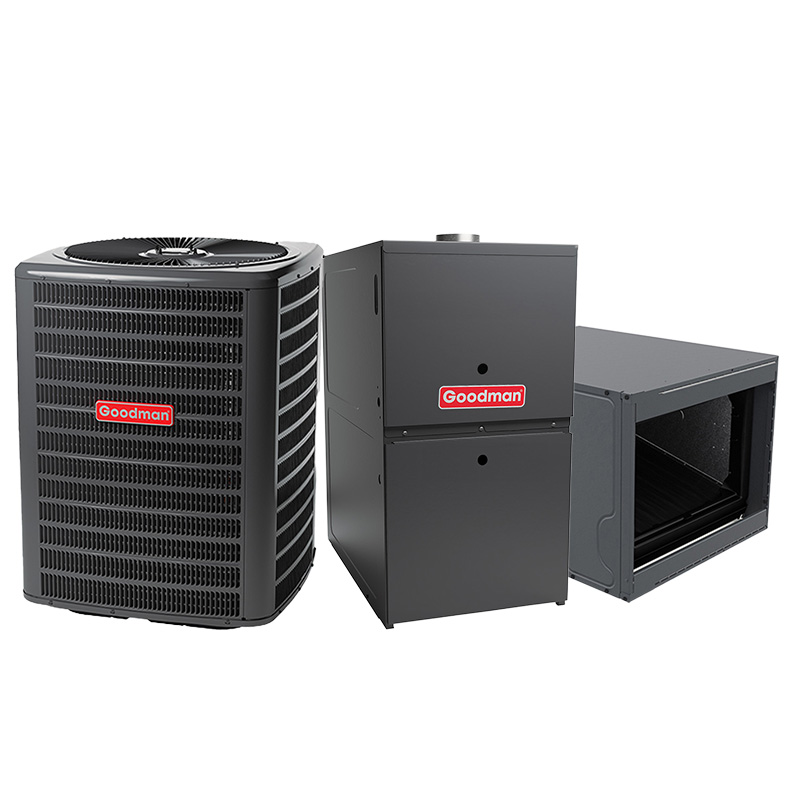
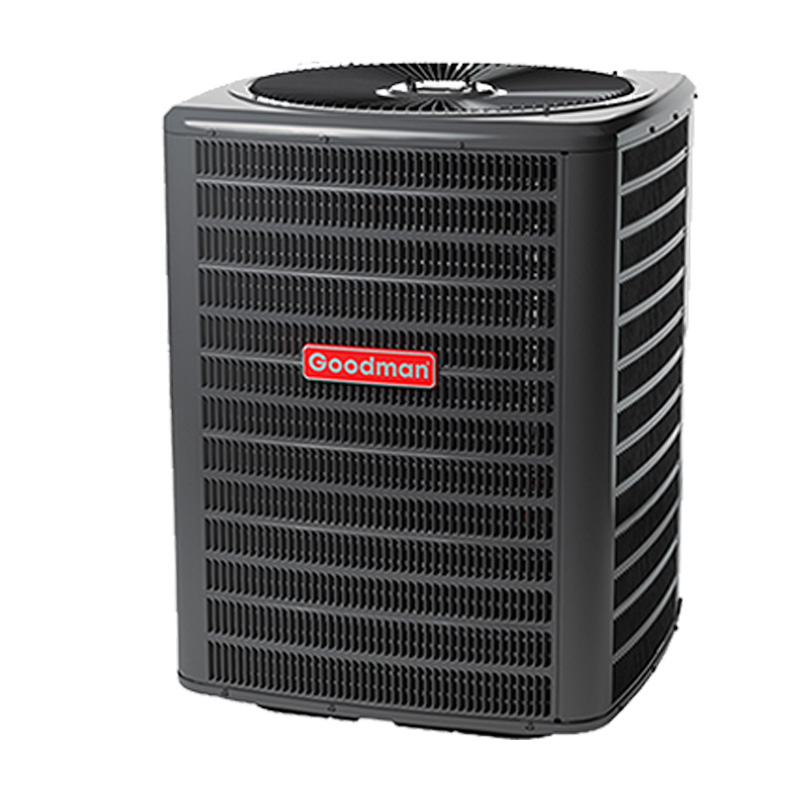
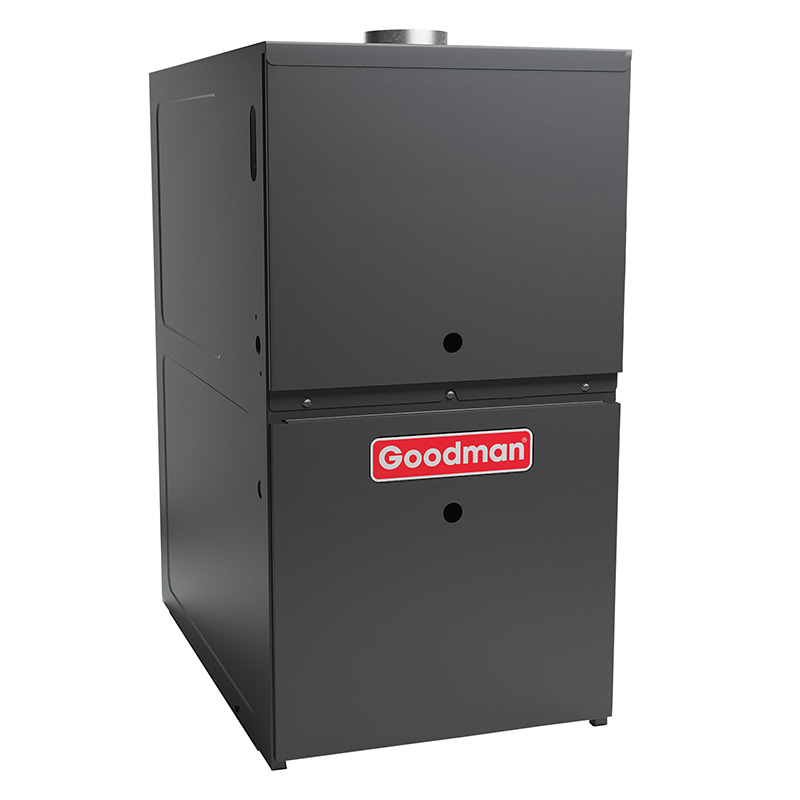
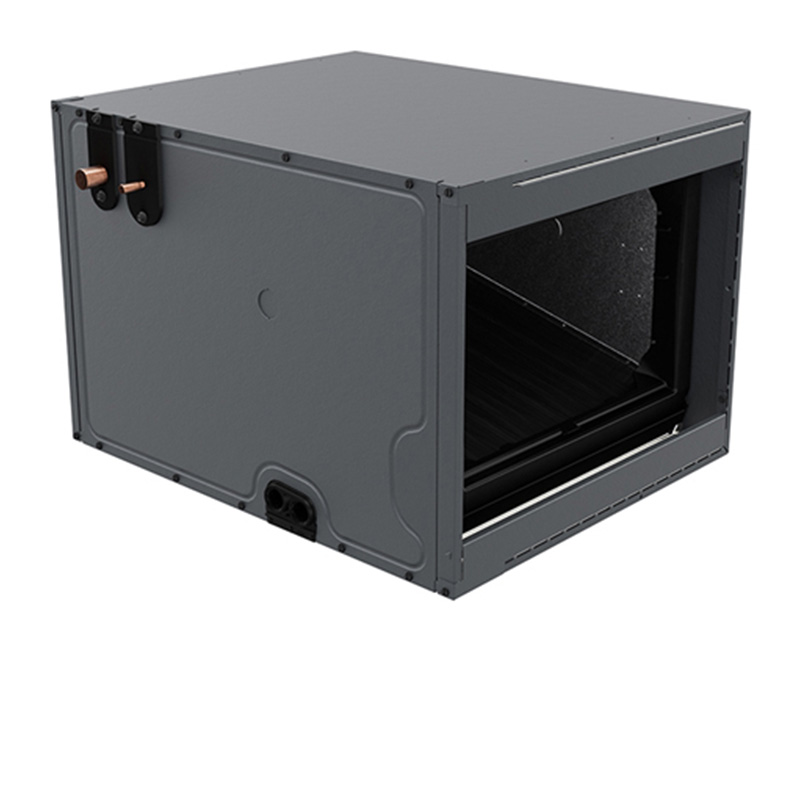
Goodman 4 Ton 13.6 SEER2 AC & Gas Furnace System – Two Stage Variable-Speed, 80000 BTU Gas Furnace, 80% AFUE, Horizontal, R32
View on AC Direct see your lowest price →Check current price on AC Direct →
Key features
- Two-stage compressor with variable-speed blower for quieter, more even comfort versus single-stage units
- 13.6 SEER2 efficiency rating meeting current federal minimum standards for most U.S. climate zones
- 80,000 BTU furnace at 80% AFUE in horizontal configuration for attic, crawl-space, and mobile-home installs
- R-32 refrigerant with a lower global-warming potential than outgoing R-410A
- 4-ton capacity suitable for approximately 2,200 to 2,600 square feet depending on insulation and climate
- Goodman factory warranty (parts coverage subject to product registration requirements)
About this system
The Goodman 4-ton, 13.6 SEER2 two-stage AC and gas furnace system is built around a horizontal configuration, making it a practical choice for attic installs, mobile homes, or crawl-space applications where vertical cabinet placement simply is not an option. The 80,000 BTU furnace runs at 80% AFUE, meaning 80 cents of every fuel dollar converts to usable heat. That is an acceptable baseline for mild-to-moderate heating climates, though homeowners in colder northern zones will want to weigh a 96% AFUE upgrade before committing. The R-32 refrigerant is a meaningful step forward in environmental responsibility, carrying a lower global-warming potential than the R-410A it replaces.
The two-stage cooling and variable-speed blower pairing is where this system separates itself from entry-level single-stage Goodman packages. Running on low stage most of the time, it cycles less frequently, holds interior temperatures more evenly, and removes more humidity than a compressor that only knows full-blast. The variable-speed air handler also runs longer, quieter low-speed cycles that contribute to better air quality and comfort, especially on mild days when a full 4-ton blast would short-cycle. That said, 13.6 SEER2 sits at the lower end of the two-stage efficiency tier. Buyers who can stretch their budget will find 16-plus SEER2 options with meaningfully lower long-term utility costs.
This package suits homeowners who need a horizontal-orientation system, have a 2,200-to-2,600 square-foot home in a moderate climate, and want the comfort benefits of two-stage operation without paying premium-brand prices. It is not the best fit for high-heating-demand regions or anyone expecting Trane or Carrier-level longevity and build quality on a Goodman budget.
This system delivers genuine comfort improvements over single-stage equipment at a price point that undercuts Trane, Lennox, and Carrier by a meaningful margin. The trade-off is a brand track record that includes documented capacitor failures, evaporator coil leaks, and compressor life that typically runs shorter than premium competitors. Buyers who find a skilled installer and stay current on maintenance can get solid years of service; those who cut corners on installation or skip maintenance face a steeper-than-average risk of early repair bills.
Overall score is the average of the five ratings above.
What we like
- Two-stage operation reduces short-cycling and improves humidity control compared to single-stage units
- Variable-speed blower runs quieter on low stage and supports better air circulation throughout the home
- Horizontal cabinet is one of the few configurations suited to attic and crawl-space installs
- R-32 refrigerant is more environmentally responsible than R-410A
- Price typically sits 15 to 25 percent below comparable Carrier, Trane, and Lennox packages
Trade-offs
- 80% AFUE is a baseline efficiency rating; homeowners in cold climates will pay noticeably more to heat than with a 96% AFUE unit
- Goodman compressors average 10 to 14 years versus the 15 to 20 years reported for premium brands
- Dual-run capacitor failures and evaporator coil leaks are the most commonly reported repair items in owner feedback
- 13.6 SEER2 is the federal minimum tier; higher SEER2 options are available from Goodman and competitors for buyers prioritizing long-run energy savings
What homeowners and pros say about Goodman
Goodman earns a middling reputation across review channels, and this horizontal two-stage package is unlikely to shift that picture much in either direction. On ConsumerAffairs, Goodman sits at roughly 2.5 out of 5, a channel where dissatisfied owners are more motivated to write, and the recurring theme is repair costs that begin climbing after year seven or eight. Google dealer reviews tell a more balanced story at around 3.8 out of 5, where affordability draws consistent praise from homeowners who got competitive bids and found Goodman quotes noticeably lower than the Trane or Carrier alternatives. HVAC technicians tend to call out two specific failure patterns: dual-run capacitors that fail with some regularity (usually a low-cost fix), and evaporator coil leaks that surface in a meaningful share of installs and carry a heavier price tag to address. Compressor longevity is another honest concern, with Goodman compressors commonly averaging 10 to 14 years in the field versus the 15 to 20 years many techs associate with premium brands.
For this specific horizontal two-stage system, the installer community emphasizes that the configuration adds a layer of complexity. Horizontal attic installs require careful attention to drainage, refrigerant line routing, and condensate management, and a unit that is improperly charged or leveled in a tight attic space will develop problems faster than one that is installed with patience. The minority of owners who report refrigerant leaks in the first year almost always trace the issue back to the startup charge rather than a factory problem. If you are drawn to this package for the price and the horizontal fit, the community consensus is clear: spend what you save on the unit itself to hire the most experienced installer you can find, and do not skip the annual maintenance visit that can catch a small capacitor or coil issue before it turns into a major repair bill.
Sources: ConsumerAffairs Goodman owner reviews, AHRI Directory of Certified Product Performance, U.S. DOE appliance and equipment efficiency standards, Goodman product specification sheets.
What it costs to run
At 13.6 SEER2, cooling this 4-ton system for a typical 1200-hour cooling season at the U.S. average electricity rate of $0.17/kWh works out to roughly $720 per year in cooling, about $11 less per year than a minimum-efficiency 13.4 SEER2 unit of the same size. Your real cost depends on your climate and local rate.
Method: (48,000 BTU/hr ÷ 13.6 SEER2) × 1200 hours ÷ 1000 × $0.17/kWh. Rate source: U.S. EIA average; cooling hours: moderate-climate estimate.
How it compares
| Brand | Comparable model | SEER2 | Stage | Price position |
|---|---|---|---|---|
| Goodman | 4-Ton 13.6 SEER2 Two-Stage Variable-Speed Gas System (Horizontal, 80% AFUE, R-32) | 13.6 | Two-stage | Value pick |
| Carrier | Performance Series (24ACC636A / 59SC2 pairing) | 14.3 | Single-stage | Typically 15 to 25 percent more than this Goodman package |
| Trane | XR14 / S8X1 pairing | 14.0 | Single-stage | Typically 15 to 25 percent more than this Goodman package |
| Lennox | Merit Series (ML14XC1 / ML180 pairing) | 14.0 | Single-stage | Typically 15 to 25 percent more than this Goodman package |
Competitor rows are comparable single-stage units at similar efficiency; price is relative position, not a quote.
Questions about this system
Why does this system use a horizontal configuration and can it be installed vertically?
This cabinet is engineered specifically for horizontal airflow, which is required for attic installations, many mobile-home applications, and some crawl-space setups where the unit lies on its side. It cannot simply be flipped to a vertical orientation without the matching vertical-configuration cabinet, so confirm your installation space before purchasing.
Is 80% AFUE enough for my climate, or should I spend more on a higher-efficiency furnace?
In the Gulf Coast, Southeast, and similar mild-winter regions, 80% AFUE is a reasonable fit because annual heating hours are limited. In the Midwest, Mountain West, or Northeast, upgrading to a 96% AFUE unit will typically recover the price difference in fuel savings within a few years. Check your local utility rates and average heating degree days to run the math for your specific location.
What is the most common repair I should expect to budget for on this Goodman system?
Dual-run capacitor replacement is the most frequently reported failure on Goodman AC systems, generally a straightforward repair costing between 300 and 600 dollars depending on your market. Evaporator coil leaks are a secondary concern that shows up in a meaningful share of owner reviews and carry a higher repair cost, so keeping the coil clean and scheduling annual inspections helps catch small leaks before they become expensive.
Does this system use R-32 refrigerant and why does that matter?
Yes, this unit uses R-32, which is being introduced across the industry as a replacement for R-410A. R-32 has roughly 68% lower global-warming potential than R-410A and is slightly more efficient as a heat-transfer fluid. The practical implication for most homeowners is that recharging this system will require a technician certified to handle R-32, so confirm your service provider has that certification before scheduling work.
How important is the installer's skill level with a Goodman system compared to a premium brand?
HVAC technicians consistently note that Goodman's real-world longevity depends heavily on installation quality, more so than with some premium brands that tolerate wider variance in setup. Proper refrigerant charge, correct airflow calibration, and thorough leak checks at startup are particularly critical. A minority of owners report refrigerant leaks within the first year, and most of those trace back to installation rather than a factory defect, so investing in a licensed, experienced installer is the single best warranty you can give this equipment.
Specifications
| Cooling capacity | 4 Ton |
| Efficiency | 13.6 SEER2 |
| Furnace output | 80000 BTU |
| Furnace efficiency | 80% AFUE |
| Configuration | Horizontal |
| Refrigerant | R-32 |