Goodman 4 Ton 13.8 SEER2 100000 BTU 80% Two-Stage Variable Speed Gas Furnace With R32 AC Condenser And Coil System – Upflow
View on AC Direct see your lowest price →Check current price on AC Direct →
Key features
- 4-ton cooling capacity with 13.8 SEER2 efficiency rating
- 100,000 BTU two-stage gas furnace at 80% AFUE
- Variable-speed ECM blower motor for quieter, more consistent airflow
- R-32 refrigerant with lower global-warming potential than R-410A
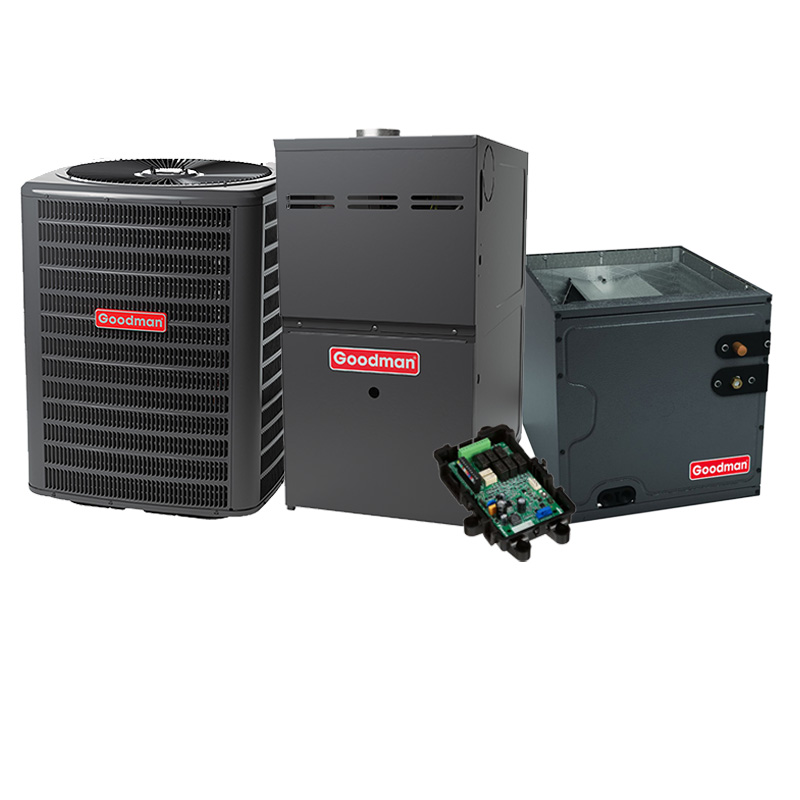
- Matched condenser, evaporator coil, and furnace sold as a compatible system
- Upflow configuration for homes with overhead duct systems
About this system
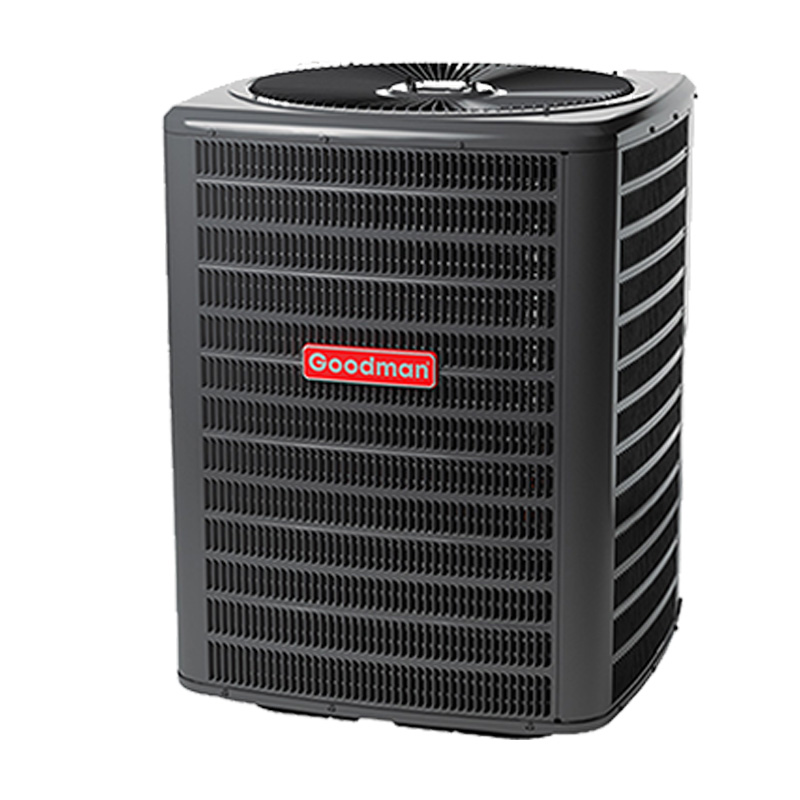
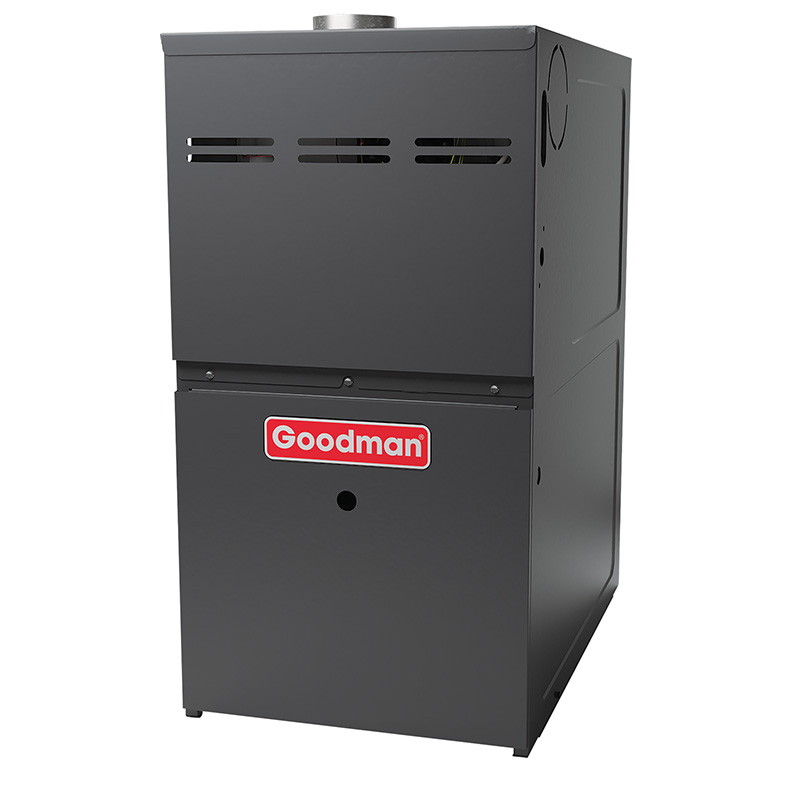
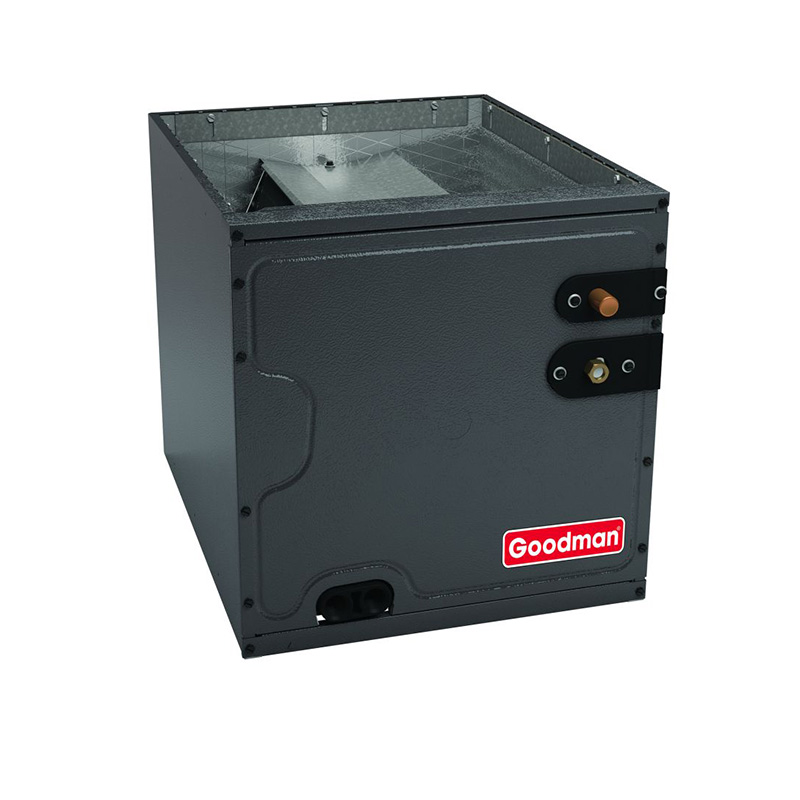
This Goodman bundle pairs a 4-ton R-32 air conditioning condenser and matching evaporator coil with a 100,000 BTU 80% AFUE two-stage, variable-speed gas furnace in an upflow configuration. The result is a complete split system aimed at mid-size to larger homes, roughly 2,000 to 2,800 square feet depending on climate and insulation, where both summer cooling and winter heating loads are substantial. Buying the condenser, coil, and furnace together from a single manufacturer reduces compatibility guesswork and simplifies warranty administration.
At 13.8 SEER2, this system meets the current federal minimum for most U.S. climate regions and sits in the entry-level efficiency tier. It will cost more to run annually than a 16 or 17 SEER2 alternative, but the lower upfront price can offset that gap for homeowners who do not run the system year-round. The two-stage furnace and variable-speed air handler are the real comfort upgrades here: two-stage heating reduces temperature swings compared to single-stage units, and a variable-speed blower runs quieter, moves air more gently, and improves humidity control versus fixed-speed motors. R-32 refrigerant carries a lower global-warming potential than the R-410A it replaces and is becoming standard across the industry.
This configuration is upflow only, meaning the furnace must discharge conditioned air upward into overhead ductwork. That suits most basement or closet installations in the northern United States, but it rules out slab-on-grade homes with under-floor ducts or attic-based downflow setups without modification. Buyers should confirm their existing duct layout and clearances before purchasing.
This Goodman bundle delivers a functional two-stage, variable-speed system at a price point that meaningfully undercuts Carrier, Trane, and Lennox equivalents, making it a reasonable choice for budget-conscious homeowners who prioritize upfront cost. The 13.8 SEER2 rating is minimum-compliant rather than impressive, and long-term ownership costs depend heavily on install quality and the luck of the draw with known component weak points. Buyers who can absorb a higher initial investment should at least price out a 15 or 16 SEER2 alternative before committing.
Overall score is the average of the five ratings above.
What we like
- Purchase price runs 15 to 25 percent below comparable Trane, Lennox, and Carrier systems
- Two-stage furnace reduces temperature swings and short-cycling compared to single-stage units
- Variable-speed blower improves humidity control and lowers operating noise
- R-32 refrigerant is lower-GWP and increasingly supported by service technicians
- Matched system components reduce compatibility and warranty complications
Trade-offs
- 13.8 SEER2 is entry-level efficiency; annual operating costs will be higher than 15-plus SEER2 alternatives
- Dual-run capacitors are a documented early failure point, and evaporator coil leaks appear in a meaningful share of owner reports
- Compressor lifespan averages 10 to 14 years versus 15 to 20 years typical of premium brands
- Overall performance is strongly dependent on installer skill; a poor charge or refrigerant leak in year one is a documented pattern
What homeowners and pros say about Goodman
Homeowners who post about Goodman online tend to split into two camps: those who got a solid installation and have run the system for years without major issues, and those who encountered problems after year seven and found repair costs higher than expected. Goodman scores around 2.5 out of 5 on ConsumerAffairs, a channel that attracts frustrated owners disproportionately, where the recurring complaint is escalating repair bills in the second half of the system’s life. Google dealer reviews land closer to 3.8 out of 5, where affordability is the praise most often repeated. Neither score paints a picture of a premium product, but both are consistent with a brand that delivers acceptable performance at a lower price when installed correctly.
HVAC technicians tend to have a pragmatic view of Goodman. They flag the dual-run capacitor as the most common service call, a repair that typically runs $300 to $600 and is not considered a serious defect, just an expected maintenance item. Evaporator coil leaks show up enough in owner reports to be worth noting, and technicians are candid that Goodman compressors tend to average 10 to 14 years in the field compared to 15 to 20 years on premium brands. The refrigerant leaks that some owners report in the first year are most often traced to the installation charge rather than a factory problem, which is why nearly every pro working on Goodman equipment emphasizes that installer experience matters more here than with some competing brands.
Sources: ConsumerAffairs Goodman owner reviews, AHRI Directory of Certified Product Performance, U.S. DOE appliance and equipment efficiency standards, Goodman product specification sheets.
What it costs to run
At 13.8 SEER2, cooling this 4-ton system for a typical 1200-hour cooling season at the U.S. average electricity rate of $0.17/kWh works out to roughly $710 per year in cooling, about $21 less per year than a minimum-efficiency 13.4 SEER2 unit of the same size. Your real cost depends on your climate and local rate.
Method: (48,000 BTU/hr ÷ 13.8 SEER2) × 1200 hours ÷ 1000 × $0.17/kWh. Rate source: U.S. EIA average; cooling hours: moderate-climate estimate.
How it compares
| Brand | Comparable model | SEER2 | Stage | Price position |
|---|---|---|---|---|
| Goodman | 4-Ton 13.8 SEER2 / 100k BTU 80% Two-Stage Variable-Speed Bundle | 13.8 | Two-stage furnace / variable-speed blower | Value pick |
| Carrier | Performance 24ACC636 condenser with 58TP furnace | 14.3 | Two-stage | Typically 15 to 25 percent higher than this Goodman bundle |
| Trane | XR14 condenser with S9V2 variable-speed furnace | 14.0 | Two-stage furnace / variable-speed blower | Typically 20 to 30 percent higher than this Goodman bundle |
| Lennox | Merit ML14XC1 condenser with ML296V furnace | 14.3 | Single-stage condenser / variable-speed furnace | Typically 20 to 30 percent higher than this Goodman bundle |
Competitor rows are comparable single-stage units at similar efficiency; price is relative position, not a quote.
Questions about this system
Will this system work with my existing R-410A line set?
R-32 and R-410A are not interchangeable and require separate handling procedures. Existing copper line sets can often be reused if they are clean, properly sized, and free of contamination, but your installer must flush and pressure-test them before charging with R-32. Do not assume a straight swap without a technician evaluation.
My house is on a slab with ductwork in the attic. Can I use the upflow furnace?
An upflow furnace discharges air from the top and draws return air from the bottom or sides, so it needs overhead supply ducts. A slab home with attic ducts may still work if the furnace is installed in a closet blowing upward into the attic plenum, but the layout must be verified by your installer. If your supply ducts run under the floor or the furnace would need to blow downward, you need a downflow or horizontal model instead.
What does the Goodman warranty cover on this system, and what do I need to do to activate it?
Goodman's standard residential warranty on matched systems is typically 10 years on parts when registered within a set window after installation (usually 60 days). Failure to register often drops coverage to a shorter base period. The warranty covers factory defects but not labor, refrigerant, or failures attributed to improper installation, so keep your installation paperwork and register the product promptly on Goodman's website.
How likely am I to need repairs in the first few years, and what should I budget?
The most common early repair on Goodman systems is a failed dual-run capacitor, which typically costs between $300 and $600 including labor and is a quick fix. A small share of owners report refrigerant leaks in the first year, which is usually traced to the installation charge rather than a factory defect. Setting aside $300 to $600 as a contingency fund for the first five years is a reasonable precaution.
Is 13.8 SEER2 going to cost me noticeably more to run than a higher-efficiency unit?
Compared to a 16 SEER2 system, a 13.8 SEER2 unit uses roughly 14 percent more electricity for the same cooling output. On a 4-ton system running heavily in a warm climate, that gap can add up to a noticeable difference on summer utility bills over the life of the equipment. If your cooling season is short or you have moderate loads, the payback period on a higher-efficiency unit stretches out and the cost difference shrinks.
Specifications
| Cooling capacity | 4 Ton |
| Efficiency | 13.8 SEER2 |
| Furnace output | 100000 BTU |
| Configuration | Upflow |
| Refrigerant | R-32 |