Goodman 4 Ton 14.3 SEER2 120000 BTU 80% AFUE Two Stage Multi-Speed ECM Gas Furnace System – Horizontal | R32
View on AC Direct see your lowest price →Check current price on AC Direct →
Key features
- 4-ton capacity with 14.3 SEER2 cooling efficiency, meeting current federal minimum standards
- 120,000 BTU two-stage gas furnace at 80% AFUE for moderate climate zones
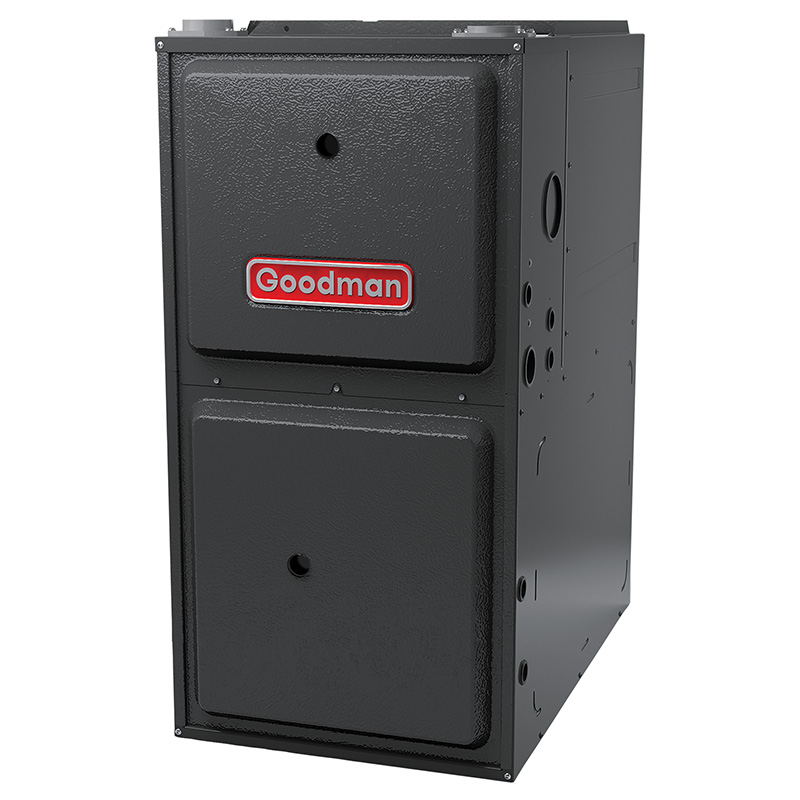
- Multi-speed ECM blower motor reduces electricity use and improves airflow consistency
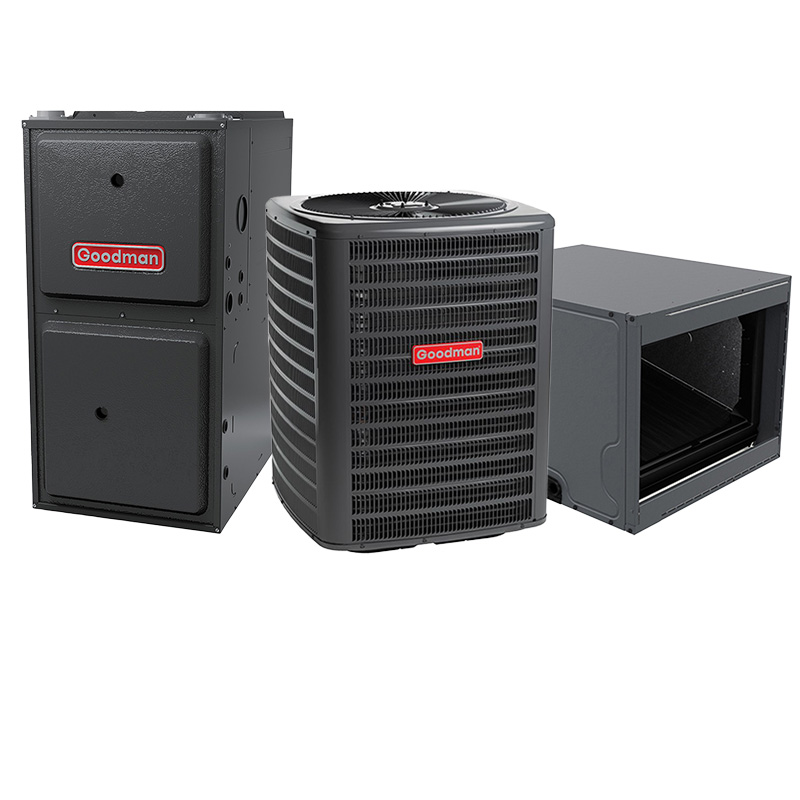
- Horizontal configuration designed for attic, crawlspace, or closet installations
- R-32 refrigerant with lower global warming potential than R-410A
- Two-stage compressor allows partial-capacity operation for better humidity control on mild days
About this system
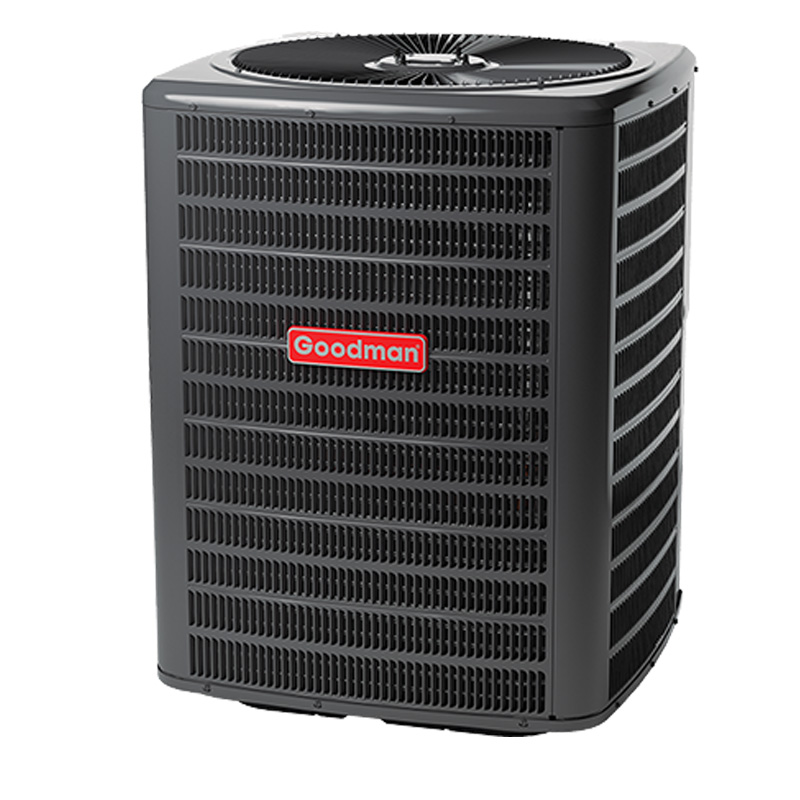
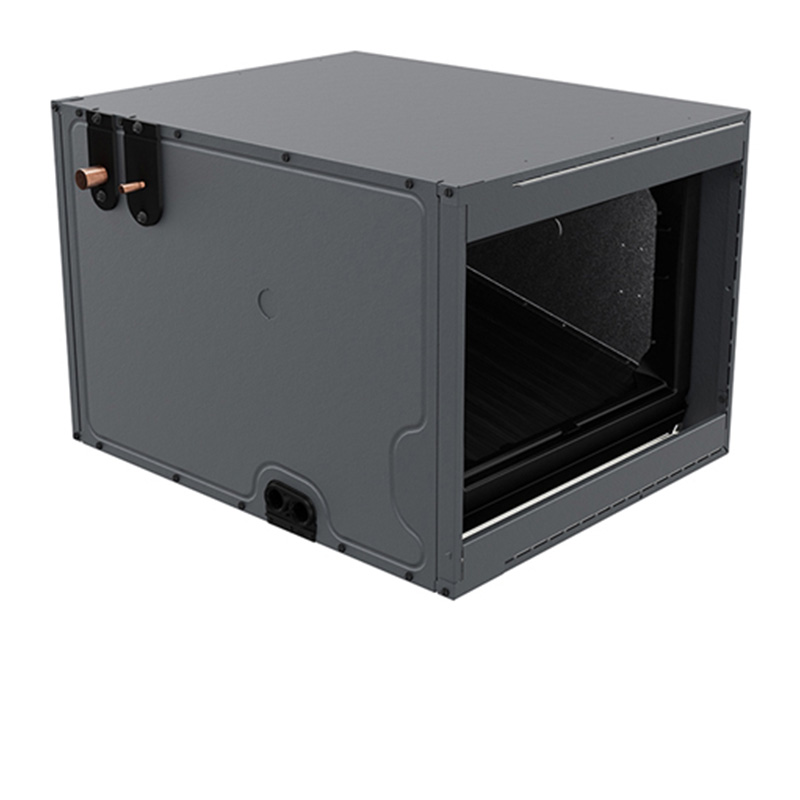
The Goodman GLXS4BA4810 packages a 4-ton, 14.3 SEER2 R-32 air conditioner with a 120,000 BTU, 80% AFUE two-stage gas furnace into a horizontally oriented system, a configuration built for attic installs, crawlspace runs, and tight utility rooms where a vertical unit simply will not fit. At 4 tons it is sized for homes roughly in the 2,000 to 2,600 square foot range, though actual load calculations by your installer matter far more than square footage rules of thumb. R-32 refrigerant replaces the older R-410A and carries a lower global warming potential, which keeps the system compliant with current and near-term EPA regulations.
The two-stage compressor and multi-speed ECM furnace blower are the meaningful upgrades here over a basic single-stage setup. Two-stage cooling means the system can run at a reduced capacity on mild days, which extends runtime, improves humidity control, and reduces the on-off cycling that contributes to wear. The ECM motor adjusts airflow more precisely than a standard PSC motor and uses noticeably less electricity doing it. Together these features close some of the comfort gap between entry-level and premium equipment without fully closing the price gap. This system suits budget-conscious buyers who want better-than-minimum efficiency and improved comfort in a horizontal install, and who are working with a qualified installer who knows Goodman equipment.
The GLXS4BA4810 delivers a two-stage, ECM-equipped horizontal system at a price point well below Carrier, Trane, and Lennox equivalents, making it a reasonable choice for cost-focused buyers who prioritize upfront savings and use a skilled installer. Goodman's real-world reliability sits a step below premium brands, with documented concerns around capacitors, evaporator coil leaks, and compressor longevity that buyers should weigh honestly. It earns its place as a value pick, not a premium one.
Overall score is the average of the five ratings above.
What we like
- Priced 15 to 25 percent below comparable Carrier, Trane, and Lennox systems, freeing budget for installation quality or extended warranties
- Two-stage compressor meaningfully improves humidity control and comfort compared to single-stage alternatives
- ECM blower motor lowers fan electricity consumption and supports quieter, more consistent airflow
- R-32 refrigerant positions the system for regulatory compliance well into the near future
- Horizontal orientation makes it one of the few factory-configured options for attic or crawlspace-constrained installs
Trade-offs
- 80% AFUE furnace is the lowest efficiency tier; homeowners in cold climates will pay more in gas bills than with a 96% AFUE alternative
- Compressor lifespan averages 10 to 14 years in owner reports, shorter than the 15 to 20 years documented for premium brands
- Dual-run capacitor failures are the most commonly reported repair, and evaporator coil leaks appear in a meaningful share of owner reviews
- A minority of owners report refrigerant leaks within the first year, typically linked to install or charge quality, making contractor selection critical
What homeowners and pros say about Goodman
Homeowners who research Goodman online encounter a split picture. On ConsumerAffairs, the brand sits at roughly 2.5 out of 5, a score shaped by a platform that draws disproportionately from frustrated owners. The recurring theme in those reviews is repair costs that begin climbing after about year seven, with capacitor failures cited most often as the first sign of trouble. Dual-run capacitor replacement is generally a low-cost fix, but it signals that other components may follow. Evaporator coil leaks and first-year refrigerant issues also appear across owner accounts, the latter typically pointing back to installation rather than the equipment itself. Google dealer reviews land closer to 3.8 out of 5, where affordability is what most satisfied buyers mention first.
HVAC technicians tend to describe Goodman as workable equipment whose longevity hinges heavily on the person who installs and commissions it. The consensus among experienced installers is that a well-installed Goodman outperforms a poorly installed Carrier or Trane every time. For this horizontal system specifically, that point matters more than usual, since horizontal configurations are less common and require additional care with drainage, refrigerant charge, and duct connections. The two-stage compressor in this model is considered a genuine upgrade over the single-stage alternatives at this price point, and the ECM blower is well regarded for reducing fan energy draw. Compressor lifespan averaging 10 to 14 years, versus the 15 to 20 years associated with premium brands, is the honest long-term trade-off buyers accept when choosing Goodman.
Sources: ConsumerAffairs Goodman owner reviews, AHRI Directory of Certified Product Performance, U.S. DOE appliance and equipment efficiency standards, Goodman product specification sheets.
What it costs to run
At 14.3 SEER2, cooling this 4-ton system for a typical 1200-hour cooling season at the U.S. average electricity rate of $0.17/kWh works out to roughly $685 per year in cooling, about $46 less per year than a minimum-efficiency 13.4 SEER2 unit of the same size. Your real cost depends on your climate and local rate.
Method: (48,000 BTU/hr ÷ 14.3 SEER2) × 1200 hours ÷ 1000 × $0.17/kWh. Rate source: U.S. EIA average; cooling hours: moderate-climate estimate.
How it compares
| Brand | Comparable model | SEER2 | Stage | Price position |
|---|---|---|---|---|
| Goodman | GLXS4BA4810 | 14.3 | Two-stage | Value pick |
| Carrier | Comfort 14 (24ACC4) with 58MXA furnace | 14.3 | Single-stage | Typically 15 to 25 percent more than Goodman |
| Trane | XR14 (4TTR4) with S8X1 furnace | 14.3 | Single-stage | Typically 15 to 25 percent more than Goodman |
| Lennox | Merit 14ACX with ML180 furnace | 14.3 | Single-stage | Typically 15 to 25 percent more than Goodman |
Competitor rows are comparable single-stage units at similar efficiency; price is relative position, not a quote.
Questions about this system
Why does this system use R-32 refrigerant instead of R-410A, and does that affect servicing costs?
R-32 has a lower global warming potential than R-410A and is the refrigerant Goodman has adopted to stay ahead of EPA phase-down rules that are restricting R-410A use. Servicing R-32 requires technicians to use equipment rated for mildly flammable refrigerants, so confirm your HVAC contractor is trained and equipped for R-32 work before booking a service call.
Is 80% AFUE a problem for my climate, and should I upgrade to a higher-efficiency furnace?
In mild to moderate climates, the difference in annual gas bills between 80% and 96% AFUE is real but may take many years to offset the price premium of a higher-efficiency unit. In colder northern climates where the furnace runs heavily for five or more months, a 96% AFUE furnace typically recovers its cost premium within five to eight years and is worth serious consideration.
The horizontal configuration is unusual. Does that limit which contractors can install it correctly?
Horizontal installs require careful attention to condensate drainage, coil orientation, and duct transitions that differ from a standard upflow setup. Not every residential HVAC crew installs horizontal systems regularly, so ask prospective contractors specifically about their horizontal install experience before hiring, since install quality is the largest single factor in how long Goodman equipment lasts.
What is the warranty on this system, and are there conditions I need to meet to keep it valid?
Goodman typically provides a 10-year parts warranty when the unit is registered within 60 days of installation by a licensed contractor, dropping to a shorter term if registration is missed. The compressor usually carries its own coverage within that parts warranty. Read the warranty certificate for this specific model and confirm registration requirements with your installer before work begins.
How often do the documented failure modes actually show up, and what do repairs cost?
Dual-run capacitor failure is the most frequently reported issue and is generally a straightforward repair in the 300 to 600 dollar range when caught early. Evaporator coil leaks are less common but more expensive and appear in a meaningful share of owner reviews beyond the first few years. A minority of owners report refrigerant leaks within year one, which usually points to an install or charge error rather than a manufacturing defect.
Specifications
| Cooling capacity | 4 Ton |
| Efficiency | 14.3 SEER2 |
| Furnace output | 120000 BTU |
| Furnace efficiency | 80% AFUE |
| Configuration | Horizontal |
| Refrigerant | R-32 |
| Model | GLXS4BA4810 |