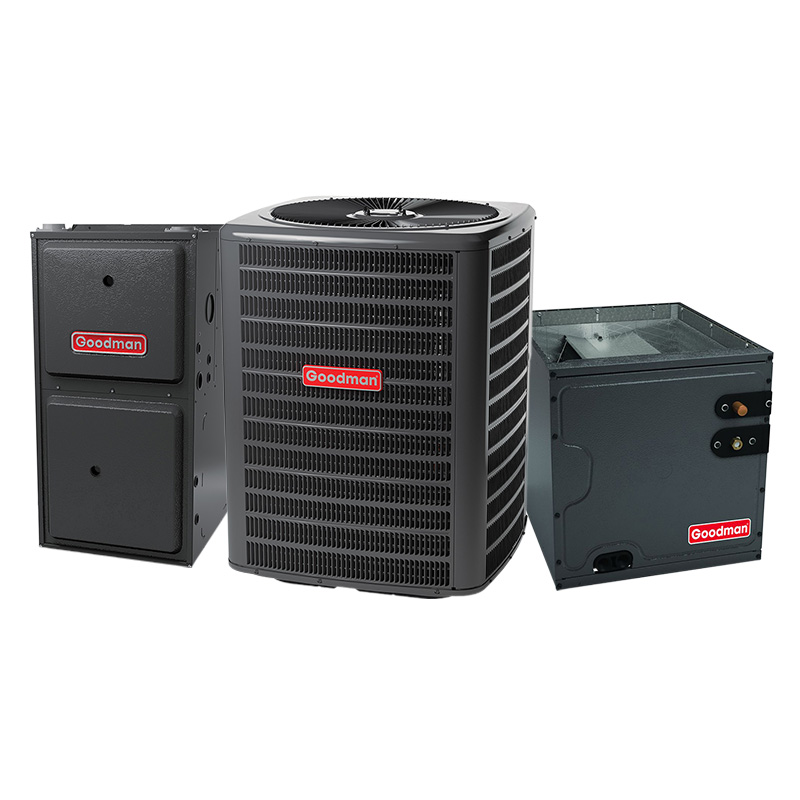
Goodman 4 Ton 14.3 SEER2 AC & Gas Furnace System – Multi-Speed, 100000 BTU Gas Furnace, 92% AFUE, Upflow, R32
View on AC Direct see your lowest price →Check current price on AC Direct →
Key features
- 4-ton cooling capacity with 14.3 SEER2 efficiency rating
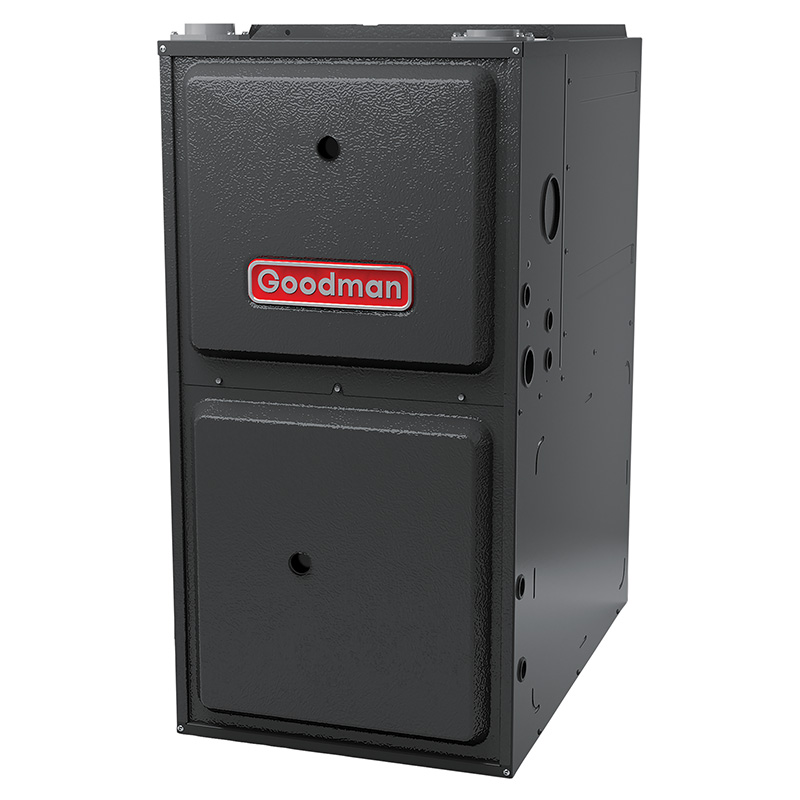
- 100,000 BTU upflow gas furnace at 92% AFUE
- Multi-speed blower motor for reduced noise and improved humidity management
- R-32 refrigerant with lower global-warming potential than R-410A
- Upflow configuration suited to basement or closet installations with overhead ductwork
- Goodman 10-year parts limited warranty when registered within 60 days of installation
About this system
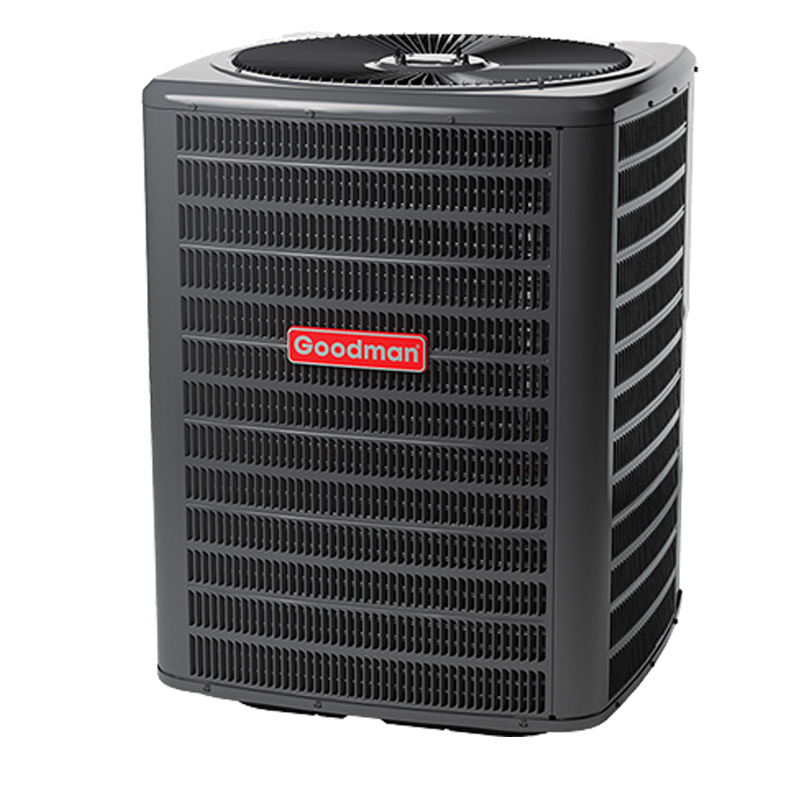
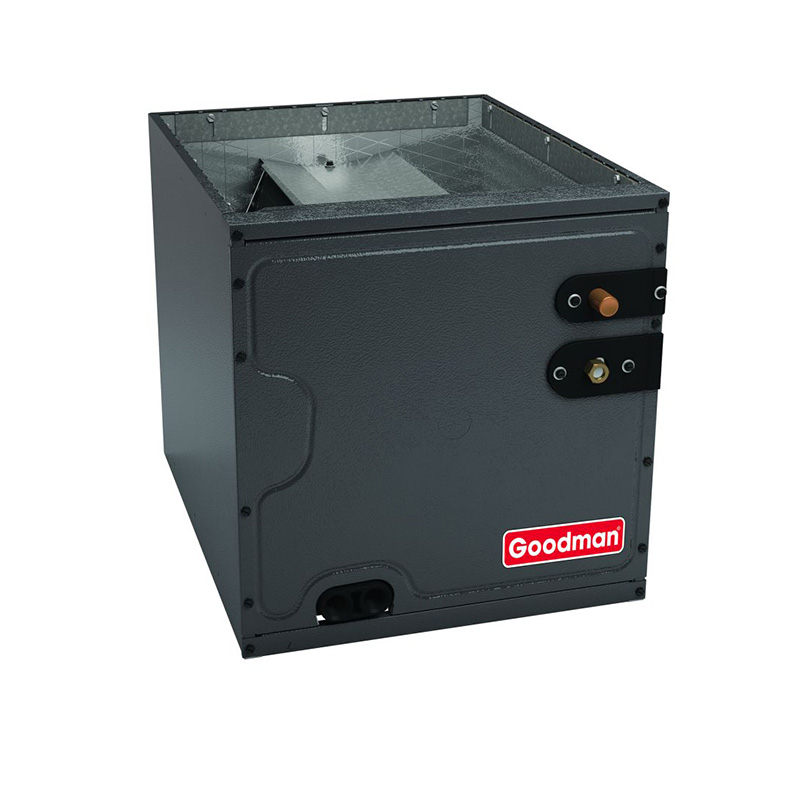
The Goodman GLXS4BA4810 pairs a 4-ton, 14.3 SEER2 central air conditioner with a 100,000 BTU upflow gas furnace rated at 92% AFUE. That furnace efficiency sits in the mid-tier category, meaning roughly 92 cents of every dollar of gas becomes usable heat, which is a solid step above the 80% AFUE baseline while stopping short of the 96–98% condensing-furnace tier. The 14.3 SEER2 rating meets the current federal minimum for most U.S. climate zones, so you are not paying a premium for efficiency headroom you may never use. R-32 refrigerant is a lower-global-warming-potential option compared with the older R-410A it is gradually replacing, and most HVAC technicians are already equipped to handle it.
This system is sized for homes in roughly the 2,000 to 2,400 square foot range depending on insulation, ceiling height, and climate zone, though a proper Manual J load calculation should always confirm sizing before purchase. The upflow configuration means the air handler draws return air from the bottom and discharges heated or cooled air upward into overhead ductwork, which is the standard setup for equipment installed in a basement, closet, or ground-level utility room. The multi-speed blower on the furnace provides quieter low-demand operation and slightly better humidity control compared with a single-speed unit, though it does not match the comfort consistency of a variable-speed system. Buyers who want budget-conscious replacement equipment for a straightforward upflow installation, and who understand that long-term performance depends heavily on a quality installation, are the core audience for this system.
The GLXS4BA4810 delivers a competent, code-compliant heating and cooling system at a price that is typically 15 to 25 percent below comparable Carrier, Trane, or Lennox packages. It is not the most efficient or the most durable option in the market, but for budget-focused buyers who pair it with a skilled installer and budget for routine maintenance, it can provide a decade or more of reliable service. Expectations should be calibrated accordingly: this is value-tier equipment, and the ownership experience reflects that.
Overall score is the average of the five ratings above.
What we like
- Priced 15 to 25 percent below premium brands for the same efficiency tier, leaving room in the budget for a quality installation
- 92% AFUE furnace meaningfully reduces heating bills compared with 80% AFUE equipment
- Multi-speed blower improves comfort and humidity control over basic single-speed alternatives
- R-32 refrigerant is forward-compatible with current and near-future regulatory direction
- 10-year parts warranty (with registration) is competitive for the value-brand segment
Trade-offs
- Dual-run capacitors are the most commonly reported failure point, typically appearing within the first several years and costing $300 to $600 to repair
- Evaporator coil leaks appear in a meaningful share of owner reviews, a known weak point across Goodman lines
- Compressor lifespan averages 10 to 14 years versus 15 to 20 years documented in premium brands, which affects long-term cost of ownership
- A minority of owners report refrigerant leaks within the first year, usually tied to installation quality or initial charge issues rather than a product defect
What homeowners and pros say about Goodman
Owners and technicians who discuss Goodman equipment online tend to agree on two things: the price is hard to argue with, and the outcome depends heavily on who installs it. Google dealer reviews for Goodman installers cluster around 3.8 out of 5, with affordability cited most often as a reason buyers chose the brand. That score reflects a reasonably satisfied customer base at the point of installation. ConsumerAffairs tells a more complicated story, with Goodman sitting at roughly 2.5 out of 5 on that platform, where the pattern of complaints shifts noticeably for units beyond the seven-year mark as repair costs accumulate. That gap between early satisfaction and later frustration is consistent with what technicians report in the field.
The specific failure modes that come up most frequently for Goodman equipment are worth knowing before you buy this system. Dual-run capacitors are the most commonly replaced component, typically a $300 to $600 repair and not a system-ending event, but one that catches owners off guard if they were not expecting it. Evaporator coil leaks appear in a meaningful share of owner accounts and can be more costly to address. On the outdoor unit side, compressors on Goodman equipment are generally documented to last 10 to 14 years, which is a shorter window than the 15 to 20 years more commonly cited for premium brands. A smaller number of owners report refrigerant issues in the first year, which technicians typically attribute to installation or initial charge errors rather than a factory defect. None of these points disqualify the system, but they do argue for budgeting for maintenance and choosing an installer whose track record you can verify.
Sources: ConsumerAffairs Goodman owner reviews, AHRI Directory of Certified Product Performance, U.S. DOE appliance and equipment efficiency standards, Goodman product specification sheets.
What it costs to run
At 14.3 SEER2, cooling this 4-ton system for a typical 1200-hour cooling season at the U.S. average electricity rate of $0.17/kWh works out to roughly $685 per year in cooling, about $46 less per year than a minimum-efficiency 13.4 SEER2 unit of the same size. Your real cost depends on your climate and local rate.
Method: (48,000 BTU/hr ÷ 14.3 SEER2) × 1200 hours ÷ 1000 × $0.17/kWh. Rate source: U.S. EIA average; cooling hours: moderate-climate estimate.
How it compares
| Brand | Comparable model | SEER2 | Stage | Price position |
|---|---|---|---|---|
| Goodman | GLXS4BA4810 | 14.3 | Single-stage | Value pick |
| Carrier | Comfort 14 Series (CA14NA / 58TP) | 14.3–15.0 | Single-stage | Typically 15 to 25 percent more than this Goodman package |
| Trane | XR14 / S9X1 series | 14.3–15.0 | Single-stage | Typically 15 to 25 percent more than this Goodman package |
| Lennox | Merit 14ACX / ML196 series | 14.3–15.1 | Single-stage | Typically 15 to 25 percent more than this Goodman package |
Competitor rows are comparable single-stage units at similar efficiency; price is relative position, not a quote.
Questions about this system
Does this system qualify for the federal energy efficiency tax credit?
The 14.3 SEER2 cooling side meets minimum federal standards but falls below the 15.2 SEER2 threshold required for the 25C residential energy efficiency tax credit. The 92% AFUE furnace does qualify for that credit on the heating side, so check with a tax professional about claiming the furnace portion. The full bundled system would not qualify as a combined credit based on current IRS guidance.
Can I install this system myself to save money?
In most U.S. jurisdictions, installing a split HVAC system requires an EPA Section 608 certification for refrigerant handling and a local mechanical permit. Beyond the legal requirements, Goodman's own documentation and the brand's real-world reliability data both point to installation quality as the single biggest factor in how long the system lasts. DIY installation also typically voids the warranty. Hiring a licensed HVAC contractor is strongly recommended.
What maintenance does this system need to avoid the known failure points?
Annual inspection of the dual-run capacitor is inexpensive and can catch early degradation before it causes a compressor lockout on a hot day. Keeping the evaporator coil clean and ensuring the refrigerant charge is correct at installation both reduce the risk of coil-related issues. Changing the air filter every one to three months and scheduling a full tune-up each year are the baseline steps most technicians recommend for any value-tier system.
Is R-32 refrigerant harder to find or more expensive to service than R-410A?
R-32 is increasingly common as manufacturers phase down R-410A, and most commercial HVAC supply houses already stock it. Technician training and tooling for R-32 are widely available. Costs for topping off or recharging are broadly similar to R-410A at this time, though pricing fluctuates with supply and regulatory changes.
How does 4 tons of cooling match to my house size, and what if the system is oversized?
A rough rule of thumb places 4 tons at roughly 1,800 to 2,400 square feet, but climate, insulation, window area, and ceiling height all shift that range significantly. An oversized system short-cycles, meaning it cools the space quickly without running long enough to remove humidity properly, which reduces comfort and increases wear. A Manual J load calculation performed by your installer is the only reliable way to confirm whether 4 tons is correct for your specific home.
Specifications
| Cooling capacity | 4 Ton |
| Efficiency | 14.3 SEER2 |
| Furnace output | 100000 BTU |
| Furnace efficiency | 92% AFUE |
| Configuration | Upflow |
| Refrigerant | R-32 |
| Model | GLXS4BA4810 |