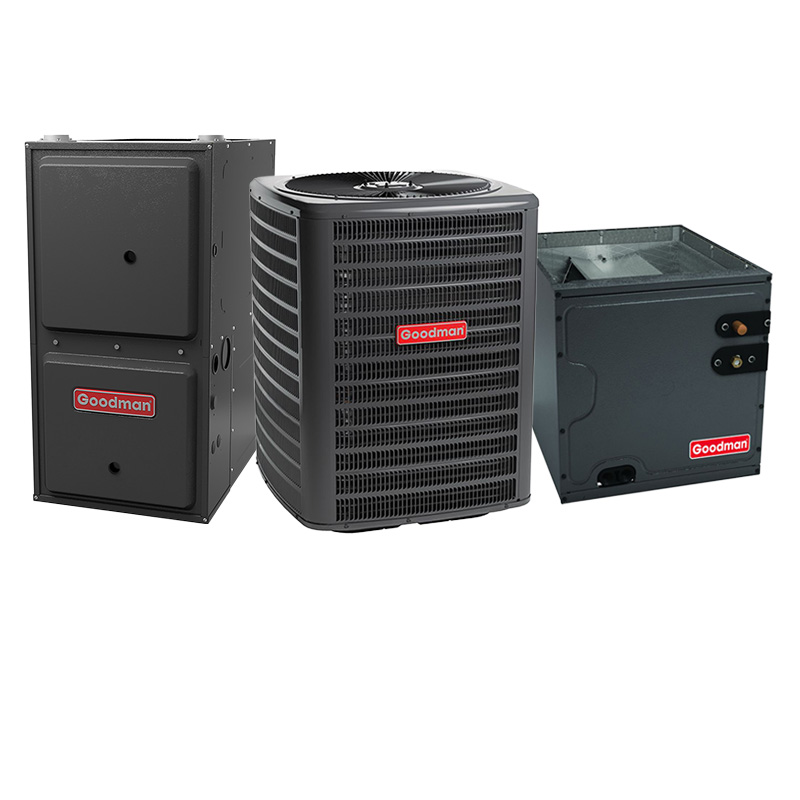
Goodman 4 Ton 14.5 SEER2 100000 BTU 80% AFUE Multi-Speed ECM Gas Furnace System – Downflow | R32
View on AC Direct see your lowest price →Check current price on AC Direct →
Key features
- 4-ton cooling capacity with 14.5 SEER2 seasonal efficiency rating
- 100,000 BTU gas furnace at 80% AFUE, downflow configuration only
- Multi-speed ECM blower motor for quieter operation and better humidity control
- R-32 refrigerant, lower global-warming potential than R-410A
- Priced 15 to 25 percent below comparable Trane, Lennox, and Carrier systems
- Compatible with single-stage cooling operation for straightforward zoning setups
About this system
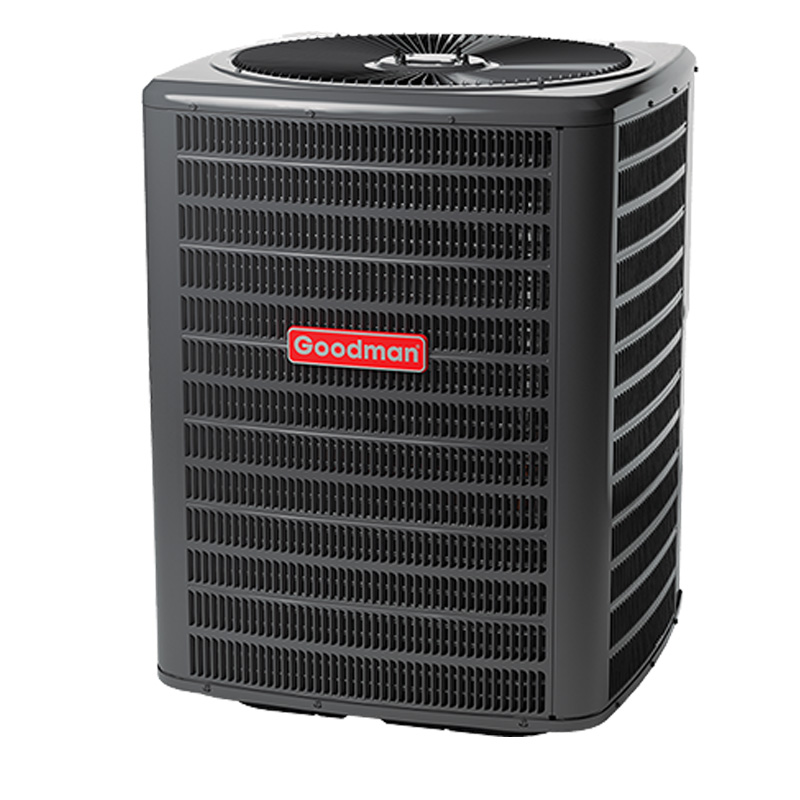
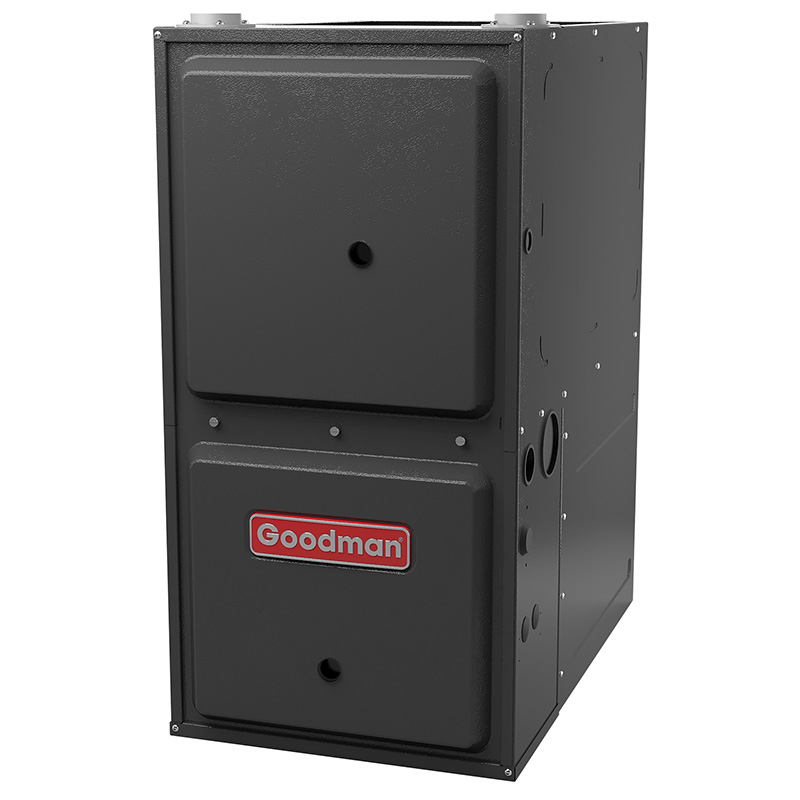
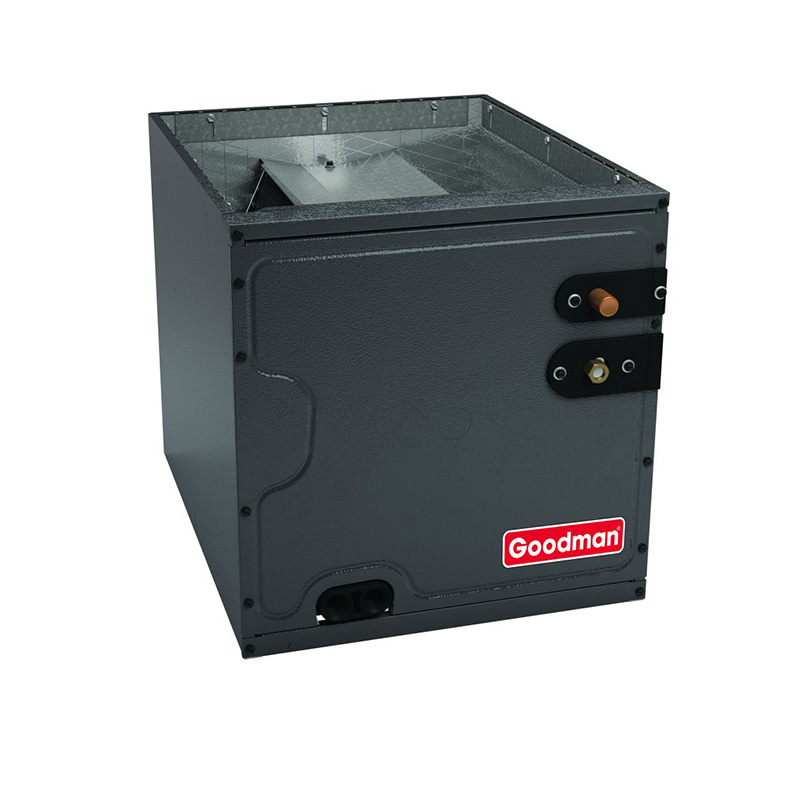
This Goodman 4-ton, 14.5 SEER2 system pairs a downflow gas furnace rated at 100,000 BTU and 80% AFUE with a cooling system using R-32 refrigerant. The downflow configuration is specifically suited to homes where the air handler sits above a crawl space or basement and supplies conditioned air downward through floor registers. If your home uses upflow or horizontal ductwork, this unit is not the right fit. At 4 tons, it is sized for larger spaces, typically 1,800 to 2,400 square feet depending on your local climate, insulation quality, and window load. A proper Manual J load calculation is essential before purchasing, since oversizing a 4-ton unit in a smaller home leads to short cycling, humidity problems, and premature wear.
The 80% AFUE rating means 80 cents of every dollar spent on gas becomes usable heat, with the remaining 20% lost through the flue. That is the federal minimum efficiency floor for most U.S. regions and represents an entry-level efficiency tier. Homeowners in cold climates or those with high heating loads may want to weigh the long-term gas savings of a 96% AFUE unit against this system’s lower upfront cost. The multi-speed ECM blower motor is a meaningful upgrade over single-speed PSC motors: it ramps airflow to match demand, which improves humidity control, reduces noise, and cuts blower electricity consumption. R-32 refrigerant is a lower global-warming-potential alternative to R-410A, now the direction the industry is moving following EPA phasedown rules.
This Goodman system delivers a workable entry-level package for homeowners who need a downflow configuration and want to keep upfront costs down. The 80% AFUE furnace and 14.5 SEER2 cooling rating meet minimum standards without leading the market, and long-term value depends heavily on installation quality and whether repair costs accumulate in years seven and beyond.
Overall score is the average of the five ratings above.
What we like
- Purchase price runs 15 to 25 percent below comparable Carrier, Trane, and Lennox units
- Multi-speed ECM motor meaningfully improves comfort and blower efficiency versus basic single-speed motors
- R-32 refrigerant aligns with current EPA phasedown direction, reducing future retrofit risk
- Downflow design fills a genuine niche for homes with floor-register duct systems above crawl spaces
- Dual-run capacitor failures, the most common documented repair, are typically a low-cost fix in the $300 to $600 range
Trade-offs
- 80% AFUE is the minimum efficiency floor; homeowners in colder climates will pay noticeably more in gas bills versus a 96% unit
- Compressor lifespan averages 10 to 14 years in owner reports, shorter than the 15 to 20 years documented for premium brands
- Evaporator coil leaks appear in a meaningful share of owner reviews, raising long-term repair cost concerns
- ConsumerAffairs scores around 2.5 out of 5, with recurring complaints about rising repair costs after roughly year seven
What homeowners and pros say about Goodman
Homeowners who shop Goodman tend to land in one of two camps after a few years of ownership. The first group praises the lower purchase price and reports that the system runs without issue when a skilled technician handles the install correctly. This tracks with Google dealer review scores that sit around 3.8 out of 5, where affordability is the most frequently mentioned positive. The second group, more visible on complaint-weighted platforms like ConsumerAffairs where Goodman scores around 2.5 out of 5, describes a pattern of repair costs accelerating after roughly year seven, citing the exact failure modes that show up consistently in technician feedback: dual-run capacitor failures, evaporator coil leaks, and compressors that reach end of life closer to the 10-to-14-year mark rather than the 15-to-20 years typical of premium brands.
HVAC professionals who work on Goodman equipment regularly tend to give a measured assessment. The consensus is that this brand rewards a thorough, careful installation and punishes a rushed one more than premium competitors do. For a downflow gas furnace system with an 80% AFUE furnace and a multi-speed ECM blower, the Goodman offers real value at the point of sale. The trade-off is accepting that capacitor replacements and potentially coil work are more likely over the system’s life, and that the furnace efficiency floor means higher gas bills than a condensing-tier unit would produce. For a homeowner who has budgeted for those possibilities, the savings at purchase can still make sense. For one who expects to set and forget for 20 years, the documented reliability gap versus Carrier, Trane, or Lennox is worth weighing carefully.
Sources: ConsumerAffairs Goodman owner reviews, AHRI Directory of Certified Product Performance, U.S. DOE appliance and equipment efficiency standards, Goodman product specification sheets.
What it costs to run
At 14.5 SEER2, cooling this 4-ton system for a typical 1200-hour cooling season at the U.S. average electricity rate of $0.17/kWh works out to roughly $675 per year in cooling, about $56 less per year than a minimum-efficiency 13.4 SEER2 unit of the same size. Your real cost depends on your climate and local rate.
Method: (48,000 BTU/hr ÷ 14.5 SEER2) × 1200 hours ÷ 1000 × $0.17/kWh. Rate source: U.S. EIA average; cooling hours: moderate-climate estimate.
How it compares
| Brand | Comparable model | SEER2 | Stage | Price position |
|---|---|---|---|---|
| Goodman | 4 Ton 14.5 SEER2 / 100K BTU 80% AFUE Downflow ECM System | 14.5 | Single-stage | Value pick |
| Carrier | Comfort Series (24ACC636 / 58SB1B100) | 14.5 | Single-stage | Typically 15 to 25 percent more than Goodman |
| Trane | XR14 / S8X1 Series | 14.5 | Single-stage | Typically 15 to 25 percent more than Goodman |
| Lennox | Merit Series (14ACX / ML180) | 14.5 | Single-stage | Typically 15 to 25 percent more than Goodman |
Competitor rows are comparable single-stage units at similar efficiency; price is relative position, not a quote.
Questions about this system
Can I use this system with an upflow or horizontal air handler in my attic?
No. This unit is configured specifically for downflow applications, meaning the furnace discharges air downward through the bottom. Using it in an upflow or horizontal orientation would require a different model. Confirm your duct configuration with your installer before purchasing.
Is 80% AFUE going to cost me significantly more in gas bills compared to a higher-efficiency furnace?
In moderate climates with shorter heating seasons, the difference is manageable. In colder regions where the furnace runs heavily from November through March, the gap between 80% and 96% AFUE can add up to hundreds of dollars per year depending on your gas rate and home size. Run the numbers for your local climate and gas pricing before deciding.
What are the most likely repair costs I should plan for over the life of this system?
Dual-run capacitor failure is the most commonly reported issue with Goodman equipment and typically runs $300 to $600 to fix. Evaporator coil leaks appear in a meaningful share of owner reviews and cost considerably more. Compressor replacement or system-end-of-life tends to arrive in the 10 to 14 year range based on documented owner experience.
My tech mentioned a refrigerant leak shortly after install. Is that a known issue with Goodman?
A minority of Goodman owners do report refrigerant leaks within the first year, and the documented pattern points to installation or initial charge issues rather than a systemic product defect. This is one reason that installation quality is the single most cited factor in how long a Goodman system performs reliably.
Does R-32 refrigerant require any special handling or tools that a typical HVAC technician might not have?
R-32 is mildly flammable and requires technicians certified to handle A2L refrigerants along with compatible recovery equipment. Most active HVAC technicians are obtaining this certification as R-32 becomes standard across the industry, but it is worth confirming your installer is equipped before scheduling service.
Specifications
| Cooling capacity | 4 Ton |
| Efficiency | 14.5 SEER2 |
| Furnace output | 100000 BTU |
| Furnace efficiency | 80% AFUE |
| Configuration | Downflow |
| Refrigerant | R-32 |