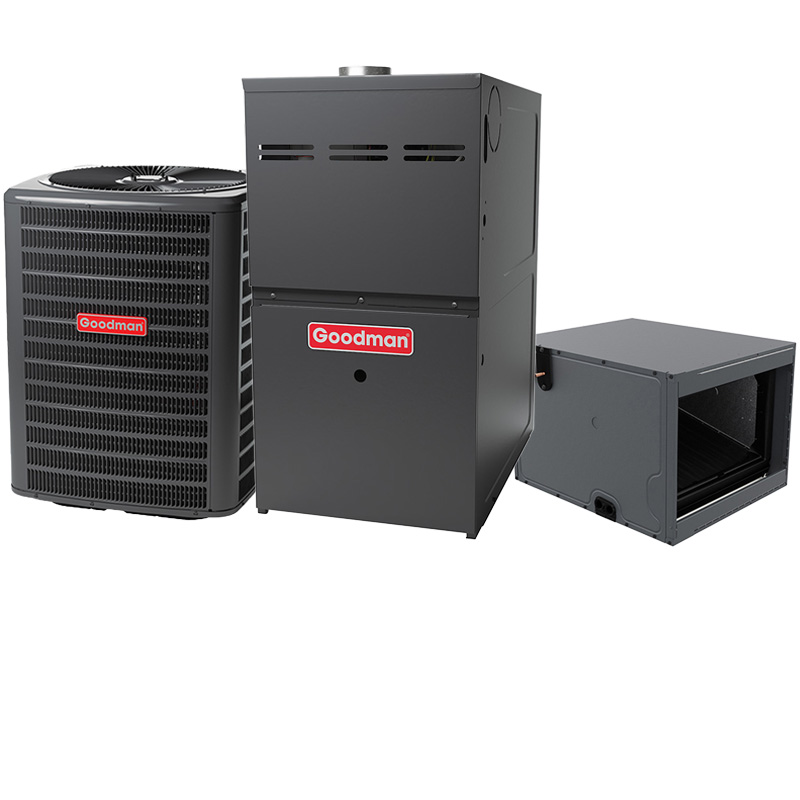
Goodman 4 Ton 14.5 SEER2 100000 BTU 80% AFUE Multi-Speed ECM Gas Furnace System – Horizontal | R32
View on AC Direct see your lowest price →Check current price on AC Direct →
Key features
- 4-ton cooling capacity suited to larger homes, roughly 2,000 to 2,600 sq ft depending on load
- 14.5 SEER2 efficiency rating meets current federal minimums for most U.S. climate regions
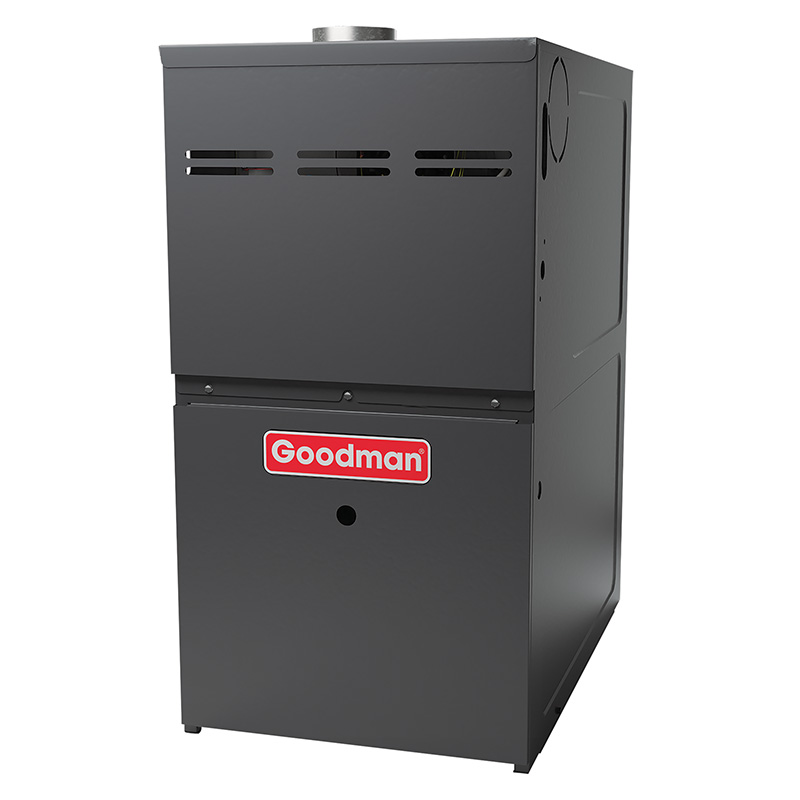
- 100,000 BTU, 80% AFUE multi-speed ECM gas furnace with variable airflow for improved comfort
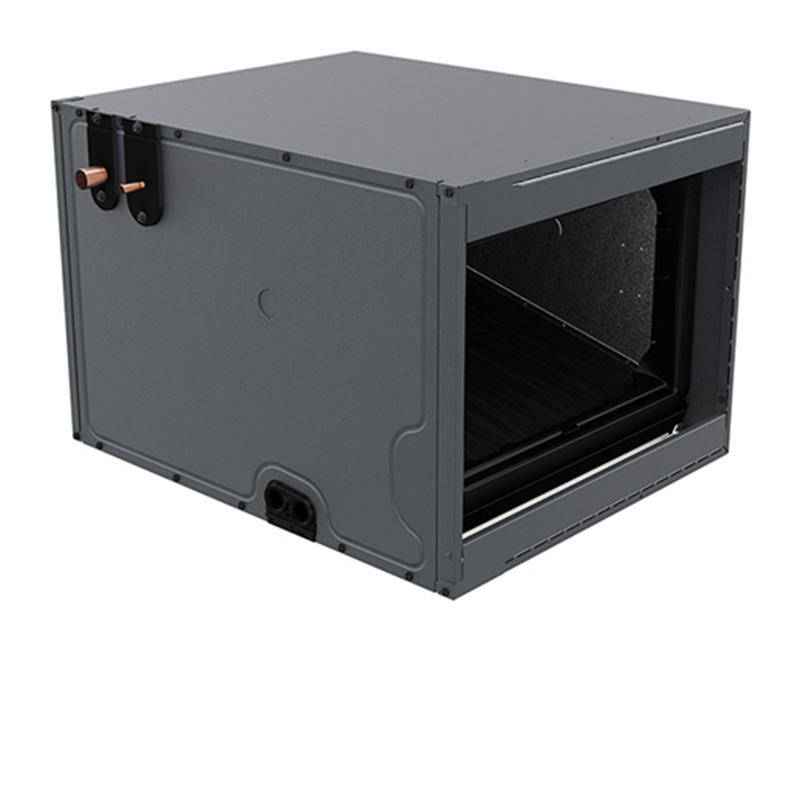
- Horizontal configuration designed for attic, crawlspace, or side-discharge installations
- R-32 refrigerant with lower global warming potential than the outgoing R-410A
- Multi-speed ECM blower reduces electrical draw compared to standard PSC blower motors
About this system
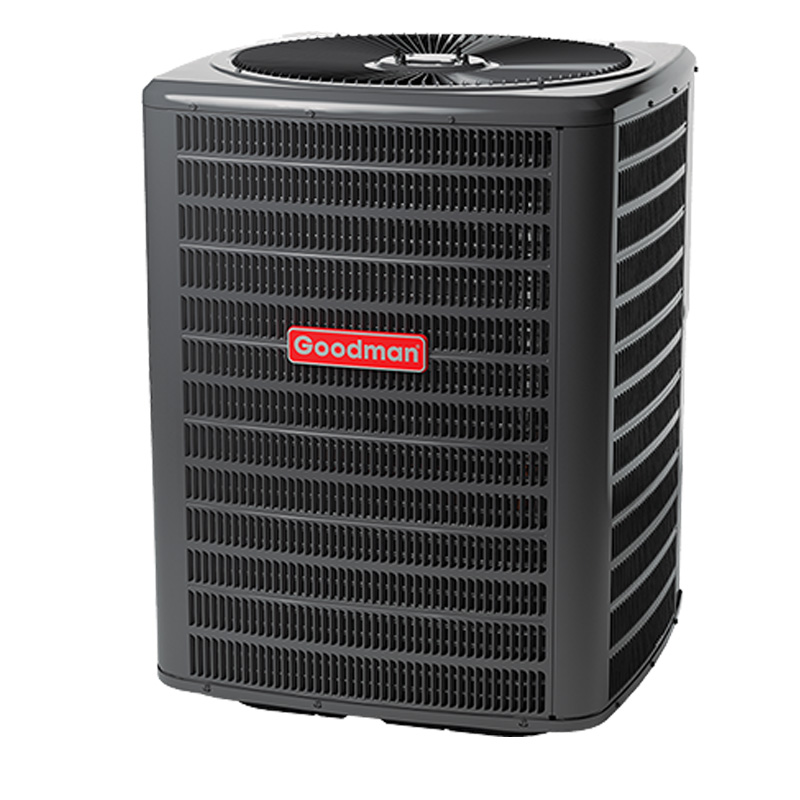
This Goodman 4-ton, 14.5 SEER2 package pairs a 100,000 BTU, 80% AFUE multi-speed ECM gas furnace with a matched cooling system configured for horizontal installation, making it a practical fit for attic or crawlspace setups where vertical airflow is not an option. The 4-ton capacity targets larger homes, typically in the 2,000 to 2,600 square foot range depending on climate zone, insulation, and ceiling height. At 14.5 SEER2, the system clears the federal minimum efficiency threshold for most U.S. regions, keeping purchase cost down without reaching the higher efficiency tiers that carry steeper price premiums.
The multi-speed ECM blower motor is a meaningful upgrade over standard PSC motors: it adjusts airflow more precisely, reduces energy consumption at the air handler, and tends to deliver more consistent comfort than single-speed blowers. R-32 refrigerant replaces the older R-410A and carries a lower global warming potential, which matters for long-term regulatory compliance and may influence servicing costs as R-410A is phased out. The 80% AFUE rating means one dollar in five spent on gas escapes as exhaust, so homeowners in very cold climates where the furnace runs hard will want to compare running costs against a 96% AFUE unit before committing.
As a horizontal-only configuration, this system requires an installer experienced with attic or side-discharge applications. Improper drain slope, inadequate support, or mismatched ductwork in horizontal installs are real failure contributors, so choosing a licensed, experienced contractor is not optional here. For budget-conscious buyers replacing an aging system in a mid-to-large home with existing horizontal infrastructure, this package covers the basics at a price point that reflects Goodman’s position as a value-tier brand.
This Goodman system delivers a functional, code-compliant heating and cooling solution at a price 15 to 25 percent below comparable Carrier, Trane, and Lennox equipment, making it a reasonable choice for budget-focused buyers who are prepared for potentially higher long-term repair costs. The 14.5 SEER2 and 80% AFUE ratings are entry-level, not standout, so buyers in extreme climates or those planning a 20-plus year horizon should weigh whether the upfront savings offset higher operating costs. Performance and longevity lean heavily on installation quality, which is the factor most within the buyer's control.
Overall score is the average of the five ratings above.
What we like
- Priced 15 to 25 percent below comparable Trane, Carrier, and Lennox systems, lowering upfront cost
- Multi-speed ECM blower improves comfort consistency and reduces blower energy use versus single-speed motors
- R-32 refrigerant positions the system ahead of the R-410A phase-out, reducing future refrigerant supply risk
- Horizontal configuration covers attic and crawlspace installs where vertical systems cannot be used
- Widely serviced by independent HVAC contractors nationwide, with readily available replacement parts
Trade-offs
- 80% AFUE means 20% of fuel is lost as exhaust, resulting in materially higher heating bills than 96% AFUE alternatives in cold climates
- Compressor lifespan averages 10 to 14 years versus 15 to 20 years for premium-brand compressors, raising replacement cost risk after year 10
- Dual-run capacitors and evaporator coil leaks are documented recurring failure points that can add repair costs, particularly after year 7
- A minority of owners report refrigerant leaks within the first year, typically traced to installation or initial charge issues rather than the equipment itself
What homeowners and pros say about Goodman
Homeowners who post about Goodman online tend to sort into two camps. On complaint-heavy channels like ConsumerAffairs, where Goodman scores around 2.5 out of 5, the recurring theme is repair costs that start climbing after roughly year 7. The failure modes named most often are not obscure: dual-run capacitors top the list, a repair that usually runs between 300 and 600 dollars and is considered a routine fix by most technicians. Evaporator coil leaks show up often enough in owner accounts to be a genuine pattern, and compressor lifespan averaging 10 to 14 years falls short of the 15 to 20 years owners of premium brands tend to report. A smaller but real segment of owners has encountered refrigerant leaks in the first year, and most technicians point to installation or initial charge problems rather than defective equipment when that happens.
On Google dealer review pages, where scores average around 3.8 out of 5 across hundreds of reviews per location, the tone shifts. Affordability is the most cited positive, and many reviewers note the systems work as expected when installed correctly. HVAC pros are consistent on one point: Goodman equipment rewards a careful installation and punishes a careless one more than premium brands do. For a horizontal attic install like this one, that means the contractor’s experience with drain management, line support, and startup charging matters as much as any specification on the equipment itself. Buyers who treat the install as the commodity and the brand as the variable often end up disappointed; buyers who invest in a skilled contractor and budget for a capacitor replacement or two tend to report reasonable outcomes over a 10 to 12 year run.
Sources: ConsumerAffairs Goodman owner reviews, AHRI Directory of Certified Product Performance, U.S. DOE appliance and equipment efficiency standards, Goodman product specification sheets.
What it costs to run
At 14.5 SEER2, cooling this 4-ton system for a typical 1200-hour cooling season at the U.S. average electricity rate of $0.17/kWh works out to roughly $675 per year in cooling, about $56 less per year than a minimum-efficiency 13.4 SEER2 unit of the same size. Your real cost depends on your climate and local rate.
Method: (48,000 BTU/hr ÷ 14.5 SEER2) × 1200 hours ÷ 1000 × $0.17/kWh. Rate source: U.S. EIA average; cooling hours: moderate-climate estimate.
How it compares
| Brand | Comparable model | SEER2 | Stage | Price position |
|---|---|---|---|---|
| Goodman | GMVC8 / GSXH6 Series (this system) | 14.5 | Multi-speed | Value pick |
| Carrier | Comfort 14 Series (24ACC6) | 14.5 | Single-stage | Typically 15 to 25 percent more than this Goodman system |
| Trane | XR14c Series | 14.5 | Single-stage | Typically 15 to 25 percent more than this Goodman system |
| Lennox | Merit 14ACX Series | 14.5 | Single-stage | Typically 15 to 25 percent more than this Goodman system |
Competitor rows are comparable single-stage units at similar efficiency; price is relative position, not a quote.
Questions about this system
Is 14.5 SEER2 going to cost me significantly more to run than a higher-efficiency unit?
Compared to a 16 or 18 SEER2 system, yes, you will pay more in electricity over time, though the gap is meaningful mainly in climates with long, hot cooling seasons. The upfront savings on a 14.5 SEER2 unit typically take several years to be offset by utility costs, so buyers in moderate climates often come out ahead. In the Sun Belt, it is worth running the numbers on a higher-efficiency option.
My home has an attic installation. What are the specific risks with a horizontal Goodman setup?
Horizontal installs demand correct drain pan slope to prevent condensate backup, solid equipment support to avoid vibration stress on refrigerant lines, and careful duct sealing in unconditioned attic spaces. These factors are installation-dependent, not equipment-dependent, which is why choosing a contractor experienced with horizontal attic work matters as much as the brand you pick.
How does the 80% AFUE furnace compare to a high-efficiency option, and should I upgrade?
An 80% AFUE furnace converts 80 cents of every dollar of gas into heat, while a 96% AFUE unit converts 96 cents. In a climate where you run the furnace heavily from October through March, the difference in annual gas cost can be hundreds of dollars, and a 96% unit typically pays back its premium within 5 to 8 years in those conditions. In mild-winter climates, the payback period stretches and the 80% unit often makes more financial sense.
What is the warranty on this Goodman system, and what does it actually cover?
Goodman typically offers a 10-year parts limited warranty when the unit is registered within a set window after installation, covering the compressor, heat exchanger, and other components. The warranty covers parts, not labor, so a repair that falls within warranty can still carry a significant labor bill. Verify current registration requirements with your installing contractor, as terms can vary.
R-32 is new to me. Is it hard to find a technician who can service it?
R-32 requires EPA Section 608 certification, the same credential technicians already hold for R-410A work, and most established HVAC contractors in major markets are already equipped to handle it. Availability is improving quickly as R-32 becomes the industry standard to replace R-410A. In rural areas, it is worth confirming your local service providers stock R-32 before committing to the system.
Specifications
| Cooling capacity | 4 Ton |
| Efficiency | 14.5 SEER2 |
| Furnace output | 100000 BTU |
| Furnace efficiency | 80% AFUE |
| Configuration | Horizontal |
| Refrigerant | R-32 |