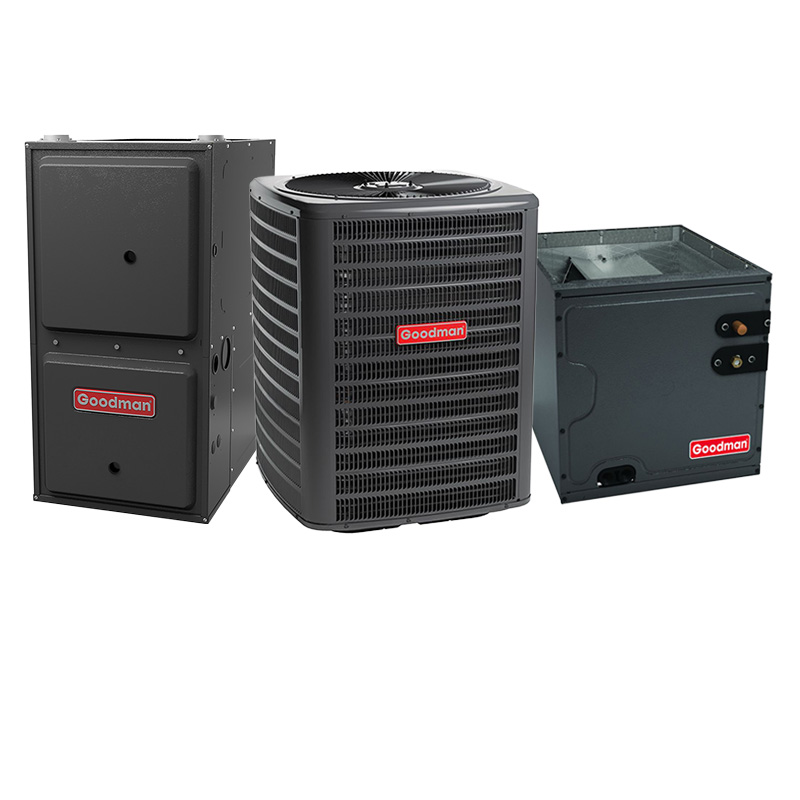
Goodman 4 Ton 14.5 SEER2 80000 BTU 80% AFUE Multi-Speed ECM Gas Furnace System – Downflow | R32
View on AC Direct see your lowest price →Check current price on AC Direct →
Key features
- 4-ton cooling capacity rated at 14.5 SEER2, meets federal minimum efficiency standards
- 80,000 BTU gas furnace at 80% AFUE, downflow air discharge configuration
- Multi-speed ECM blower motor for improved airflow control and quieter part-load operation
- R-32 refrigerant, lower global warming potential than R-410A, compliant with phase-out regulations
- Factory-matched coil and condenser, simplifying equipment selection and warranty compliance
- Goodman 10-year parts limited warranty when registered within 60 days of installation
About this system
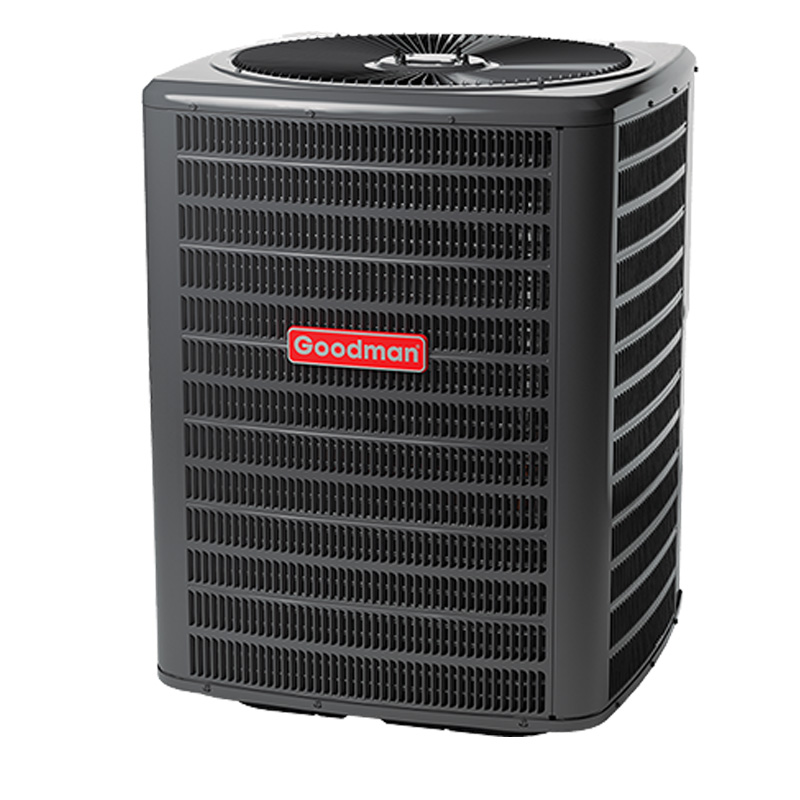
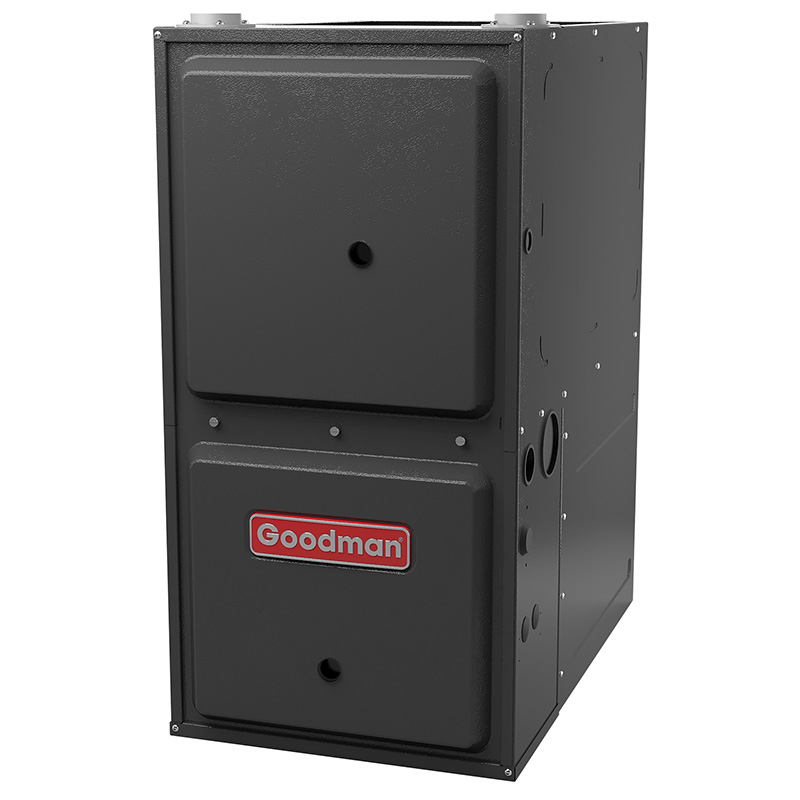
This Goodman package pairs a 4-ton, 14.5 SEER2 central air conditioner with an 80,000 BTU, 80% AFUE multi-speed ECM gas furnace in a downflow configuration, meaning the furnace discharges conditioned air downward through floor-level ductwork. That layout suits homes where the air handler sits in a closet, garage, or utility room above a crawlspace or basement plenum. The system uses R-32 refrigerant, a lower-global-warming-potential refrigerant that is increasingly common in new residential equipment and will be required in many markets as R-410A is phased out. The ECM blower motor improves airflow efficiency compared to a standard PSC motor and is one of the reasons multi-speed furnaces earn a modest comfort advantage over single-speed alternatives.
A 14.5 SEER2 rating clears the federal minimum for most U.S. climate zones, so this system is a code-compliant choice but not a high-efficiency one. Homeowners in hot climates who run their air conditioning heavily for five or more months a year will see a measurable efficiency gap compared to 17 or 18 SEER2 equipment, and that gap shows up in monthly utility bills over time. The 80% AFUE furnace likewise meets code in most of the country but surrenders ground to 90%-plus condensing furnaces, which recover heat from flue gases and can cut heating fuel costs noticeably in colder regions. This system earns its place as a budget-conscious replacement in moderate climates where cooling and heating loads are reasonable and first cost matters most.
This Goodman system offers a dependable entry-level option for homeowners who need a straightforward replacement at a lower upfront cost than premium brands. Its 14.5 SEER2 and 80% AFUE ratings clear the regulatory bar without delivering standout efficiency, and long-term ownership costs depend heavily on installation quality and the luck of component longevity. It is a reasonable choice if budget is the primary driver and expectations are set accordingly.
Overall score is the average of the five ratings above.
What we like
- Priced roughly 15 to 25 percent below comparable Trane, Lennox, and Carrier equipment, reducing the initial outlay
- ECM multi-speed blower motor improves comfort and lowers blower energy use versus single-speed PSC motors
- R-32 refrigerant is forward-compatible with tightening environmental regulations
- Factory-matched system simplifies installation and supports full warranty coverage
- 10-year parts warranty (when registered) is competitive for a value-tier brand
Trade-offs
- Compressors average 10 to 14 years in documented owner experience, notably shorter than the 15 to 20 years reported for premium brands
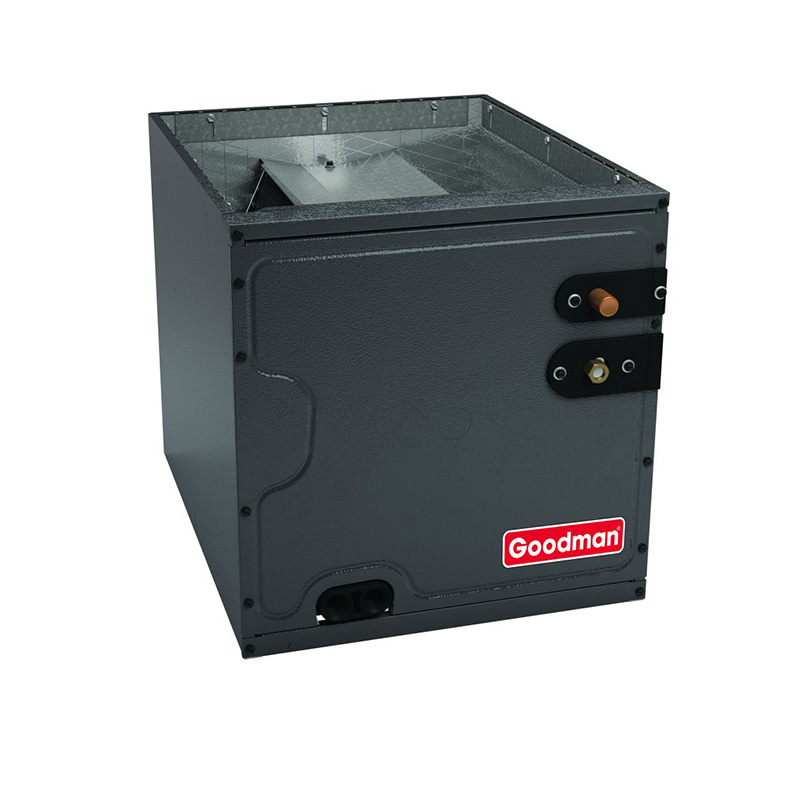
- Evaporator coil leaks appear in a meaningful share of owner reviews and can become an expensive repair after the warranty window
- 80% AFUE means one-fifth of heating fuel exits through the flue, a real cost difference in cold climates compared to 90%-plus systems
- 14.5 SEER2 sits at the efficiency floor, so owners in hot climates will pay more in cooling costs over the system's life compared to higher-SEER2 alternatives
What homeowners and pros say about Goodman
Homeowners who have lived with Goodman equipment reflect the split picture captured in its ratings. On Google dealer reviews, where the score averages around 3.8 out of 5, the most consistent theme is that the system got the job done at a price other brands could not match. On ConsumerAffairs, where the score sits around 2.5 out of 5 and the audience skews toward people who had problems, recurring complaints center on repair costs that climb after roughly year seven. For a downflow gas system like this one, the two failure modes that come up most often in documented owner experience are dual-run capacitor failures, which are usually a straightforward repair in the $300 to $600 range, and evaporator coil leaks, which are more disruptive and more expensive. A smaller share of owners encounter refrigerant leaks in the first year, and technicians who service Goodman equipment frequently note that those early leaks tend to trace back to the installation rather than a factory defect.
HVAC professionals who work on Goodman equipment regularly tend to have a pragmatic view of it. They point out that compressor longevity averaging 10 to 14 years is real and shorter than the 15 to 20 years they see from Trane, Carrier, and Lennox compressors, and that a customer who finances the lower purchase price and then absorbs an out-of-warranty compressor replacement may not have saved as much as they expected. At the same time, pros acknowledge that a well-installed Goodman running in a moderate climate with annual maintenance can deliver a decade or more of trouble-free service. The consistent advice from experienced installers is that the brand performs at its best when the job is done carefully, the refrigerant charge is verified, and the homeowner commits to seasonal checkups rather than waiting for something to fail.
Sources: ConsumerAffairs Goodman owner reviews, AHRI Directory of Certified Product Performance, U.S. DOE appliance and equipment efficiency standards, Goodman product specification sheets.
What it costs to run
At 14.5 SEER2, cooling this 4-ton system for a typical 1200-hour cooling season at the U.S. average electricity rate of $0.17/kWh works out to roughly $675 per year in cooling, about $56 less per year than a minimum-efficiency 13.4 SEER2 unit of the same size. Your real cost depends on your climate and local rate.
Method: (48,000 BTU/hr ÷ 14.5 SEER2) × 1200 hours ÷ 1000 × $0.17/kWh. Rate source: U.S. EIA average; cooling hours: moderate-climate estimate.
How it compares
| Brand | Comparable model | SEER2 | Stage | Price position |
|---|---|---|---|---|
| Goodman | GSX2/GCVC8 Series (this system) | 14.5 | Multi-speed | Value pick |
| Carrier | Comfort 14 (24ACC4) with 58MCA furnace | 14.5 | Single-stage | Typically 15 to 25 percent more than this Goodman system |
| Trane | XR14c with S8B1 furnace | 14.5 | Single-stage | Typically 15 to 25 percent more than this Goodman system |
| Lennox | Merit 14ACX with ML180 furnace | 14.5 | Single-stage | Typically 15 to 25 percent more than this Goodman system |
Competitor rows are comparable single-stage units at similar efficiency; price is relative position, not a quote.
Questions about this system
Is a downflow furnace harder to install than an upflow model, and does that affect my installation cost?
Downflow units discharge air through the bottom and require a properly rated floor plenum or subbase beneath the unit to handle heat safely. Most licensed HVAC contractors are familiar with the configuration, but it is less common than upflow, so confirm your installer has done it before. Labor time and cost can be slightly higher if a new floor plenum needs to be fabricated or if the existing opening requires modification.
What does R-32 refrigerant mean for service and future repairs?
R-32 is a single-component refrigerant with a lower global warming potential than R-410A and is increasingly stocked by distributors as the industry transitions away from R-410A. It does have a slightly higher flammability classification (A2L), which means technicians need certification to handle it, but it is not considered dangerous under normal service conditions. Availability is growing, so finding a qualified technician should not be difficult.
The 80% AFUE furnace is less efficient than 90%-plus models. How much does that difference actually cost me?
An 80% AFUE furnace means 20 cents of every dollar spent on gas exits as exhaust. A 96% AFUE furnace loses only 4 cents. For a home spending $1,200 per year on gas heat, that gap is roughly $180 to $200 annually. In colder climates with higher gas consumption, the payback on upgrading to a condensing furnace can be 5 to 8 years, so it is worth running the numbers with your contractor before committing.
Goodman gets mixed reviews online. How worried should I be about reliability?
Goodman scores around 2.5 out of 5 on ConsumerAffairs, a channel that attracts complaint-driven reviews, and around 3.8 out of 5 across Google dealer reviews where affordability is the most common positive mention. The most documented failure modes are dual-run capacitors (a low-cost fix, typically $300 to $600), evaporator coil leaks, and compressor lifespans that average 10 to 14 years rather than the 15 to 20 years seen with premium brands. A minority of owners report refrigerant leaks in year one, which usually traces back to installation rather than a manufacturing defect. Setting aside a modest service fund and using an experienced installer are the two most practical ways to manage those risks.
Does the 10-year parts warranty cover the evaporator coil and compressor, and is there anything I need to do to activate it?
Yes, the 10-year limited parts warranty covers the compressor, coil, and other functional components, but you must register the equipment with Goodman within 60 days of installation to receive the full term. Without registration, coverage typically drops to five years. Labor is not included in the warranty, so a coil replacement or compressor swap inside the warranty window will still carry an out-of-pocket labor bill that can range from several hundred to over a thousand dollars depending on your market.
Specifications
| Cooling capacity | 4 Ton |
| Efficiency | 14.5 SEER2 |
| Furnace output | 80000 BTU |
| Furnace efficiency | 80% AFUE |
| Configuration | Downflow |
| Refrigerant | R-32 |