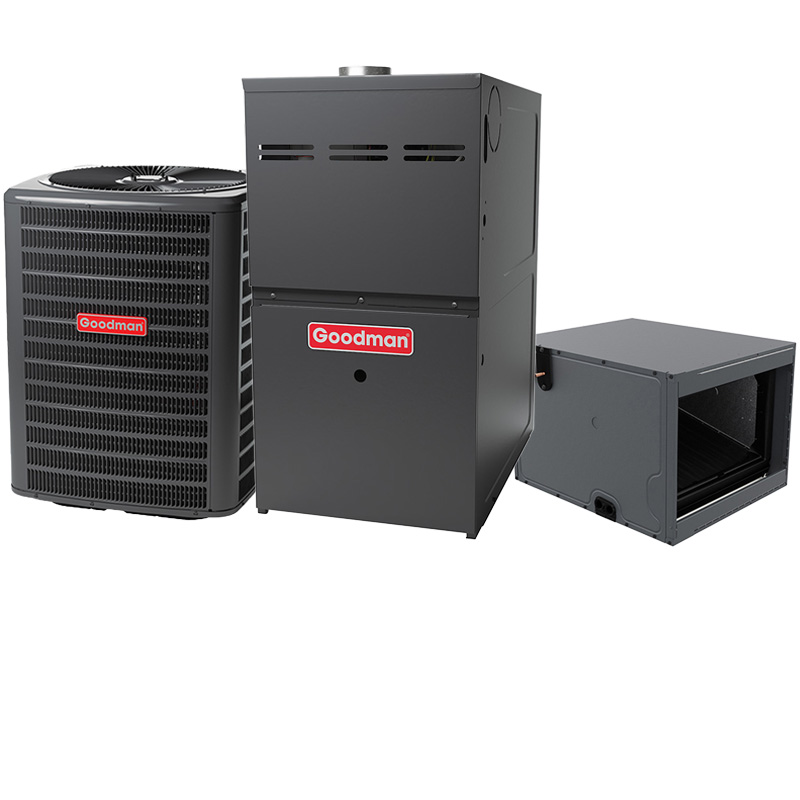
Goodman 4 Ton 14.5 SEER2 80000 BTU 80% AFUE Multi-Speed ECM Gas Furnace System – Horizontal | R32
View on AC Direct see your lowest price →Check current price on AC Direct →
Key features
- 4-ton cooling capacity with 14.5 SEER2 efficiency rating
- 80,000 BTU furnace at 80% AFUE for heating output
- Multi-speed ECM blower motor reduces electricity use and improves humidity control
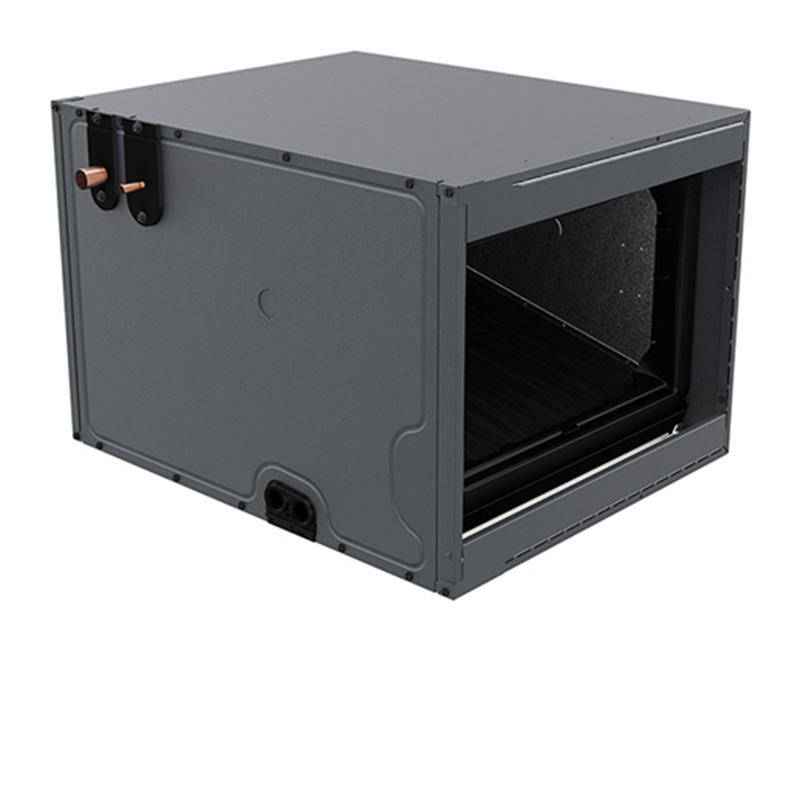
- Horizontal configuration designed for attic, crawlspace, or closet installs
- R-32 refrigerant with lower global warming potential than R-410A
- Priced 15 to 25 percent below comparable Trane, Lennox, and Carrier systems
About this system
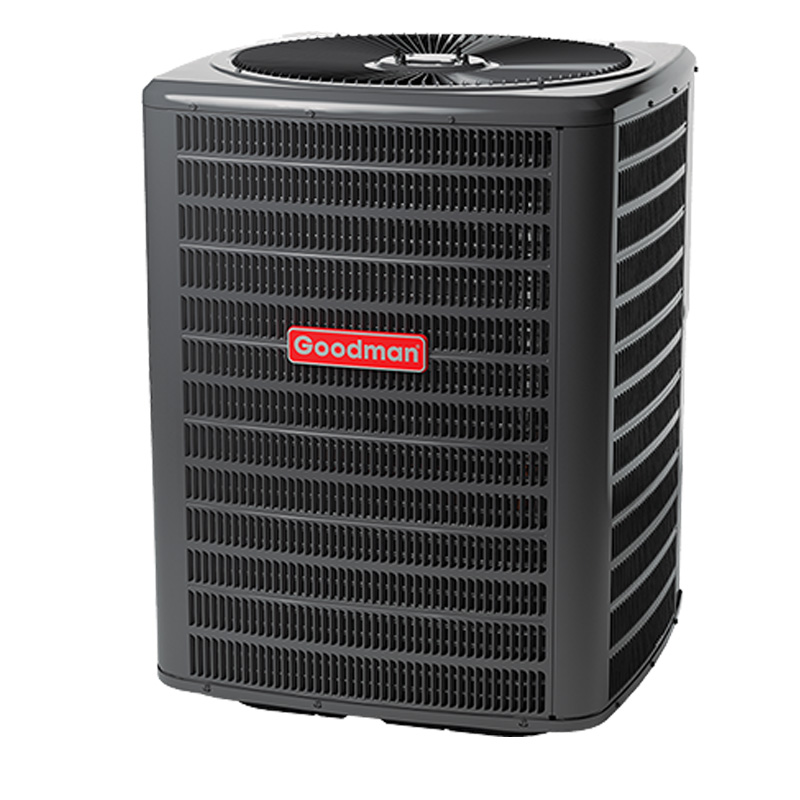
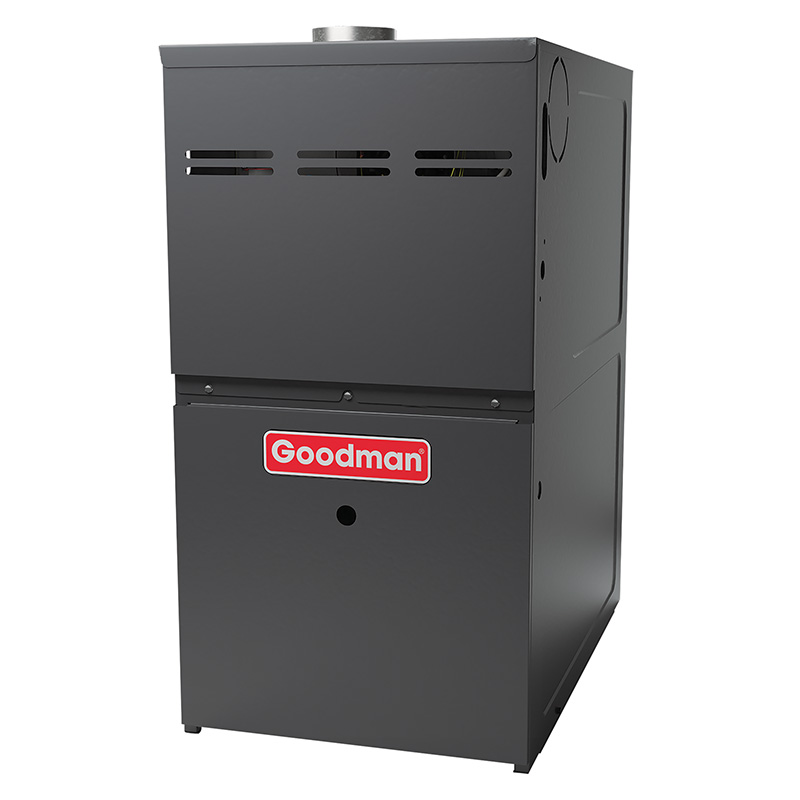
This Goodman 4-ton system pairs a 14.5 SEER2 R-32 cooling unit with an 80,000 BTU, 80% AFUE multi-speed ECM gas furnace configured for horizontal installation, making it a practical choice for attic or crawlspace setups where vertical orientation is not an option. The 4-ton capacity is typically suited to homes in the 1,800 to 2,400 square foot range, though proper Manual J load calculations should always drive that decision. R-32 refrigerant carries a lower global warming potential than the R-410A it replaces, and its slightly higher energy density can improve system efficiency over the long run.
The multi-speed ECM blower motor is one of the more meaningful upgrades at this price tier. Unlike a single-speed motor that runs at full blast or not at all, the ECM motor adjusts airflow to match demand, which reduces electricity consumption at the air handler, softens temperature swings, and tends to improve humidity control compared to fixed-speed alternatives. At 80% AFUE, this furnace converts 80 cents of every dollar of gas into usable heat, which meets federal minimums for most northern climate zones but falls short of the 90-plus percent efficiency available if you are willing to pay more. For buyers in milder climates who run heat infrequently, that trade-off often makes financial sense.
Goodman occupies a specific place in the market: solid equipment sold at a price point that leaves room in the budget for a quality installation and a few years of service calls. This system suits cost-conscious homeowners who understand that long-term performance depends heavily on the technician who installs it and who are comfortable with a brand that sits a tier below Trane, Lennox, or Carrier on reliability metrics.
This Goodman system delivers a credible efficiency and comfort package at a price that undercuts the major premium brands by a meaningful margin. The ECM motor and R-32 refrigerant are genuine value adds at this tier, but buyers should budget for the statistical likelihood of capacitor replacements and be aware that compressor longevity typically runs shorter than premium-brand alternatives. The best outcomes consistently go to homeowners who invest the savings into a thorough, properly commissioned installation.
Overall score is the average of the five ratings above.
What we like
- Significantly lower upfront cost versus Carrier, Trane, and Lennox at similar efficiency
- ECM multi-speed motor improves comfort and lowers blower electricity costs compared to single-speed units
- R-32 refrigerant is more environmentally responsible and slightly more efficient than R-410A
- Horizontal configuration covers install scenarios that standard upflow units cannot
- 14.5 SEER2 meets current federal efficiency standards and reduces cooling operating costs versus older systems
Trade-offs
- Dual-run capacitors are the most frequently reported failure point, typically around years 5 to 8
- Compressor lifespan averages 10 to 14 years, notably shorter than the 15 to 20 years common with premium brands
- Evaporator coil leaks appear in a meaningful share of owner reviews, a recurring cost and comfort concern
- 80% AFUE means 20% of gas is exhausted as waste heat, a real operating cost disadvantage in cold climates compared to 90-plus percent models
What homeowners and pros say about Goodman
Homeowners who follow Goodman on review platforms tend to cluster into two camps: those who had a clean install and view the brand as a reliable workhorse, and those who ran into repair costs after year 7 and feel the savings evaporated. Goodman’s ConsumerAffairs score sits at roughly 2.5 out of 5, a number that reflects the complaint-heavy nature of that platform but also points to a real pattern of repair costs climbing in the back half of a system’s life. Google dealer reviews paint a more moderate picture, averaging around 3.8 out of 5, where affordability is the praise that comes up most consistently. The takeaway from both data points is that Goodman buyers who got a careful, professional install and kept up with maintenance tend to be satisfied; those who cut corners on contractor selection or skipped annual tune-ups are disproportionately represented in the negative reviews.
HVAC technicians who work on Goodman equipment regularly point to a short list of recurring issues specific to the brand. Dual-run capacitors are the most commonly replaced component, a relatively inexpensive fix in the 300 to 600 dollar range but one that catches homeowners off guard when it happens mid-summer. Evaporator coil leaks appear in a notable share of owner accounts and are a more significant repair in both cost and inconvenience. Compressor longevity on Goodman systems tends to average in the 10 to 14 year window, which is measurably shorter than the 15 to 20 years technicians see from Trane, Lennox, and Carrier compressors. A smaller share of owners also report refrigerant issues in the first year, which technicians generally attribute to installation or initial charge problems rather than a manufacturing defect. None of these failure modes are unique to this horizontal system, but they are worth factoring into the total cost of ownership calculation before purchase.
Sources: ConsumerAffairs Goodman owner reviews, AHRI Directory of Certified Product Performance, U.S. DOE appliance and equipment efficiency standards, Goodman product specification sheets.
What it costs to run
At 14.5 SEER2, cooling this 4-ton system for a typical 1200-hour cooling season at the U.S. average electricity rate of $0.17/kWh works out to roughly $675 per year in cooling, about $56 less per year than a minimum-efficiency 13.4 SEER2 unit of the same size. Your real cost depends on your climate and local rate.
Method: (48,000 BTU/hr ÷ 14.5 SEER2) × 1200 hours ÷ 1000 × $0.17/kWh. Rate source: U.S. EIA average; cooling hours: moderate-climate estimate.
How it compares
| Brand | Comparable model | SEER2 | Stage | Price position |
|---|---|---|---|---|
| Goodman | 4-Ton 14.5 SEER2 / 80K BTU 80% AFUE Horizontal ECM System (R-32) | 14.5 | Multi-speed | Value pick |
| Carrier | Performance Series 24ACC6 with 58MVC furnace | 15.2 | Single-stage | Typically 15 to 25 percent more than this Goodman system |
| Trane | XR15 (4TTR5) with S9X1 80% furnace | 15.0 | Single-stage | Typically 15 to 25 percent more than this Goodman system |
| Lennox | Merit ML14XC1 with ML180 furnace | 14.3 | Single-stage | Typically 15 to 25 percent more than this Goodman system |
Competitor rows are comparable single-stage units at similar efficiency; price is relative position, not a quote.
Questions about this system
Is a horizontal-only configuration harder to service than a standard upflow furnace?
It can be. Horizontal units installed in attics or tight crawlspaces are less accessible than basement or closet upflow systems, which can make routine maintenance and service calls more time-consuming. Make sure your installer sets up adequate clearance around the unit and that the condensate drain has a proper trap and easy access for cleaning.
Why does Goodman use R-32 instead of R-410A on this system?
R-32 has roughly one-third the global warming potential of R-410A and is being adopted industry-wide ahead of regulatory phase-downs of higher-GWP refrigerants. It also requires a lower charge weight to achieve the same cooling effect, which can modestly improve efficiency. Not all technicians are yet equipped to handle R-32, so confirm your service provider has the proper tools and certifications before scheduling work.
What does the multi-speed ECM motor actually do differently compared to a standard blower?
A standard single-speed blower runs at one fixed airflow rate whenever it is on, regardless of whether the system needs full capacity. The ECM motor in this furnace adjusts its speed based on system demand, which means lower electricity draw during partial-load operation, more even temperatures from room to room, and better moisture removal during cooling cycles. In humid climates, that last benefit is worth noting.
How often should I expect to replace the capacitor, and what does that cost?
Dual-run capacitors are the most commonly reported failure on Goodman systems, with many owners seeing a replacement sometime after year 5 or 6. A capacitor replacement typically runs in the 300 to 600 dollar range including labor and is a straightforward repair. Keeping a service agreement or scheduling annual tune-ups gives a technician the chance to catch a weakening capacitor before it causes a no-cool situation in peak summer heat.
Does Goodman's warranty require registration, and what does it actually cover?
Yes, full warranty coverage generally requires online product registration within a set window after installation, typically 60 days. Registered units from Goodman usually receive a 10-year parts warranty; unregistered units drop to a shorter coverage period. The warranty covers parts but not labor, so out-of-pocket costs for any covered repair still include the technician's time. Confirm the current warranty terms directly with Goodman or your dealer at the time of purchase, as terms can change.
Specifications
| Cooling capacity | 4 Ton |
| Efficiency | 14.5 SEER2 |
| Furnace output | 80000 BTU |
| Furnace efficiency | 80% AFUE |
| Configuration | Horizontal |
| Refrigerant | R-32 |