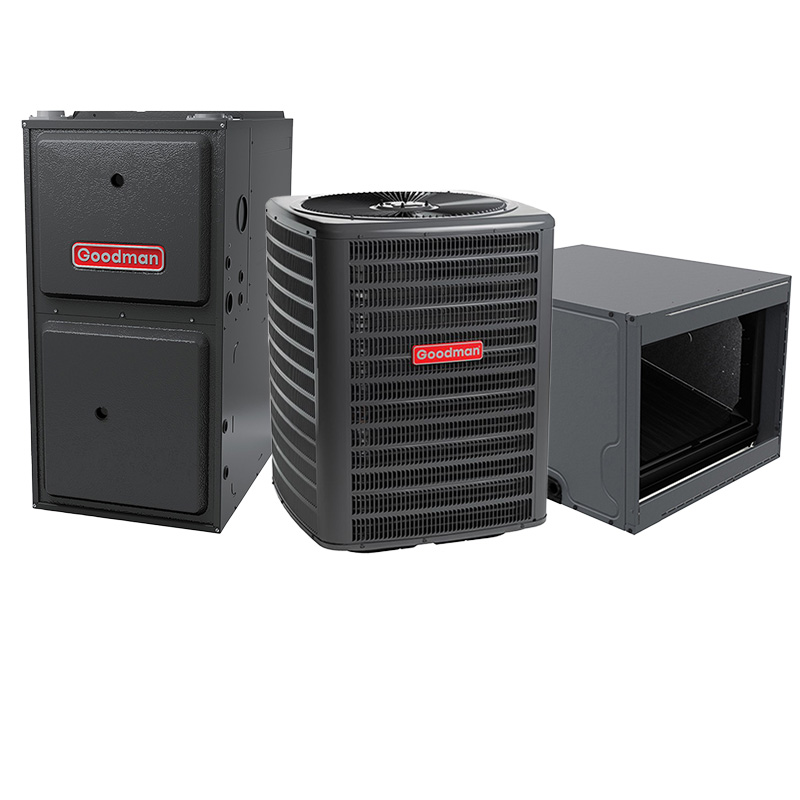
Goodman 4 Ton 14.5 SEER2 80000 BTU 80% AFUE Two Stage Multi-Speed ECM Gas Furnace System – Horizontal | R32
View on AC Direct see your lowest price →Check current price on AC Direct →
Key features
- 4-ton cooling capacity with 14.5 SEER2 efficiency rating
- Two-stage gas furnace at 80,000 BTU and 80% AFUE
- Multi-speed ECM blower motor for quieter, more efficient air delivery
- Horizontal configuration designed for attic or crawl space installs
- R-32 refrigerant with lower global warming potential than R-410A
- Compatible with Goodman communicating controls for enhanced diagnostics
About this system
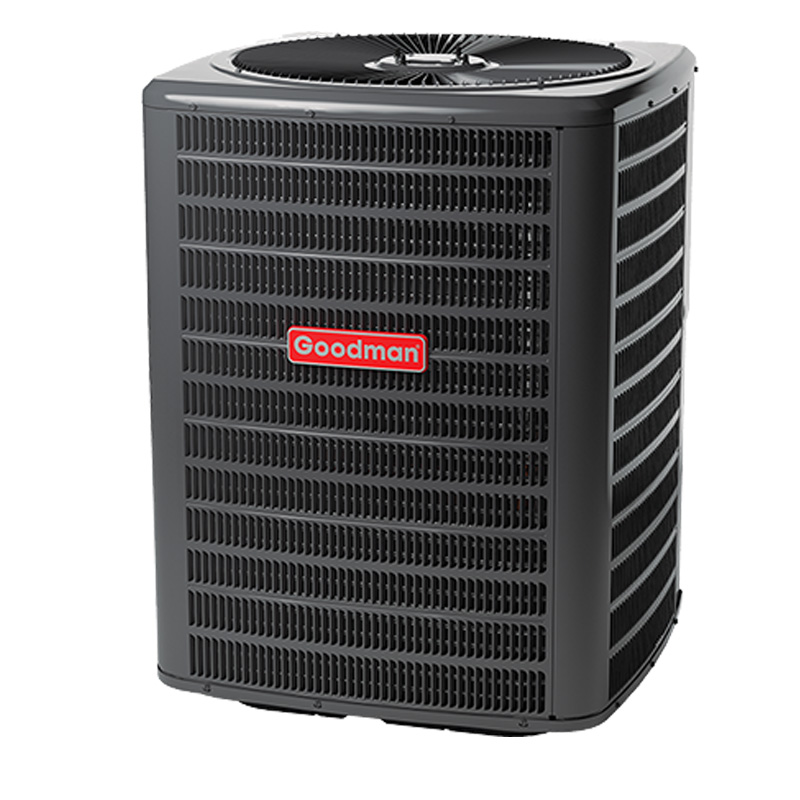
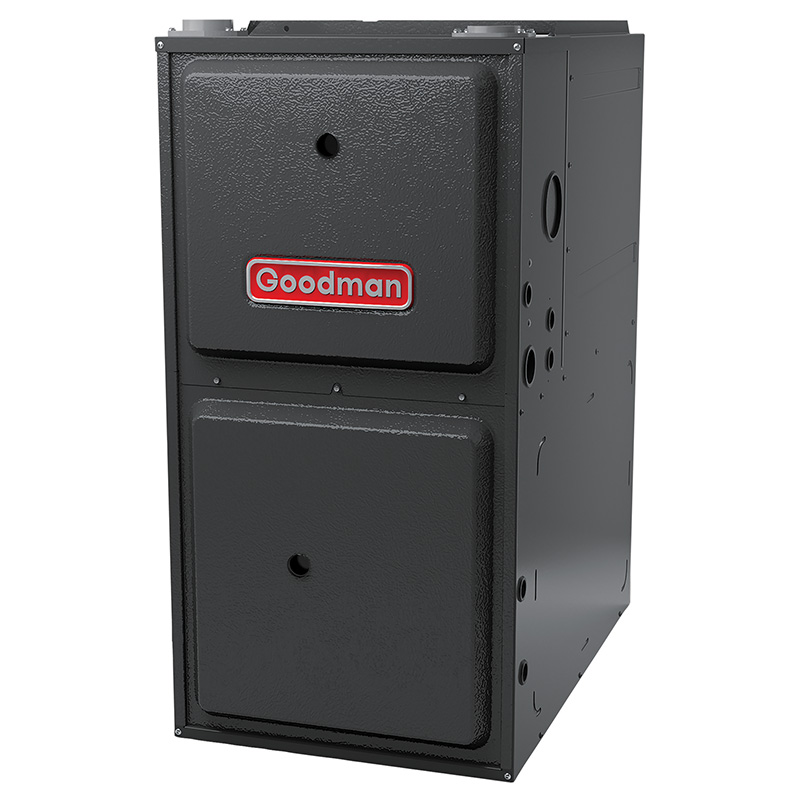
The Goodman GLXS4BA4810 is a 4-ton, 14.5 SEER2 split system paired with an 80,000 BTU, 80% AFUE two-stage gas furnace, configured for horizontal installation and charged with R-32 refrigerant. That combination targets homes in the 2,000 to 2,600 square foot range that need a capable, budget-conscious replacement or new-construction system without paying a premium for top-tier brand nameplate. The horizontal configuration makes it a practical fit for attic or crawl space installations where vertical clearance is limited.
The two-stage furnace and multi-speed ECM blower work together to reduce temperature swings and improve air distribution compared to a single-stage setup. On mild days the furnace runs at its lower stage, which keeps the system cycling less aggressively and helps with humidity control in cooling mode. The ECM motor is also meaningfully more efficient than a standard PSC blower, trimming electricity consumption at the air handler side. R-32 has a lower global warming potential than R-410A and is increasingly common in new equipment, though it does narrow your pool of service technicians slightly in some markets.
The 80% AFUE rating means one-fifth of combustion energy exits through the flue, which is acceptable in mild to moderate climates but leaves money on the table in cold northern regions where a 96% AFUE two-stage system would pay back the price difference faster. Buyers who live where heating loads are modest and want a reliable workhorse without overpaying for a premium brand are the core audience for this system.
This system delivers solid mid-tier performance at a price point 15 to 25 percent below comparable Carrier, Trane, and Lennox equipment, making it a reasonable choice for budget-aware buyers who prioritize upfront cost. The two-stage furnace and ECM blower add genuine comfort value over entry-level single-stage alternatives. Long-term ownership costs depend heavily on installation quality and willingness to address maintenance items like capacitors as the system ages past year seven.
Overall score is the average of the five ratings above.
What we like
- Lower purchase price than comparable Carrier, Trane, or Lennox systems by a meaningful margin
- Two-stage heating reduces temperature swings and supports better humidity control in cooling season
- ECM blower motor cuts electricity use compared to standard PSC motors
- Horizontal configuration specifically suited to attic and tight-clearance installs
- R-32 refrigerant is environmentally preferable to R-410A and is increasingly serviceable
Trade-offs
- 80% AFUE is the minimum federal standard in many regions and a poor fit for cold climates where heating bills are high
- Dual-run capacitors are the most documented early failure point, typically requiring a 300 to 600 dollar repair after several years
- Compressor lifespan averages 10 to 14 years versus 15 to 20 years for premium brands, raising long-run replacement risk
- A minority of owners report evaporator coil leaks and refrigerant loss, outcomes that climb sharply if initial installation quality is poor
What homeowners and pros say about Goodman
Homeowners who chose Goodman equipment most often point to the price as the deciding factor, and dealer Google reviews averaging around 3.8 out of 5 reflect that many buyers end up satisfied when their equipment is installed correctly and maintained on schedule. The affordability gap versus Carrier, Trane, and Lennox is real and consistent, and for owners in moderate climates who are not planning to stay in the home for 20 years, that trade-off can make sense. Where frustration shows up, and where the ConsumerAffairs score of roughly 2.5 out of 5 is most relevant, is in the post-year-seven window when dual-run capacitors start failing and repair bills begin stacking. Those capacitor replacements are not catastrophic, usually landing in the 300 to 600 dollar range, but they tend to catch owners off guard if they budgeted only for the initial install.
HVAC technicians who service Goodman equipment regularly note that installation quality is the single largest variable in how long a unit lasts, more so than with premium brands that have tighter factory tolerances built in. The documented failure modes for Goodman, specifically capacitor failures, evaporator coil leaks, and compressor lifespans that average 10 to 14 years rather than the 15 to 20 years more common in premium equipment, are not deal-breakers for buyers who go in with clear expectations. Choosing an experienced, licensed installer and keeping up with annual maintenance addresses a significant share of the risk. For this horizontal system in particular, technicians emphasize that correct condensate drainage and proper refrigerant charge at startup are critical, since a minority of early refrigerant loss reports across Goodman’s lineup trace back to install or initial charge issues rather than factory defects.
Sources: ConsumerAffairs Goodman owner reviews, AHRI Directory of Certified Product Performance, U.S. DOE appliance and equipment efficiency standards, Goodman product specification sheets.
What it costs to run
At 14.5 SEER2, cooling this 4-ton system for a typical 1200-hour cooling season at the U.S. average electricity rate of $0.17/kWh works out to roughly $675 per year in cooling, about $56 less per year than a minimum-efficiency 13.4 SEER2 unit of the same size. Your real cost depends on your climate and local rate.
Method: (48,000 BTU/hr ÷ 14.5 SEER2) × 1200 hours ÷ 1000 × $0.17/kWh. Rate source: U.S. EIA average; cooling hours: moderate-climate estimate.
How it compares
| Brand | Comparable model | SEER2 | Stage | Price position |
|---|---|---|---|---|
| Goodman | GLXS4BA4810 | 14.5 | two-stage | Value pick |
| Carrier | Performance 16 (25HCE6) | 15.2 | two-stage | Typically 20 to 25 percent more than this Goodman |
| Trane | XR15 | 15.0 | two-stage | Typically 20 to 30 percent more than this Goodman |
| Lennox | Merit ML14XC1 | 15.0 | single-stage | Typically 15 to 25 percent more than this Goodman |
Competitor rows are comparable single-stage units at similar efficiency; price is relative position, not a quote.
Questions about this system
Is 80% AFUE good enough, or should I upgrade to a higher-efficiency furnace in this system?
If you are in a climate with fewer than 5,000 heating degree days annually, 80% AFUE is serviceable and the payback on a 96% AFUE unit can stretch to 10 or more years. In colder northern climates where the furnace runs heavily from October through April, upgrading to a 96% AFUE two-stage model can recover the price difference in 4 to 6 years through lower gas bills.
What does the horizontal configuration actually mean, and does it limit where I can install this system?
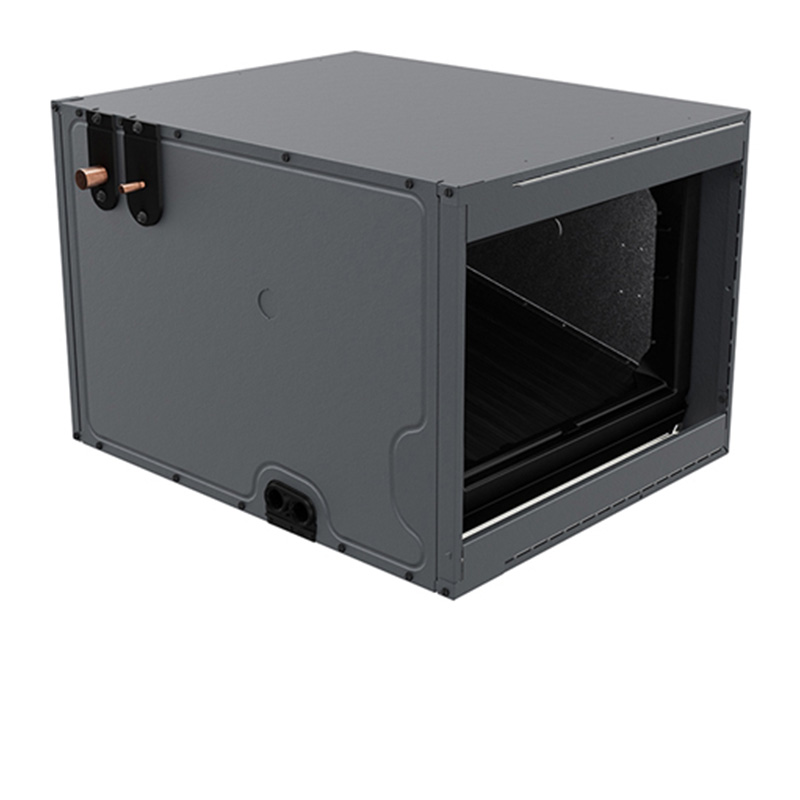
Horizontal means the air handler cabinet is designed to lie on its side, with airflow moving laterally through the unit rather than vertically. This suits attic installations with low rafters or crawl space setups where an upright cabinet would not fit. It does require a drain pan underneath and correct pitch for condensate drainage, so your installer needs to account for that during the rough-in.
R-32 is newer to residential splits. Will it be easy to service in my area?
R-32 is growing in market share as R-410A is phased out under EPA regulations, and most established HVAC contractors are either already certified or actively training for it. In rural or smaller markets you may want to confirm your preferred service company handles R-32 before purchasing, since a small number of independent shops have not yet stocked it.
The ConsumerAffairs rating for Goodman is around 2.5 out of 5. Should that concern me?
ConsumerAffairs is a complaint-heavy channel where satisfied customers rarely post, so the score is skewed toward frustrated owners and should not be read as a representative sample. The recurring theme in those reviews is repair costs rising after roughly year seven, specifically capacitors and coil issues, which aligns with the known failure modes for this brand. Pairing this system with a quality installation and budgeting for a capacitor replacement somewhere between years five and ten is a reasonable expectation.
Does this system come with a warranty, and what does it actually cover?
Goodman typically offers a 10-year parts limited warranty on registered systems, which covers the compressor, coil, and most internal components. Registration must be completed within a set window after installation or the warranty defaults to a shorter period, so confirming registration with your installer is important. Labor is not included in the manufacturer warranty, meaning any repair call will carry a separate service charge on top of covered parts.
Specifications
| Cooling capacity | 4 Ton |
| Efficiency | 14.5 SEER2 |
| Furnace output | 80000 BTU |
| Furnace efficiency | 80% AFUE |
| Configuration | Horizontal |
| Refrigerant | R-32 |
| Model | GLXS4BA4810 |