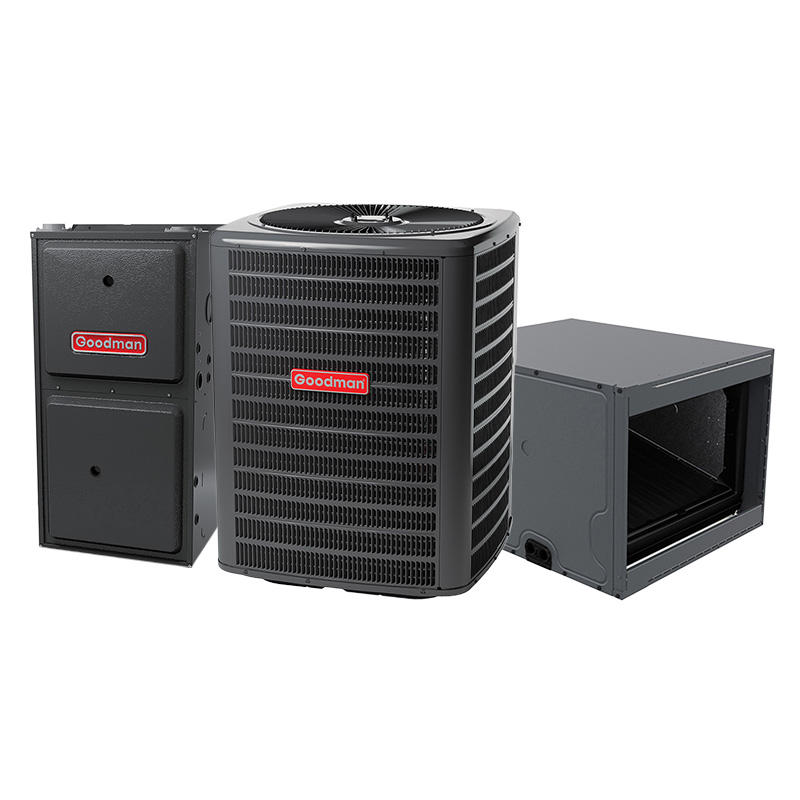
Goodman 4 Ton 14.5 SEER2 AC & Gas Furnace System – Modulating Variable-Speed, 80000 BTU Gas Furnace, 97% AFUE, Horizontal, R32
View on AC Direct see your lowest price →Check current price on AC Direct →
Key features
- 4-ton cooling capacity with 14.5 SEER2 efficiency rating
- 97% AFUE modulating gas furnace, 80,000 BTU output
- Horizontal configuration for attic or crawl-space duct layouts
- R-32 refrigerant with lower global-warming potential than R-410A
- Variable-speed blower for steadier temperatures and improved dehumidification
- Modulating burner adjusts heat output in small increments to reduce temperature swings
About this system
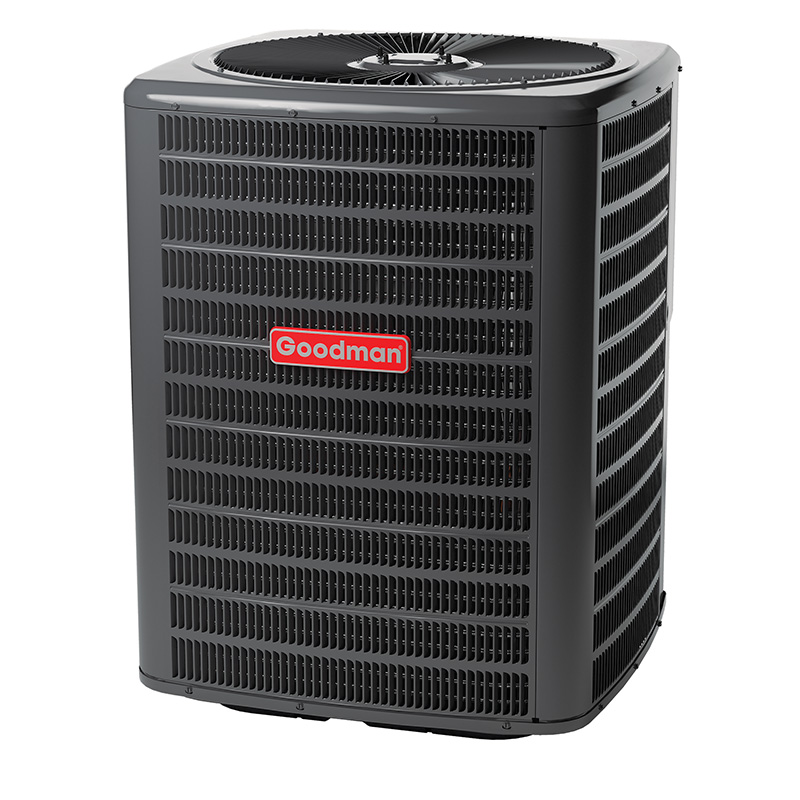
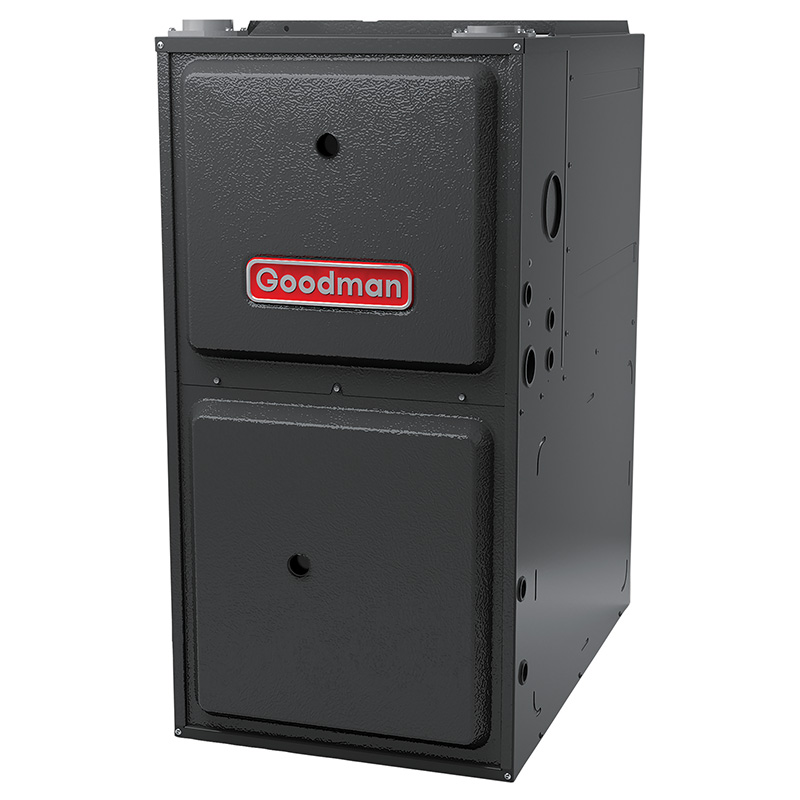
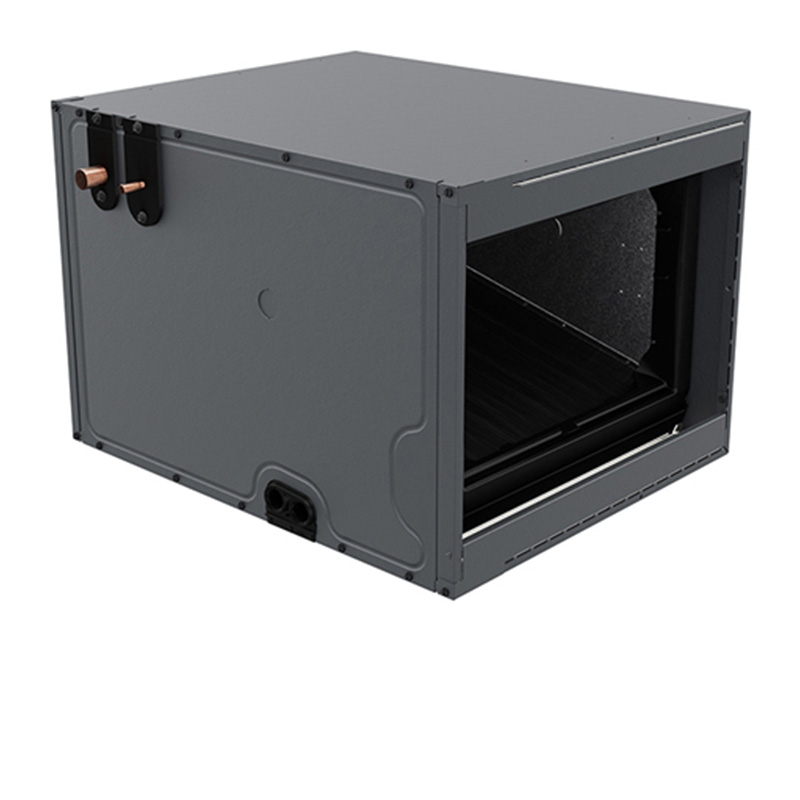
The Goodman GLXS5BA4810D pairs a 4-ton, 14.5 SEER2 variable-speed air conditioner with an 80,000 BTU, 97% AFUE modulating gas furnace in a horizontal configuration designed for attic or crawl-space installs where vertical positioning is not possible. The R-32 refrigerant charge is lower in global-warming potential than the R-410A it replaces, and the modulating burner stages output in fine increments rather than just on or off, which means the furnace spends more time running at partial capacity and less time overshooting your setpoint. Variable-speed airflow compounds that comfort benefit by maintaining steadier temperatures and reducing the humidity swings that bother people in mixed climates.
At 97% AFUE, nearly all of the gas consumed is converted to usable heat, putting this furnace at the top of the efficiency tier and making it a reasonable fit for climates with cold winters where heating costs are a meaningful part of the annual utility bill. The 14.5 SEER2 rating on the cooling side lands at the entry level of current federal minimums in most regions, which is honest to note: buyers prioritizing long-term cooling efficiency should understand this system earns its keep mainly on the heating side. It suits homeowners replacing aging equipment in homes with existing horizontal duct runs who want a high-efficiency furnace without paying premium-brand prices, provided they budget for a careful, qualified install.
This system delivers a genuinely high-efficiency furnace and comfort-focused variable-speed airflow at a price point that undercuts comparable Carrier, Trane, and Lennox setups by 15 to 25 percent. The 97% AFUE is real and the modulating operation is real, but the 14.5 SEER2 cooling efficiency is only entry-level, and Goodman's long-term reliability record means installation quality and ongoing maintenance matter more here than they would with a premium brand. Buyers who get a skilled installer and keep up with service intervals can do well; those who cut corners on either tend to be the ones leaving the negative reviews.
Overall score is the average of the five ratings above.
What we like
- 97% AFUE places the furnace among the most efficient gas units available, reducing winter heating costs meaningfully
- Modulating burner combined with variable-speed blower provides noticeably more even temperatures and better humidity control than single-stage systems
- Horizontal configuration addresses a real installation need in homes where vertical units simply will not fit
- R-32 refrigerant meets current and anticipated regulatory direction, reducing the risk of a costly refrigerant transition later
- Purchase price runs 15 to 25 percent below comparable Carrier, Trane, and Lennox systems, freeing budget for a quality install or service contract
Trade-offs
- 14.5 SEER2 is the low end of current efficiency standards; homeowners in hot climates with long cooling seasons will see limited savings on summer electric bills
- Goodman compressors average 10 to 14 years in documented owner experience, shorter than the 15 to 20 years typically reported for premium brands
- Dual-run capacitor failures and evaporator coil leaks are recurring complaints in owner reviews, with coil leaks being the more costly and disruptive of the two
- Performance is heavily dependent on installer skill; a poor charge, incorrect airflow, or improper horizontal drain setup can produce early failures that owners sometimes attribute to the equipment
What homeowners and pros say about Goodman
Goodman’s reputation in the homeowner community is genuinely split. On ConsumerAffairs, the brand scores around 2.5 out of 5, a number pulled down by the nature of that platform, which skews toward owners who had problems. The recurring theme in those complaints is repair costs climbing after roughly year seven, consistent with documented failure modes like dual-run capacitor failures and evaporator coil leaks showing up mid-life. Google dealer reviews tell a somewhat more favorable story, averaging around 3.8 out of 5 across locations, where affordability is the praise that comes up most often. Neither number tells the whole story, but together they sketch a brand that delivers solid value up front with a reliability ceiling that sits below premium competitors.
Among HVAC technicians, Goodman is a known quantity: serviceable equipment, straightforward to work on, and heavily dependent on who puts it in and how well the homeowner maintains it. The specific failure modes technicians mention most are dual-run capacitors, which fail regularly but are usually a quick, low-cost fix in the three-hundred to six-hundred dollar range, and evaporator coil leaks, which are more involved to address. Compressor longevity is the other honest concern: documented owner experience puts average compressor life at ten to fourteen years for Goodman versus fifteen to twenty for premium brands. For this horizontal modulating system specifically, technicians flag correct condensate slope and a precise refrigerant charge as the two install details that separate a long-running unit from one that causes early grief. A first-year refrigerant leak, when it appears in reviews, almost always traces back to install or initial charge rather than a manufacturing defect.
Sources: ConsumerAffairs Goodman owner reviews, AHRI Directory of Certified Product Performance, U.S. DOE appliance and equipment efficiency standards, Goodman product specification sheets.
What it costs to run
At 14.5 SEER2, cooling this 4-ton system for a typical 1200-hour cooling season at the U.S. average electricity rate of $0.17/kWh works out to roughly $675 per year in cooling, about $56 less per year than a minimum-efficiency 13.4 SEER2 unit of the same size. Your real cost depends on your climate and local rate.
Method: (48,000 BTU/hr ÷ 14.5 SEER2) × 1200 hours ÷ 1000 × $0.17/kWh. Rate source: U.S. EIA average; cooling hours: moderate-climate estimate.
How it compares
| Brand | Comparable model | SEER2 | Stage | Price position |
|---|---|---|---|---|
| Goodman | GLXS5BA4810D | 14.5 | Variable / Modulating | Value pick |
| Carrier | Performance 14 Series (24ACC6) | 14.3 | Single-stage | Typically 15 to 25 percent more than Goodman |
| Trane | XR14c Series | 14.3 | Single-stage | Typically 15 to 25 percent more than Goodman |
| Lennox | Merit ML14XC1 Series | 14.3 | Single-stage | Typically 15 to 25 percent more than Goodman |
Competitor rows are comparable single-stage units at similar efficiency; price is relative position, not a quote.
Questions about this system
Why is the SEER2 only 14.5 on a system with such a high-efficiency furnace?
AFUE and SEER2 measure different equipment: AFUE applies to the furnace and SEER2 applies to the air conditioner. This system prioritizes heating efficiency with a 97% AFUE modulating furnace, while the cooling unit is spec'd at the entry-level 14.5 SEER2. Buyers who want higher cooling efficiency would need to pair a higher-SEER2 outdoor unit with the system, or choose a different package.
Is a horizontal configuration more difficult or expensive to install than a standard upflow unit?
Horizontal installs add complexity because condensate drainage must be carefully sloped and the unit must be properly supported and sealed in the space, whether that is an attic or crawl area. Installers familiar with horizontal applications handle this routinely, but it does mean labor time tends to run slightly higher than a straightforward upflow replacement, and an inexperienced installer is more likely to create drainage or airflow problems in this configuration.
What does the modulating furnace actually do differently from a two-stage furnace?
A two-stage furnace runs at roughly two output levels, typically around 65 percent and 100 percent. A modulating furnace adjusts in much finer steps, often as low as 40 percent capacity, and ramps up gradually. Combined with the variable-speed blower, this means the system can run for longer periods at lower output, which smooths out temperature swings and keeps humidity more consistent compared to either single-stage or two-stage operation.
How serious is the evaporator coil leak issue that shows up in Goodman reviews?
Evaporator coil leaks are among the more significant documented failure modes in Goodman owner reviews because repairing or replacing a coil is labor-intensive and expensive relative to a capacitor swap. They are not universal, but they appear frequently enough in owner feedback to be worth noting. Ensuring the system is properly charged at install and having the coil inspected during annual maintenance visits can help catch slow leaks before refrigerant loss becomes a larger problem.
Does this system qualify for any federal or utility efficiency incentives?
The 97% AFUE furnace meets the efficiency threshold for the federal Residential Clean Energy and Energy Efficient Home Improvement credits under current IRS guidance, which can cover a portion of equipment and installation costs. However, tax rules change and eligibility depends on your specific situation, so confirming with a tax professional and checking your utility's rebate program before purchase is the right approach.
Specifications
| Cooling capacity | 4 Ton |
| Efficiency | 14.5 SEER2 |
| Furnace output | 80000 BTU |
| Furnace efficiency | 97% AFUE |
| Configuration | Horizontal |
| Refrigerant | R-32 |
| Model | GLXS5BA4810D |