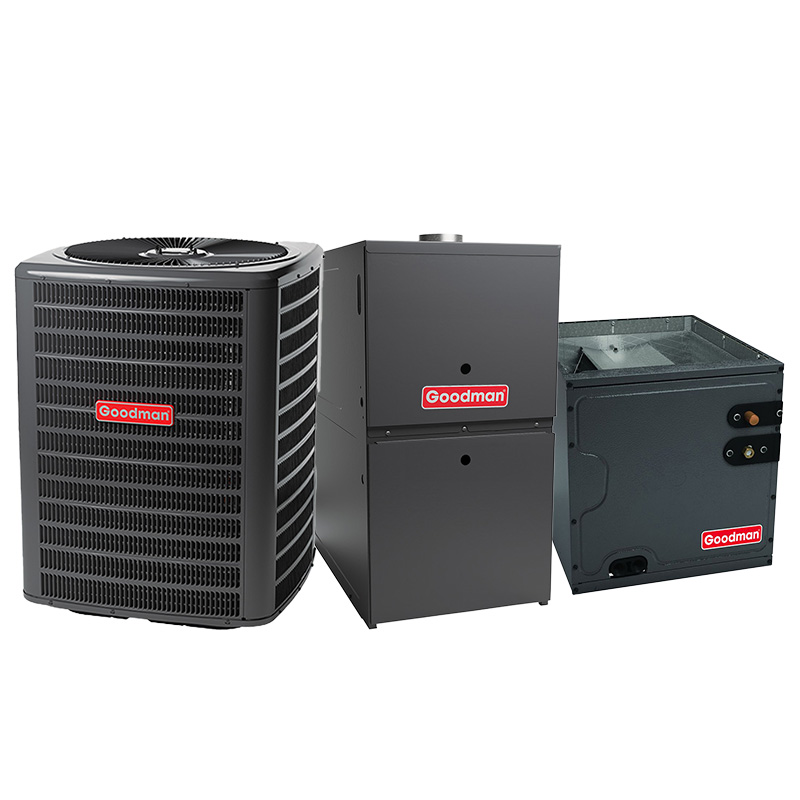
Goodman 4 Ton 14.5 SEER2 AC & Gas Furnace System – Two Stage Variable-Speed 80000 BTU Gas Furnace, 80% AFUE, Upflow, R32
View on AC Direct see your lowest price →Check current price on AC Direct →
Key features
- Two-stage compressor runs at reduced capacity on mild days to lower humidity and reduce cycling
- Variable-speed ECM blower delivers quieter, more even airflow than single-speed alternatives
- R-32 refrigerant offers lower global-warming potential and meets current regulatory direction
- 80,000 BTU upflow gas furnace rated at 80% AFUE for moderate-climate heating efficiency
- 14.5 SEER2 efficiency meets current federal minimums and qualifies in most utility rebate tiers
- Goodman factory warranty covers the compressor and heat exchanger for an extended term when registered
About this system
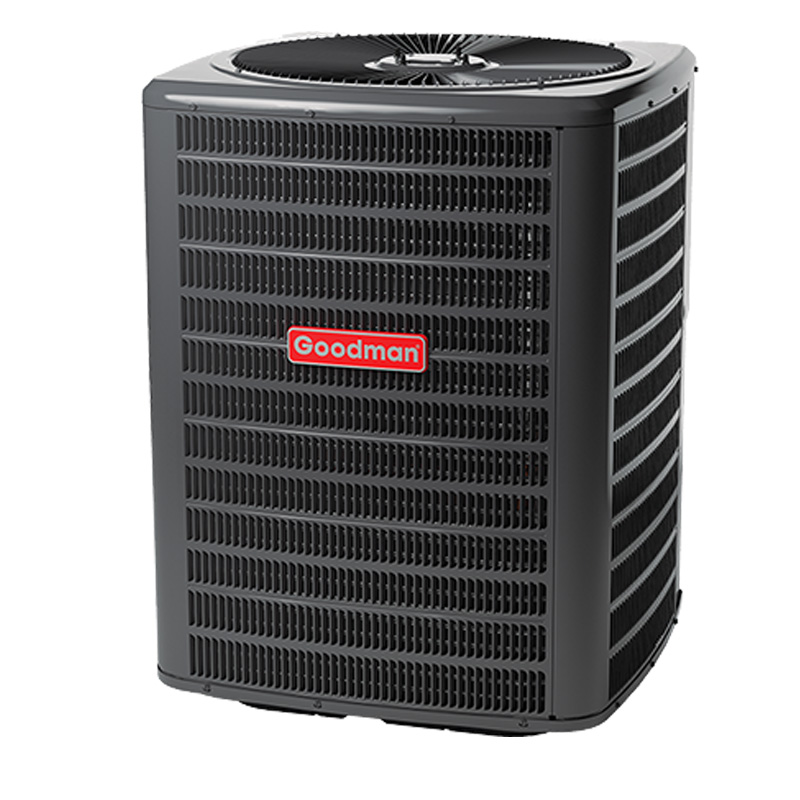
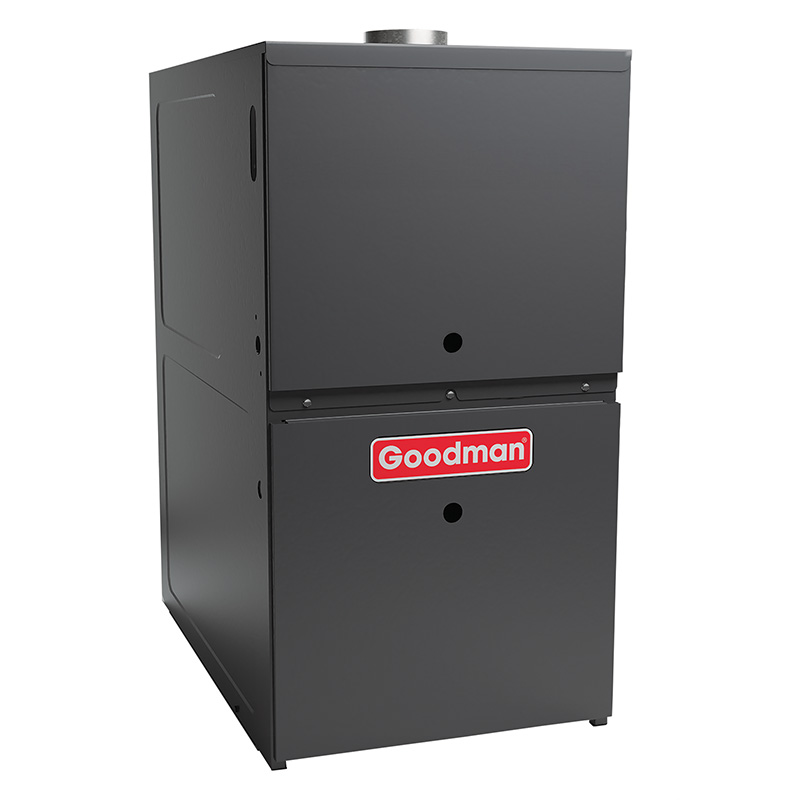
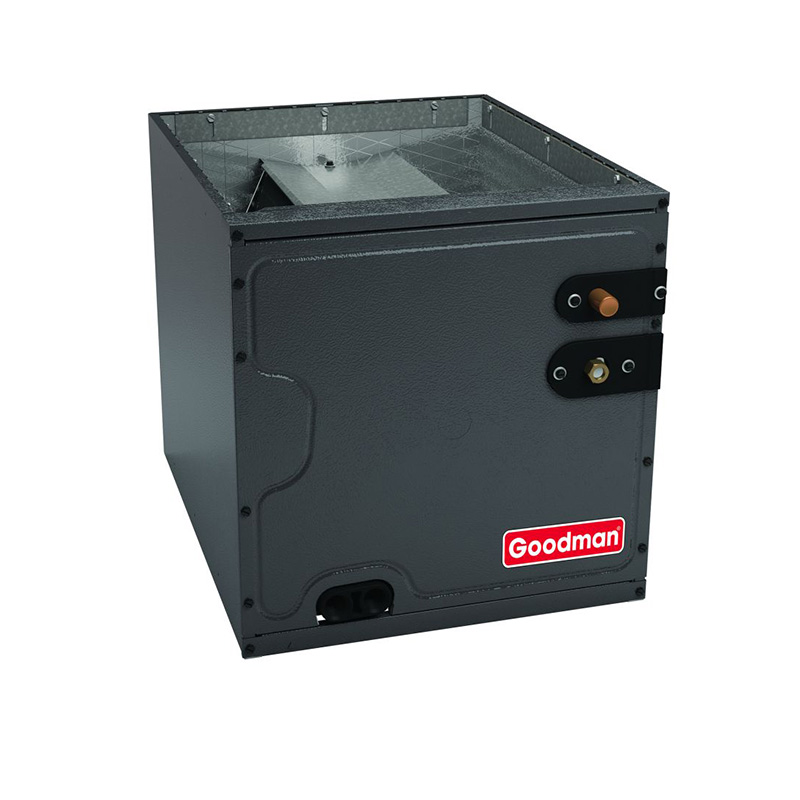
The Goodman 4-Ton 14.5 SEER2 system pairs a two-stage, variable-speed air conditioner with an 80,000 BTU upflow gas furnace rated at 80% AFUE. The two-stage compressor runs at a lower capacity on milder days, which cuts cycling, holds indoor humidity better, and puts less wear on the equipment than a single-stage unit running flat out every time it kicks on. The variable-speed air handler moves air more quietly and evenly than a single-speed blower, which most homeowners notice in both comfort and utility bills. R-32 refrigerant has a lower global-warming potential than the R-410A it replaces and is the direction the industry is moving, so this system is positioned for long-term regulatory compliance.
At 80% AFUE, the furnace converts eight of every ten units of gas into usable heat, which is the minimum efficiency tier for modern equipment. Homeowners in moderate heating climates or those replacing an older 80% furnace will find this a practical match, but buyers in colder regions or those with high heating loads should price a 96% AFUE two-stage option before committing. The upflow configuration assumes the unit sits in a basement or utility closet and pushes conditioned air up through floor registers, so confirm your duct layout before ordering. Together this is a mid-entry system well suited to homes between roughly 2,000 and 2,600 square feet in mixed climates, provided it is sized correctly by a load calculation and installed by a licensed technician.
This Goodman system delivers two-stage comfort features and R-32 refrigerant at a price point 15 to 25 percent below comparable Carrier, Trane, and Lennox equipment, making it a genuine value pick for budget-conscious buyers who are willing to invest in quality installation. The 80% AFUE furnace is adequate but not exceptional for heating-heavy climates, and the brand's documented track record of capacitor failures and shorter compressor lifespan means buyers should budget for maintenance after year seven. It is a reasonable choice for the right home and the right installer, not a hands-off set-and-forget investment.
Overall score is the average of the five ratings above.
What we like
- Two-stage cooling improves humidity control and comfort compared to single-stage systems at a similar price
- Variable-speed blower reduces noise and can lower fan energy costs over time
- R-32 refrigerant is forward-compatible with upcoming regulatory requirements
- Priced 15 to 25 percent below comparable Trane, Lennox, and Carrier systems for buyers with tighter budgets
- Widely available replacement parts, including the commonly needed dual-run capacitors, keeping repair costs manageable
Trade-offs
- 80% AFUE is the lowest efficiency tier available; homeowners in cold climates will pay more to heat versus a 96% AFUE unit
- Compressor lifespan averages 10 to 14 years, shorter than the 15 to 20 years documented for premium-brand compressors
- Evaporator coil leaks are a recurring complaint in owner reviews and can be a costly mid-life repair
- A minority of owners report refrigerant leaks in the first year, typically traced to installation quality rather than the unit itself
What homeowners and pros say about Goodman
On ConsumerAffairs, Goodman sits at roughly 2.5 out of 5, a score shaped by a platform that draws disproportionately from owners who had problems rather than owners who are satisfied. The recurring theme in those reviews is repair costs climbing after year seven, with evaporator coil leaks and compressor issues cited most often. On Google dealer reviews, where the customer base is broader, Goodman scores around 3.8 out of 5, and affordability is consistently the reason buyers say they chose it. For this specific system, that split reflects a real tension: the upfront price is genuinely competitive, but some owners find the savings erode if they face a coil leak or an early compressor replacement.
HVAC technicians who work on Goodman equipment regularly point to dual-run capacitors as the most routine service call they handle on these units. The repair itself is low-cost and straightforward, but it underscores the importance of annual maintenance to catch components before they fail. Compressor lifespan on Goodman equipment is documented at roughly 10 to 14 years, compared to 15 to 20 years on premium-brand compressors, which is a real long-term cost consideration for buyers planning to stay in their home. A minority of owners also report refrigerant leaks within the first year, and technicians consistently attribute those to installation or charge issues rather than defects in the equipment itself, which makes choosing an experienced installer one of the most important decisions a buyer of this system will make.
Sources: ConsumerAffairs Goodman owner reviews, AHRI Directory of Certified Product Performance, U.S. DOE appliance and equipment efficiency standards, Goodman product specification sheets.
What it costs to run
At 14.5 SEER2, cooling this 4-ton system for a typical 1200-hour cooling season at the U.S. average electricity rate of $0.17/kWh works out to roughly $675 per year in cooling, about $56 less per year than a minimum-efficiency 13.4 SEER2 unit of the same size. Your real cost depends on your climate and local rate.
Method: (48,000 BTU/hr ÷ 14.5 SEER2) × 1200 hours ÷ 1000 × $0.17/kWh. Rate source: U.S. EIA average; cooling hours: moderate-climate estimate.
How it compares
| Brand | Comparable model | SEER2 | Stage | Price position |
|---|---|---|---|---|
| Goodman | GSXH5 / GMVC8 Series (4-Ton, 80K BTU) | 14.5 | Two-stage / Variable-speed | Value pick |
| Carrier | Performance 14 Series (25HCC / 59SC80) | 14.5–15 | Single-stage | Typically 15 to 25 percent more than this Goodman system |
| Trane | XR14 / S8X1 Series | 14.5–15 | Single-stage | Typically 15 to 25 percent more than this Goodman system |
| Lennox | Merit 14 Series (ML14 / SL280) | 14.5–15 | Single-stage | Typically 15 to 25 percent more than this Goodman system |
Competitor rows are comparable single-stage units at similar efficiency; price is relative position, not a quote.
Questions about this system
Is 14.5 SEER2 enough to qualify for utility rebates on a 4-ton system?
Many utilities set their rebate threshold at 15 SEER2 or higher for central AC systems, so 14.5 SEER2 may fall just short of rebate eligibility in your area. Check your utility's current rebate schedule before purchasing, because thresholds vary significantly by region and change year to year.
Why does the upflow configuration matter, and how do I know if it fits my home?
An upflow furnace pulls return air from the bottom and delivers heated or cooled air through the top, which works correctly only when ductwork runs above the unit, as in a basement or main-floor installation with floor or ceiling registers above. If your ductwork runs below the unit, you need a downflow or horizontal model instead. Confirm your duct layout with your installer before ordering to avoid a costly equipment exchange.
What should I know about R-32 refrigerant before committing to this system?
R-32 has a lower global-warming potential than R-410A and is where the HVAC industry is heading, but it is mildly flammable and classified A2L. Most jurisdictions allow its use in residential systems, but your installer should be trained in A2L handling procedures. Parts and refrigerant availability are growing rapidly as R-32 becomes the new standard.
The brand facts mention capacitor failures. How worried should I be about that?
Dual-run capacitor failures are the most commonly reported repair on Goodman equipment, but they are also one of the least expensive HVAC repairs, typically running between 300 and 600 dollars including labor. Keeping a service agreement in place after year five means a technician will catch a weakening capacitor before it takes the compressor down with it.
Does the two-stage compressor actually make a noticeable difference versus a single-stage unit at this price range?
For a 4-ton system, the difference is real: on mild days the unit runs at low stage for longer, which removes more moisture from the air and keeps temperatures more even than a single-stage unit that cycles on and off at full power. The benefit is most noticeable during shoulder seasons and in humid climates. In a dry climate with short summers, the comfort gain is smaller and the simpler single-stage option may offer better long-term reliability for the same money.
Specifications
| Cooling capacity | 4 Ton |
| Efficiency | 14.5 SEER2 |
| Furnace output | 80000 BTU |
| Furnace efficiency | 80% AFUE |
| Configuration | Upflow |
| Refrigerant | R-32 |