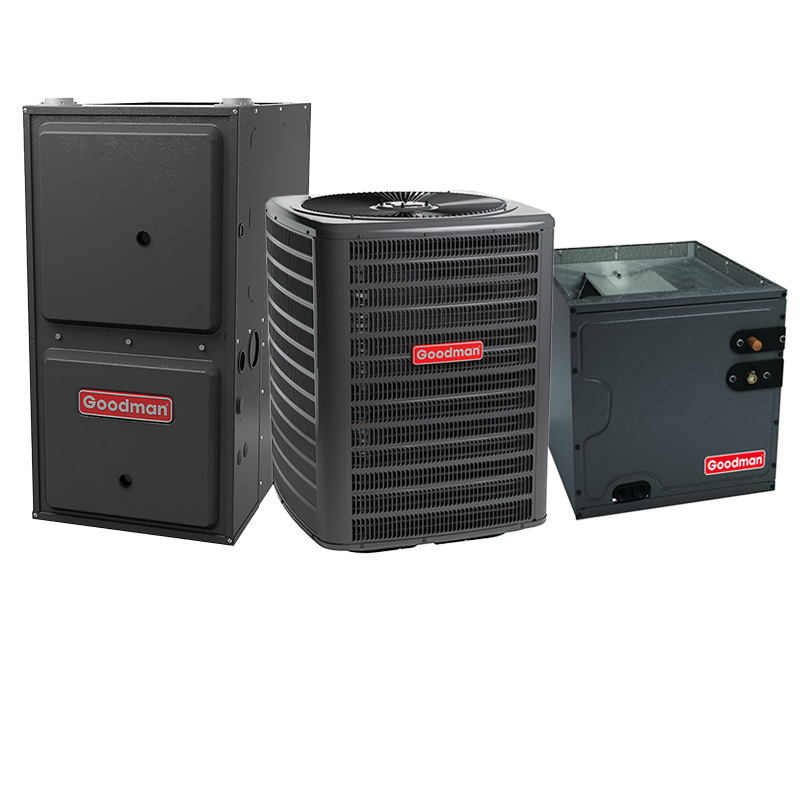
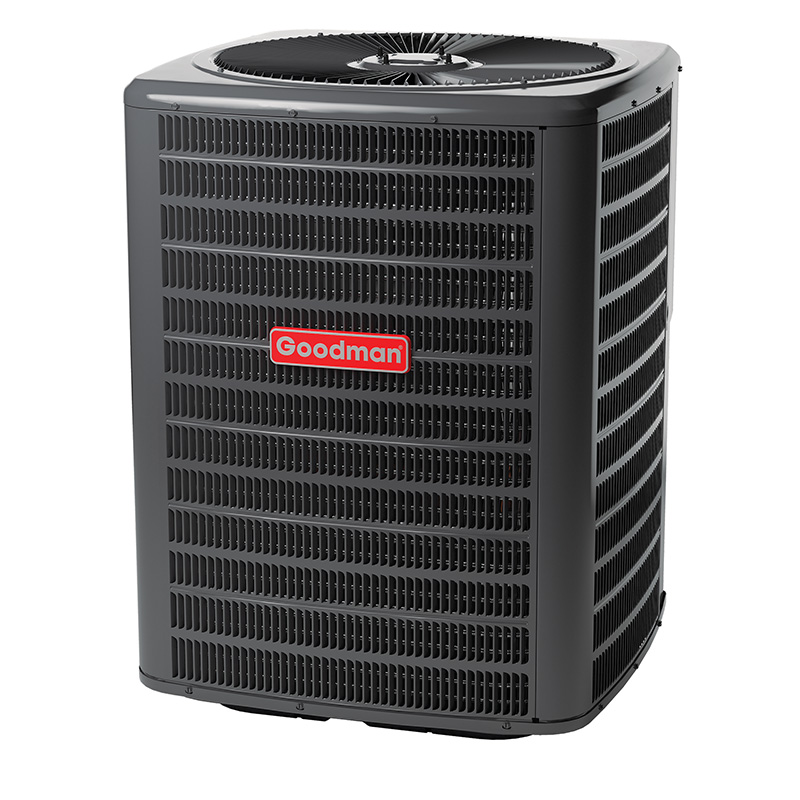
Goodman 4 Ton 15.2 SEER2 R32 AC System with 80,000 BTU 96% AFUE Gas Furnace – California & Colorado Ultra Low NOx, Upflow, Multi-Speed ECM
View on AC Direct see your lowest price →Check current price on AC Direct →
Key features
- 15.2 SEER2 cooling efficiency, above federal minimum, R-32 refrigerant for CA/CO ultra-low-NOx compliance
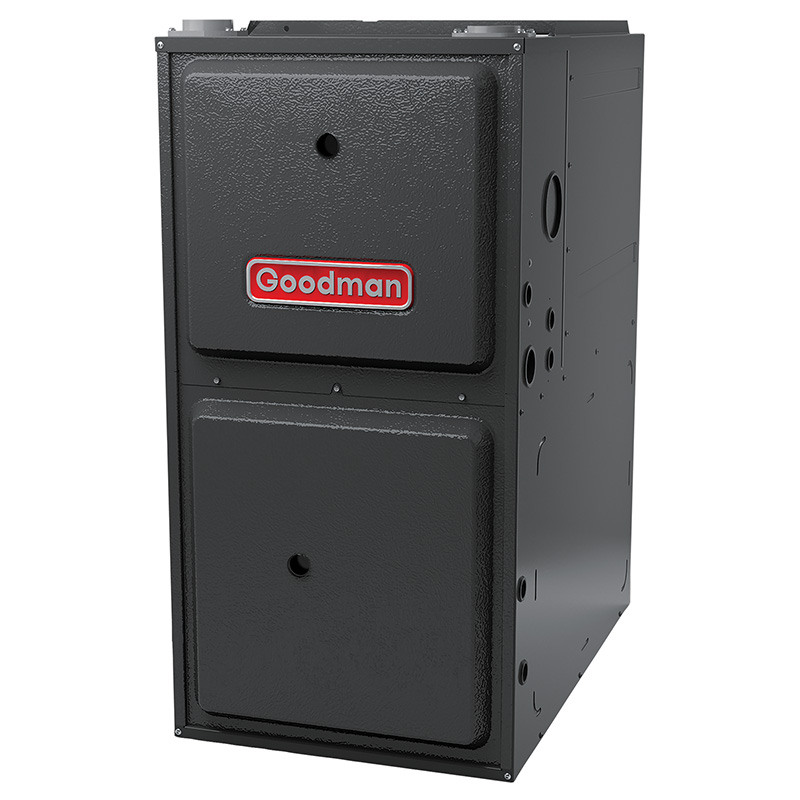
- 96% AFUE condensing gas furnace, 80,000 BTU output, upflow configuration
- Multi-speed ECM blower motor reduces blower energy use and improves humidity control vs. PSC motors
- R-32 refrigerant has roughly 30% lower global warming potential than R-410A
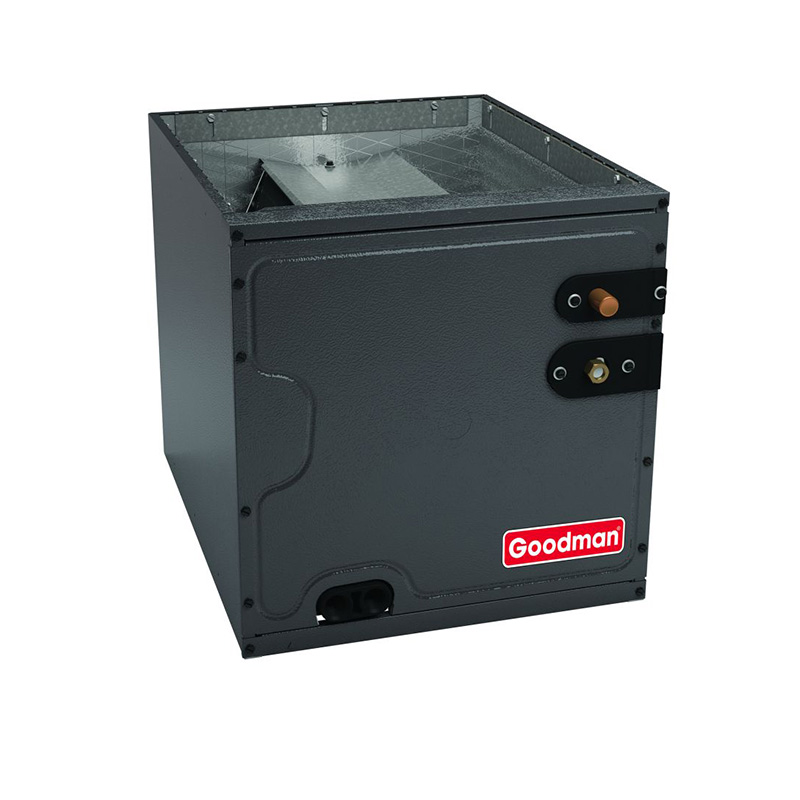
- Factory-matched coil and furnace sold as a verified system for simplified AHRI certification
- Upflow cabinet design suits basement, utility closet, or dedicated mechanical room installations
About this system
The Goodman 4-Ton 15.2 SEER2 system pairs a split-system air conditioner with an 80,000 BTU, 96% AFUE upflow gas furnace to cover homes in the 2,000–2,600 square foot range, depending on climate and insulation. The furnace’s 96% AFUE rating means 96 cents of every fuel dollar becomes heat, putting it in the condensing-furnace tier that qualifies for federal and state energy tax credits. The AC side runs on R-32 refrigerant, a lower-global-warming-potential option that is also required for compliance in California and Colorado ultra-low-NOx jurisdictions, so this bundle is pre-configured for those regulatory markets without any add-on kits.
The multi-speed ECM blower motor is a meaningful upgrade over a standard PSC motor. It ramps airflow up and down in response to demand, which cuts blower electricity consumption noticeably, extends run cycles for better humidity removal, and pairs well with a zoning system if you add one later. At 15.2 SEER2, efficiency lands just above the federal minimum for most regions, not at the premium tier, but meaningfully better than baseline. This bundle is aimed at budget-conscious homeowners who want a code-compliant, reasonably efficient full system without stepping up to variable-capacity equipment.
This Goodman bundle delivers solid specs at a price point 15 to 25 percent below comparable Carrier, Trane, and Lennox equipment, making it a reasonable choice when budget is the primary driver and a skilled installer is lined up. The 96% AFUE furnace and ECM blower are genuine value-adds, but Goodman's documented track record of capacitor failures, evaporator coil leaks, and compressors that average 10 to 14 years means total cost of ownership depends heavily on how well the system is installed and maintained. Buyers who prioritize long-term reliability over upfront savings should weigh premium brands seriously.
Overall score is the average of the five ratings above.
What we like
- Purchase price typically 15 to 25 percent below Carrier, Trane, and Lennox systems at similar efficiency
- 96% AFUE condensing furnace qualifies for federal energy tax credits and keeps annual heating bills competitive
- R-32 refrigerant meets California and Colorado ultra-low-NOx regulations without additional parts or modifications
- ECM blower motor improves humidity removal and reduces electricity draw compared to single-speed PSC motors
- AHRI-matched system simplifies permitting and confirms rated efficiency is achievable as a set
Trade-offs
- Dual-run capacitors are the most commonly reported early failure, typically requiring a $300 to $600 repair call within the first several years
- Evaporator coil leaks appear in a meaningful share of owner reviews and can be a more costly fix if refrigerant is involved
- Compressor lifespan averages 10 to 14 years versus 15 to 20 years for premium-brand compressors, which affects long-run ownership cost
- A minority of owners report refrigerant leaks within the first year, typically tracing back to installation or charge quality rather than the equipment itself
What homeowners and pros say about Goodman
Homeowners who praise Goodman equipment almost always lead with the same point: the upfront cost is noticeably lower than name-brand alternatives, and for many buyers that gap is what makes a full system replacement financially workable. On Google dealer reviews, Goodman-installed systems average around 3.8 out of 5 stars across hundreds of reviews per location, and affordability is the word that comes up most. The less flattering picture comes from ConsumerAffairs, where Goodman sits at roughly 2.5 out of 5, a channel that skews toward owners motivated enough by frustration to write a review. The recurring pattern there is repair costs that start climbing after year seven or so, which aligns with the documented failure modes: dual-run capacitors going out in the mid-life years, evaporator coil leaks turning up in a meaningful share of units, and compressors that average 10 to 14 years rather than the 15 to 20 years owners of premium brands tend to see.
HVAC technicians are generally candid about where Goodman sits in the market. They will install it without reservation for price-sensitive customers, and many note that a properly commissioned Goodman system runs reliably for its expected lifespan. Where they add caution is around the compressor and coil longevity gap compared to Trane, Carrier, or Lennox, and around the first-year refrigerant leak risk that tends to trace back to installation quality rather than the factory. For this specific R-32 bundle, contractors in California and Colorado also point out that having a system already spec’d for ultra-low-NOx compliance removes a common permitting headache. The bottom line from the field: Goodman rewards buyers who invest in a skilled installer and budget a small annual maintenance line item, and it underdelivers for those who treat it as fully set-and-forget equipment.
Sources: ConsumerAffairs Goodman owner reviews, AHRI Directory of Certified Product Performance, U.S. DOE appliance and equipment efficiency standards, Goodman product specification sheets.
What it costs to run
At 15.2 SEER2, cooling this 4-ton system for a typical 1200-hour cooling season at the U.S. average electricity rate of $0.17/kWh works out to roughly $644 per year in cooling, about $87 less per year than a minimum-efficiency 13.4 SEER2 unit of the same size. Your real cost depends on your climate and local rate.
Method: (48,000 BTU/hr ÷ 15.2 SEER2) × 1200 hours ÷ 1000 × $0.17/kWh. Rate source: U.S. EIA average; cooling hours: moderate-climate estimate.
How it compares
| Brand | Comparable model | SEER2 | Stage | Price position |
|---|---|---|---|---|
| Goodman | 4-Ton 15.2 SEER2 R-32 AC + 80K BTU 96% AFUE ECM Furnace Bundle | 15.2 | Single-stage | Value pick |
| Carrier | Comfort 24ACC636 + 58TP6 96% AFUE Furnace | 15.2 | Single-stage | Typically 15 to 25 percent more than Goodman |
| Trane | XR15 4TTR5048 + S9V2 96% AFUE Furnace | 15.2 | Single-stage | Typically 15 to 25 percent more than Goodman |
| Lennox | Merit ML15XC1 + ML196E 96% AFUE Furnace | 15.2 | Single-stage | Typically 15 to 25 percent more than Goodman |
Competitor rows are comparable single-stage units at similar efficiency; price is relative position, not a quote.
Questions about this system
Is this system actually legal to install in California and Colorado, or do I need additional NOx-reduction components?
Yes, this specific bundle is factory-configured to meet California Air Resources Board and Colorado ultra-low-NOx requirements for both the furnace and the AC unit, so no additional burner kits or modifications are needed. Always confirm your local jurisdiction's current NOx tier with your installer before purchase, as some air quality districts apply stricter rules than the state minimum.
What does the multi-speed ECM blower actually do differently compared to a standard furnace motor?
A multi-speed ECM motor operates at lower speeds during moderate demand, which uses substantially less electricity than a single-speed PSC motor running at full tilt. Practically speaking, it also runs longer at lower speeds, which pulls more moisture out of the air in summer and distributes conditioned air more evenly through the home.
How important is installer quality for a Goodman system specifically?
It matters for any brand, but technicians consistently flag install quality as the single biggest determinant of how a Goodman system performs and how long it lasts. A minority of owners report refrigerant leaks within the first year, and most of those trace back to improper charging or connection work at installation rather than factory defects. Hiring a licensed contractor with verifiable Goodman or at least matched-system experience is worth the extra vetting.
What is the most likely repair I should budget for in the first ten years?
Dual-run capacitors are the most commonly reported failure on Goodman AC equipment, typically showing up after several years of seasonal use. The repair usually runs $300 to $600 depending on your market and is a straightforward fix. Evaporator coil leaks are the more expensive scenario to plan for, and keeping the system properly maintained and ensuring the charge was set correctly at installation reduces that risk.
Does R-32 refrigerant change anything about servicing or future refrigerant availability compared to R-410A systems?
R-32 is mildly flammable (A2L classification), which means technicians need to be certified and use R-32-rated equipment for any service work. It is not a niche refrigerant and is widely used in commercial and residential equipment internationally, so supply availability is not a concern. The practical service experience for a homeowner is essentially the same as R-410A, but confirm your service contractor is R-32 certified before scheduling any refrigerant work.
Specifications
| Cooling capacity | 4 Ton |
| Efficiency | 15.2 SEER2 |
| Furnace output | 80,000 BTU |
| Furnace efficiency | 96% AFUE |
| Configuration | Upflow |
| Refrigerant | R-32 |