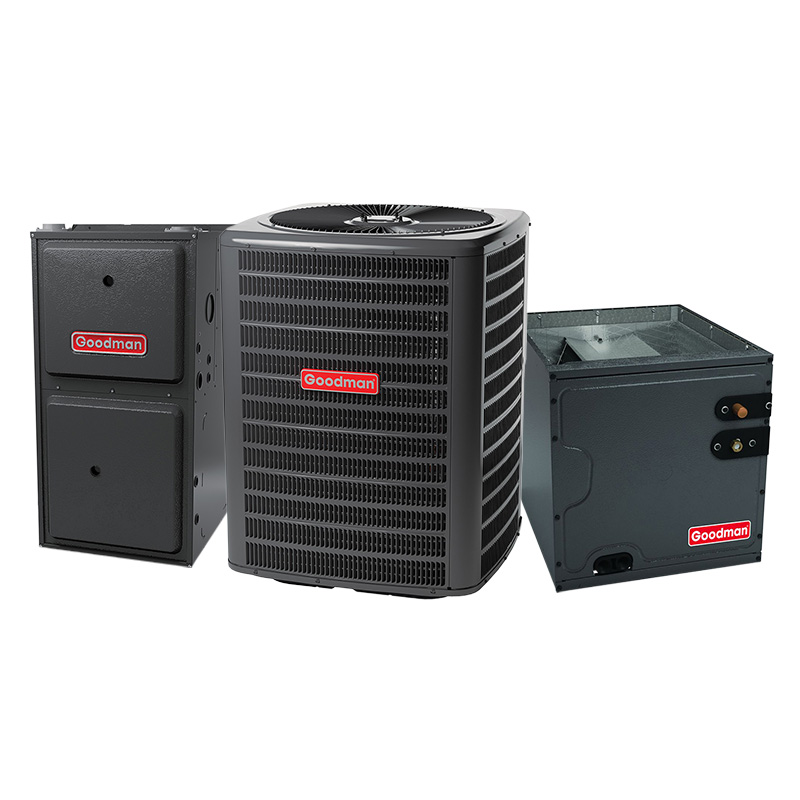
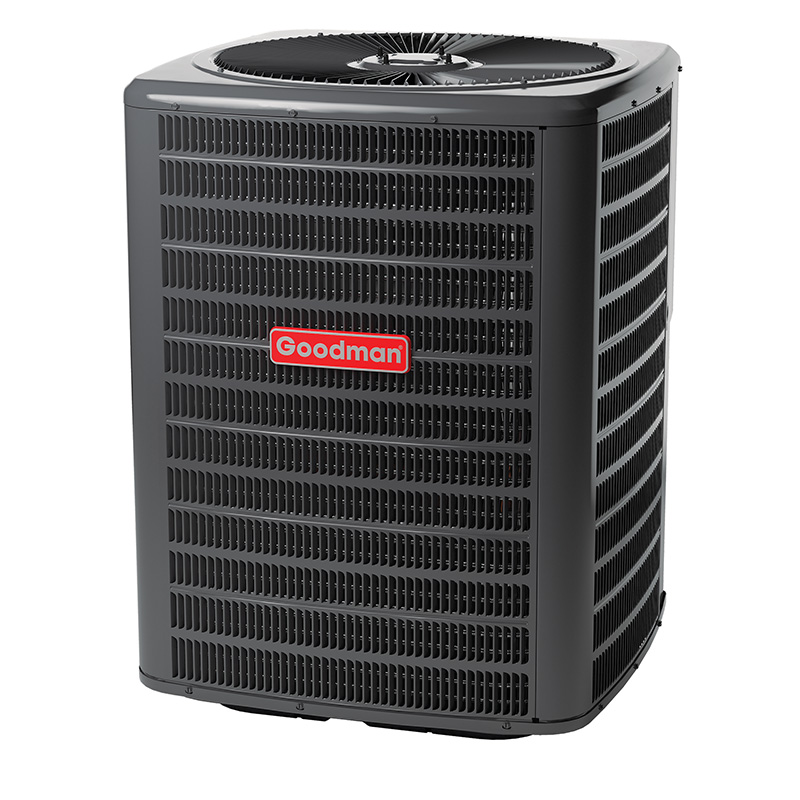
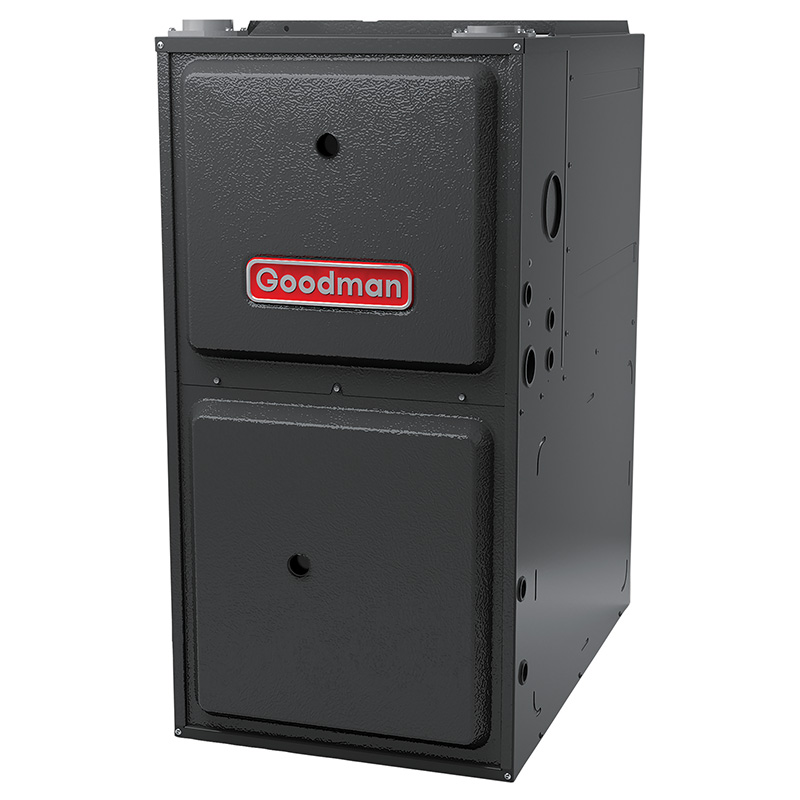
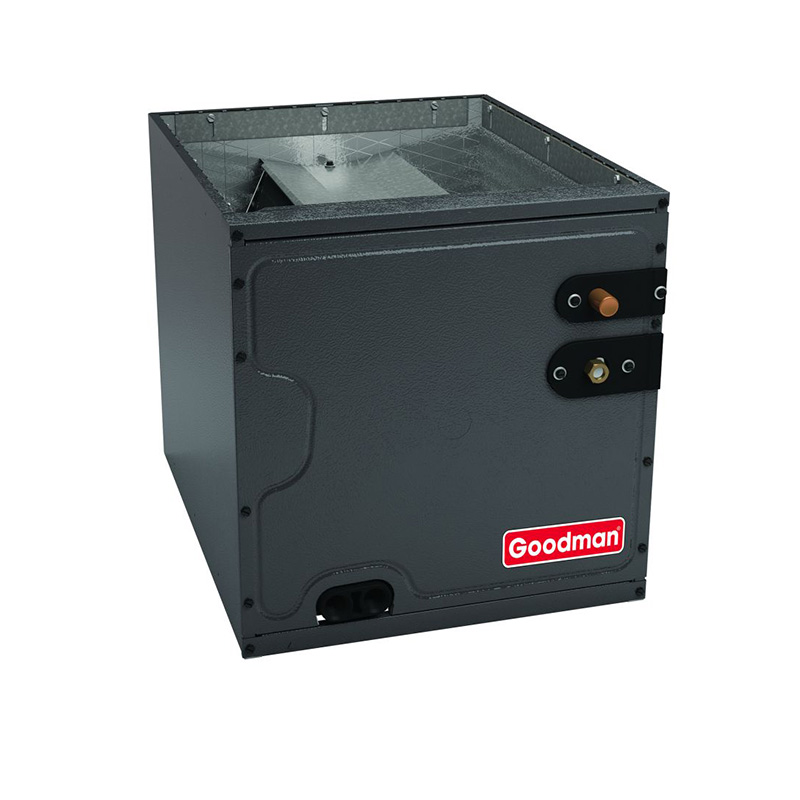
Goodman 4 Ton 15.2 SEER2 AC & Gas Furnace System – Modulating Variable-Speed, 100000 BTU Gas Furnace, 97% AFUE, Upflow, R32
View on AC Direct see your lowest price →Check current price on AC Direct →
Key features
- 15.2 SEER2 variable-speed cooling with R-32 refrigerant
- 97% AFUE modulating gas furnace rated at 100,000 BTU
- Upflow air handler configuration for overhead duct systems
- Modulating burner adjusts output for consistent room temperatures
- Variable-speed blower motor for quieter operation and improved dehumidification
- R-32 refrigerant requires a smaller charge weight versus R-410A
About this system
The Goodman GLXS5BA4810D bundles a 4-ton, 15.2 SEER2 variable-speed air conditioner with a 100,000 BTU modulating gas furnace rated at 97% AFUE. That furnace efficiency tier sits near the top of what residential equipment achieves, meaning roughly 97 cents of every dollar in gas goes to heating your home rather than escaping through the flue. The modulating burner adjusts output in small increments rather than simply flipping on and off, which produces steadier indoor temperatures and quieter operation compared to single-stage or two-stage units. The variable-speed air handler works in tandem with that approach, running longer at lower speeds to improve humidity control and air circulation.
R-32 refrigerant replaces the older R-410A in this system. R-32 has a lower global warming potential, and because it requires a smaller charge by weight to do the same work, field leaks tend to lose less total refrigerant before being caught. The upflow configuration means conditioned air exits the top of the air handler, making this system the right match for basements or utility closets where ductwork runs overhead. A 4-ton capacity suits homes roughly in the 2,000 to 2,600 square foot range, though local climate, insulation quality, and window load all affect the correct sizing calculation. A Manual J load calculation by your installer is the only reliable way to confirm this unit is the right size for your specific home.
This system delivers genuinely high furnace efficiency and capable variable-speed comfort at a price point well below comparable Trane, Carrier, and Lennox equipment. The trade-off is a brand track record that shows more mid-life repair activity than premium competitors, with compressor longevity averaging 10 to 14 years versus 15 to 20 for top-tier brands. For budget-conscious buyers who plan to stay in their home under 12 years and are willing to invest in a skilled installer, it represents solid value.
Overall score is the average of the five ratings above.
What we like
- 97% AFUE places furnace efficiency at or near the top of the residential market
- Modulating and variable-speed operation improves humidity control and temperature consistency
- Priced 15 to 25 percent below comparable Carrier, Trane, and Lennox systems
- R-32 refrigerant reduces environmental impact compared to R-410A
- Goodman parts and service technicians are widely available across most U.S. markets
Trade-offs
- Compressor lifespan averages 10 to 14 years, shorter than the 15 to 20 years typical of premium brands
- Dual-run capacitor failures are the most documented recurring repair, typically appearing after year 7
- Evaporator coil leaks show up in a meaningful share of owner reports, a known Goodman pattern
- A minority of first-year owners report refrigerant leaks, usually tied to installation or charge quality rather than the equipment itself
What homeowners and pros say about Goodman
On Google dealer review aggregates, Goodman equipment scores around 3.8 out of 5 across hundreds of reviews per location, with the most common praise centering on affordability and accessibility of replacement parts. On ConsumerAffairs, the picture is more mixed, with a score of roughly 2.5 out of 5 on a channel that skews toward buyers who had a problem worth writing about. The recurring complaint pattern there describes repair costs accumulating after roughly year 7, which aligns with the documented tendency for dual-run capacitors to fail in that window. Capacitor replacements are low-cost repairs, typically $300 to $600, but they show up often enough to be worth factoring into total ownership cost.
HVAC technicians who work on Goodman equipment regularly tend to have a practical, nuanced view of the brand. Most will note that the equipment performs reasonably well when installed correctly, and that a significant share of early failures, including the first-year refrigerant leaks reported by a minority of owners, trace back to install or charge errors rather than factory defects. The more serious documented concerns are evaporator coil leaks, which appear in enough owner reports to be a known pattern rather than an isolated issue, and compressor lifespan, which averages 10 to 14 years versus the 15 to 20 years commonly cited for Trane, Carrier, and Lennox compressors. For this specific system, which adds modulating and variable-speed components to the mix, choosing an installer with documented experience on variable-capacity Goodman equipment is more important than it would be for a simpler single-stage unit.
Sources: ConsumerAffairs Goodman owner reviews, AHRI Directory of Certified Product Performance, U.S. DOE appliance and equipment efficiency standards, Goodman product specification sheets.
What it costs to run
At 15.2 SEER2, cooling this 4-ton system for a typical 1200-hour cooling season at the U.S. average electricity rate of $0.17/kWh works out to roughly $644 per year in cooling, about $87 less per year than a minimum-efficiency 13.4 SEER2 unit of the same size. Your real cost depends on your climate and local rate.
Method: (48,000 BTU/hr ÷ 15.2 SEER2) × 1200 hours ÷ 1000 × $0.17/kWh. Rate source: U.S. EIA average; cooling hours: moderate-climate estimate.
How it compares
| Brand | Comparable model | SEER2 | Stage | Price position |
|---|---|---|---|---|
| Goodman | GLXS5BA4810D | 15.2 | Variable | Value pick |
| Carrier | Performance 16 / 59MN7 furnace bundle | 15-16 | Two-stage / Variable | Typically 15 to 25 percent more than this Goodman system |
| Trane | XR15 / S9V2 furnace bundle | 15-16 | Two-stage / Variable | Typically 15 to 25 percent more than this Goodman system |
| Lennox | Merit 16ACX / ML296V furnace bundle | 15-16 | Single-stage / Variable | Typically 15 to 25 percent more than this Goodman system |
Competitor rows are comparable single-stage units at similar efficiency; price is relative position, not a quote.
Questions about this system
Is this system actually compatible with R-32 refrigerant, and do all HVAC technicians work with it?
Yes, the GLXS5BA4810D is factory-designed and charged for R-32. Not every technician is currently certified to handle R-32, so you should confirm your installer holds the required EPA Section 608 certification and has hands-on experience with R-32 equipment before booking the job. The refrigerant is becoming more common, but it is not yet as universally familiar as R-410A was.
What does the Goodman warranty actually cover on this system, and are there conditions?
Goodman typically offers a 10-year parts limited warranty when the system is registered within 60 days of installation by a licensed contractor, dropping to a shorter coverage period for unregistered units. The warranty covers parts but not labor, refrigerant, or diagnostic costs, which can make out-of-pocket repair costs significant even within the warranty window. Always read the full warranty document and confirm your contractor registers the unit at the time of installation.
How much does the dual-run capacitor failure cost to fix, and how worried should I be about it?
Capacitor replacements are one of the least expensive HVAC repairs, generally running in the $300 to $600 range including labor. Goodman units show this failure appearing more frequently after roughly year 7. It is not a catastrophic failure, but budgeting for at least one capacitor replacement over the life of the system is realistic.
Does modulating operation actually make a noticeable difference in comfort compared to a two-stage furnace?
Most homeowners report a meaningful improvement in even temperature distribution and a reduction in the cold-air blast you feel at furnace startup with single-stage or two-stage units. The longer, lower-output run cycles also tend to reduce humidity swings. The difference is real but more subtle than the gap between a single-stage and a two-stage unit.
How important is the installer for this specific system, and what should I ask a contractor before hiring them?
Goodman's own documented performance pattern shows that installation quality is the single largest factor in how long the system lasts and how often it needs early repairs, including the first-year refrigerant leak issue that most often traces back to charging errors. Ask any contractor to confirm they will perform a Manual J load calculation, provide a written refrigerant charge log, and register the warranty on your behalf at the time of installation. Choosing the lowest bidder without vetting these practices carries real risk with this brand.
Specifications
| Cooling capacity | 4 Ton |
| Efficiency | 15.2 SEER2 |
| Furnace output | 100000 BTU |
| Furnace efficiency | 97% AFUE |
| Configuration | Upflow |
| Refrigerant | R-32 |
| Model | GLXS5BA4810D |