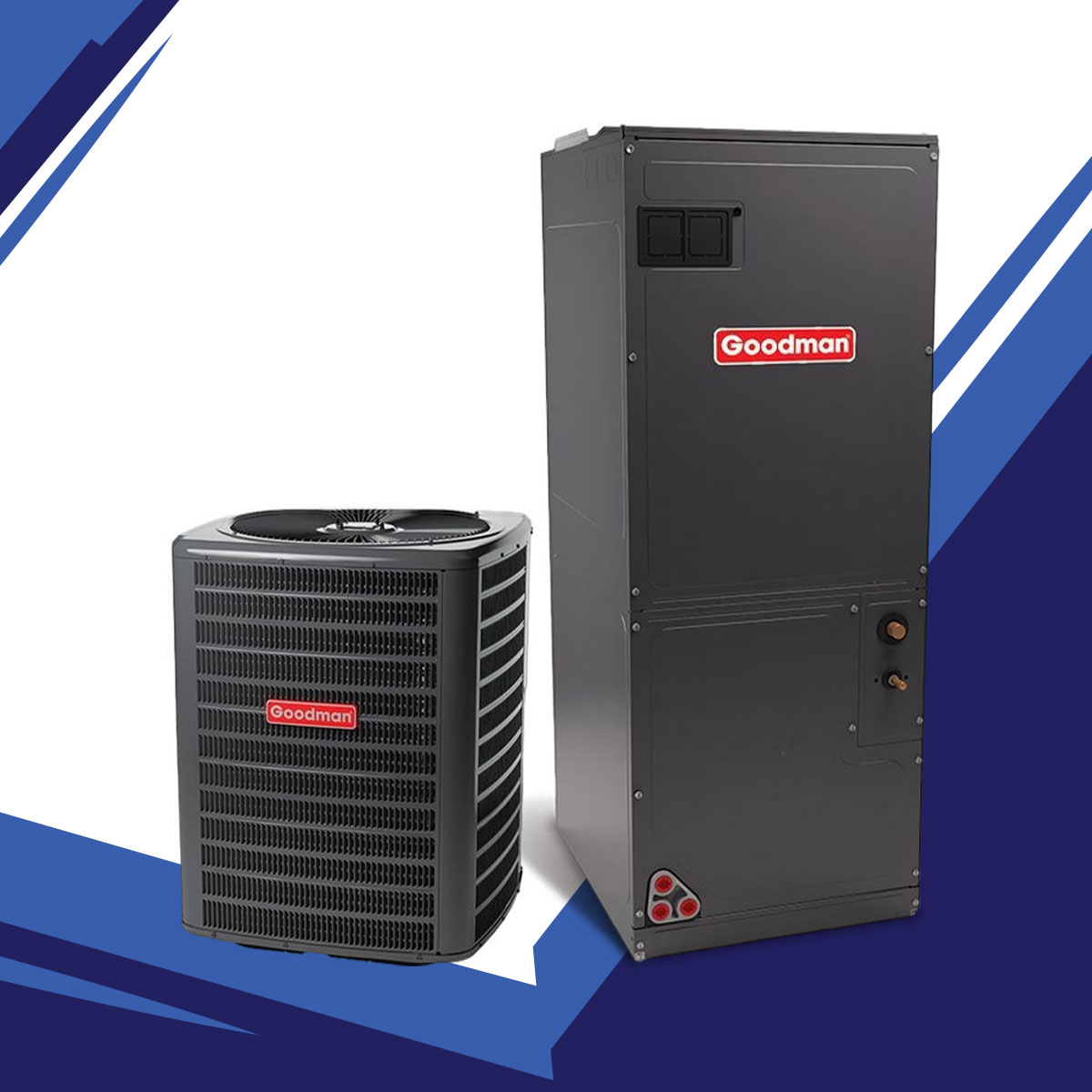
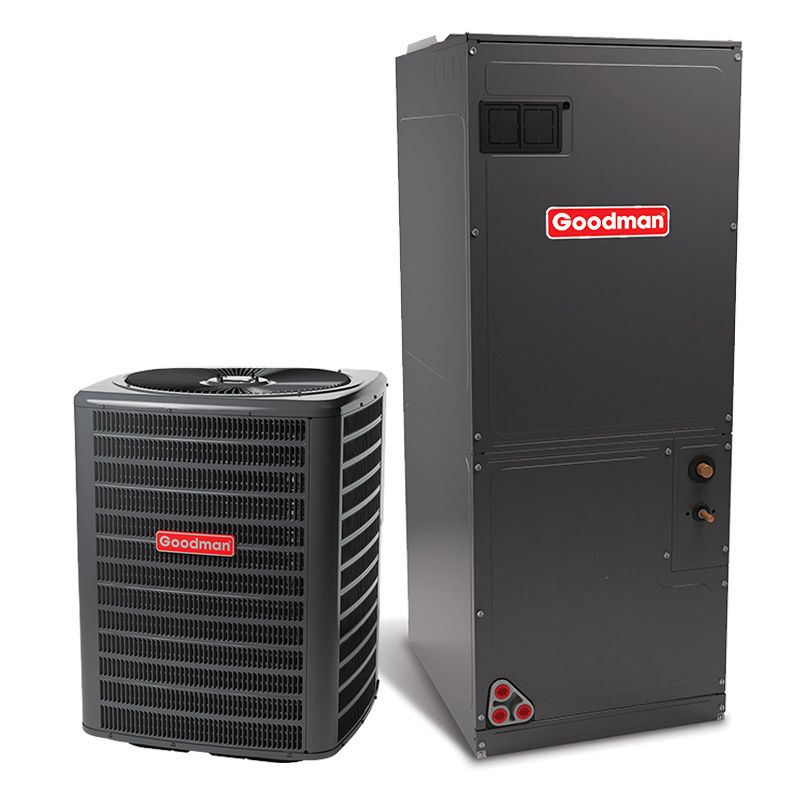
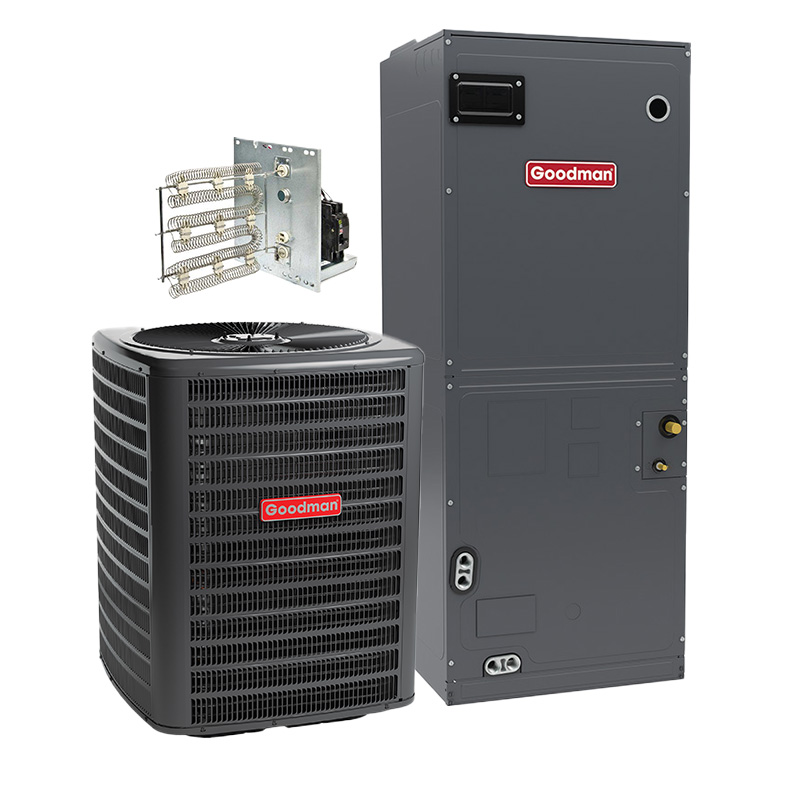
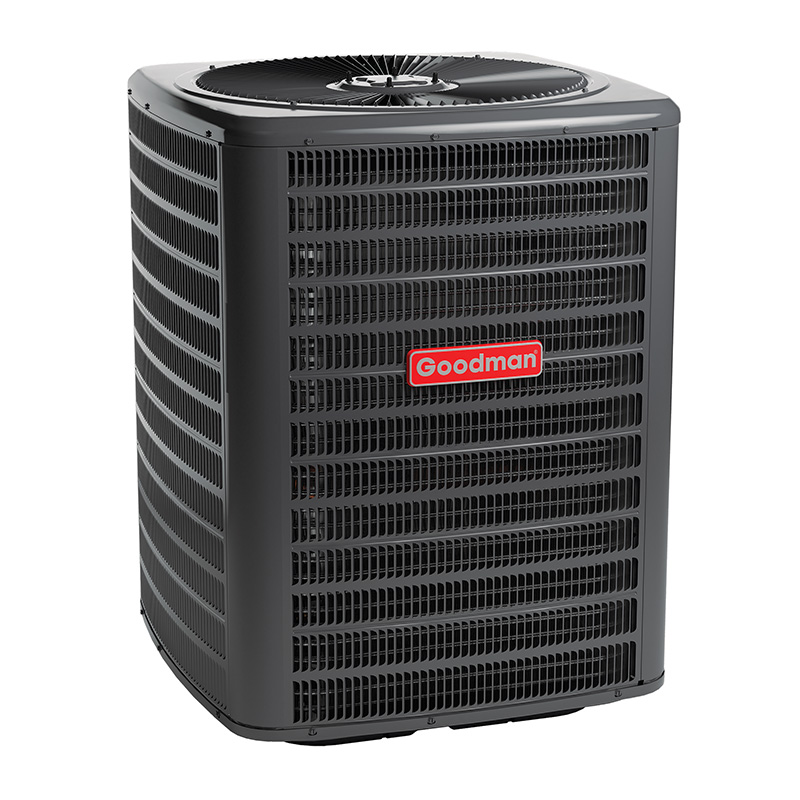
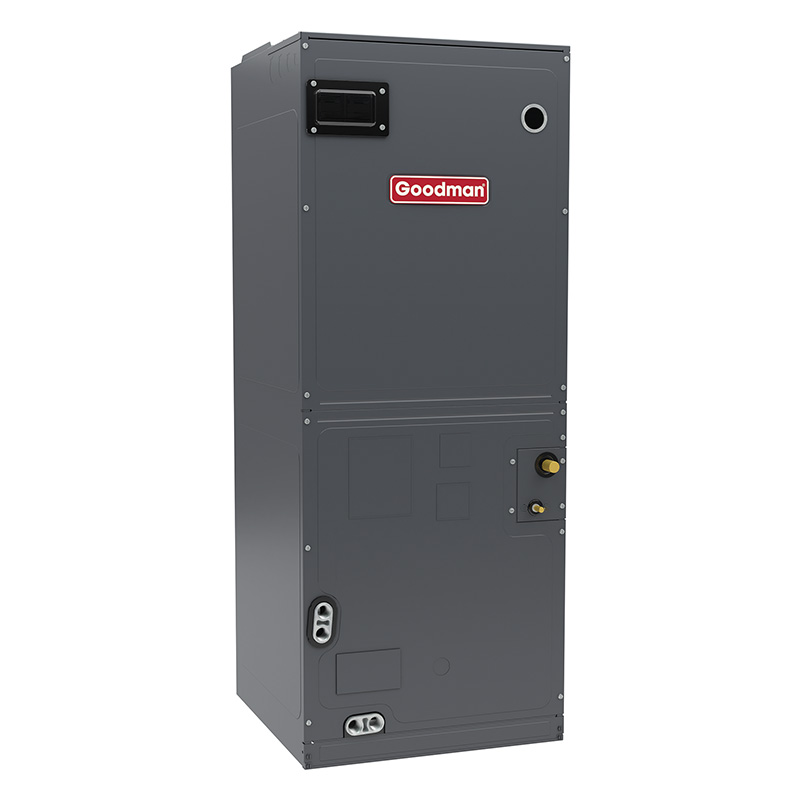
Goodman 4 Ton 15.2 SEER2 R32 Heat Pump Split System ***PREMIUM SEASONAL SPECIALS***
View on AC Direct see your lowest price →Check current price on AC Direct →
Key features
- 4-ton capacity suited for larger homes roughly 2,200 to 2,800 sq ft depending on climate and insulation
- 15.2 SEER2 efficiency rating meets current federal minimum standards for most U.S. regions
- R-32 refrigerant with lower global warming potential than legacy R-410A systems
- Single-stage scroll compressor operation for straightforward installation and service
- Heat pump configuration provides both heating and cooling from one outdoor unit
- Priced roughly 15 to 25 percent below comparable Trane, Carrier, and Lennox equipment
About this system
The Goodman 4-ton 15.2 SEER2 R-32 heat pump split system is built for larger homes in the 2,200 to 2,800 square foot range that need a no-frills, contractor-grade cooling and heating solution. At 15.2 SEER2, this unit sits right at the updated federal minimum efficiency threshold for most U.S. climate zones, meaning it meets today’s baseline code requirements without the premium that comes with higher-efficiency variable-speed or two-stage equipment. It is a single-stage system, running at full capacity whenever it cycles on, which is straightforward to service but less precise at humidity control compared to modulating alternatives.
The use of R-32 refrigerant is a meaningful forward-looking detail. R-32 has a lower global warming potential than the R-410A it replaces and is increasingly the industry standard, so parts and refrigerant availability should remain strong well into the next decade. That said, R-32 requires technicians certified to handle it and slightly different service procedures, so confirming your installer has hands-on R-32 experience before signing a contract is worth the conversation. This system suits buyers who prioritize upfront cost savings, have a reliable local Goodman dealer, and are comfortable with the trade-off of a shorter average compressor lifespan than premium-brand competitors.
The Goodman 4-ton 15.2 SEER2 R-32 heat pump delivers on its core promise of accessible pricing and code-compliant efficiency, making it a reasonable pick for budget-focused buyers who secure a skilled installer. Performance and longevity hinge heavily on installation quality, and owners should budget for likely capacitor service around years 5 to 8 and be aware that compressor lifespan averages shorter than premium competitors. At the right price and with the right contractor, it is a workable system; it is not a set-it-and-forget-it investment.
Overall score is the average of the five ratings above.
What we like
- Lower upfront cost than Carrier, Trane, or Lennox systems at similar efficiency
- R-32 refrigerant is future-ready and has better environmental profile than R-410A
- Single-stage design keeps service calls simple and parts widely available
- Dual-run capacitor failures, the most common documented issue, are a low-cost repair in the $300 to $600 range
- Goodman's broad dealer network generally means faster service scheduling than niche brands
Trade-offs
- Compressor lifespan averages 10 to 14 years versus 15 to 20 for premium-brand units
- Single-stage operation is less effective at humidity control than two-stage or variable-speed alternatives
- A minority of owners have reported refrigerant leaks within the first year, typically tied to install or initial charge issues
- Evaporator coil leaks appear in a meaningful share of owner reviews and can be a costly mid-life repair
What homeowners and pros say about Goodman
Among the homeowners who share feedback on platforms like ConsumerAffairs, Goodman carries a score of around 2.5 out of 5, a number that reflects the complaint-heavy nature of that channel and a recurring pattern of repair costs climbing after roughly year 7. The specific failure modes that come up most often are dual-run capacitor failures, which are relatively inexpensive to fix, and evaporator coil leaks, which are not. A smaller but notable group of owners have reported refrigerant leaks within the first year, and the evidence points to installation or initial charge problems rather than a factory defect, underscoring how much ride this brand puts on the installer.
Across Google dealer reviews, Goodman lands closer to 3.8 out of 5, and the tone there is noticeably more balanced. Affordability is the praise that shows up most consistently, with buyers and contractors alike acknowledging that the gap between Goodman and a premium brand can fund several years of maintenance. HVAC technicians are candid about the compressor longevity question: real-world averages of 10 to 14 years on Goodman compressors versus 15 to 20 on Trane, Carrier, or Lennox units is a genuine trade-off, not a talking point. For this 4-ton R-32 system specifically, the move to R-32 refrigerant is a practical positive that both pros and environmentally minded homeowners have noted. The consensus from the field is consistent: Goodman can work well, but the installer matters more here than with almost any other brand at this price tier.
Sources: ConsumerAffairs Goodman owner reviews, AHRI Directory of Certified Product Performance, U.S. DOE appliance and equipment efficiency standards, Goodman product specification sheets.
What it costs to run
At 15.2 SEER2, cooling this 4-ton system for a typical 1200-hour cooling season at the U.S. average electricity rate of $0.17/kWh works out to roughly $644 per year in cooling, about $87 less per year than a minimum-efficiency 13.4 SEER2 unit of the same size. Your real cost depends on your climate and local rate.
Method: (48,000 BTU/hr ÷ 15.2 SEER2) × 1200 hours ÷ 1000 × $0.17/kWh. Rate source: U.S. EIA average; cooling hours: moderate-climate estimate.
How it compares
| Brand | Comparable model | SEER2 | Stage | Price position |
|---|---|---|---|---|
| Goodman | 4-Ton 15.2 SEER2 R-32 Heat Pump Split System | 15.2 | Single-stage | Value pick |
| Carrier | Performance Series 24PAA (base heat pump line) | 15 to 16 | Single-stage | Typically 15 to 25 percent more than Goodman |
| Trane | XR15 Heat Pump | 15 to 15.6 | Single-stage | Typically 15 to 25 percent more than Goodman |
| Lennox | Merit Series ML15XP1 Heat Pump | 15 to 16 | Single-stage | Typically 15 to 25 percent more than Goodman |
Competitor rows are comparable single-stage units at similar efficiency; price is relative position, not a quote.
Questions about this system
Is 15.2 SEER2 good enough, or should I pay more for higher efficiency?
15.2 SEER2 meets the current federal minimum for most climate zones and will deliver reasonable energy savings over an older system. If you are in a very hot climate and run the system heavily, a 17 or 18 SEER2 unit may recover its higher upfront cost over time, but for moderate climates or budget-conscious buyers the difference in monthly bills is often modest.
What does the switch to R-32 refrigerant actually mean for me as the homeowner?
Day to day, you will not notice a difference. R-32 is more environmentally friendly and is becoming the industry standard, so refrigerant and parts should remain available long-term. The main practical note is that your service technician must be certified and experienced with R-32 handling, so ask about that before hiring someone for annual maintenance or a repair.
What repairs should I realistically budget for over the life of this system?
Dual-run capacitor replacement is the most commonly documented failure on Goodman heat pumps, usually costing $300 to $600 and often showing up after year 5. Evaporator coil leaks appear in a meaningful portion of owner reports and can cost significantly more. Compressors on Goodman units have averaged 10 to 14 years in real-world use, so a replacement or system swap may come sooner than with premium brands.
How much does the installer really matter for a system like this?
Considerably. Goodman equipment in particular is cited by HVAC technicians as being highly dependent on installation quality for its lifespan and efficiency. A poorly sized refrigerant charge, inadequate airflow setup, or improper line-set work can cause problems within the first year, including the refrigerant leaks that a minority of early Goodman owners have reported. Getting multiple quotes and checking installer credentials with R-32 is worth the time.
What warranty comes with this system, and what does it actually cover?
Goodman typically offers a 10-year parts warranty on registered units, which covers components including the compressor. Registration usually must be completed within a set window after installation, so do not skip that step. Labor is not included in the manufacturer warranty, meaning any covered parts repair still costs you the technician's time, which can add up.
Specifications
| Cooling capacity | 4 Ton |
| Efficiency | 15.2 SEER2 |
| Refrigerant | R-32 |