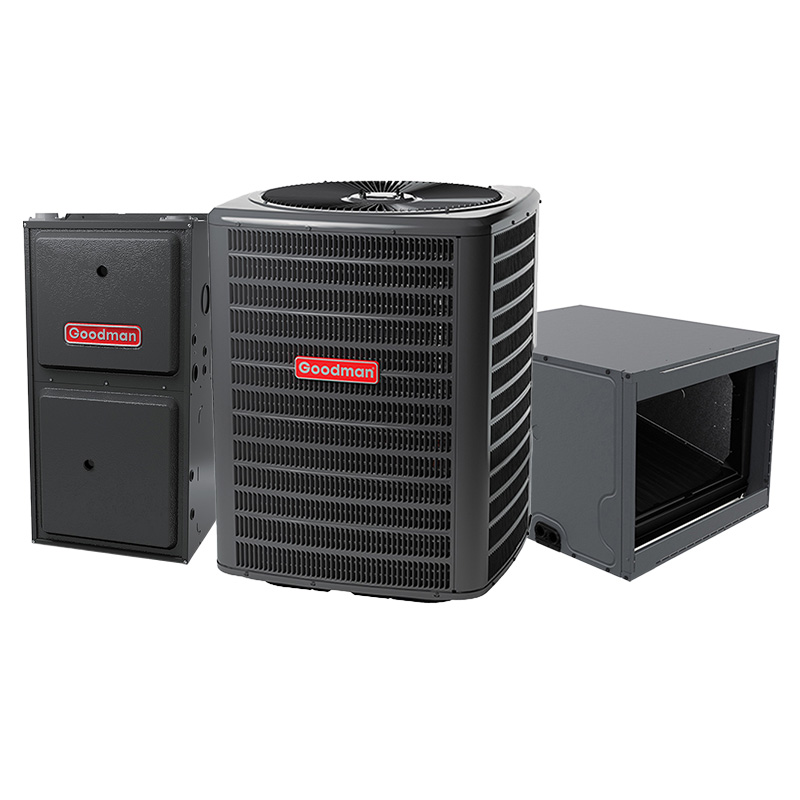
Goodman 4 Ton 16.7 SEER2 AC With 100000 BTU 96% AFUE 2-Stage Variable-Speed ECM Gas Furnace System – Horizontal | 2-Stage High Efficiency AC | R32
View on AC Direct see your lowest price →Check current price on AC Direct →
Key features
- 16.7 SEER2 two-stage cooling for improved humidity control and part-load efficiency
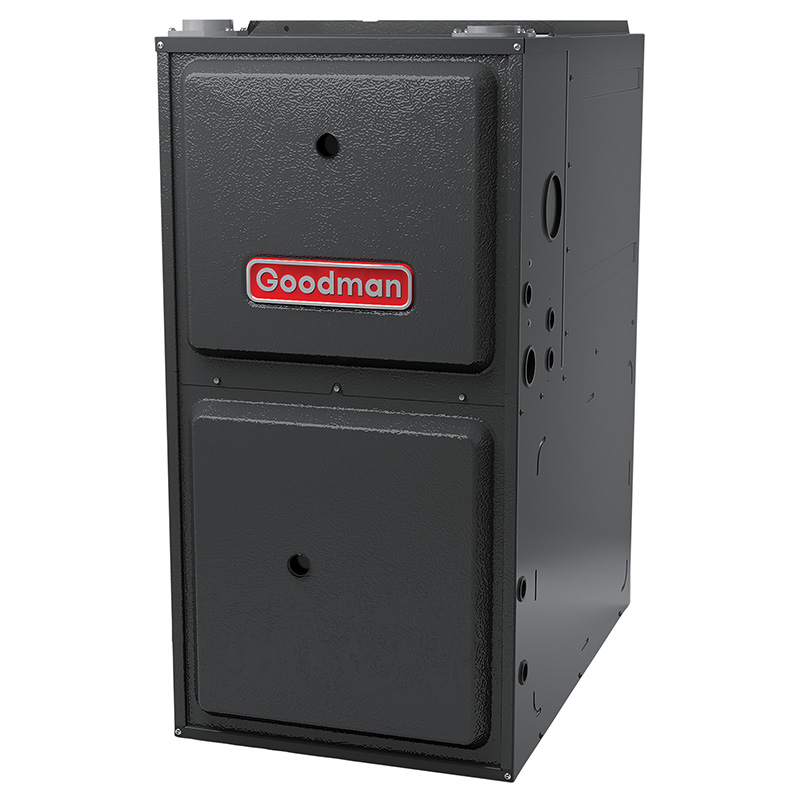
- 96% AFUE two-stage gas furnace with variable-speed ECM blower motor
- R-32 refrigerant with lower global-warming potential than R-410A
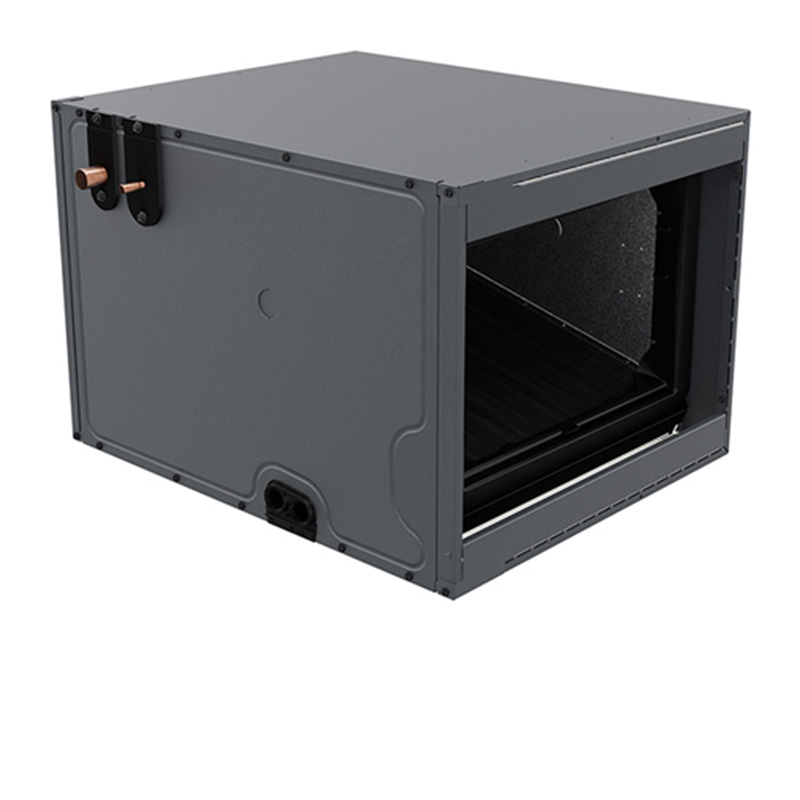
- Horizontal configuration for attic, crawlspace, or side-discharge installations
- 4-ton capacity suited to roughly 1,800 to 2,400 sq ft depending on climate and insulation
- 10-year parts warranty (registration required within 60 days of installation)
About this system
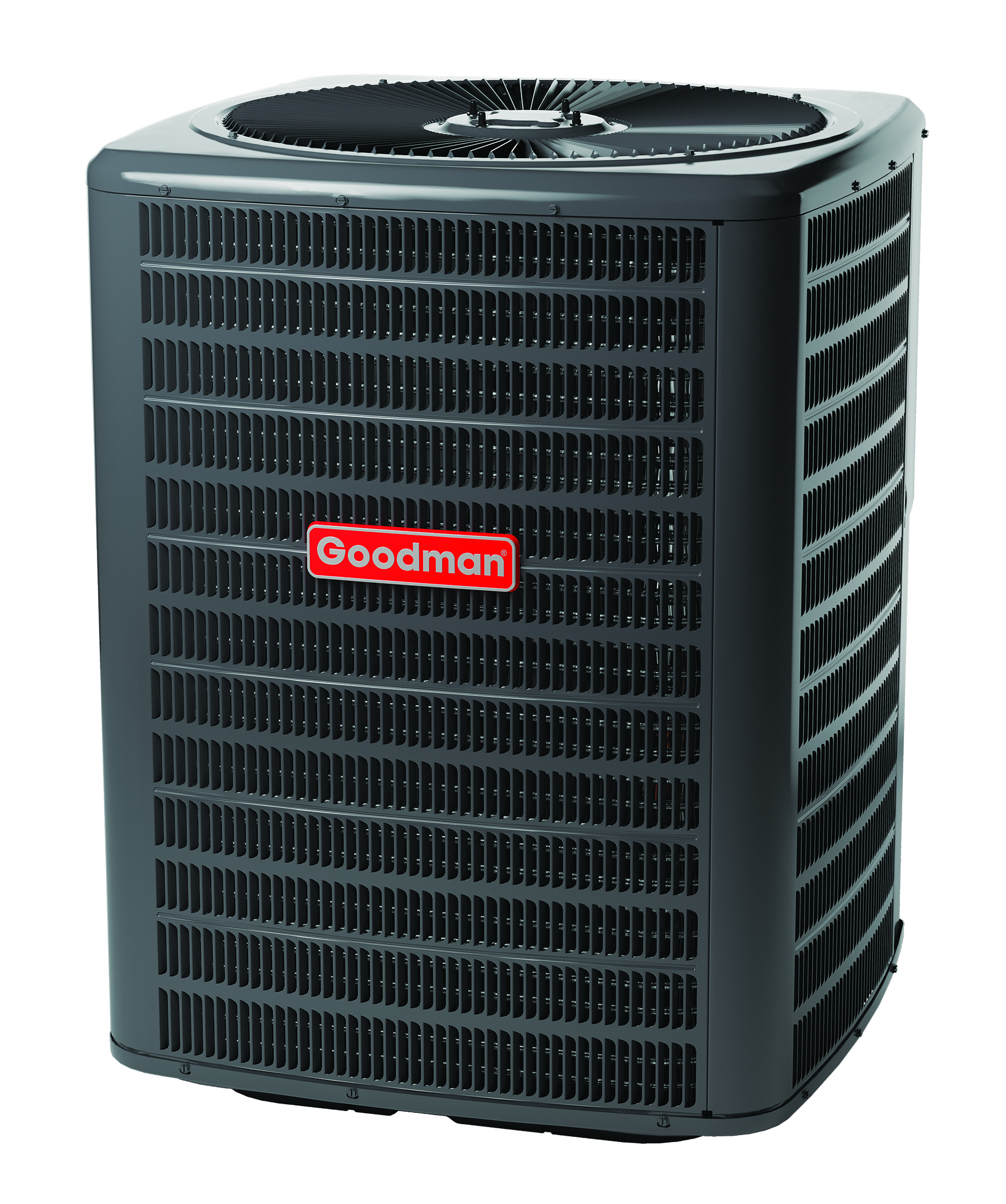
The Goodman GLXT7CA4810 pairs a 4-ton, 16.7 SEER2 two-stage air conditioner with a 100,000 BTU, 96% AFUE two-stage variable-speed ECM gas furnace in a horizontal configuration, making it a strong candidate for attic or crawlspace installations where vertical placement is not possible. The R-32 refrigerant is a lower global-warming-potential alternative to R-410A, and its higher energy density means the system can use slightly smaller refrigerant charges, which can marginally reduce leak risk relative to older refrigerants. At 16.7 SEER2, this unit sits solidly in the high-efficiency tier without crossing into the premium price bracket of variable-capacity compressor systems.
The two-stage compressor and variable-speed ECM blower motor work together to deliver meaningful comfort advantages over single-stage equipment. On mild days the system runs at the lower stage most of the time, which means longer, quieter run cycles, better humidity control, and lower operating costs than a single-stage unit of the same SEER2 rating. The 96% AFUE furnace keeps nearly all the heat it generates in the conditioned space, a genuine efficiency level that qualifies for federal tax credits under current guidelines. Horizontal discharge suits this system to homes with attic air handlers or right-to-left duct configurations common in ranch-style and manufactured housing.
This Goodman combo system delivers genuine high-efficiency specs at a price point that is typically 15 to 25 percent below comparable Trane, Lennox, or Carrier packages, making it a compelling budget-conscious choice for homeowners who prioritize upfront cost savings. The two-stage compressor and variable-speed furnace motor are real performance upgrades over entry-level equipment, but the brand's documented track record of dual-run capacitor failures, evaporator coil leaks, and compressor lifespans averaging 10 to 14 years means buyers should budget for maintenance after year 7 and choose an experienced installer carefully.
Overall score is the average of the five ratings above.
What we like
- Priced roughly 15 to 25 percent below equivalent Trane, Lennox, and Carrier systems
- Two-stage cooling provides noticeably better humidity control than single-stage alternatives
- 96% AFUE is a legitimate efficiency rating that can qualify for federal tax credits
- Variable-speed ECM blower reduces energy use and improves air distribution consistency
- R-32 refrigerant is a lower global-warming-potential option compared to R-410A
Trade-offs
- Dual-run capacitors are the most commonly reported failure point, typically requiring a 300 to 600 dollar repair around or after year 7
- Evaporator coil leaks appear in a meaningful share of owner reviews, a more costly repair than capacitor replacement
- Compressor lifespan averages 10 to 14 years, shorter than the 15 to 20 years more common with premium brands
- A minority of owners report refrigerant leaks within the first year, often traceable to installation quality rather than the unit itself
What homeowners and pros say about Goodman
Homeowners who research Goodman equipment online encounter a split picture. On ConsumerAffairs, Goodman scores around 2.5 out of 5, driven heavily by owners who sought out the platform specifically after a frustrating repair experience. The recurring complaint in that channel is repair costs that begin to climb after roughly year 7, with dual-run capacitor failures and evaporator coil leaks mentioned repeatedly. Google dealer reviews tell a softer story, sitting around 3.8 out of 5 across hundreds of location-level ratings, where affordability and the feeling of getting solid performance without paying for a brand name are the most consistent points of praise. Neither score is fabricated or cherry-picked here; they reflect the real tension in buying a value-tier brand.
HVAC technicians who work on Goodman equipment regularly point to two things. First, dual-run capacitor failures are so common they call them a maintenance item rather than a surprise, and at roughly 300 to 600 dollars per repair they are manageable if you are not caught off guard. Second, and more seriously, compressor lifespans on Goodman units tend to average 10 to 14 years, compared to 15 to 20 years on premium brands, which means the total cost of ownership calculation depends heavily on how long you plan to stay in the home. The horizontal configuration of this specific system also adds a layer of installation complexity that less experienced technicians can mishandle, and since a minority of owners have reported refrigerant leaks within the first year, the quality of your installer matters more with this unit than it might with a more forgiving premium-brand alternative.
Sources: ConsumerAffairs Goodman owner reviews, AHRI Directory of Certified Product Performance, U.S. DOE appliance and equipment efficiency standards, Goodman product specification sheets.
What it costs to run
At 16.7 SEER2, cooling this 4-ton system for a typical 1200-hour cooling season at the U.S. average electricity rate of $0.17/kWh works out to roughly $586 per year in cooling, about $145 less per year than a minimum-efficiency 13.4 SEER2 unit of the same size. Your real cost depends on your climate and local rate.
Method: (48,000 BTU/hr ÷ 16.7 SEER2) × 1200 hours ÷ 1000 × $0.17/kWh. Rate source: U.S. EIA average; cooling hours: moderate-climate estimate.
How it compares
| Brand | Comparable model | SEER2 | Stage | Price position |
|---|---|---|---|---|
| Goodman | GLXT7CA4810 | 16.7 | Two-stage | Value pick |
| Carrier | Comfort 16 (CA16) series | 16 to 17 | Single-stage | Typically 15 to 25 percent more than the Goodman |
| Trane | XR16 series | 16 to 17 | Single-stage | Typically 15 to 25 percent more than the Goodman |
| Lennox | Merit ML16XC1 series | 16 to 17 | Single-stage | Typically 15 to 25 percent more than the Goodman |
Competitor rows are comparable single-stage units at similar efficiency; price is relative position, not a quote.
Questions about this system
Why does this system use R-32 instead of R-410A, and does that affect servicing costs?
Goodman transitioned to R-32 as part of the broader industry move away from higher global-warming-potential refrigerants. R-32 is widely available, but not every technician has been trained on it yet, so confirm your service provider is certified to handle it before scheduling future maintenance. Refrigerant costs are comparable to R-410A at this time.
Is horizontal the only way to install this system, or can it be converted to vertical?
The GLXT7CA4810 is configured and rated for horizontal installation. If your application requires a vertical upflow or downflow orientation, you would need a different model. Attempting to install a horizontal-only unit in a vertical position can void the warranty and create drainage and airflow problems.
What does two-stage mean in practice for my utility bills and comfort?
Two-stage means the compressor runs at a lower capacity on mild days and ramps to full capacity only when the load demands it. In practice, the system runs longer at the lower stage, which removes more humidity, reduces temperature swings, and typically lowers cooling season energy costs compared to a single-stage unit with the same SEER2 rating.
How important is installer quality for this specific Goodman system?
Critically important. Goodman's own dealer network and independent technicians consistently note that installation quality is the single biggest predictor of how long a Goodman unit lasts. The first-year refrigerant leaks reported by a minority of owners are almost always tied to improper charging or connection work, not a factory defect, so choosing an experienced, licensed contractor is not optional.
Does the 10-year parts warranty cover the compressor and the coil, and what do I need to do to activate it?
Yes, the 10-year registered limited warranty covers the compressor, coil, and other functional parts when you register the unit within 60 days of installation. Without registration it drops to a 5-year parts warranty. Labor costs are not covered under any Goodman warranty tier, so factor potential repair labor into your long-term cost estimate.
Specifications
| Cooling capacity | 4 Ton |
| Efficiency | 16.7 SEER2 |
| Furnace output | 100000 BTU |
| Furnace efficiency | 96% AFUE |
| Configuration | Horizontal |
| Refrigerant | R-32 |
| Model | GLXT7CA4810 |