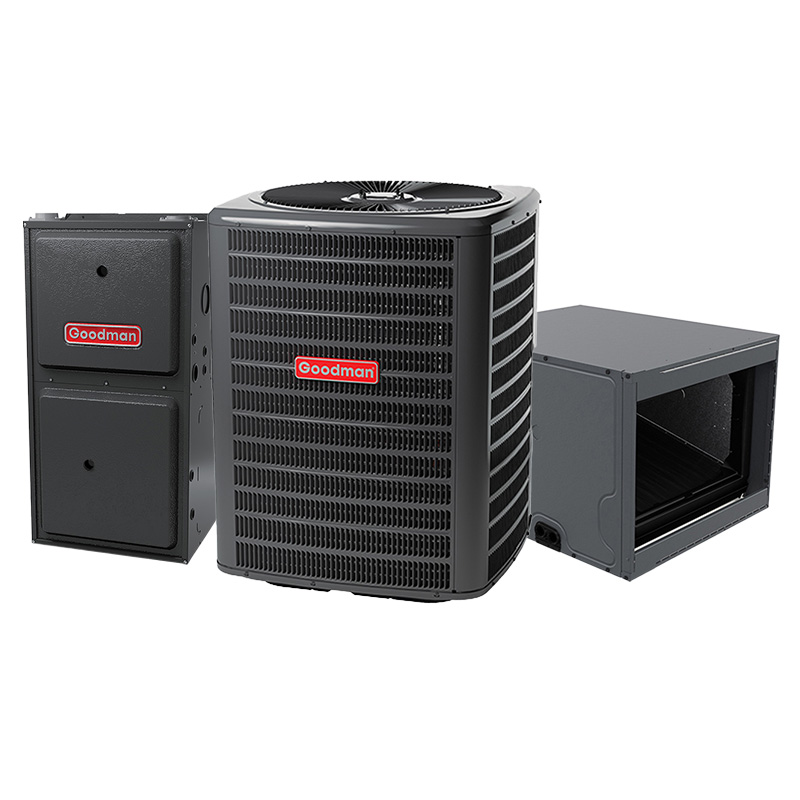
Goodman 4 Ton 16.7 SEER2 AC With 120000 BTU 96% AFUE 2-Stage Variable-Speed ECM Gas Furnace System – Horizontal | 2-Stage High Efficiency AC | R32
View on AC Direct see your lowest price →Check current price on AC Direct →
Key features
- 16.7 SEER2 two-stage compressor for improved humidity control and part-load efficiency
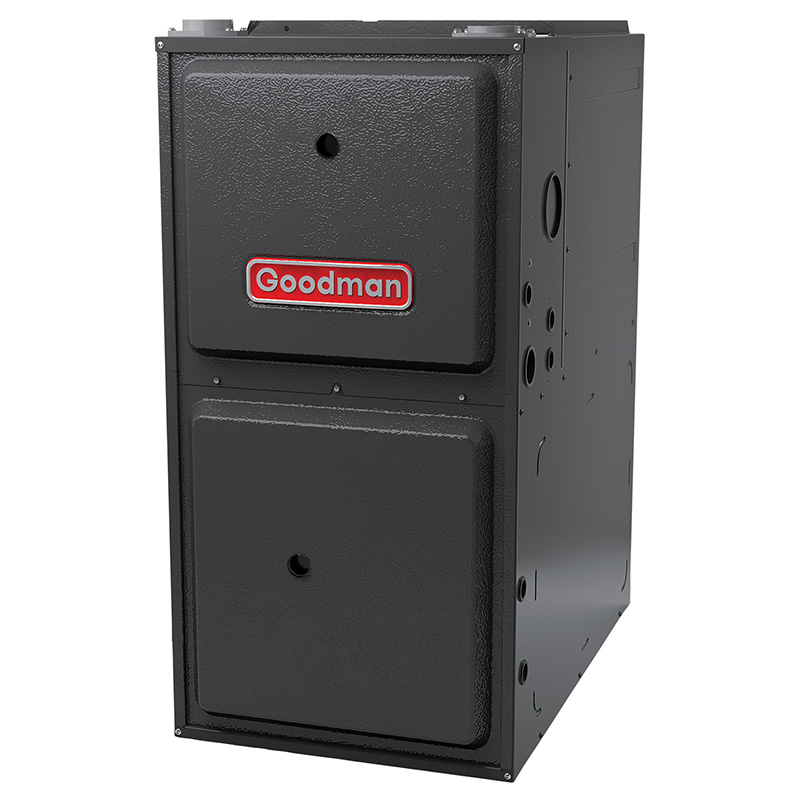
- 96% AFUE two-stage gas furnace with variable-speed ECM blower motor
- 120,000 BTU heating capacity suited to larger homes in colder climates
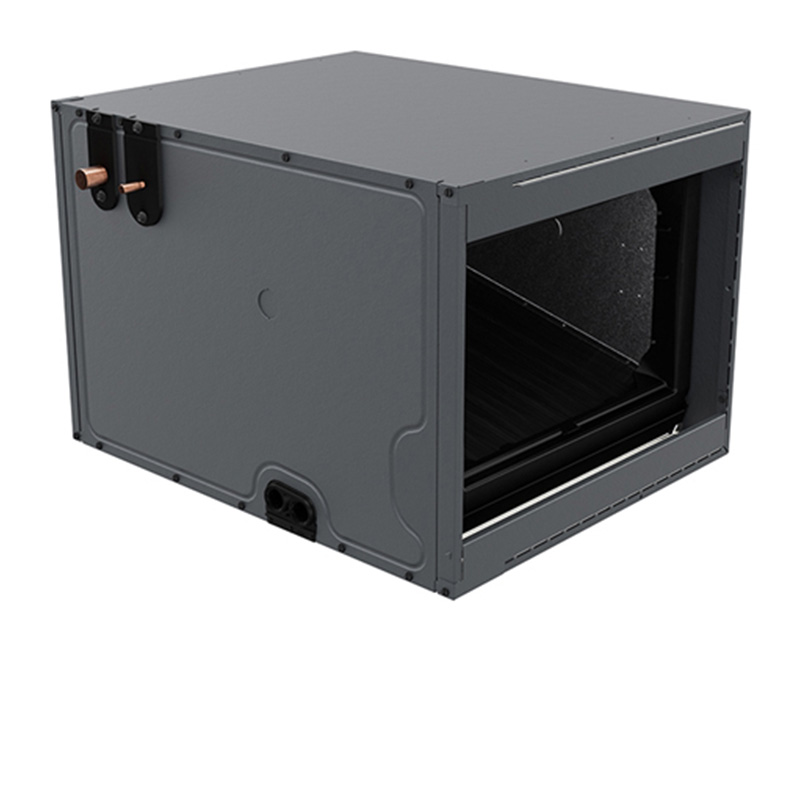
- Horizontal configuration designed for attic and crawlspace installations
- R-32 refrigerant with lower global warming potential than R-410A
- Variable-speed ECM motor reduces blower electricity consumption and operating noise
About this system
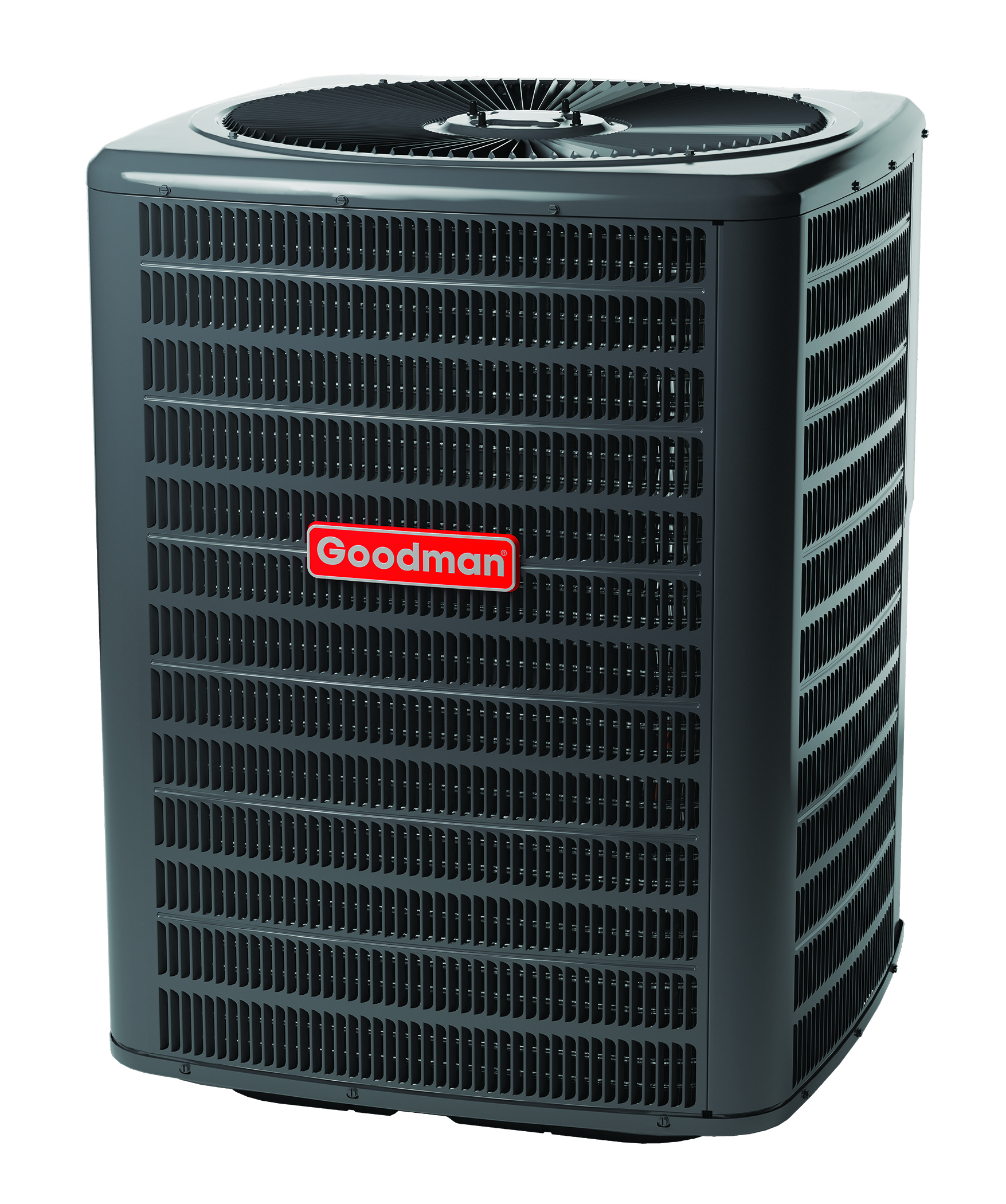
The Goodman GLXT7CA4810 pairs a 4-ton, 16.7 SEER2 two-stage air conditioner with a 120,000 BTU, 96% AFUE two-stage variable-speed ECM gas furnace in a horizontal configuration. That combination covers larger homes, typically in the 2,400 to 3,200 square foot range depending on climate and insulation, where a single-stage system would short-cycle or struggle to hold even temperatures. The two-stage compressor runs at low capacity roughly 80 percent of the time, which reduces humidity better than single-stage equipment and keeps utility bills lower during mild weather. The variable-speed ECM blower in the furnace further trims electricity use and produces noticeably quieter airflow compared to a fixed-speed motor.
The horizontal configuration is purpose-built for attic installations and tight crawlspace setups where vertical units simply will not fit. R-32 refrigerant carries a lower global warming potential than the R-410A it is gradually replacing, and its higher energy density allows slightly smaller line sets, though not all existing line sets are compatible and a certified technician must handle the charge. At 96% AFUE, the furnace keeps roughly 96 cents of every dollar of gas as usable heat, qualifying for federal efficiency incentives in most jurisdictions. This system suits homeowners in mixed climates who want meaningful efficiency gains over builder-grade equipment without paying the premium pricing of Trane, Lennox, or Carrier.
The GLXT7CA4810 delivers genuinely competitive efficiency and comfort features at a price point that sits 15 to 25 percent below comparable Carrier, Trane, and Lennox systems. The two-stage cooling and ECM furnace combo is a real upgrade over builder-grade equipment, and the value case is strong for budget-conscious buyers. That said, component longevity and repair costs after year seven are real concerns, and the system's long-term performance depends heavily on the quality of the installing contractor.
Overall score is the average of the five ratings above.
What we like
- 16.7 SEER2 rating delivers above-average seasonal efficiency for meaningful utility savings
- Two-stage cooling improves dehumidification and comfort over single-stage alternatives
- 96% AFUE furnace qualifies for federal clean energy tax credits in most filing situations
- Priced 15 to 25 percent below comparable Trane, Carrier, and Lennox systems
- Variable-speed ECM blower cuts blower electricity use and reduces operating noise
Trade-offs
- Dual-run capacitors are the most commonly reported failure point, typically adding $300 to $600 in repair costs after the warranty window
- Evaporator coil leaks appear in a meaningful share of owner reviews, which can be costly outside of the parts warranty period
- Compressor lifespan averages 10 to 14 years versus 15 to 20 years for premium brands, affecting long-term cost of ownership
- Horizontal attic or crawlspace installations add complexity and labor cost, and condensate drainage must be carefully managed to avoid ceiling damage
What homeowners and pros say about Goodman
Homeowners who have lived with Goodman equipment for several years tend to tell a split story. Early in ownership, the systems generally perform as expected, and the lower purchase price earns consistent praise in Google dealer reviews, which average around 3.8 out of 5 across hundreds of locations. The affordability relative to Carrier, Trane, and Lennox is the most repeated compliment. The picture shifts after the five to seven year mark. ConsumerAffairs ratings for Goodman sit at roughly 2.5 out of 5, and while that platform skews heavily toward people writing after a frustrating experience, the recurring pattern is real: repair costs climbing in the second half of the warranty period, with dual-run capacitor replacements being the most frequently cited service call. Evaporator coil leaks appear in a meaningful share of owner accounts as well, and those repairs are considerably more involved than a capacitor swap.
HVAC technicians generally hold a pragmatic view of this brand. Most will install Goodman without hesitation and point out that a properly sized, correctly charged system will serve a homeowner reasonably well. Where technicians get cautious is around compressor longevity: the consensus expectation for a Goodman compressor runs 10 to 14 years, noticeably shorter than the 15 to 20 years more commonly seen with premium brands. A minority of technicians also flag first-year refrigerant leaks as a recurring callback issue, which they attribute mainly to install or initial charge problems rather than a systemic manufacturing defect. For this horizontal system specifically, technicians emphasize that condensate drainage and proper securing in an attic or crawlspace are critical steps that separate a trouble-free install from one that generates callbacks.
Sources: ConsumerAffairs Goodman owner reviews, AHRI Directory of Certified Product Performance, U.S. DOE appliance and equipment efficiency standards, Goodman product specification sheets.
What it costs to run
At 16.7 SEER2, cooling this 4-ton system for a typical 1200-hour cooling season at the U.S. average electricity rate of $0.17/kWh works out to roughly $586 per year in cooling, about $145 less per year than a minimum-efficiency 13.4 SEER2 unit of the same size. Your real cost depends on your climate and local rate.
Method: (48,000 BTU/hr ÷ 16.7 SEER2) × 1200 hours ÷ 1000 × $0.17/kWh. Rate source: U.S. EIA average; cooling hours: moderate-climate estimate.
How it compares
| Brand | Comparable model | SEER2 | Stage | Price position |
|---|---|---|---|---|
| Goodman | GLXT7CA4810 | 16.7 | Two-stage | Value pick |
| Carrier | Comfort 16 (24ACC6) | 16 | Two-stage | Typically 15 to 25 percent more than Goodman |
| Trane | XR16 (4TTR6) | 16 | Single-stage | Typically 15 to 25 percent more than Goodman |
| Lennox | Merit 16ACX | 16 | Single-stage | Typically 15 to 25 percent more than Goodman |
Competitor rows are comparable single-stage units at similar efficiency; price is relative position, not a quote.
Questions about this system
Is a horizontal configuration more expensive to install than a standard vertical setup?
Yes, in most cases. Horizontal installs in attics or crawlspaces require additional labor for condensate drainage routing, vibration isolation, and access, all of which add to the total installation cost. Be sure to get quotes that itemize labor for the horizontal configuration specifically.
Can this system use my existing R-410A line set?
Sometimes, but not always. R-32 operates at higher pressures than R-410A, so your existing copper line set needs to be inspected and pressure-rated before reuse. A certified technician must flush, pressure-test, and verify compatibility before charging the new system.
What does the Goodman warranty cover on this system, and how long does it last?
Goodman typically offers a 10-year parts warranty on registered units, which covers components including the compressor and heat exchanger. Registration must be completed within 60 days of installation to receive the full term; unregistered units generally revert to a shorter base warranty. Labor is not included.
How often do the dual-run capacitors fail, and is it expensive to fix?
Dual-run capacitors are the most commonly reported failure point on Goodman equipment and typically show up after the first several years of use. The repair is usually straightforward for an HVAC technician and typically runs $300 to $600 including labor, making it one of the less costly service calls you might face.
Does the 120,000 BTU furnace actually make sense for my home, or is that oversized?
120,000 BTU is on the larger end and is designed for colder climates, very large homes, or homes with high heat loss. Oversizing a furnace causes short-cycling, uneven temperatures, and added wear on the heat exchanger. Before purchasing, have a contractor perform a Manual J load calculation to confirm this output matches your home's actual heating requirement.
Specifications
| Cooling capacity | 4 Ton |
| Efficiency | 16.7 SEER2 |
| Furnace output | 120000 BTU |
| Furnace efficiency | 96% AFUE |
| Configuration | Horizontal |
| Refrigerant | R-32 |
| Model | GLXT7CA4810 |