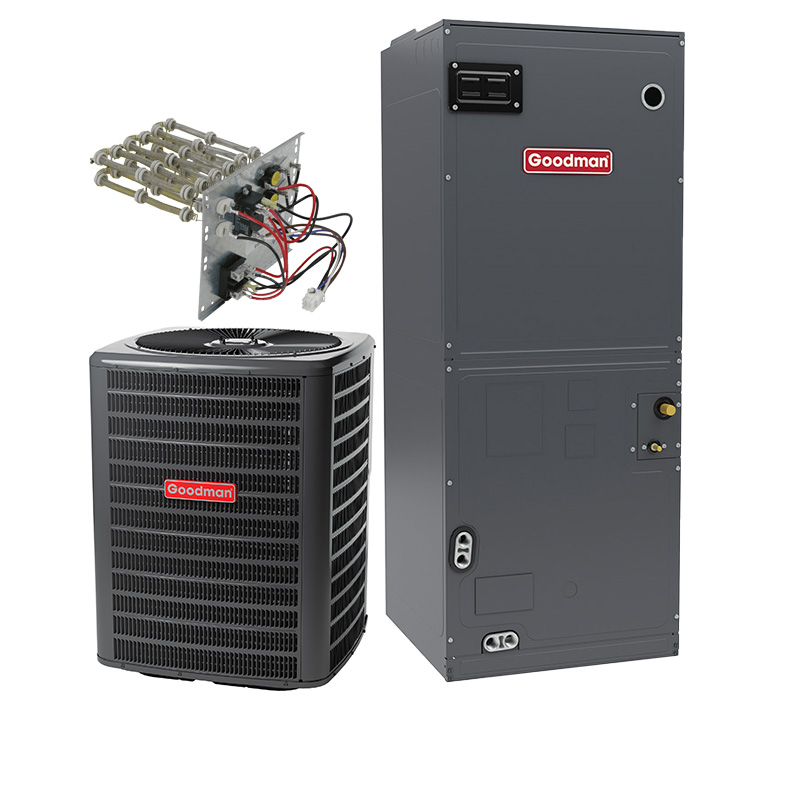
Goodman 4 Ton 17.2 SEER2 R32 Two Stage Cooling Only System With Electric Heat
View on AC Direct see your lowest price →Check current price on AC Direct →
Key features
- Two-stage compressor for improved humidity control and reduced short-cycling on mild days
- 17.2 SEER2 efficiency rating, well above the federal minimum under the current DOE test standard
- R-32 refrigerant: lower global warming potential and single-component for easier servicing
- 4-ton capacity designed for larger homes, typically 1,800 to 2,400 square feet depending on load
- Cooling-only condenser paired with electric heat air handler for all-electric operation
- Priced 15 to 25 percent below comparable Trane, Lennox, and Carrier two-stage systems
About this system
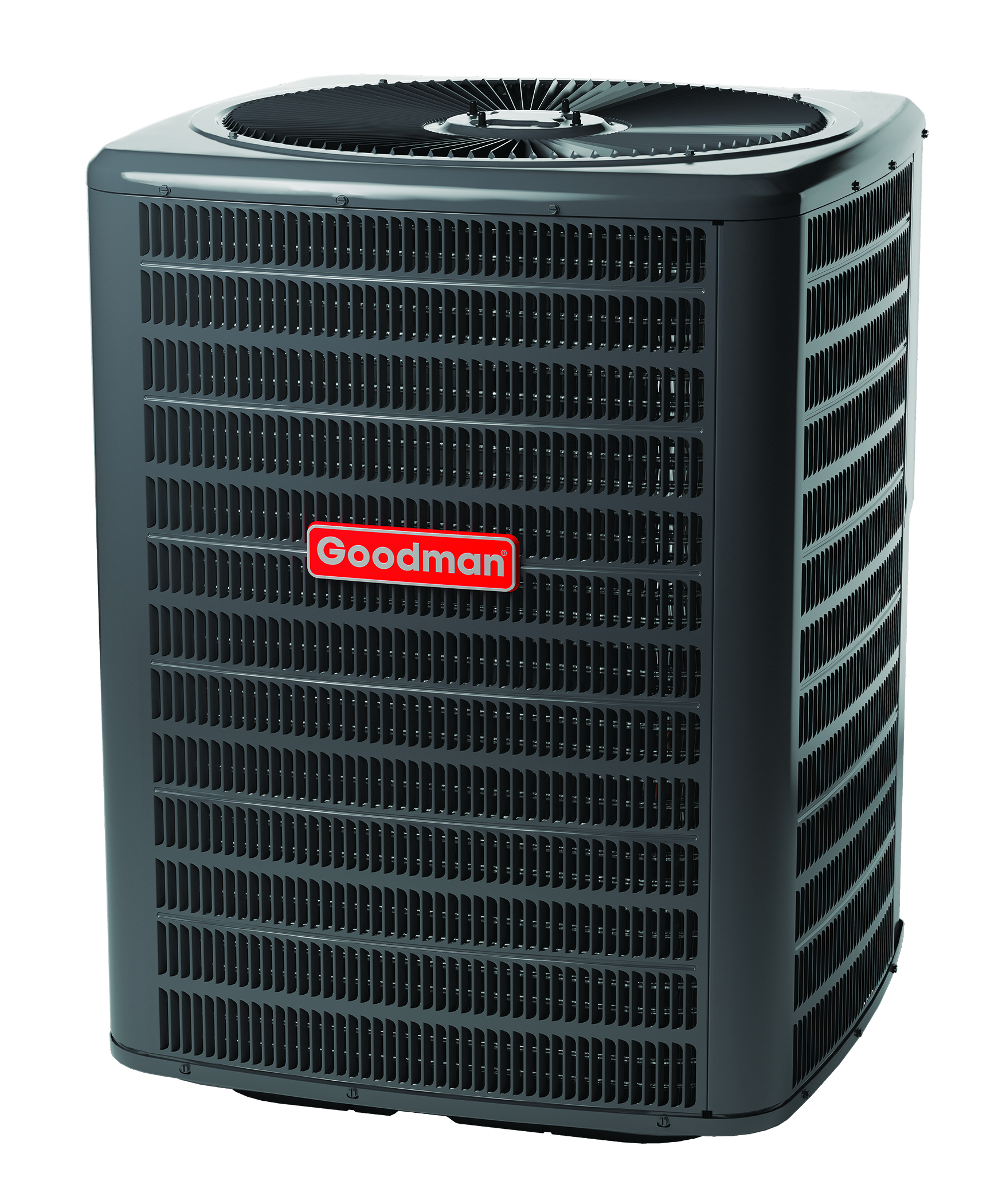
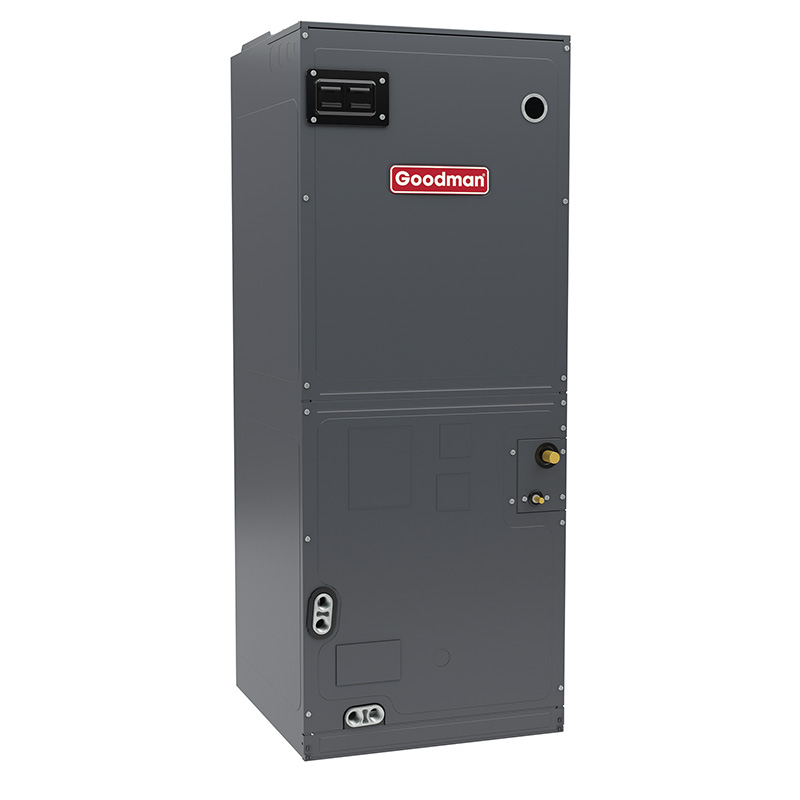
The Goodman 4-ton 17.2 SEER2 two-stage cooling-only system pairs a two-stage outdoor condensing unit with an electric heat air handler, making it a practical fit for larger homes in warm-to-hot climates where natural gas service is unavailable or where all-electric operation is preferred. At 4 tons, it targets spaces roughly in the 1,800-to-2,400 square foot range, though your actual load calculation should drive that final sizing decision. The two-stage compressor runs at a lower capacity on most moderate days, reducing short-cycling, improving humidity control, and lowering runtime noise compared to a single-stage unit at the same tonnage.
The 17.2 SEER2 rating lands this system squarely in the upper-mid-efficiency tier under the 2023 DOE SEER2 test standard, which applies stricter external static pressure conditions than the older SEER protocol. Practically speaking, 17.2 SEER2 meaningfully outperforms the federal minimum (14 SEER2 in most Southern regions) and should deliver noticeable energy savings over older or entry-level equipment without reaching the premium price point of variable-speed 20-plus SEER2 systems. The R-32 refrigerant charge is a forward-looking choice: R-32 has a lower global warming potential than the R-410A it replaces, and its single-component makeup makes recovering and recharging it straightforward for certified technicians.
This configuration suits cost-conscious buyers in hotter climates who need reliable cooling and backup electric heat, want a two-stage comfort step up from single-stage without paying variable-speed prices, and are working with a qualified local installer who has Goodman experience. It is less suited to climates where heating efficiency is the dominant annual cost driver, since the electric heat strips are inherently less efficient than a heat pump in mild temperatures.
The Goodman 4-ton 17.2 SEER2 two-stage system delivers a genuine efficiency and comfort upgrade over single-stage entry-level equipment at a price point that is hard to match among name-brand alternatives. The trade-off is a brand track record that shows meaningful repair activity after year seven and compressor longevity that trails premium competitors. Outcome depends heavily on installation quality and ongoing maintenance.
Overall score is the average of the five ratings above.
What we like
- Two-stage operation improves humidity removal and comfort compared to single-stage units at this tonnage
- 17.2 SEER2 is a solid efficiency tier that will reduce energy bills versus older or minimum-efficiency equipment
- R-32 refrigerant is lower-GWP and relatively straightforward to handle for certified technicians
- Purchase price runs 15 to 25 percent below comparable Carrier, Trane, and Lennox two-stage systems
- Widely available replacement parts and a large national service network familiar with Goodman equipment
Trade-offs
- Dual-run capacitor failures are the most commonly reported repair, typically occurring in the first several years and costing roughly 300 to 600 dollars
- Evaporator coil leaks appear in a meaningful share of owner reviews, a potential mid-life expense
- Compressor lifespan averages 10 to 14 years versus 15 to 20 years typical of premium-brand compressors
- A minority of owners report refrigerant leaks within the first year, most often linked to installation or initial charge issues rather than the equipment itself
What homeowners and pros say about Goodman
Homeowners who have lived with Goodman equipment long enough to form a real opinion tend to land in one of two camps. Those who had a skilled installer and kept up with annual maintenance often report years of uneventful operation and point to the lower upfront cost as money well saved. Those who did not often encounter the failure modes that show up repeatedly in reviews: a capacitor going out in summer heat, a coil developing a slow refrigerant leak, or a compressor that does not make it past the 12-year mark. The ConsumerAffairs score of about 2.5 out of 5 reflects a complaint-heavy audience, and the pattern there is consistent, repair costs that feel disproportionate relative to the original purchase price after roughly year seven. The Google dealer review average of around 3.8 out of 5, across locations where technicians and buyers interact in person, paints a somewhat more balanced picture, with affordability cited most often as the reason people chose Goodman in the first place.
HVAC technicians tend to be pragmatic about the brand. Most will install Goodman without hesitation for a customer on a tight budget, and many stock the common wear parts because capacitor calls on Goodman equipment are frequent enough to be routine. The dual-run capacitor is the component most technicians flag as a when, not if, replacement item. Coil leaks are the more costly concern, and compressor longevity landing in the 10-to-14-year range rather than the 15-to-20 years common on Trane or Carrier compressors is a recognized trade-off for the lower price. On a two-stage system at this efficiency level, technicians generally note that the added complexity of the two-stage operation makes installation precision more important than on a basic single-stage unit, and that a careful setup with correct refrigerant charge and airflow measurements is the strongest thing a buyer can do to protect the investment.
Sources: ConsumerAffairs Goodman owner reviews, AHRI Directory of Certified Product Performance, U.S. DOE appliance and equipment efficiency standards, Goodman product specification sheets.
What it costs to run
At 17.2 SEER2, cooling this 4-ton system for a typical 1200-hour cooling season at the U.S. average electricity rate of $0.17/kWh works out to roughly $569 per year in cooling, about $162 less per year than a minimum-efficiency 13.4 SEER2 unit of the same size. Your real cost depends on your climate and local rate.
Method: (48,000 BTU/hr ÷ 17.2 SEER2) × 1200 hours ÷ 1000 × $0.17/kWh. Rate source: U.S. EIA average; cooling hours: moderate-climate estimate.
How it compares
| Brand | Comparable model | SEER2 | Stage | Price position |
|---|---|---|---|---|
| Goodman | 4-Ton 17.2 SEER2 Two-Stage R-32 Cooling Only with Electric Heat | 17.2 | Two-stage | Value pick |
| Carrier | Performance 17 Series (24ACC6) | 17 | Two-stage | Typically 15 to 25 percent more than this Goodman system |
| Trane | XR17 | 17 | Two-stage | Typically 15 to 25 percent more than this Goodman system |
| Lennox | XC17 | 17 | Two-stage | Typically 15 to 25 percent more than this Goodman system |
Competitor rows are comparable single-stage units at similar efficiency; price is relative position, not a quote.
Questions about this system
Is 4 tons the right size for my house with this system?
Tonnage should always be confirmed with a Manual J load calculation performed by your installer, not estimated by square footage alone. Factors like ceiling height, insulation levels, window area, and local climate all affect the correct size. An oversized 4-ton unit will short-cycle and perform worse on humidity control than a properly sized smaller unit, even with two-stage operation.
What does two-stage cooling actually do for me day to day?
On most days the compressor runs at its lower stage, which means longer, quieter run cycles that pull more moisture out of your indoor air and maintain more even temperatures room to room. The second stage kicks in on the hottest days when full capacity is needed. Compared to a single-stage unit of the same tonnage, you should notice better humidity control and fewer sharp on-off cycles.
How does R-32 refrigerant affect service and maintenance costs?
R-32 requires technicians to be EPA 608 certified to handle it, which is standard for any licensed HVAC professional. Because it is a single-component refrigerant rather than a blend, a technician can recharge it without replacing the entire charge after a leak repair. Parts availability is growing rapidly as R-32 systems become more common, so finding service should not be difficult.
Goodman has mixed reviews online. Should I be concerned about reliability?
The concern is real and worth factoring in. Goodman scores around 2.5 on ConsumerAffairs, a channel that skews toward complaints, where the recurring theme is repair costs climbing after roughly year seven. Google dealer reviews average around 3.8 out of 5, where affordability is the most common praise. The documented failure modes to watch for are dual-run capacitor failures (a relatively inexpensive fix at 300 to 600 dollars), evaporator coil leaks, and compressor lifespan that tends to average 10 to 14 years rather than the 15 to 20 years typical of premium brands. Budgeting for a capacitor replacement and scheduling annual maintenance goes a long way toward managing these risks.
Why does this system use electric heat strips instead of a heat pump?
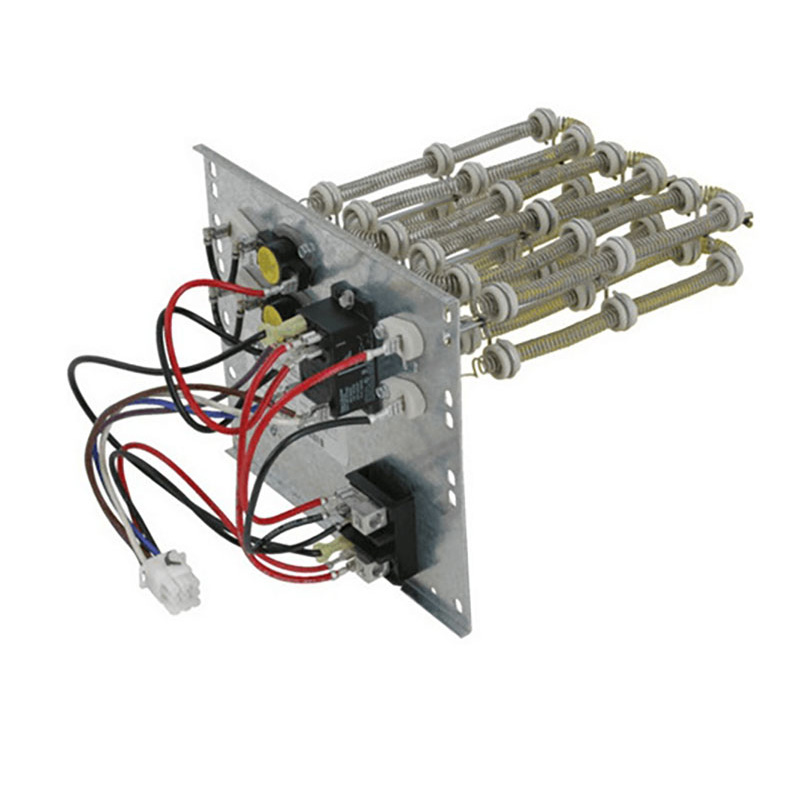
This is a cooling-only condensing unit, meaning it runs refrigerant in one direction only and cannot extract heat from outdoor air the way a heat pump can. The electric heat strips in the air handler provide supplemental or primary heat when needed. This is a common and cost-effective setup in warmer climates where heating loads are low, but electric resistance heat is significantly less efficient than a heat pump in climates with meaningful heating seasons, so it may not be the best fit if heating costs are a major concern.
Specifications
| Cooling capacity | 4 Ton |
| Efficiency | 17.2 SEER2 |
| Refrigerant | R-32 |