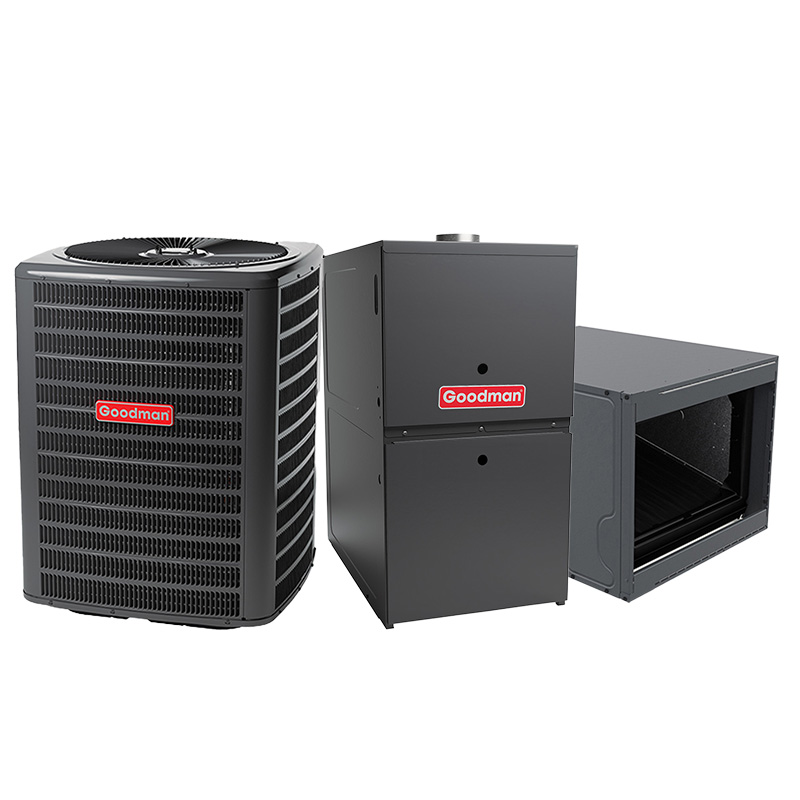
Goodman 4 Ton AC And 100000 BTU 80% AFUE Gas Furnace System | 17.2 SEER2 Two Stage AC | Variable Speed Two Stage Furnace | Horizontal | R32
View on AC Direct see your lowest price →Check current price on AC Direct →
Key features
- 17.2 SEER2 two-stage cooling for better humidity control and part-load efficiency
- 100,000 BTU two-stage furnace with variable-speed blower for quieter, more even heat
- Horizontal configuration designed for attic, crawlspace, or closet installations
- R-32 refrigerant with lower global warming potential than R-410A
- 80% AFUE furnace efficiency meets federal minimum standards for most northern and all southern U.S. climate zones
- Two-stage operation on both units allows low-demand modulation, reducing short cycling
About this system
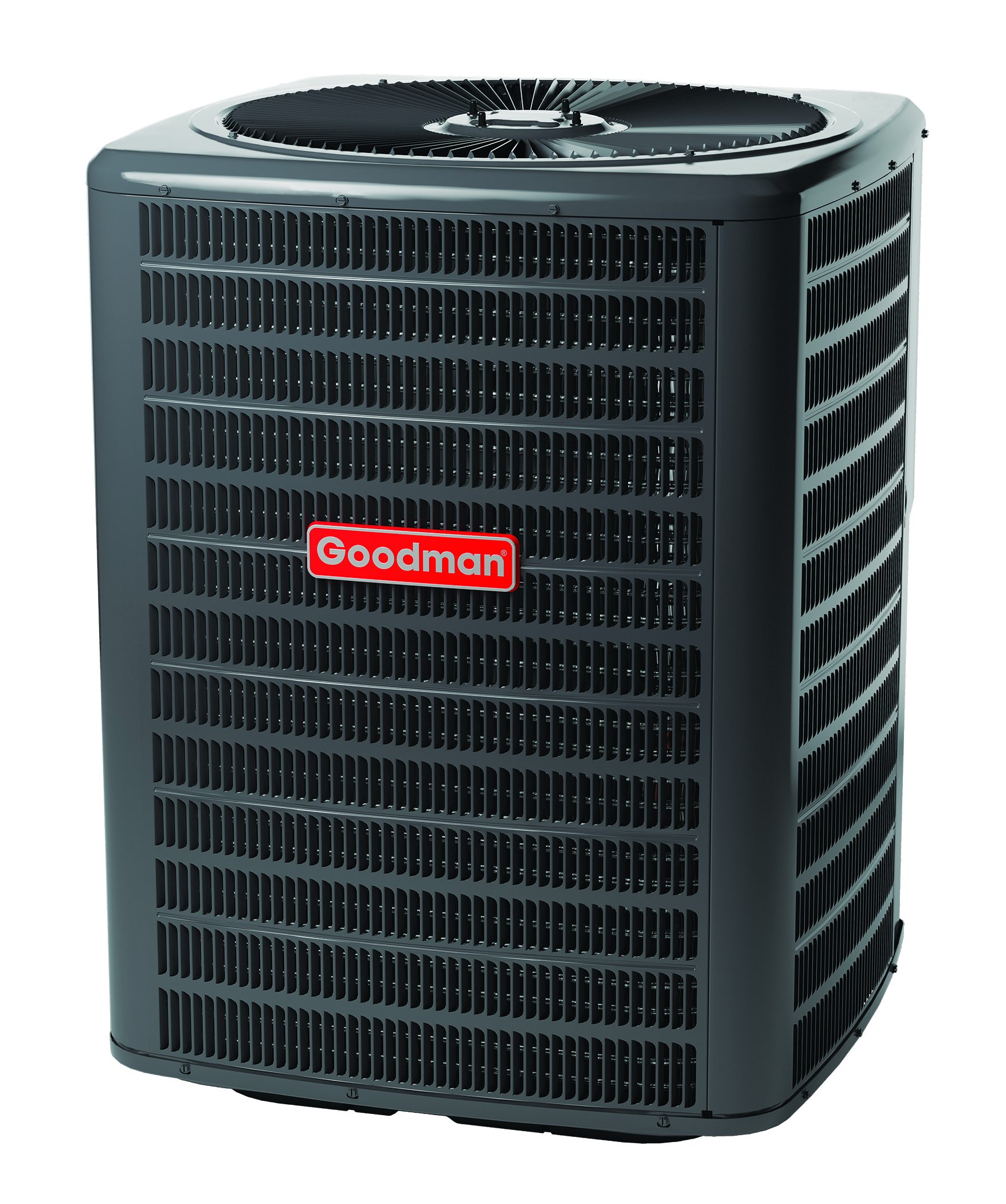
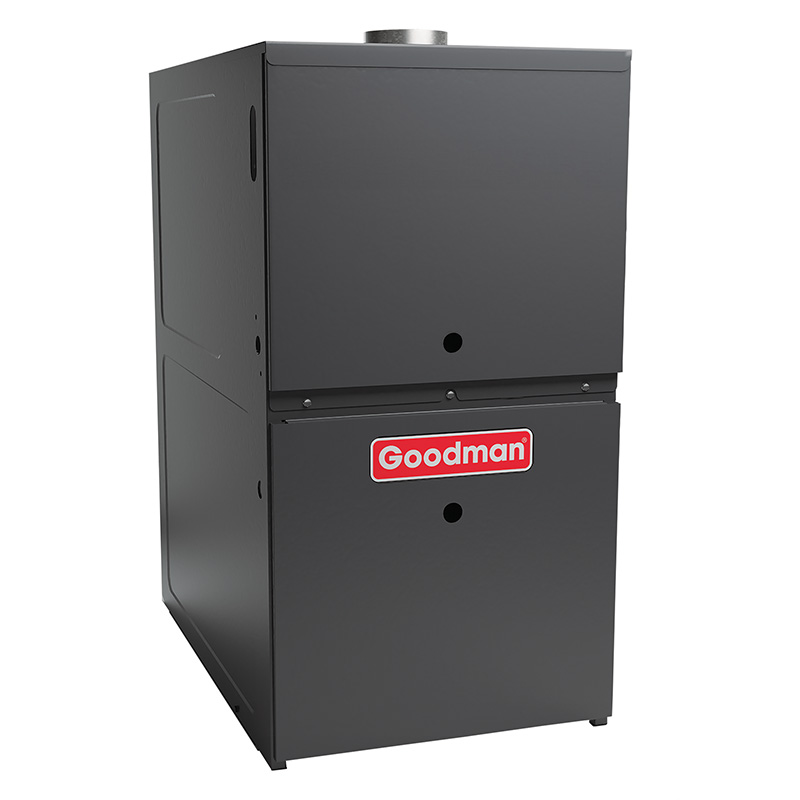
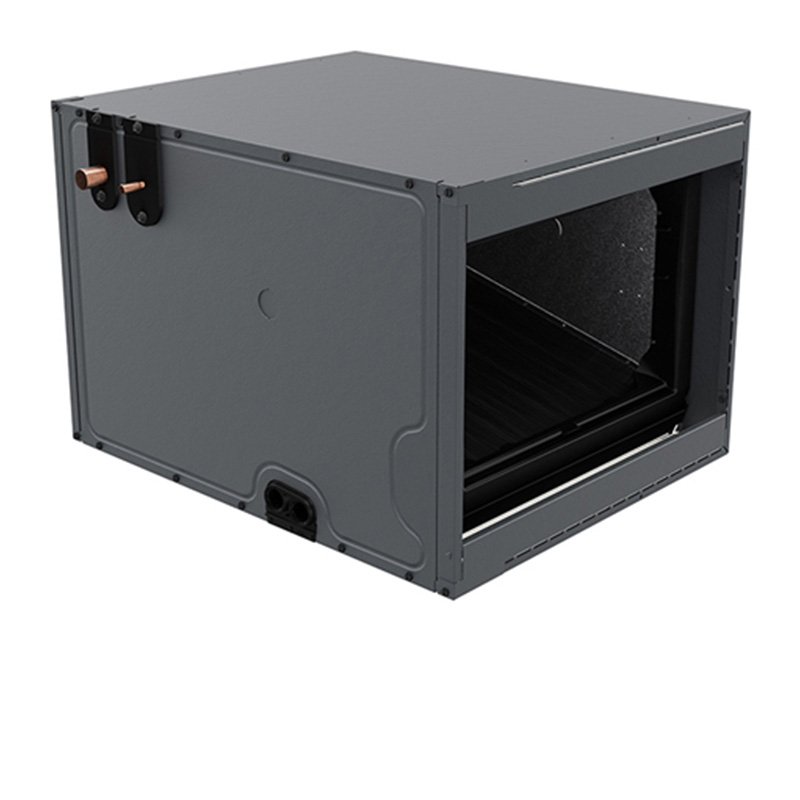
This Goodman bundle pairs a 4-ton, 17.2 SEER2 two-stage air conditioner with a 100,000 BTU, 80% AFUE two-stage gas furnace in a horizontal configuration, making it a practical choice for homes with attic or crawlspace installations where vertical clearance is limited. The R-32 refrigerant charge is a forward-looking choice: R-32 has a lower global warming potential than the R-410A it replaces and is increasingly common in new equipment as the industry moves away from older refrigerants.
The two-stage compressor in the AC side is the standout functional upgrade over single-stage budget systems. Running on low stage during moderate weather, it keeps the unit running longer cycles that pull more humidity from the air, which matters in warm climates where sticky conditions can make a properly sized space feel uncomfortable even at the right temperature. The variable-speed, two-stage furnace pairs well here, blending quiet low-fire operation on mild days with full output when temperatures drop hard. Together these controls give the system better part-load performance than a single-stage setup at a similar price point.
A 4-ton capacity targets homes roughly in the 2,000 to 2,600 square foot range, though actual sizing depends heavily on insulation, climate zone, window area, and a proper Manual J load calculation. Buyers who are replacing aging R-22 or R-410A equipment and want a capable mid-tier system without paying premium-brand prices will find this combination worth a close look, provided they pair it with a skilled installer.
This Goodman system delivers genuinely capable two-stage performance and a forward-looking R-32 refrigerant charge at a price point 15 to 25 percent below comparable Trane, Carrier, and Lennox bundles. The trade-off is a brand with a documented history of capacitor failures and shorter average compressor life, meaning long-term ownership costs depend heavily on your installer's quality and your willingness to budget for eventual repairs. For buyers who are cost-conscious up front and plan to stay in the home 10 to 12 years, this system offers solid value; those expecting 18-plus years of low-maintenance service may want to weigh premium alternatives.
Overall score is the average of the five ratings above.
What we like
- Price is typically 15 to 25 percent below Carrier, Trane, and Lennox equivalents, reducing upfront outlay
- Two-stage cooling on both the AC and furnace improves humidity control and comfort versus single-stage systems
- R-32 refrigerant is more environmentally responsible and increasingly well-supported by service technicians
- Horizontal config opens up installation options in homes without a dedicated vertical mechanical room
- Variable-speed furnace blower runs quietly at low stage and moves conditioned air more evenly through the home
Trade-offs
- Dual-run capacitors are the most frequently reported failure point, typically requiring a 300 to 600 dollar service call within the first decade
- Evaporator coil leaks appear in a meaningful share of owner reviews, a concern amplified by the R-32 charge that requires certified handling
- Compressor lifespan averages 10 to 14 years versus 15 to 20 years commonly cited for premium brands, shortening the realistic replacement horizon
- 80% AFUE is the federal minimum in many regions and lags behind 96% AFUE high-efficiency alternatives, leaving annual heating savings on the table in cold climates
What homeowners and pros say about Goodman
Goodman sits at roughly 3.8 out of 5 stars across Google dealer reviews, where the most common praise centers on affordability and the ability to get a capable system installed without the sticker shock of premium brands. On ConsumerAffairs, the picture is rougher: scores hover around 2.5 out of 5, and the pattern in those reviews is consistent enough to take seriously. Repair costs climbing after year seven is the recurring grievance, with dual-run capacitor failures being the most frequently named culprit, a repair that typically runs 300 to 600 dollars but is frustrating when it shows up on a system that is only a few years old. Evaporator coil leaks also surface in a meaningful share of owner feedback, and those can be more expensive to address, especially now that R-32 requires certified handling.
HVAC technicians who work on Goodman equipment frequently echo the same point: the brand performs closer to its specs when the installation is done right. Refrigerant charge accuracy, proper static pressure balancing, and correct condensate drainage on a horizontal install are factors that have an outsized effect on how long the system lasts and how many callbacks follow. Compressor longevity on Goodman equipment tends to average 10 to 14 years in documented real-world experience, compared to the 15 to 20 years more commonly associated with Trane, Carrier, and Lennox. That gap is worth weighing against the upfront savings, particularly for buyers who plan to stay in the home long-term and want to avoid a full system replacement inside 12 years.
Sources: ConsumerAffairs Goodman owner reviews, AHRI Directory of Certified Product Performance, U.S. DOE appliance and equipment efficiency standards, Goodman product specification sheets.
What it costs to run
At 17.2 SEER2, cooling this 4-ton system for a typical 1200-hour cooling season at the U.S. average electricity rate of $0.17/kWh works out to roughly $569 per year in cooling, about $162 less per year than a minimum-efficiency 13.4 SEER2 unit of the same size. Your real cost depends on your climate and local rate.
Method: (48,000 BTU/hr ÷ 17.2 SEER2) × 1200 hours ÷ 1000 × $0.17/kWh. Rate source: U.S. EIA average; cooling hours: moderate-climate estimate.
How it compares
| Brand | Comparable model | SEER2 | Stage | Price position |
|---|---|---|---|---|
| Goodman | GLXS4BA48 + GCVC801005CX (this system) | 17.2 | Two-stage AC / Two-stage furnace | Value pick |
| Carrier | Comfort 16 (24ACC6) series with 80% gas furnace | ~16-17 | Single-stage AC / Single-stage furnace | Typically 15 to 25 percent more than this Goodman bundle |
| Trane | XR17 with S8X1 80% gas furnace | ~17 | Two-stage AC / Single-stage furnace | Typically 15 to 25 percent more than this Goodman bundle |
| Lennox | Merit ML17XC1 with ML180 80% gas furnace | ~17 | Two-stage AC / Single-stage furnace | Typically 15 to 25 percent more than this Goodman bundle |
Competitor rows are comparable single-stage units at similar efficiency; price is relative position, not a quote.
Questions about this system
Is 80% AFUE good enough for my climate, or should I pay more for a 96% furnace?
In the southern U.S. and mild coastal climates, 80% AFUE meets code and the heating season is short enough that the efficiency gap rarely justifies the upcharge. In colder northern climates where heating runs five or more months a year, the 15 to 16 percentage point efficiency gap versus a high-efficiency furnace can add up to meaningful annual fuel costs, and a 96% AFUE unit is worth pricing out before committing.
What does the horizontal configuration actually mean for my installation, and does it limit future service access?
Horizontal means the furnace is oriented on its side, typically in an attic, crawlspace, or a tight closet where standing the unit upright is not possible. Service access depends entirely on how the installer positions the unit and leaves clearance around the cabinet, so discussing future service room with your contractor before the install is worth the conversation.
How serious is the evaporator coil leak issue people mention in Goodman reviews, and does R-32 make it harder to address?
Coil leaks are a documented concern in owner feedback and not unique to Goodman, but they do appear with enough frequency to be worth noting. With R-32, refrigerant handling requires a certified technician using appropriate equipment, so a leak repair is not a DIY fix and can carry a higher labor cost than older refrigerant systems; factoring a potential coil service into your ownership budget is prudent.
Does two-stage cooling actually make a noticeable difference in humidity and comfort, or is it mostly a marketing point?
Two-stage operation is a real functional benefit, not just a label. Running on low stage for the majority of operating hours means longer, slower cycles that allow the evaporator coil more contact time with warm indoor air, which removes more moisture. Homeowners in humid climates consistently report better comfort at the same thermostat setting compared to single-stage systems of equivalent tonnage.
What should I budget for repairs over the first 10 years on top of the purchase price?
The most commonly needed repair is a dual-run capacitor replacement, which typically runs 300 to 600 dollars including labor and is often needed once in the first decade. A refrigerant charge check or coil service, if needed, would be an additional cost. Budgeting roughly 500 to 1,500 dollars for mid-life service over 10 years is a reasonable planning figure, though actual costs depend on your local labor market and how well the unit was installed.
Specifications
| Cooling capacity | 4 Ton |
| Efficiency | 17.2 SEER2 |
| Furnace output | 100000 BTU |
| Furnace efficiency | 80% AFUE |
| Configuration | Horizontal |
| Refrigerant | R-32 |