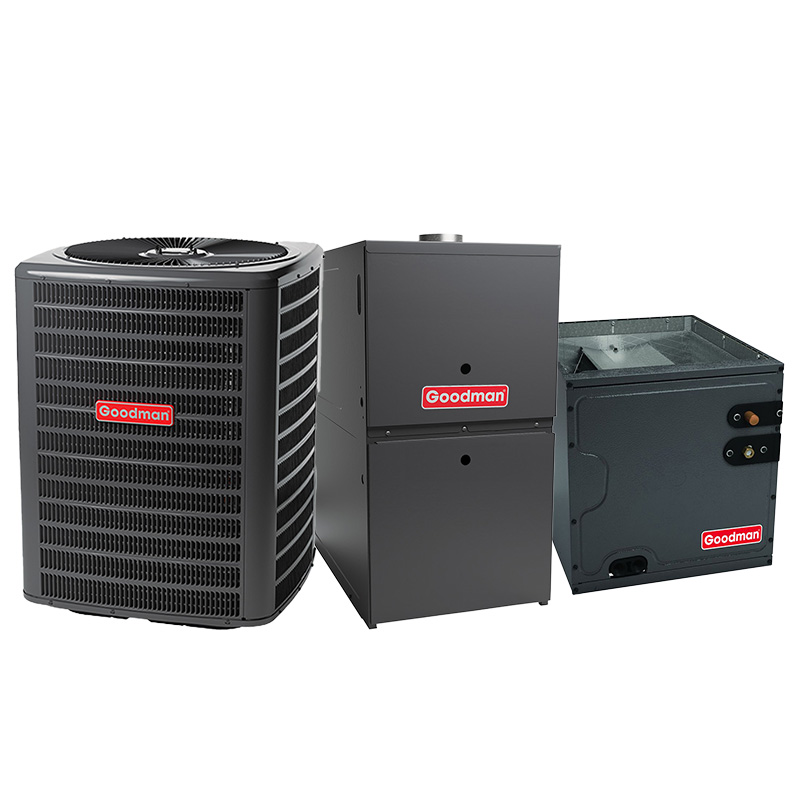
Goodman 4 Ton AC And 100000 BTU 80% AFUE Gas Furnace System | 17.5 SEER2 Two Stage AC | Variable Speed Two Stage Furnace | Upflow | R32
View on AC Direct see your lowest price →Check current price on AC Direct →
Key features
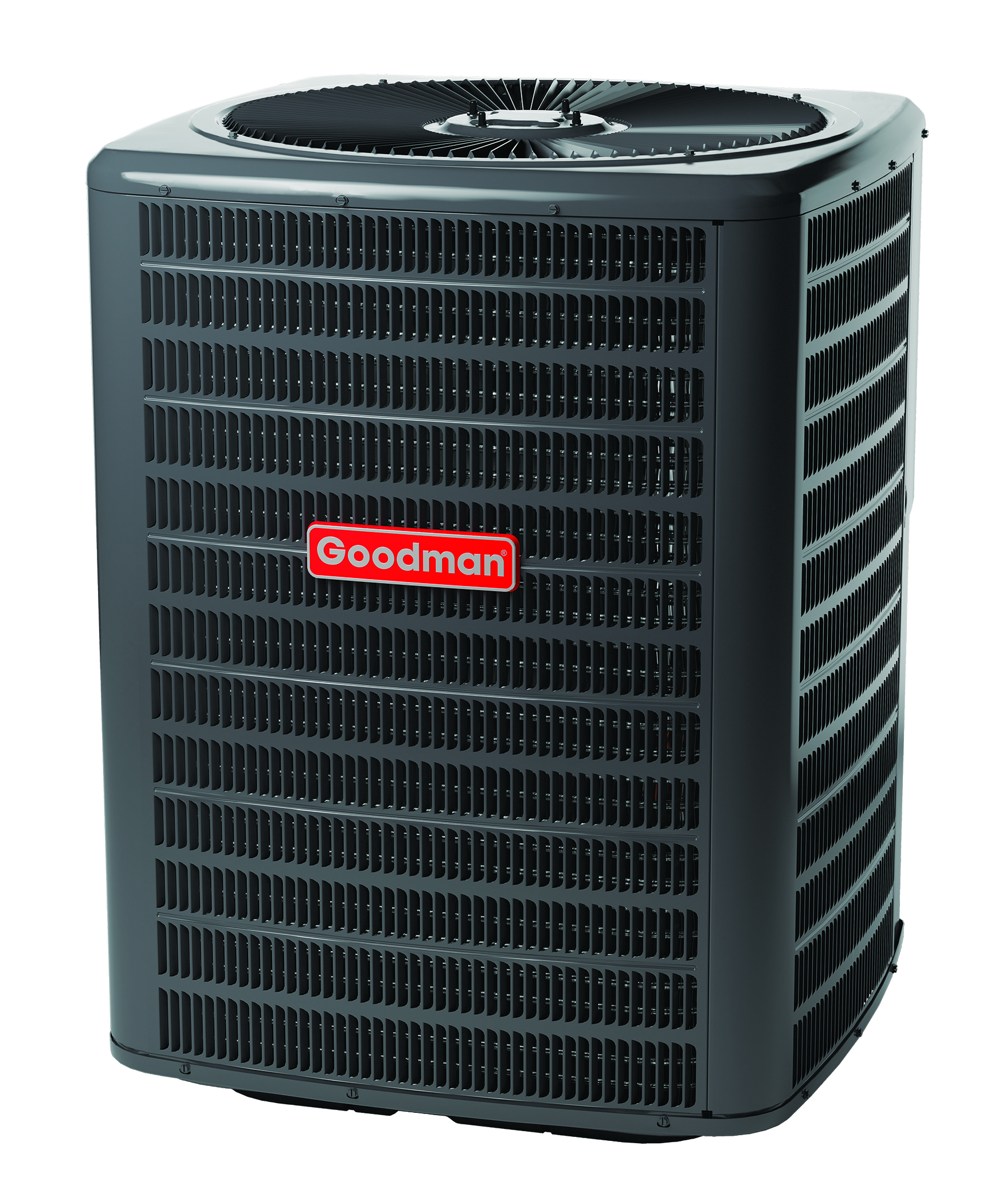
- 17.5 SEER2 two-stage compressor for mid-high efficiency cooling and humidity control
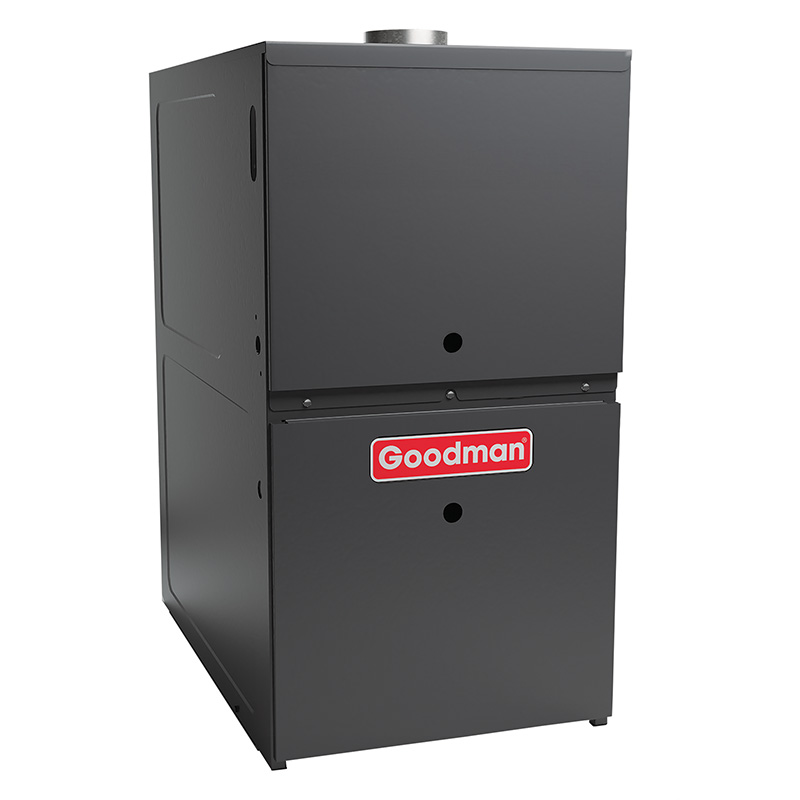
- 100,000 BTU two-stage gas furnace rated at 80% AFUE
- Variable-speed ECM blower motor for quieter, more consistent airflow
- Upflow cabinet design suits basement and crawl-space installations
- R-32 refrigerant with lower global-warming potential than R-410A
- Factory-matched system engineered and rated as a complete Goodman assembly
About this system
This Goodman bundle pairs a 4-ton, 17.5 SEER2 two-stage central air conditioner with a 100,000 BTU, 80% AFUE two-stage gas furnace in an upflow configuration, and it ships with R-32 refrigerant. The 17.5 SEER2 rating lands solidly in the mid-high efficiency tier, comfortably above the federal minimum and enough to qualify for most utility rebate programs. Two-stage cooling means the compressor runs at a lower capacity on mild days and only ramps to full power during peak heat, which translates to longer run cycles, steadier indoor temperatures, and better humidity control compared to a single-stage system.
The furnace side mirrors that logic: two-stage firing and a variable-speed air handler motor allow the system to condition air more gradually and quietly on shoulder-season days, rather than blasting on and off in short cycles. Upflow configuration means heated or cooled air is discharged upward through floor-level ductwork, which suits most homes built on a basement or crawl space. R-32 is a lower global-warming-potential refrigerant that is becoming the industry standard and is easier to handle in smaller charge weights, though it does require technicians who are current on its handling procedures.
This system is well suited to homeowners in climates with genuine heating and cooling seasons who want a step above entry-level equipment without paying premium-brand prices. It is not the right fit for someone who wants 18-plus SEER2 ratings, a 90-plus percent AFUE furnace, or the longest possible compressor lifespan without regular maintenance. At Goodman’s typical price point, buyers are trading some long-term reliability headroom for meaningful upfront savings.
This Goodman system delivers genuine mid-high efficiency at a price point that is typically 15 to 25 percent below comparable Trane, Lennox, or Carrier packages, making it a sensible choice for budget-conscious buyers who are willing to invest in a quality installation and stay on top of maintenance. Two-stage operation on both the AC and furnace is a real comfort upgrade over entry-level equipment, and R-32 positions the system for current refrigerant regulations. The trade-off is a brand track record that shows higher rates of coil leaks, dual-run capacitor failures, and compressor lifespans that tend to fall short of premium competitors.
Overall score is the average of the five ratings above.
What we like
- 17.5 SEER2 qualifies for utility rebates in most regions and meaningfully cuts cooling energy costs versus minimum-efficiency units
- Two-stage cooling and two-stage furnace firing deliver steadier temperatures and better dehumidification than single-stage equipment
- Variable-speed blower motor reduces noise and improves air filtration efficiency during long, low-speed cycles
- Priced 15 to 25 percent below comparable Trane, Lennox, and Carrier systems, freeing budget for a quality install or service contract
- R-32 refrigerant has a lower environmental footprint and is becoming the industry standard, so parts and service knowledge are widely available
Trade-offs
- 80% AFUE furnace loses 20 cents of every fuel dollar up the flue; a 96% AFUE unit would lower heating bills noticeably in cold climates
- Dual-run capacitors are the most commonly reported failure point and often need replacement in the first 7 to 10 years, adding a 300 to 600 dollar service call
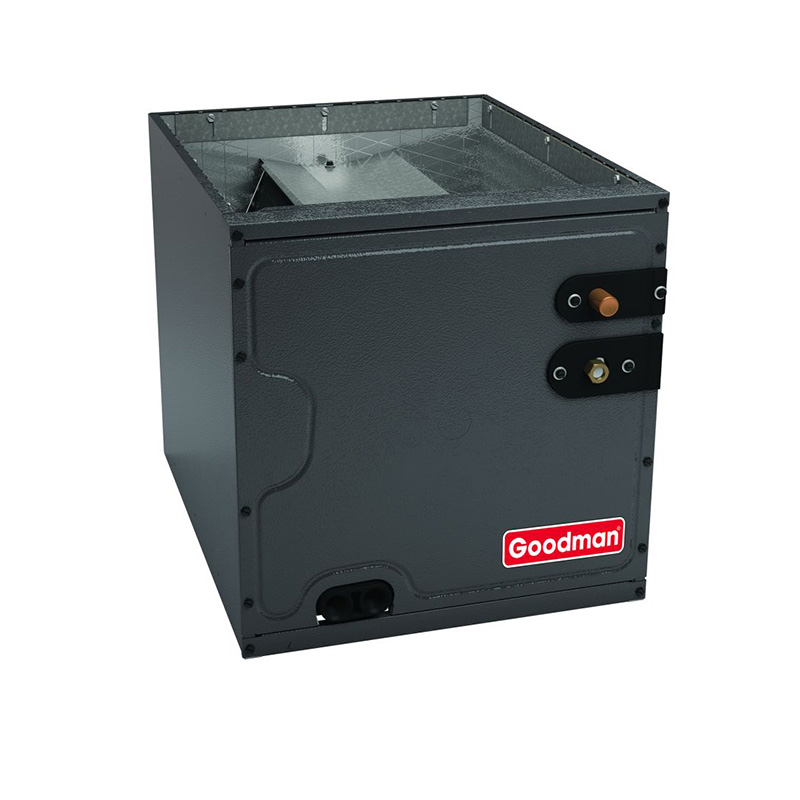
- Evaporator coil leaks appear in a meaningful share of owner reports, and compressor lifespan averages 10 to 14 years versus 15 to 20 for premium brands
- Performance is heavily dependent on installer quality; a poor refrigerant charge or duct mismatch will undercut the efficiency rating and shorten equipment life
What homeowners and pros say about Goodman
Homeowners who research Goodman online encounter a split picture. On ConsumerAffairs, the brand sits at roughly 2.5 out of 5 stars, a score driven largely by owners who wrote in after a frustrating repair bill, typically in the 7-to-10-year range when dual-run capacitors begin to fail and, in a meaningful share of cases, evaporator coil leaks surface. On Google dealer reviews, the rating climbs to around 3.8 out of 5, where the most consistent praise is straightforward: the system cost less than the competition and, when installed correctly, kept the house comfortable. That gap between the two scores reflects who takes the time to leave a review, not necessarily a broader failure epidemic, but the documented weak points, capacitors, coil integrity, and compressor longevity averaging 10 to 14 years rather than the 15 to 20 years seen in premium brands, are consistent enough to take seriously.
HVAC technicians who work on Goodman equipment regularly tend to offer a pragmatic view: the equipment is not considered fragile, but it rewards quality installation and penalizes shortcuts more visibly than premium brands do. Technicians note that refrigerant charge errors and undersized linesets account for a disproportionate share of first-year complaints, including some refrigerant leak calls that trace back to the install rather than the unit itself. The recurring professional advice is to budget for a service agreement that covers the capacitor and coil, treat the warranty paperwork seriously, and choose an installer with documented Goodman experience rather than simply the lowest bid. For a 4-ton, 17.5 SEER2 two-stage system at this price point, the equipment itself is competitive; the long-term outcome depends heavily on what happens during and after the install.
Sources: ConsumerAffairs Goodman owner reviews, AHRI Directory of Certified Product Performance, U.S. DOE appliance and equipment efficiency standards, Goodman product specification sheets.
What it costs to run
At 17.5 SEER2, cooling this 4-ton system for a typical 1200-hour cooling season at the U.S. average electricity rate of $0.17/kWh works out to roughly $560 per year in cooling, about $171 less per year than a minimum-efficiency 13.4 SEER2 unit of the same size. Your real cost depends on your climate and local rate.
Method: (48,000 BTU/hr ÷ 17.5 SEER2) × 1200 hours ÷ 1000 × $0.17/kWh. Rate source: U.S. EIA average; cooling hours: moderate-climate estimate.
How it compares
| Brand | Comparable model | SEER2 | Stage | Price position |
|---|---|---|---|---|
| Goodman | GSXH504810 + GMVC8 Series (this system) | 17.5 | Two-stage / Variable-speed | Value pick |
| Carrier | Comfort 16 (24ACC6) with 80% furnace | 16-17 | Single-stage | Typically 15 to 25 percent more than this Goodman bundle |
| Trane | XR17 (4TTR7) with S8X1 80% furnace | 17 | Two-stage | Typically 15 to 25 percent more than this Goodman bundle |
| Lennox | Merit 16ACX with 80% Merit furnace | 16-17 | Single-stage | Typically 15 to 25 percent more than this Goodman bundle |
Competitor rows are comparable single-stage units at similar efficiency; price is relative position, not a quote.
Questions about this system
Will this 4-ton system actually be the right size for my house?
Tonnage should always be confirmed with a Manual J load calculation performed by your installer, not estimated by square footage alone. An oversized system short-cycles, hurts humidity control, and accelerates wear, while an undersized one runs constantly without meeting setpoint. Have your contractor run the calculation before ordering.
Is 80% AFUE good enough, or should I upgrade to a 96% furnace?
In mild-winter climates, the payback period for a 96% AFUE upgrade can exceed 10 years, so 80% is defensible. In climates with 4,000 or more heating degree days annually, the efficiency gap translates to real annual savings, and the upgrade cost is easier to justify. Compare your local gas rate and estimated annual therms to decide.
What do I need to know about R-32 before installation?
R-32 is mildly flammable (A2L classification) and requires technicians who have completed A2L handling training. Most licensed HVAC contractors in states that have updated their codes are already trained, but confirm with your installer before booking. Handling and leak-detection practices differ slightly from R-410A.
The brand's ConsumerAffairs score is only about 2.5 out of 5. Should that worry me?
ConsumerAffairs skews toward complaints because satisfied owners rarely bother writing reviews, so the 2.5 rating overstates the failure rate. Google dealer reviews average around 3.8 out of 5, which is a more balanced sample. The documented failure modes, dual-run capacitor failures, evaporator coil leaks, and compressor lifespans in the 10-to-14-year range, are real but not universal, and many are manageable with a service agreement.
Does the upflow configuration work if my furnace sits in a closet or utility room instead of a basement?
Yes, upflow furnaces can be installed in main-floor closets and utility rooms as long as the supply ductwork runs overhead and there is adequate clearance for combustion air and service access. Verify local code requirements for closet installations, particularly around combustion air openings and flue routing, with your installing contractor.
Specifications
| Cooling capacity | 4 Ton |
| Efficiency | 17.5 SEER2 |
| Furnace output | 100000 BTU |
| Furnace efficiency | 80% AFUE |
| Configuration | Upflow |
| Refrigerant | R-32 |