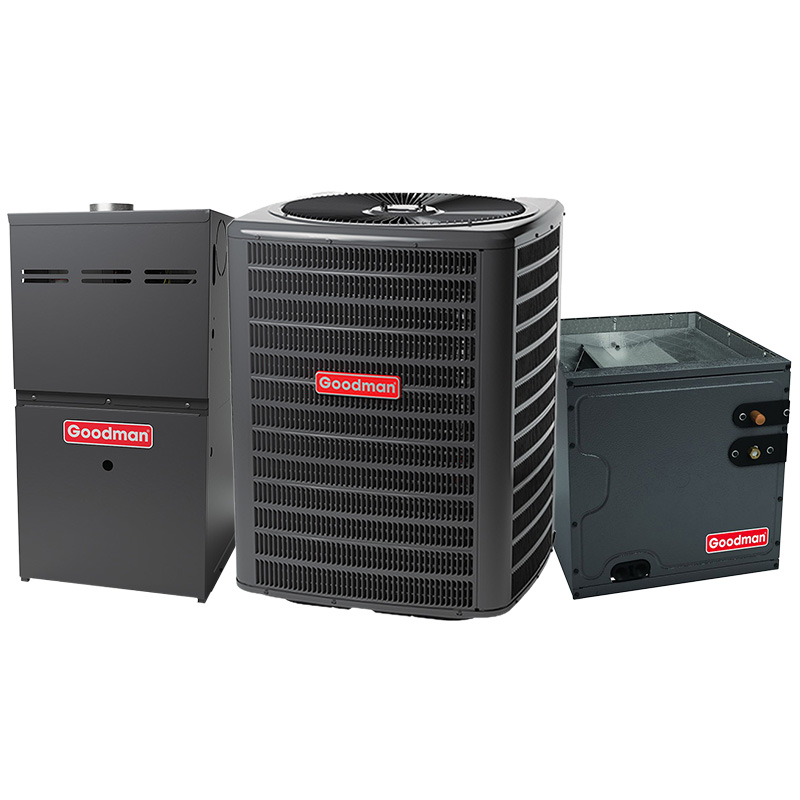
Goodman 4 Ton AC And 80000 BTU 80% AFUE Gas Furnace System | 14.5 SEER2 AC | Multi-Speed ECM Low NOx Furnace | Upflow | R32
View on AC Direct see your lowest price →Check current price on AC Direct →
Key features
- 4-ton, 14.5 SEER2 air conditioner with R-32 refrigerant
- 80,000 BTU gas furnace rated at 80% AFUE
- Multi-speed ECM blower motor for more consistent airflow and lower fan electricity use
- Low NOx burner meets California and regional air-quality regulations
- Upflow cabinet design matches standard overhead-duct residential layouts
- Bundled AC and furnace from a single manufacturer for matched component compatibility
About this system
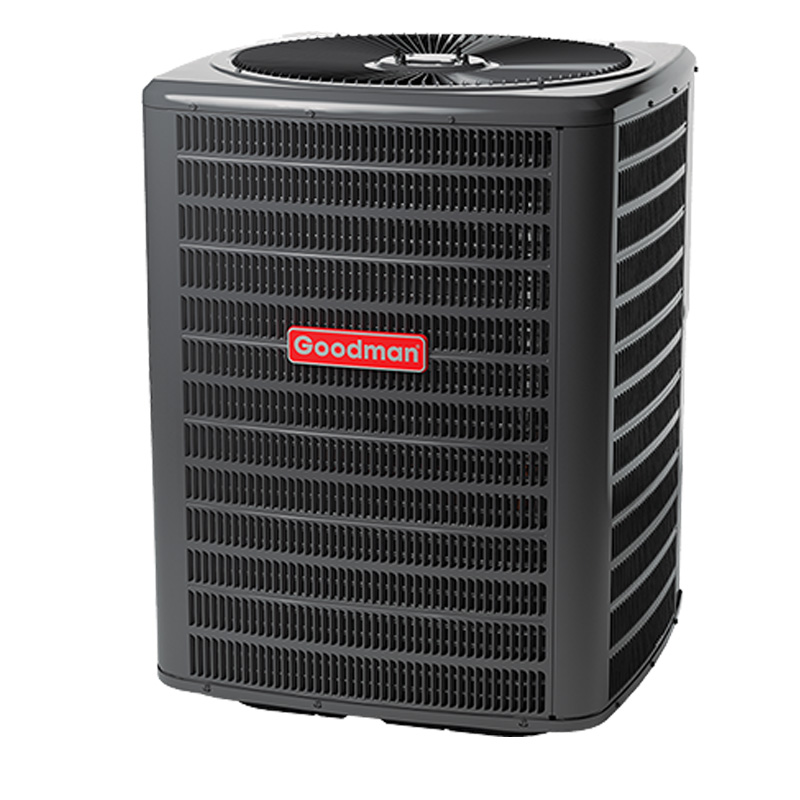
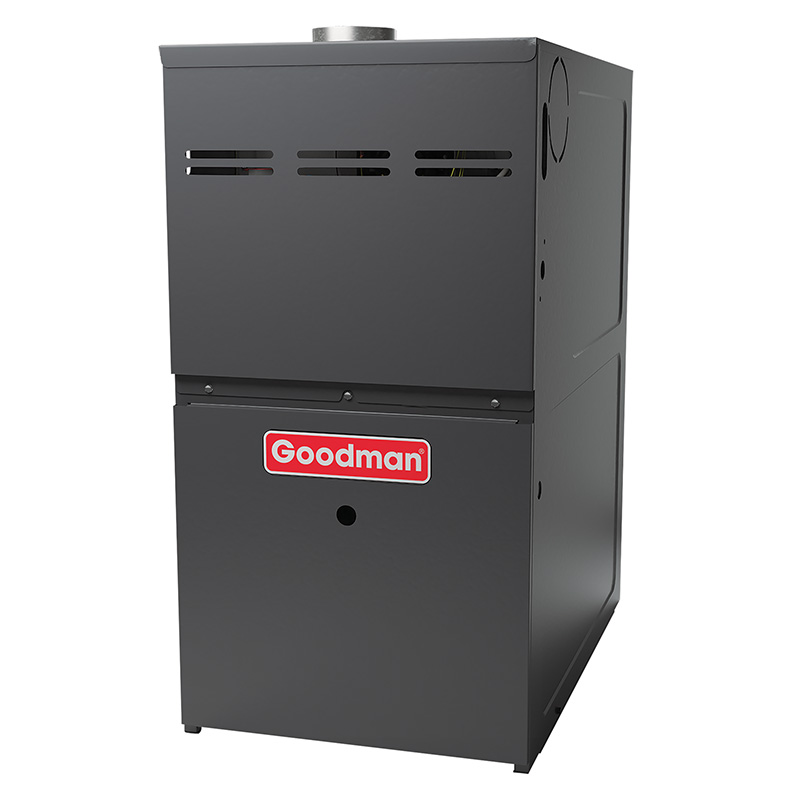
This Goodman bundle pairs a 4-ton, 14.5 SEER2 central air conditioner with an 80,000 BTU, 80% AFUE upflow gas furnace into a single-purchase cooling and heating solution. The 4-ton capacity suits homes in the roughly 1,800 to 2,400 square-foot range, though a proper Manual J load calculation should always confirm sizing before purchase. The AC unit uses R-32 refrigerant, which carries a lower global-warming potential than the R-410A it replaces, and the furnace runs a multi-speed ECM blower motor that adjusts airflow more precisely than a single-speed unit, trimming electricity use during heating cycles and improving comfort distribution.
The 80% AFUE rating means 80 cents of every dollar spent on gas converts to usable heat, with the remaining 20% lost through the flue. That figure meets federal minimum efficiency requirements in most U.S. climate zones but trails the 90% or higher ratings found on condensing furnaces. The Low NOx designation on the furnace satisfies stricter California and regional air-quality rules, so this system ships into markets where standard burners are restricted. Upflow configuration means heated and cooled air exits the top of the furnace cabinet, which matches the most common residential duct layout where supply trunks run overhead or through a central hallway chase. Buyers looking for a budget-conscious full system who already have upflow ductwork and a gas line in place will find this combination covers the essentials without premium-brand pricing.
This Goodman system delivers functional, code-compliant heating and cooling at a price point 15 to 25 percent below comparable Trane, Carrier, and Lennox equipment, making it a reasonable choice for cost-focused buyers who understand the trade-offs. The 14.5 SEER2 efficiency and 80% AFUE are baseline ratings rather than standout performers, and long-term ownership costs depend heavily on installation quality and a willingness to budget for component repairs after year seven. It is not the most durable or efficient option available, but it does what it promises at a lower upfront cost.
Overall score is the average of the five ratings above.
What we like
- Priced 15 to 25 percent below Trane, Carrier, and Lennox systems of similar capacity
- R-32 refrigerant has lower environmental impact than R-410A
- Multi-speed ECM motor improves airflow consistency and cuts fan electricity costs versus single-speed alternatives
- Low NOx burner qualifies for use in California and other strict air-quality jurisdictions
- Bundled system ensures the AC and furnace are matched, simplifying equipment selection
Trade-offs
- 80% AFUE is the federal minimum threshold in most regions, not an efficiency leader
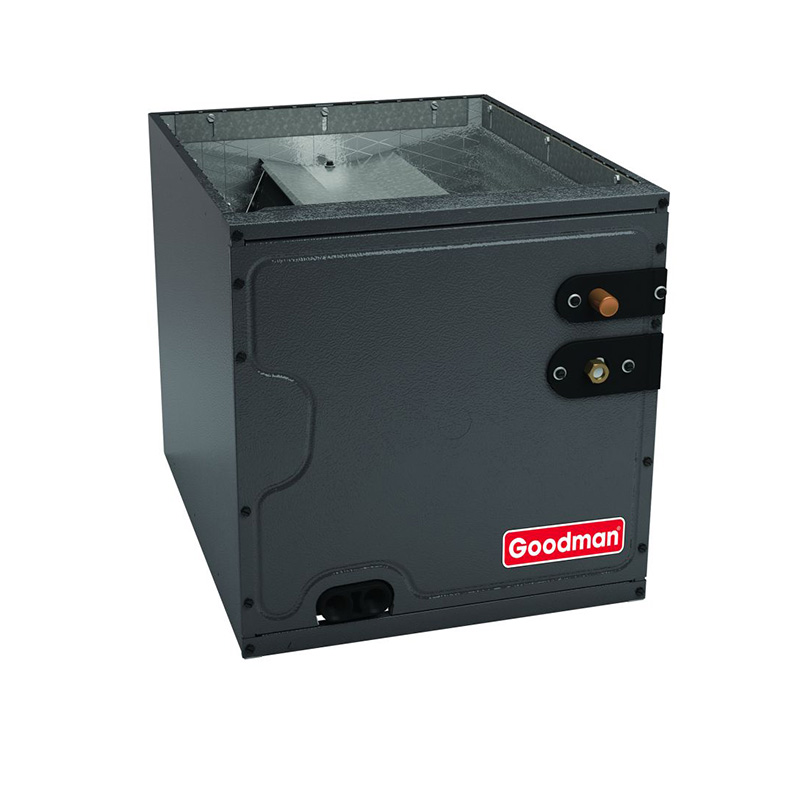
- Dual-run capacitors are the most commonly reported failure point, and a meaningful share of owners report evaporator coil leaks over time
- Compressor lifespan averages 10 to 14 years, shorter than the 15 to 20 years typical of premium-brand compressors
- ConsumerAffairs scores average around 2.5 out of 5, with owners frequently citing rising repair costs after roughly year seven
What homeowners and pros say about Goodman
Homeowners who have lived with Goodman equipment tend to split into two camps. Those whose systems were installed carefully by experienced technicians often report years of unremarkable, steady operation and consistently point to affordability as the main reason they chose the brand. Google dealer reviews across Goodman-selling locations average around 3.8 out of 5, and in those reviews the word most likely to appear alongside the brand name is “affordable.” The picture on ConsumerAffairs is noticeably less positive, averaging around 2.5 out of 5, though that platform draws a complaint-heavy audience. The recurring pattern in those complaints is repair costs that begin to feel burdensome somewhere around year seven, particularly when dual-run capacitors fail or, in a more costly scenario, evaporator coil leaks emerge.
HVAC technicians broadly agree that Goodman’s reputation lives or dies on the quality of the original installation. A properly sized, carefully commissioned Goodman system with good refrigerant charge and secure electrical connections will outperform a sloppily installed premium-brand unit. The documented weak points for this class of Goodman equipment are worth knowing going in: dual-run capacitors are the most commonly replaced component and are a relatively low-cost fix, but evaporator coil leaks and compressor wear become more realistic concerns as the system ages past a decade. Goodman compressors average 10 to 14 years in real-world use, compared to 15 to 20 years reported for premium-brand compressors, which is a meaningful long-term cost consideration for buyers planning to stay in their home well past the 10-year mark.
Sources: ConsumerAffairs Goodman owner reviews, AHRI Directory of Certified Product Performance, U.S. DOE appliance and equipment efficiency standards, Goodman product specification sheets.
What it costs to run
At 14.5 SEER2, cooling this 4-ton system for a typical 1200-hour cooling season at the U.S. average electricity rate of $0.17/kWh works out to roughly $675 per year in cooling, about $56 less per year than a minimum-efficiency 13.4 SEER2 unit of the same size. Your real cost depends on your climate and local rate.
Method: (48,000 BTU/hr ÷ 14.5 SEER2) × 1200 hours ÷ 1000 × $0.17/kWh. Rate source: U.S. EIA average; cooling hours: moderate-climate estimate.
How it compares
| Brand | Comparable model | SEER2 | Stage | Price position |
|---|---|---|---|---|
| Goodman | GSXH504810 + GMVC8 (this system) | 14.5 | Single-stage | Value pick |
| Carrier | Comfort 14 Series (24ACC4) | 14.5 | Single-stage | Typically 15 to 25 percent more than Goodman |
| Trane | XR14 Series | 14.5 | Single-stage | Typically 15 to 25 percent more than Goodman |
| Lennox | Merit ML14XC1 Series | 14.5 | Single-stage | Typically 15 to 25 percent more than Goodman |
Competitor rows are comparable single-stage units at similar efficiency; price is relative position, not a quote.
Questions about this system
Is 14.5 SEER2 enough efficiency for a hot southern climate, or should I step up?
14.5 SEER2 meets federal minimum standards and will cool the home adequately, but in regions with long cooling seasons the annual electricity cost difference between 14.5 and a 16 or 17 SEER2 unit can be meaningful over a 10-year horizon. If your cooling season runs six months or more, pricing out a higher-efficiency unit is worth the time before committing.
Why does this furnace have an 80% AFUE instead of 90% or higher?
An 80% AFUE non-condensing furnace costs less upfront and vents through a standard metal flue pipe, which matters when existing venting cannot accommodate the PVC pipe that 90%-plus condensing furnaces require. The trade-off is that 20% of combustion heat exits through the flue rather than heating the home, raising annual gas costs compared to a high-efficiency model.
What are the most common repairs I should budget for with a Goodman system like this?
The dual-run capacitor is the most frequently reported failure point and typically runs 300 to 600 dollars to diagnose and replace. Evaporator coil leaks appear in a notable share of owner reports as systems age, and compressor replacement becomes a realistic conversation somewhere between years 10 and 14. Setting aside a small annual maintenance reserve after year five is a sensible approach.
Does R-32 refrigerant change anything about installation or service costs?
R-32 requires technicians to use equipment rated for its slightly higher operating pressures and to observe its mildly flammable A2L classification during service. Most licensed HVAC contractors are now trained and equipped for R-32 work, but it is worth confirming with your installer before scheduling. Refrigerant costs for R-32 are currently competitive with R-410A.
Will this system work if I eventually want to add a smart thermostat or zoning?
The multi-speed ECM blower motor is compatible with most 24-volt communicating and non-communicating smart thermostats including popular models from Ecobee and Honeywell. Basic single-zone zoning damper systems are also compatible. Full multi-zone variable-airflow setups work best with variable-speed equipment, so if whole-home zoning is a near-term goal, reviewing that plan with your installer before purchase is advisable.
Specifications
| Cooling capacity | 4 Ton |
| Efficiency | 14.5 SEER2 |
| Furnace output | 80000 BTU |
| Furnace efficiency | 80% AFUE |
| Configuration | Upflow |
| Refrigerant | R-32 |