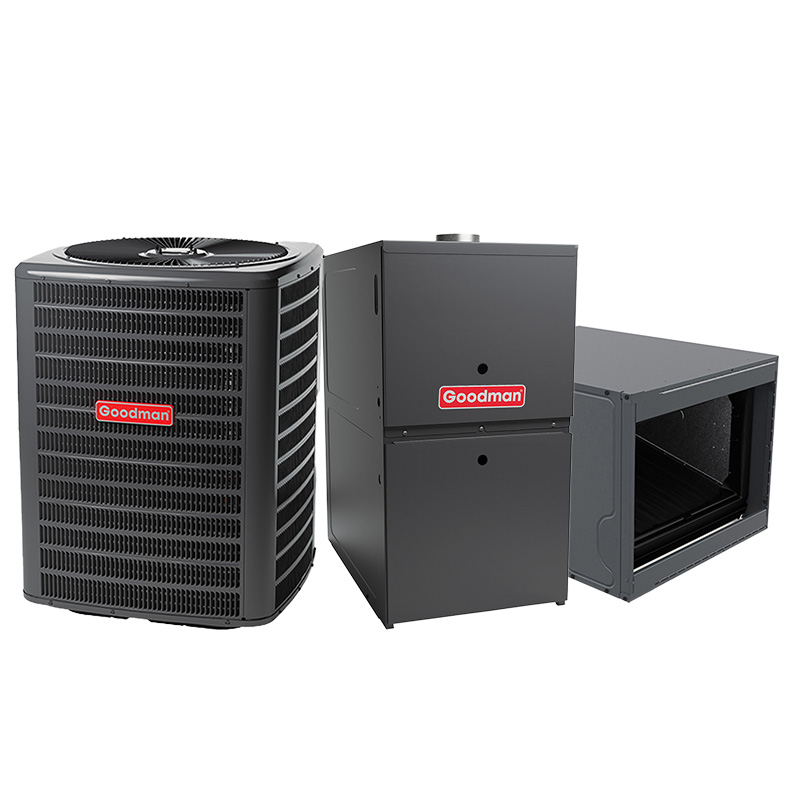
Goodman 4 Ton AC And 80000 BTU 80% AFUE Gas Furnace System | 17.2 SEER2 Two Stage AC | Variable Speed Two Stage Furnace | Horizontal | R32
View on AC Direct see your lowest price →Check current price on AC Direct →
Key features
- 17.2 SEER2 two-stage compressor for improved part-load efficiency and humidity control
- 80,000 BTU two-stage gas furnace rated at 80% AFUE with variable-speed ECM blower motor
- Horizontal configuration for attic, crawl-space, or side-discharge installations
- R-32 refrigerant with lower global-warming potential than R-410A; requires certified technician for service
- Two-stage cooling and heating operation reduces temperature swings and short-cycling
- Factory-matched system designed to meet AHRI-certified efficiency ratings when properly installed
About this system
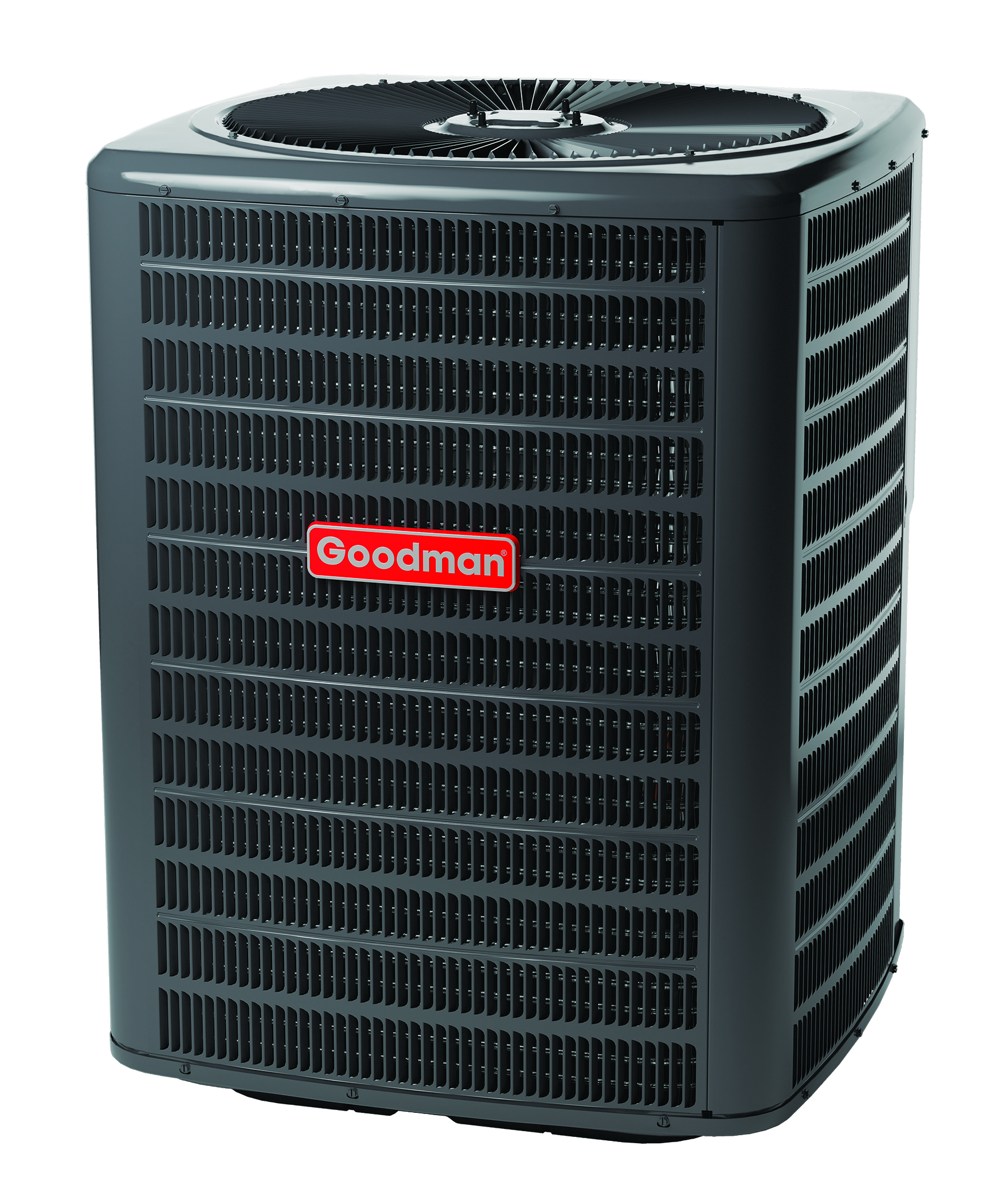
The Goodman 4-ton, 17.2 SEER2 two-stage air conditioner paired with an 80,000 BTU 80% AFUE variable-speed two-stage furnace is a mid-efficiency combination system built for homes that need horizontal installation, such as attic or crawl-space setups. The two-stage compressor runs at a lower capacity on mild days and ramps up only when outdoor temperatures demand full cooling output, which tends to improve comfort and humidity control compared with single-stage equipment. R-32 refrigerant replaces the older R-410A, carrying a lower global-warming potential and slightly better thermodynamic efficiency, though it requires technicians with R-32 certification for service.
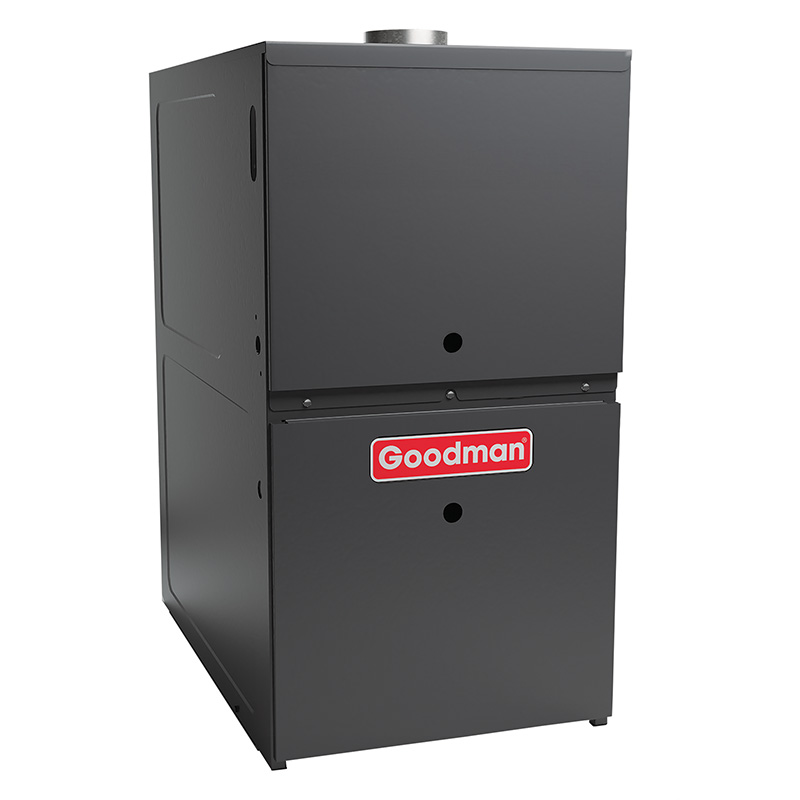
The variable-speed furnace blower works alongside the two-stage gas valve to circulate air more consistently and quietly than a single-speed motor would. At 80% AFUE, this furnace converts eight of every ten units of gas into usable heat, which is a standard efficiency tier, not a high-efficiency one, meaning there is no secondary heat exchanger and no need for a condensate drain on the furnace itself. That simplicity can make horizontal installs in tight attic spaces somewhat more straightforward. Homeowners in climates with moderate heating loads or in regions where gas prices are lower will find 80% AFUE an acceptable trade-off for a lower upfront cost compared with 96%+ modulating alternatives.
This system suits a 2,000 to 2,400 square foot home with average insulation, replacing aging R-22 or R-410A equipment on a budget. It is a practical choice when the priority is replacing a failing system without the capital outlay of a premium brand, provided the installation is performed by an experienced contractor familiar with horizontal configurations and R-32 handling.
This Goodman combination system delivers genuine two-stage comfort and a reasonable efficiency rating at a price point meaningfully below comparable Carrier, Trane, and Lennox packages. The trade-off is a brand history that shows elevated repair frequency after year seven and compressor longevity that trails premium competitors. It is a defensible buy when budget is the primary constraint and when a qualified contractor handles the installation.
Overall score is the average of the five ratings above.
What we like
- Two-stage AC and furnace operation provides noticeably more even temperatures and better dehumidification than single-stage alternatives
- 17.2 SEER2 rating clears the minimum efficiency threshold in most U.S. climate zones with room to reduce operating costs
- R-32 refrigerant is more environmentally responsible and slightly more efficient than the R-410A it replaces
- Variable-speed ECM blower motor operates quietly at lower speeds during most run cycles
- Priced roughly 15 to 25 percent below comparable two-stage systems from Carrier, Trane, and Lennox, leaving budget room for a service contract
Trade-offs
- 80% AFUE is a standard, not high, efficiency tier; homeowners in cold climates will pay more in gas costs than with a 95%+ furnace
- Dual-run capacitor failures and evaporator coil leaks are documented recurring issues in owner feedback, with repair costs rising noticeably after year seven
- Compressor lifespan averages 10 to 14 years versus 15 to 20 years on premium-brand compressors, so long-term cost of ownership narrows the upfront savings
- Horizontal configuration requires careful attention to condensate drainage and refrigerant line routing; install quality is the single largest variable in how long this system performs
What homeowners and pros say about Goodman
Homeowners who have installed Goodman systems describe a split experience that shows up clearly in the brand’s ratings. On Google dealer reviews, Goodman earns roughly 3.8 out of 5 stars, where the most consistent praise is the lower purchase price and the fact that the systems cool and heat reliably when installed correctly. On ConsumerAffairs, the score drops to around 2.5 out of 5, a channel that skews toward people who have had problems, and the recurring theme in those negative posts is repair costs climbing after roughly the seventh year of ownership. That gap between the two scores is informative: buyers who get a solid install and stay current on maintenance tend to be reasonably satisfied, while those who encounter component failures later in the system’s life feel the savings evaporated.
HVAC technicians tend to have a pragmatic view of Goodman. They note that dual-run capacitor failures are the most frequently seen service call on these systems, a repair that typically runs 300 to 600 dollars and is not complicated, but becomes a recurring expense if not caught early. Evaporator coil leaks also appear in a meaningful share of service histories, and compressor longevity in the field tends to land in the 10-to-14-year range rather than the 15-to-20 years that premium-brand compressors often achieve. For this specific horizontal, R-32 system, technicians also flag that finding a local company certified for R-32 service matters more than it did with R-410A equipment, so establishing that relationship before the system needs a refrigerant-related repair is practical advice worth taking seriously.
Sources: ConsumerAffairs Goodman owner reviews, AHRI Directory of Certified Product Performance, U.S. DOE appliance and equipment efficiency standards, Goodman product specification sheets.
What it costs to run
At 17.2 SEER2, cooling this 4-ton system for a typical 1200-hour cooling season at the U.S. average electricity rate of $0.17/kWh works out to roughly $569 per year in cooling, about $162 less per year than a minimum-efficiency 13.4 SEER2 unit of the same size. Your real cost depends on your climate and local rate.
Method: (48,000 BTU/hr ÷ 17.2 SEER2) × 1200 hours ÷ 1000 × $0.17/kWh. Rate source: U.S. EIA average; cooling hours: moderate-climate estimate.
How it compares
| Brand | Comparable model | SEER2 | Stage | Price position |
|---|---|---|---|---|
| Goodman | 4-Ton 17.2 SEER2 Two-Stage AC + 80K BTU 80% AFUE Variable-Speed Furnace (Horizontal, R-32) | 17.2 | Two-stage | Value pick |
| Carrier | Comfort 16 / 24ACC636 series paired with 59SC2 two-stage furnace | 16-17 | Two-stage | Typically 15 to 25 percent more than Goodman |
| Trane | XR17 series paired with S9V2 two-stage variable-speed furnace | 17 | Two-stage | Typically 15 to 25 percent more than Goodman |
| Lennox | Merit ML17XC2 series paired with ML180 two-stage furnace | 17 | Two-stage | Typically 15 to 25 percent more than Goodman |
Competitor rows are comparable single-stage units at similar efficiency; price is relative position, not a quote.
Questions about this system
Does R-32 refrigerant cost more to recharge than R-410A, and can any technician service it?
R-32 requires technicians who hold specific handling certification because it is a mildly flammable refrigerant, so not every local HVAC company will be equipped for it. Refrigerant costs can vary, but the bigger concern is finding a qualified service provider before you need one urgently. Confirming R-32 availability with your installer before purchase is worth the conversation.
What does horizontal configuration actually mean for my installation, and does it affect efficiency?
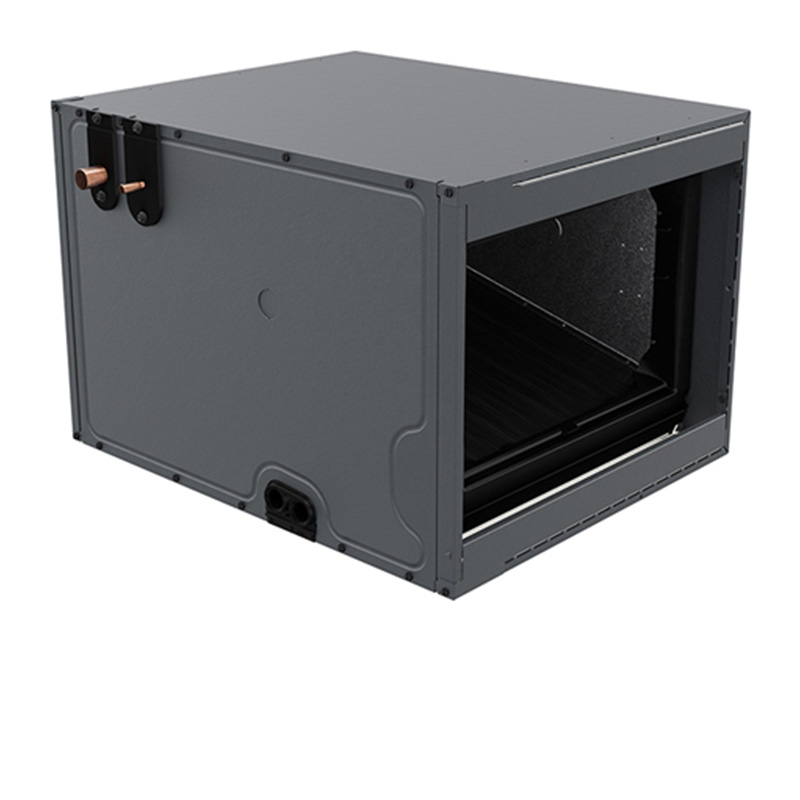
Horizontal configuration means the air handler section is installed on its side, which is common in attics, crawl spaces, and some closet arrangements. It does not reduce the rated SEER2 or AFUE, but it does require careful attention to condensate pan orientation, refrigerant line pitch, and airflow clearances. A technician unfamiliar with horizontal setups can introduce problems that reduce performance and longevity.
Is 80% AFUE good enough, or should I upgrade to a 96% furnace at the same time?
80% AFUE means 20 cents of every gas dollar goes up the flue as exhaust. In climates with mild winters or low gas prices, the payback period on upgrading to a 96% furnace can stretch beyond a decade. In colder regions or homes with high heating loads, a high-efficiency furnace pays back faster, and a 96%+ unit is worth pricing out before committing to the 80% option.
What are the most likely repairs I should budget for over the first 10 years?
Based on documented owner feedback for Goodman systems, dual-run capacitor replacement is the most common service call, typically costing between 300 and 600 dollars and straightforward to fix. Evaporator coil leaks show up in a meaningful share of owner reports and can be more expensive to address. Setting aside a modest annual maintenance budget and scheduling a yearly tune-up can catch capacitor wear and refrigerant charge issues before they become larger problems.
How does the two-stage compressor actually improve comfort compared with the single-stage AC I am replacing?
A single-stage compressor runs at full capacity until the thermostat is satisfied, then shuts off completely, which can cause temperature swings and short cycles that leave humidity higher than ideal. The two-stage compressor on this unit runs at a lower stage for the majority of operating hours, maintaining a steadier indoor temperature and running longer at reduced output, which pulls more moisture from the air before the system cycles off.
Specifications
| Cooling capacity | 4 Ton |
| Efficiency | 17.2 SEER2 |
| Furnace output | 80000 BTU |
| Furnace efficiency | 80% AFUE |
| Configuration | Horizontal |
| Refrigerant | R-32 |