Goodman 4 Ton 13.4 SEER2 Heat Pump Package Unit Horizontal
View on AC Direct see your lowest price →Check current price on AC Direct →
Key features
- 4-ton capacity suited for approximately 1,800 to 2,400 sq ft depending on load conditions
- 13.4 SEER2 efficiency rating meets current federal minimum for most U.S. regions
- Horizontal package configuration houses all components in one cabinet for rooftop or side-mount installs
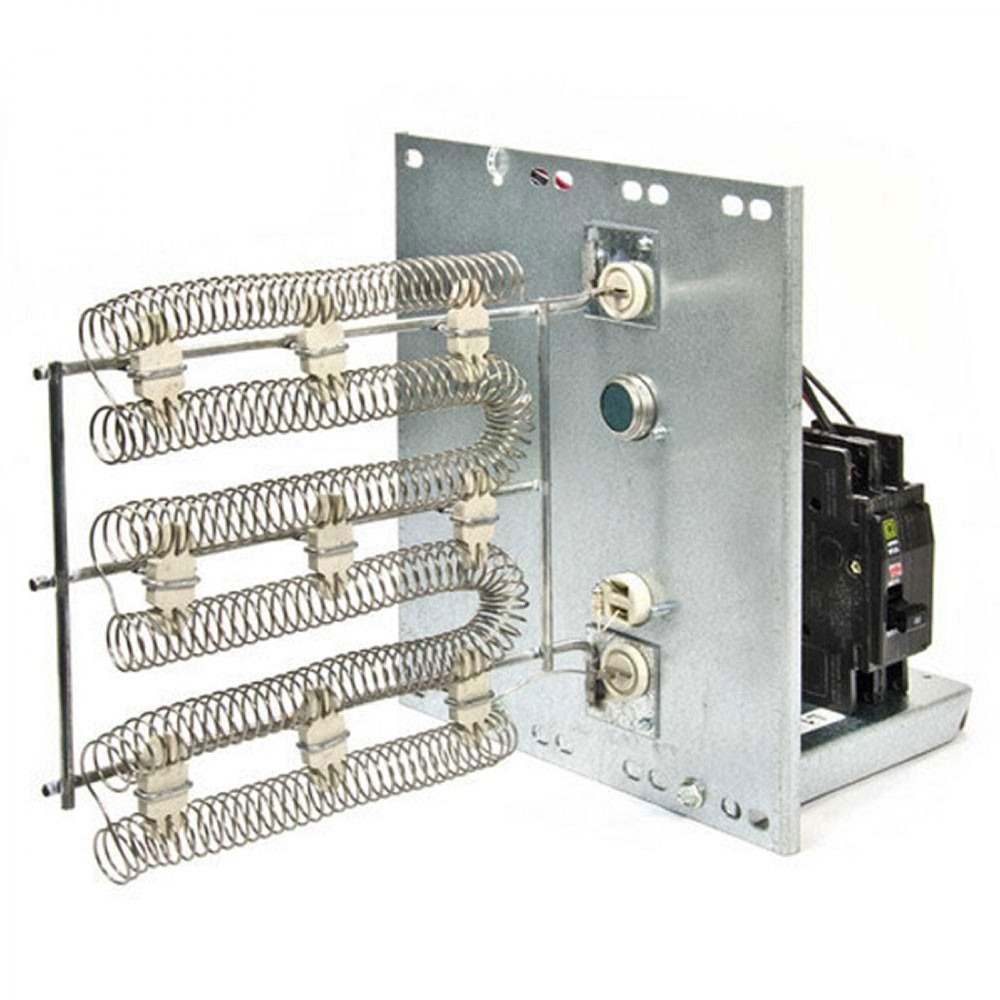
- Heat pump operation provides both cooling and electric heating from a single unit
- Single-stage compressor operation keeps upfront cost low with straightforward controls
- Goodman factory warranty covers parts; compressor warranty length depends on registration
About this system
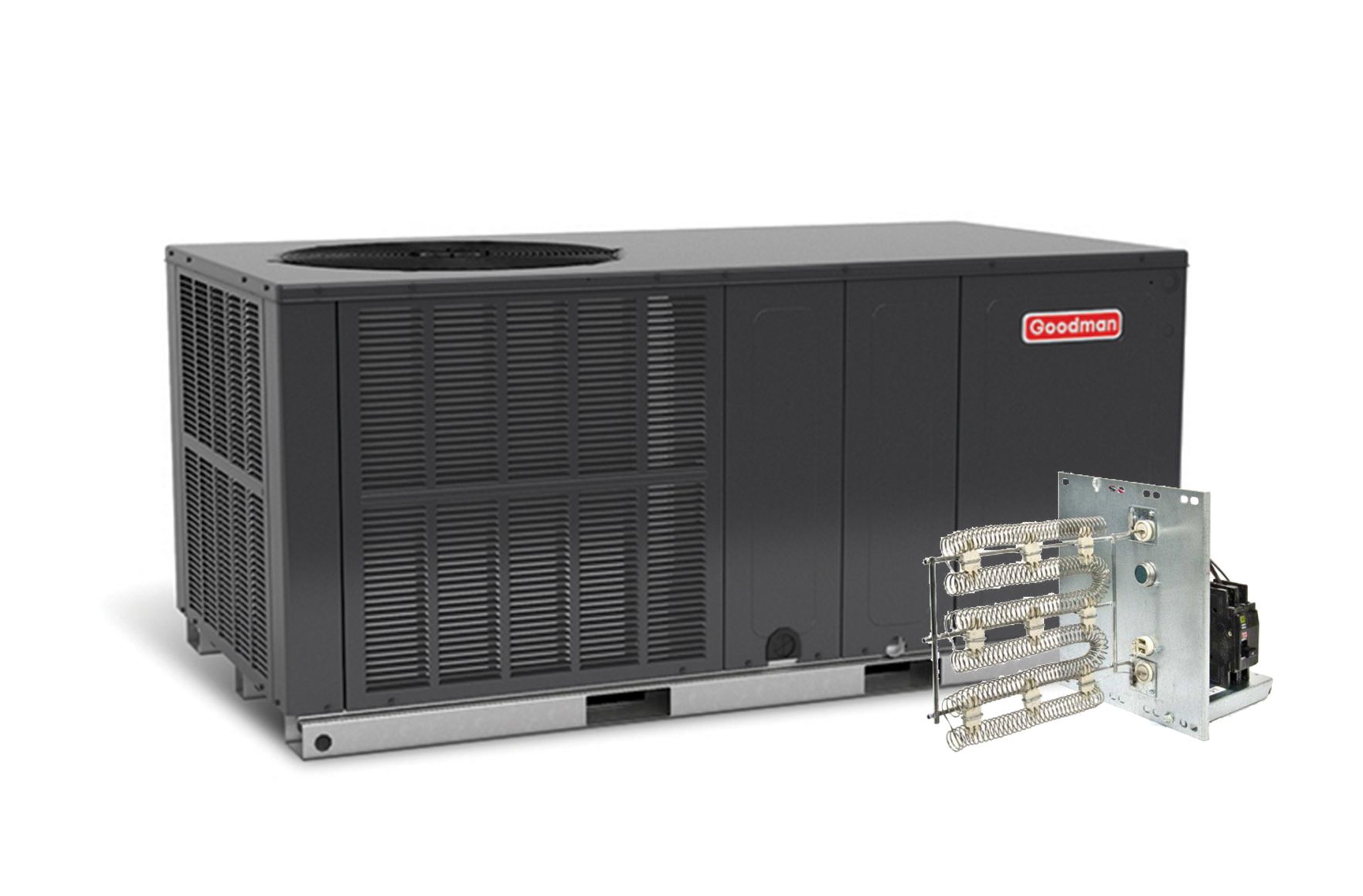
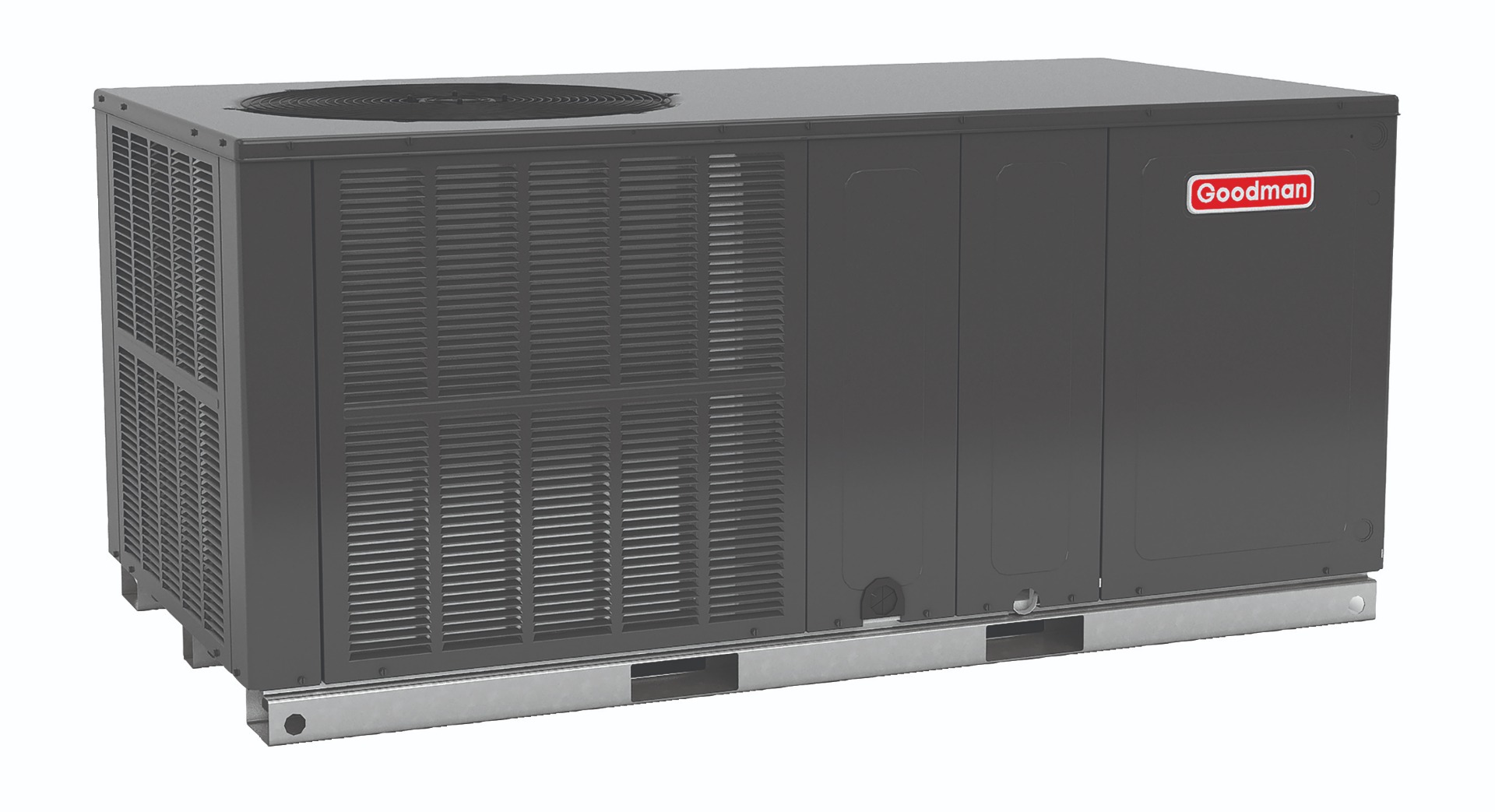
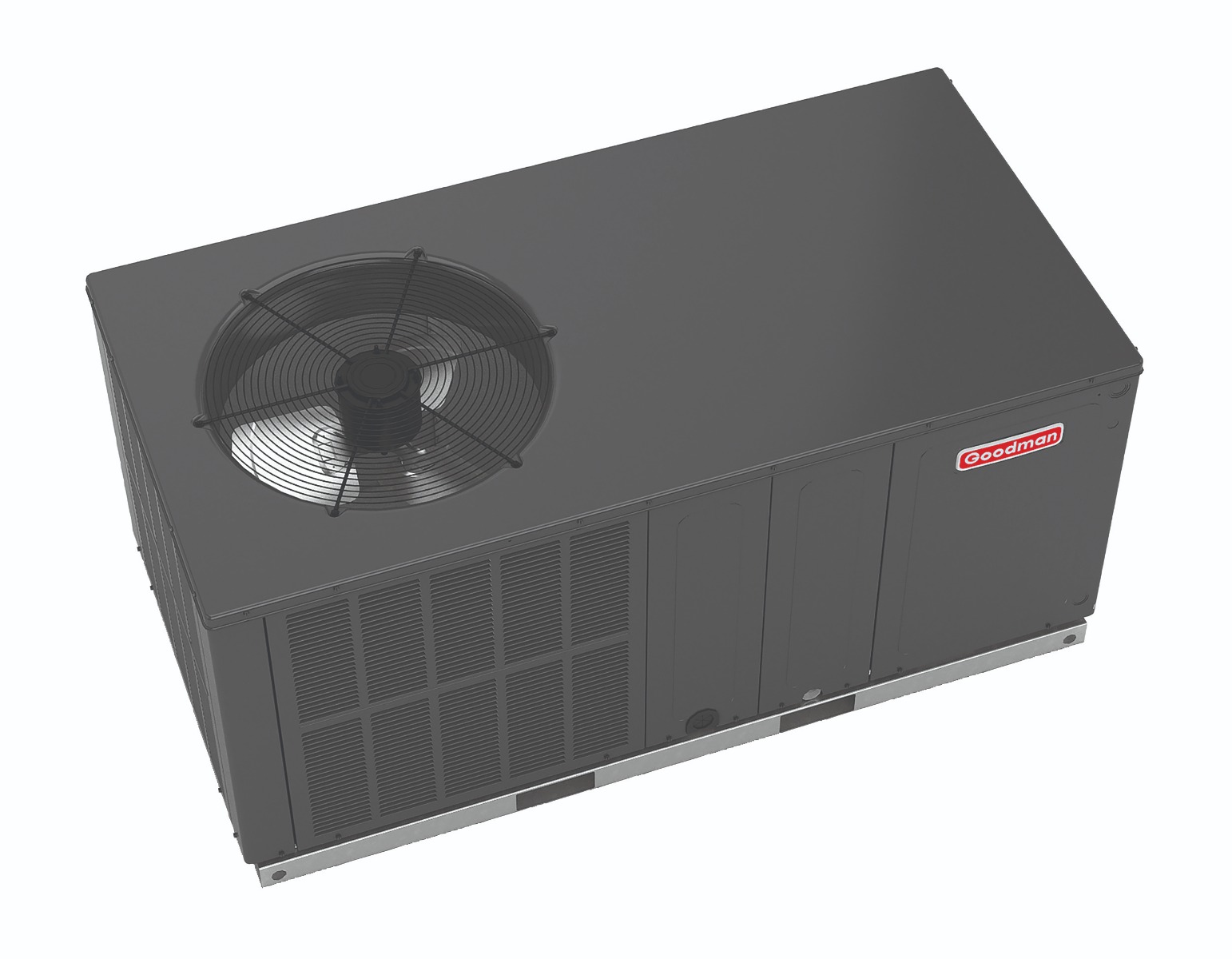
The Goodman 4-ton 13.4 SEER2 heat pump package unit in horizontal configuration is a self-contained system that houses the compressor, air handler, and coil in a single cabinet mounted horizontally, typically on a rooftop curb or a side-wall bracket. That all-in-one design is common in manufactured homes, mobile homes, light commercial spaces, and certain slab-built residences where no indoor air handler or separate furnace space exists. If your current system is a horizontal package unit and you need a straightforward replacement, this configuration matches the existing ductwork opening and mounting footprint, making the swap considerably more predictable than converting to a split system.
At 4 tons, this unit is sized for roughly 1,800 to 2,400 square feet of conditioned space, though actual sizing depends on local climate, insulation, window area, and ceiling height. A proper Manual J load calculation should always confirm sizing before purchase. The 13.4 SEER2 rating sits at the current federal minimum efficiency floor for heat pumps in most U.S. climate regions, meaning it meets code but does not exceed it. Buyers chasing the lowest upfront cost and who live in moderate climates will find the operating costs acceptable; those in very hot or very cold regions may want to weigh a higher-SEER2 unit against the long-term utility savings before committing.
This Goodman horizontal package unit is a practical, budget-conscious choice for homeowners replacing an existing horizontal package system who want to keep upfront costs down. It meets minimum efficiency standards without exceeding them, and long-term reliability depends heavily on proper installation and proactive maintenance of known wear components like dual-run capacitors. It is not the unit for buyers prioritizing best-in-class longevity or efficiency.
Overall score is the average of the five ratings above.
What we like
- Priced 15 to 25 percent below comparable Carrier, Trane, and Lennox package units
- Horizontal package design simplifies replacement of existing package unit installs with no ductwork reconfiguration
- All-in-one cabinet reduces the number of refrigerant line connections compared to a split system
- Dual-run capacitor failures, the most common reported issue, are a low-cost repair in the $300 to $600 range
- Wide installer familiarity across the country keeps labor and parts accessible
Trade-offs
- 13.4 SEER2 is the efficiency floor, not a standout performer; operating costs will be higher than mid- or high-efficiency alternatives over the system's life
- Compressor lifespan averages 10 to 14 years versus 15 to 20 years for premium-brand counterparts
- Evaporator coil leaks appear in a meaningful share of owner reports, a potential mid-life repair cost
- A minority of owners report refrigerant leaks within the first year, often traced to install or factory charge issues, underscoring how critical installer quality is
What homeowners and pros say about Goodman
Owners who picked up a Goodman horizontal package unit most often cite the upfront price as the deciding factor, an impression that aligns with Goodman’s positioning 15 to 25 percent below Trane, Lennox, and Carrier for similar equipment. Google dealer reviews land around 3.8 out of 5 across multiple locations, where affordability is the praise most consistently repeated. The counterpoint shows up in ConsumerAffairs data, where Goodman sits near 2.5 out of 5 on a channel that skews heavily toward complaints. The recurring theme there is repair costs that start climbing after roughly year 7, pointing to the documented failure modes: dual-run capacitors are the most commonly replaced component and remain a manageable low-cost fix, but evaporator coil leaks appear in a meaningful share of accounts and carry a steeper price tag. Compressor lifespan averaging 10 to 14 years, compared to 15 to 20 years for premium brands, is the longer-term concern that splits opinions between budget-minded buyers and those thinking in 15-plus-year horizons.
HVAC technicians who work on Goodman equipment regularly offer a consistent message: the brand performs adequately when installed correctly, and install quality is the single biggest variable in how long one of these units lasts. That note matters more for a package unit than for a split system, because the refrigerant charge and internal connections are factory-set, but the duct interface, mounting, and electrical terminations are entirely in the hands of the installer. The first-year refrigerant leak reports that appear in a minority of owner accounts are almost always traced back to installation or commissioning issues, not factory defects. If you choose this system, investing in a contractor who will pressure-test and verify the charge at startup, and scheduling annual maintenance to catch capacitor degradation early, does more to protect the investment than any feature on the spec sheet.
Sources: ConsumerAffairs Goodman owner reviews, AHRI Directory of Certified Product Performance, U.S. DOE appliance and equipment efficiency standards, Goodman product specification sheets.
What it costs to run
At 13.4 SEER2, cooling this 4-ton system for a typical 1200-hour cooling season at the U.S. average electricity rate of $0.17/kWh works out to roughly $731 per year in cooling, about $0 less per year than a minimum-efficiency 13.4 SEER2 unit of the same size. Your real cost depends on your climate and local rate.
Method: (48,000 BTU/hr ÷ 13.4 SEER2) × 1200 hours ÷ 1000 × $0.17/kWh. Rate source: U.S. EIA average; cooling hours: moderate-climate estimate.
How it compares
| Brand | Comparable model | SEER2 | Stage | Price position |
|---|---|---|---|---|
| Goodman | 4-Ton 13.4 SEER2 Horizontal Heat Pump Package Unit | 13.4 | Single-stage | Value pick |
| Carrier | WeatherMaster 50XC (entry-level package heat pump series) | ~14 | Single-stage | Typically 15 to 25 percent more than Goodman |
| Trane | Precedent (light commercial/residential package unit series) | ~14 | Single-stage | Typically 15 to 25 percent more than Goodman |
| Lennox | LRP14HP (residential heat pump package series) | ~14 | Single-stage | Typically 15 to 25 percent more than Goodman |
Competitor rows are comparable single-stage units at similar efficiency; price is relative position, not a quote.
Questions about this system
Can this horizontal package unit replace my existing rooftop or side-mount package system without modifying the ductwork?
In most cases, yes, provided the existing curb or mounting frame matches Goodman's specified footprint and the supply and return duct openings align. Always confirm the curb dimensions and duct collar size with your installer before ordering, since a mismatch means additional sheet metal work and added labor cost.
Is 13.4 SEER2 going to cost me noticeably more to run than a higher-efficiency unit?
Compared to a 16 or 17 SEER2 unit, the difference in annual electricity cost can be meaningful over a full cooling season, particularly in hot climates where the system runs many hours. The lower purchase price of the 13.4 SEER2 unit may or may not offset that gap over a 10-to-14-year lifespan, so it is worth running a rough annual cost comparison based on your local utility rate and expected run hours.
What is the most common repair I should budget for over the life of this unit?
Dual-run capacitor failure is the most frequently reported issue in Goodman equipment and typically runs $300 to $600 for a service call and replacement. Keeping a service agreement that includes annual tune-ups can catch a weakening capacitor before it fails and takes out the compressor.
Does Goodman's warranty require professional registration, and what does it actually cover?
Yes, Goodman's longer parts warranty is contingent on registering the unit within a set window after installation, typically by a licensed HVAC contractor. Without registration, the coverage period is shorter. Read the warranty certificate specific to this model carefully, since coverage periods for the compressor, coil, and other parts differ, and labor is not included in any Goodman factory warranty.
My installer mentioned a refrigerant leak risk in the first year. Is that a known issue with Goodman?
A minority of Goodman owners do report refrigerant leaks within the first year, and the root cause is most often an improper charge or a connection issue during installation rather than a defective unit. Verifying that your installer pressure-tests the system and checks the charge to manufacturer specifications at startup is the most effective way to avoid that outcome.
Specifications
| Cooling capacity | 4 Ton |
| Efficiency | 13.4 SEER2 |
| Configuration | Horizontal |