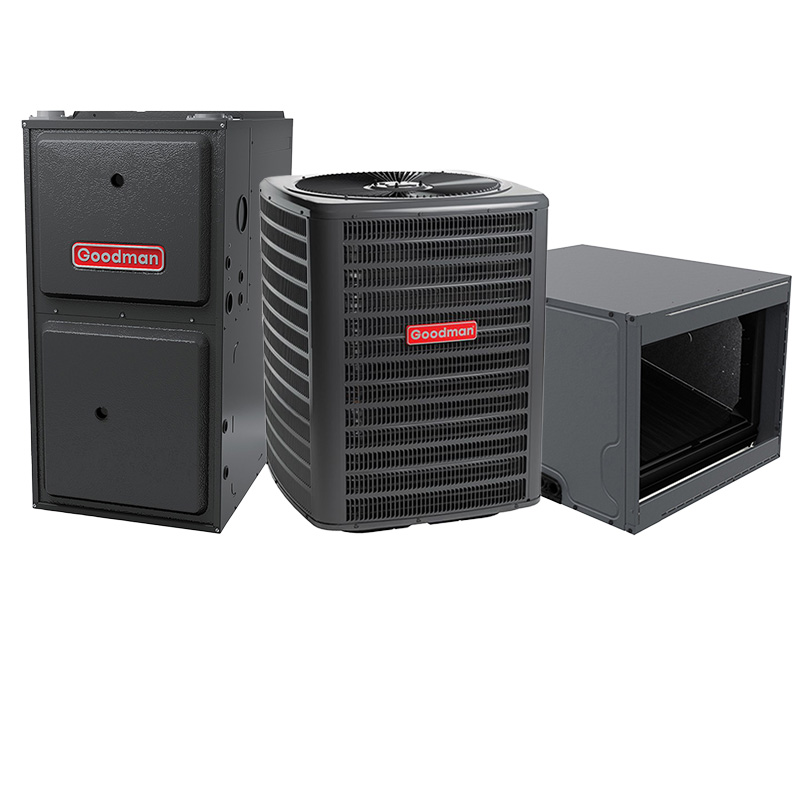
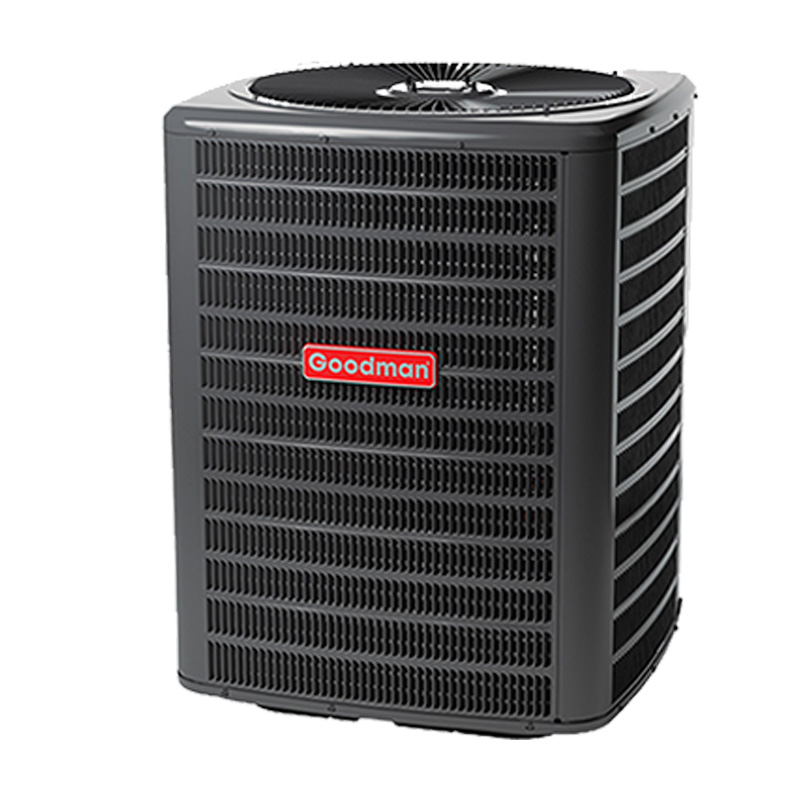
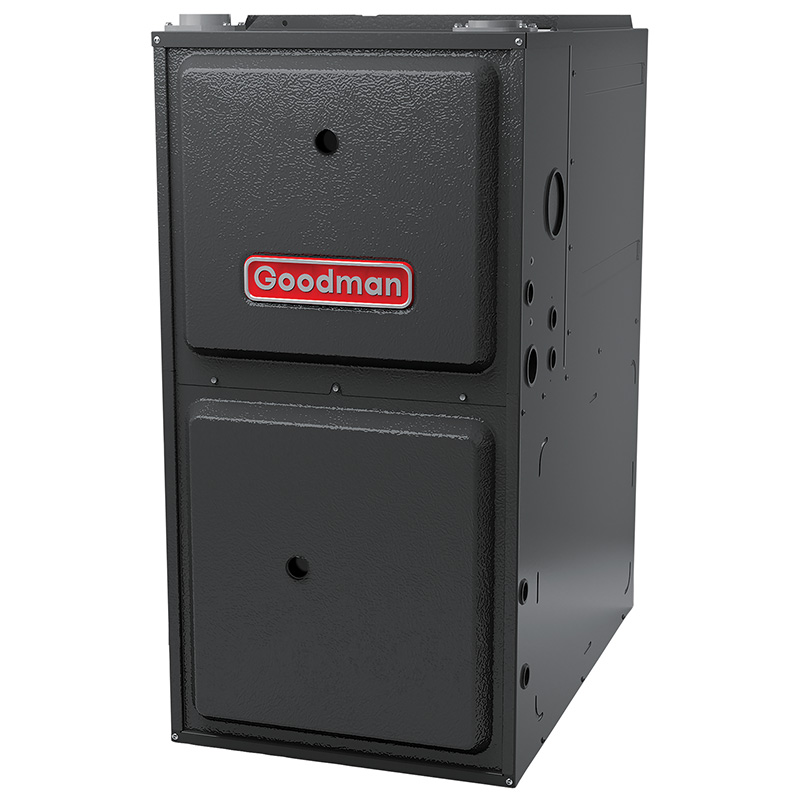
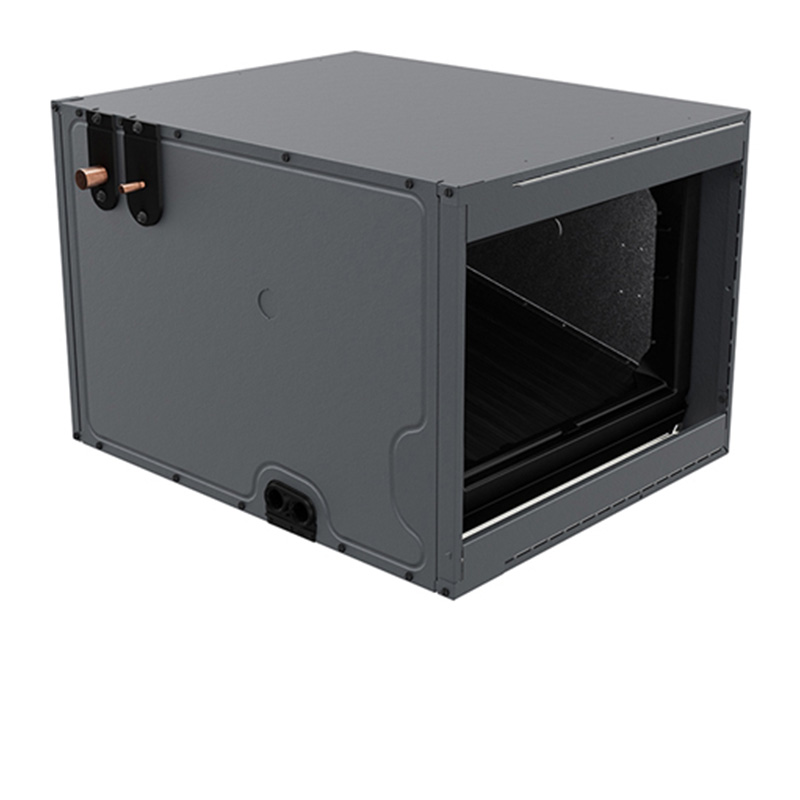
Goodman 5 Ton 13.4 SEER2 120000 BTU 96% AFUE Two Stage Multi-Speed ECM Gas Furnace System – Horizontal | R32
View on AC Direct see your lowest price →Check current price on AC Direct →
Key features
- 5-ton cooling capacity with 13.4 SEER2 efficiency rating
- 120,000 BTU two-stage gas furnace at 96% AFUE
- Horizontal configuration for attic, crawlspace, or side-discharge installs
- Multi-speed ECM blower motor reduces electricity use and improves airflow control
- R-32 refrigerant with lower global warming potential than R-410A
- Two-stage operation reduces short-cycling and improves temperature consistency
About this system
The Goodman 5-ton, 13.4 SEER2, 96% AFUE horizontal gas furnace system is built for large homes in the 2,500 to 3,500 square-foot range that need serious heating muscle alongside capable air conditioning. The horizontal configuration makes it the right choice when equipment sits in a crawlspace, attic, or tight mechanical room where vertical installation simply is not an option. At 120,000 BTU, the furnace side handles even the coldest climates, and the 96% AFUE rating means only four cents of every gas dollar escapes as waste heat, which translates to real annual savings compared to an 80% system.
The two-stage furnace and multi-speed ECM blower motor are the specs worth paying attention to here. Two-stage operation means the system runs at a lower firing rate most of the time, cycling less frequently, distributing heat more evenly, and reducing the short-cycling noise that plagues single-stage units. The ECM motor ramps airflow up and down rather than just switching on at full blast, which cuts blower electricity consumption significantly and improves humidity control during cooling season. R-32 refrigerant is the other modern detail: it carries a lower global warming potential than the R-410A it replaces and is now the industry direction for new residential equipment.
This system suits buyers who want solid efficiency without stretching to premium-brand pricing, have a knowledgeable installer lined up, and are comfortable with the understanding that long-term reliability will depend heavily on installation quality and routine maintenance. It is not the right fit if you want the longest possible compressor lifespan or the most comprehensive factory support network without relying on a third-party dealer.
This Goodman system delivers genuine mid-tier efficiency at a price that undercuts comparable Trane, Carrier, and Lennox configurations by a meaningful margin, making it a practical choice for budget-conscious buyers in large homes. The two-stage furnace and ECM blower are real performance upgrades over entry-level single-stage equipment. The trade-off is a brand track record that shows more variability after year seven and documented weak points in capacitors and evaporator coils that a buyer should budget for.
Overall score is the average of the five ratings above.
What we like
- Priced 15 to 25 percent below comparable premium-brand systems, reducing upfront cost significantly
- 96% AFUE furnace delivers high fuel efficiency and lower monthly gas bills versus 80% alternatives
- Two-stage furnace operation improves comfort and reduces noisy on-off cycling
- ECM blower motor cuts fan electricity consumption and aids dehumidification during cooling
- R-32 refrigerant aligns with current industry standards and regulatory direction
Trade-offs
- Compressor lifespan averages 10 to 14 years versus 15 to 20 years for premium brands, a real long-run cost consideration
- Evaporator coil leaks appear in a meaningful share of owner reviews and can be expensive outside warranty
- Dual-run capacitor failures are the most commonly reported issue, typically surfacing within the first several years of ownership
- A minority of owners report refrigerant leaks within the first year, usually traced to install quality rather than the equipment itself
What homeowners and pros say about Goodman
Homeowners who have lived with Goodman equipment tend to land in one of two camps, and the dividing line is usually install quality and how quickly problems were addressed. On ConsumerAffairs, Goodman scores around 2.5 out of 5, a channel that skews toward complaints, where the recurring frustration is repair costs that start climbing after roughly year seven. Capacitor failures come up most often and are the cheaper end of the spectrum at 300 to 600 dollars a visit, but evaporator coil leaks and refrigerant issues also appear with enough frequency to be worth noting before purchase. A minority of owners specifically report refrigerant leaks in the first year, and most accounts point back to installation or initial charge quality rather than the equipment leaving the factory defective.
HVAC technicians and dealers tend to be more measured in their assessments. Google dealer reviews for Goodman-selling contractors average around 3.8 out of 5, and affordability is by far the most cited reason customers chose the brand. Pros consistently note that Goodman equipment performs reasonably well when installed correctly and maintained on schedule, but that the compressor longevity gap is real: expect 10 to 14 years on average versus 15 to 20 years from Carrier, Trane, or Lennox compressors. For this specific five-ton, two-stage, horizontal system, the consensus from experienced installers is straightforward: the two-stage and ECM features add genuine comfort value, the price advantage is real, and the buyer who goes in with clear eyes about the brand’s weak points and budgets accordingly will likely be satisfied.
Sources: ConsumerAffairs Goodman owner reviews, AHRI Directory of Certified Product Performance, U.S. DOE appliance and equipment efficiency standards, Goodman product specification sheets.
What it costs to run
At 13.4 SEER2, cooling this 5-ton system for a typical 1200-hour cooling season at the U.S. average electricity rate of $0.17/kWh works out to roughly $913 per year in cooling, about $0 less per year than a minimum-efficiency 13.4 SEER2 unit of the same size. Your real cost depends on your climate and local rate.
Method: (60,000 BTU/hr ÷ 13.4 SEER2) × 1200 hours ÷ 1000 × $0.17/kWh. Rate source: U.S. EIA average; cooling hours: moderate-climate estimate.
How it compares
| Brand | Comparable model | SEER2 | Stage | Price position |
|---|---|---|---|---|
| Goodman | 5-Ton 13.4 SEER2 96% AFUE Two-Stage Horizontal R-32 System | 13.4 | Two-stage | Value pick |
| Carrier | Comfort 14 Series (24ACC6 condenser with 59TP6 furnace) | ~14 | Single-stage | Typically 15 to 25 percent more than this Goodman system |
| Trane | XR14 Series (4TTR4 condenser with S9X2 furnace) | ~14 | Single-stage | Typically 15 to 25 percent more than this Goodman system |
| Lennox | Merit Series (13ACX condenser with ML196 furnace) | ~13.4 | Single-stage | Typically 15 to 25 percent more than this Goodman system |
Competitor rows are comparable single-stage units at similar efficiency; price is relative position, not a quote.
Questions about this system
Why does this system use R-32 refrigerant and does that affect servicing costs?
R-32 is replacing R-410A across the industry because of its lower global warming potential and slightly better thermodynamic properties. It does require technicians who are certified to handle A2L mildly flammable refrigerants, so confirm your service contractor is current before scheduling maintenance or repairs. Availability is growing rapidly and is not expected to be a cost issue for most service calls.
Is a horizontal installation more complicated than a standard upflow setup?
Yes, horizontal installs require careful attention to condensate drainage, proper support of the air handler, and correct refrigerant line routing to avoid trapping issues. These details make choosing a contractor experienced with horizontal configurations especially important, since Goodman's reliability is more sensitive to install quality than premium brands tend to be.
What does two-stage actually mean in day-to-day use?
The furnace fires at a lower capacity level most of the time and only steps up to full 120,000 BTU output on the coldest days. In practice this means longer, quieter heating cycles, more even room temperatures, and less dramatic temperature swings compared to a single-stage system that is either fully on or fully off.
What are the most likely repair bills I should budget for on a Goodman system?
Dual-run capacitor replacement is the most commonly documented failure on Goodman equipment and typically runs 300 to 600 dollars including labor. Evaporator coil leaks have shown up in a meaningful share of owner reviews and can run considerably more, particularly after the parts warranty expires. Setting aside a small annual maintenance budget and keeping up with filter and coil cleaning is the best way to extend service intervals.
How does Goodman's warranty compare to Carrier or Trane on a system like this?
Goodman typically offers a 10-year parts warranty when you register the product within the required window after installation, which is competitive on paper. However, the warranty covers parts only, not labor, and the brand's track record of higher repair frequency after year seven means labor costs can still add up even while parts are covered. Carrier and Trane warranties are structured similarly but are backed by brands with documented longer average compressor lifespans.
Specifications
| Cooling capacity | 5 Ton |
| Efficiency | 13.4 SEER2 |
| Furnace output | 120000 BTU |
| Furnace efficiency | 96% AFUE |
| Configuration | Horizontal |
| Refrigerant | R-32 |