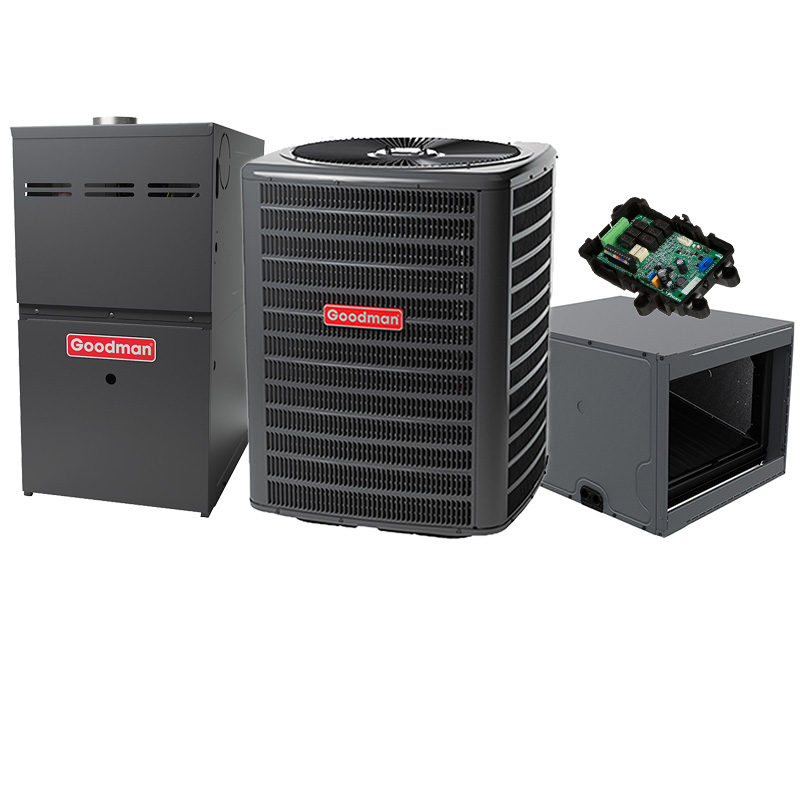
Goodman 5 Ton 13.4 SEER2 80000 BTU 80% Two-Stage Gas Furnace With R32 Air Conditioner Condenser And Coil System – Horizontal
View on AC Direct see your lowest price →Check current price on AC Direct →
Key features
- 5-ton cooling capacity with 13.4 SEER2 efficiency rating
- 80,000 BTU two-stage gas furnace at 80% AFUE
- Horizontal configuration for attic or crawlspace installations
- R-32 refrigerant with lower global warming potential than R-410A
- Two-stage heating for more even temperature distribution and quieter cycling
- Matched condenser, coil, and furnace sold as a verified system for ARI rating purposes
About this system
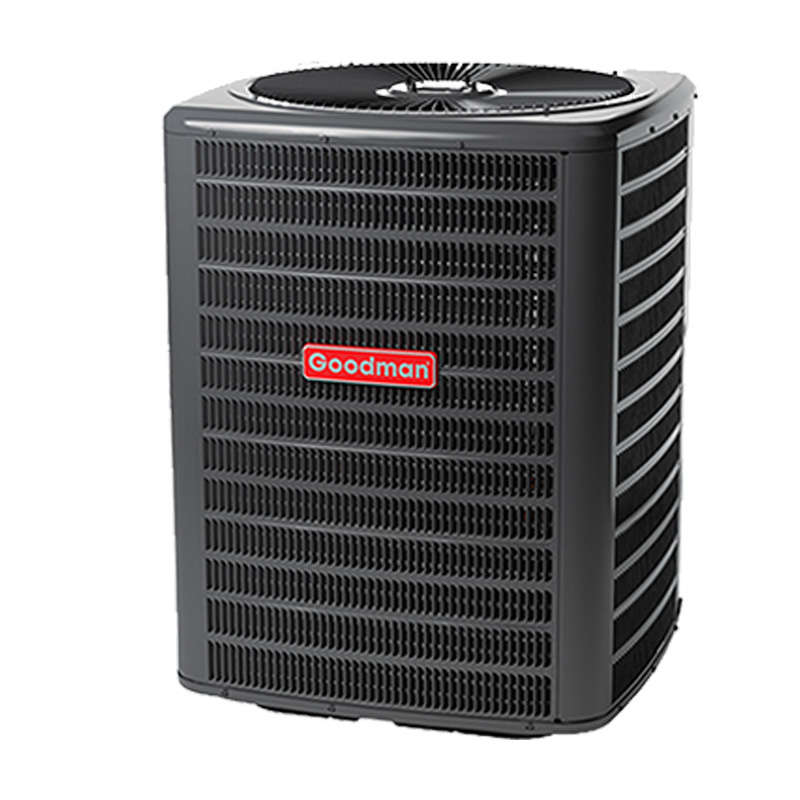
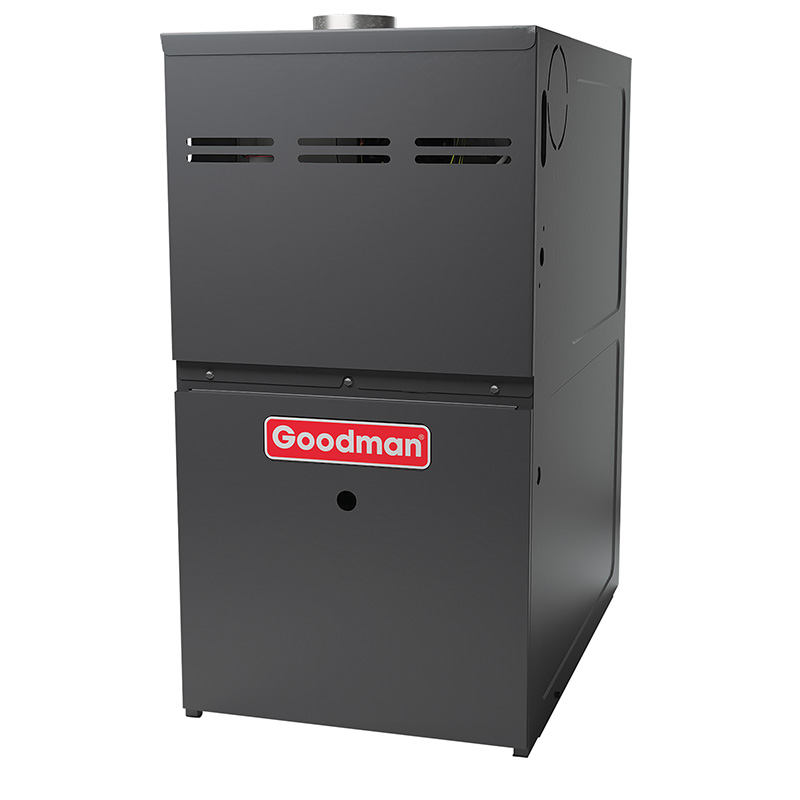
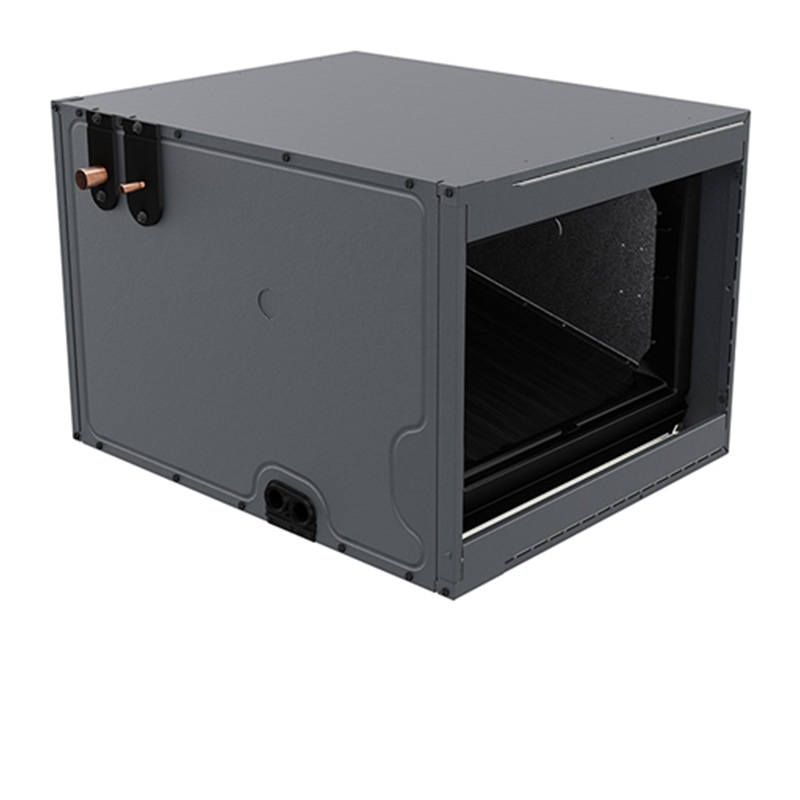
This Goodman system pairs a 5-ton, 13.4 SEER2 R-32 air conditioner condenser and matched coil with an 80,000 BTU, 80% AFUE two-stage gas furnace in a horizontal configuration. The horizontal orientation makes it the right call for attic or crawlspace installs where vertical clearance is limited. At 5 tons, this is sized for larger homes, typically in the 2,200 to 3,000 square foot range depending on local climate, insulation quality, and window loads, so a Manual J load calculation before purchase is not optional.
The two-stage furnace is a genuine comfort upgrade over single-stage equipment. Running on its lower stage the majority of the time, it cycles less aggressively, holds steadier temperatures, and tends to run longer, quieter cycles that distribute heat more evenly. The R-32 refrigerant charge reflects the industry shift away from R-410A: R-32 has a lower global warming potential and is increasingly standard on new residential equipment. At 13.4 SEER2, efficiency sits at the federal minimum threshold for most U.S. regions, so operating costs will be higher than mid-tier or high-efficiency alternatives, but the lower upfront price can offset that gap depending on how many cooling hours your climate actually logs each year.
This system suits homeowners replacing aging equipment in a budget-conscious renovation, landlords managing a larger rental property, or buyers in moderate cooling climates where the efficiency gap between 13.4 SEER2 and 16+ SEER2 equipment translates to modest annual dollar differences. It is less suited to households in the deep South or Southwest where the air conditioner runs heavily for eight or more months and higher-efficiency equipment pays back more quickly.
This Goodman horizontal system delivers a functional, code-compliant heating and cooling solution at a price point that undercuts comparable Carrier, Trane, and Lennox equipment by roughly 15 to 25 percent. The two-stage furnace is a real comfort advantage over single-stage alternatives at this price, and the R-32 refrigerant keeps the system current with evolving standards. The trade-off is a brand with a documented history of component failures around or after year 7 and compressor longevity that trails premium competitors, meaning total cost of ownership depends heavily on how much you factor in future repair probability.
Overall score is the average of the five ratings above.
What we like
- Two-stage furnace provides steadier temperatures and quieter operation versus single-stage equipment
- Priced 15 to 25 percent below comparable Trane, Carrier, and Lennox systems
- R-32 refrigerant is current technology with lower environmental impact than R-410A
- Horizontal configuration addresses attic and crawlspace installs where vertical units will not fit
- Matched system sells with ARI-certified performance ratings, not estimated figures
Trade-offs
- 13.4 SEER2 sits at the federal minimum efficiency threshold, so operating costs run higher than mid- or high-efficiency alternatives
- Compressor lifespan averages 10 to 14 years versus 15 to 20 years for premium brands, a meaningful gap over the life of a home
- Dual-run capacitor failures and evaporator coil leaks are documented recurring issues in owner feedback
- A minority of owners report refrigerant leaks within the first year, a risk amplified by installer inexperience with R-32
What homeowners and pros say about Goodman
Homeowners who land on Goodman in research forums tend to split into two camps: those who got a solid install and have had years of trouble-free service, and those who hit repair bills after year 7 and feel the savings evaporated. That pattern tracks with the brand’s ConsumerAffairs score of roughly 2.5 out of 5, a channel that skews toward complaints, where the recurring theme is repair costs climbing in the back half of the equipment’s life. Google dealer reviews paint a more balanced picture, averaging around 3.8 out of 5, where affordability is the praise you see most often and negative feedback usually centers on a specific repair experience rather than the brand as a whole.
HVAC technicians tend to view Goodman as workable equipment that rewards a careful install. The dual-run capacitor is the failure they see most often, and most describe it as a quick, low-cost fix rather than a system-ending event. The concerns they voice more seriously are evaporator coil leaks, which generate more expensive repair calls, and compressor longevity that averages 10 to 14 years versus the 15 to 20 years a technician might expect from a Trane or Carrier compressor. For this specific horizontal system, technicians also flag that horizontal furnace installs require attention to condensate pitch and support, and that R-32 charging is not identical to R-410A work, so installer familiarity with both factors matters more than it would on a straightforward vertical replacement.
Sources: ConsumerAffairs Goodman owner reviews, AHRI Directory of Certified Product Performance, U.S. DOE appliance and equipment efficiency standards, Goodman product specification sheets.
What it costs to run
At 13.4 SEER2, cooling this 5-ton system for a typical 1200-hour cooling season at the U.S. average electricity rate of $0.17/kWh works out to roughly $913 per year in cooling, about $0 less per year than a minimum-efficiency 13.4 SEER2 unit of the same size. Your real cost depends on your climate and local rate.
Method: (60,000 BTU/hr ÷ 13.4 SEER2) × 1200 hours ÷ 1000 × $0.17/kWh. Rate source: U.S. EIA average; cooling hours: moderate-climate estimate.
How it compares
| Brand | Comparable model | SEER2 | Stage | Price position |
|---|---|---|---|---|
| Goodman | 5 Ton 13.4 SEER2 80K BTU 80% Two-Stage Horizontal System | 13.4 | Two-stage | Value pick |
| Carrier | Performance 13 (24ACC3) with 58SB0 furnace | 13.4 | Single-stage | Typically 15 to 25 percent more than this Goodman system |
| Trane | XR13c condenser with S8X1 furnace | 13.4 | Single-stage | Typically 15 to 25 percent more than this Goodman system |
| Lennox | Merit 13ACX condenser with ML180 furnace | 13.4 | Single-stage | Typically 15 to 25 percent more than this Goodman system |
Competitor rows are comparable single-stage units at similar efficiency; price is relative position, not a quote.
Questions about this system
Why does this system use R-32 refrigerant, and does that affect who can service it?
R-32 is a next-generation refrigerant with a lower global warming potential than R-410A, and it is increasingly standard on new residential equipment as the industry phases out R-410A. Servicing R-32 systems requires EPA 608 certification, which any licensed HVAC technician should hold, but you should confirm your installer has specific R-32 experience since handling and charging procedures differ slightly from R-410A.
Is 13.4 SEER2 going to cost me significantly more to run than a higher-efficiency unit?
At 13.4 SEER2 you are at the federal minimum efficiency threshold, so a 16 or 18 SEER2 system will use less electricity per cooling hour. In moderate climates with shorter cooling seasons the annual dollar difference may be small enough that the lower purchase price wins out, but in hot climates with long cooling seasons the efficiency gap compounds over time and can erode the upfront savings within 5 to 8 years.
What is the warranty on this Goodman system, and what does it actually cover?
Goodman typically offers a 10-year parts warranty when the unit is registered within a set window after installation, and a limited lifetime heat exchanger warranty on the furnace. Labor is not covered, which matters because labor often exceeds parts cost on repairs. Confirm registration requirements and exclusions in the actual warranty document before purchase.
The horizontal configuration concerns me. Is installation more complicated than a standard upright system?
Horizontal furnace installations require proper pitch for condensate drainage, secure support to prevent vibration-related stress over time, and correct venting in a confined space, all of which add complexity compared to a standard vertical installation. Installer experience with horizontal configurations is important, and this is one reason Goodman's brand ratings lean heavily on install quality as the biggest predictor of long-term performance.
What are the most likely repairs I should budget for over the first 10 years?
The most frequently reported failure point on Goodman equipment is the dual-run capacitor, typically a 300 to 600 dollar repair that most technicians can complete quickly. Evaporator coil leaks are also documented in a meaningful share of owner reviews and are a more expensive fix. A minority of owners report refrigerant leaks in the first year, usually traced to installation or initial charge issues rather than equipment defects.
Specifications
| Cooling capacity | 5 Ton |
| Efficiency | 13.4 SEER2 |
| Furnace output | 80000 BTU |
| Configuration | Horizontal |
| Refrigerant | R-32 |