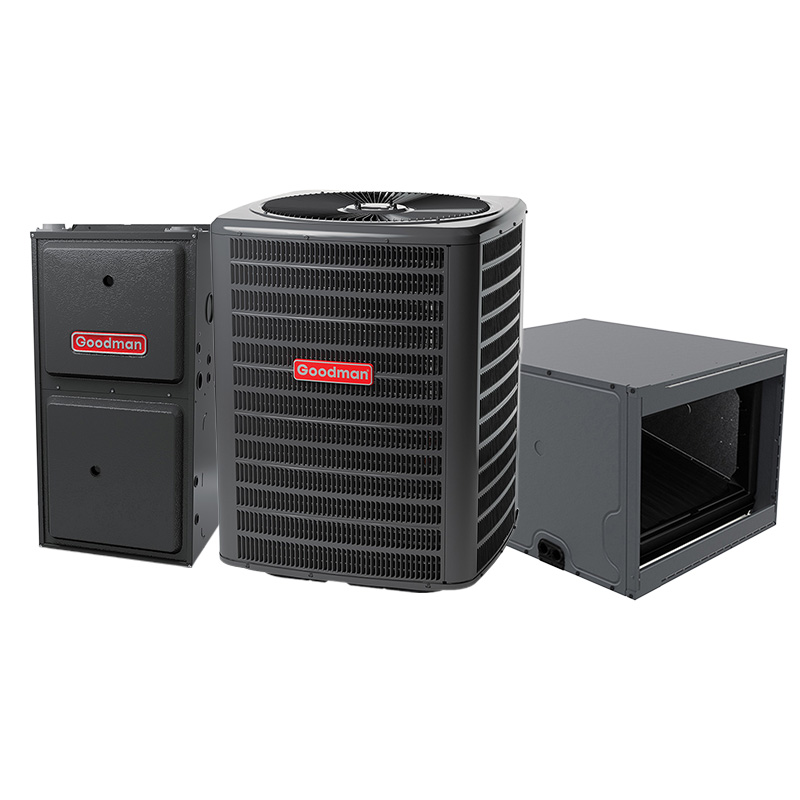
Goodman 5 Ton 13.4 SEER2 AC & Gas Furnace System – Multi-Speed, 120000 BTU Gas Furnace, 92% AFUE, Horizontal, R32
View on AC Direct see your lowest price →Check current price on AC Direct →
Key features
- 5-ton cooling capacity rated at 13.4 SEER2 using R-32 refrigerant
- 120,000 BTU gas furnace with 92% AFUE mid-efficiency rating
- Multi-speed blower motor for improved airflow and humidity management
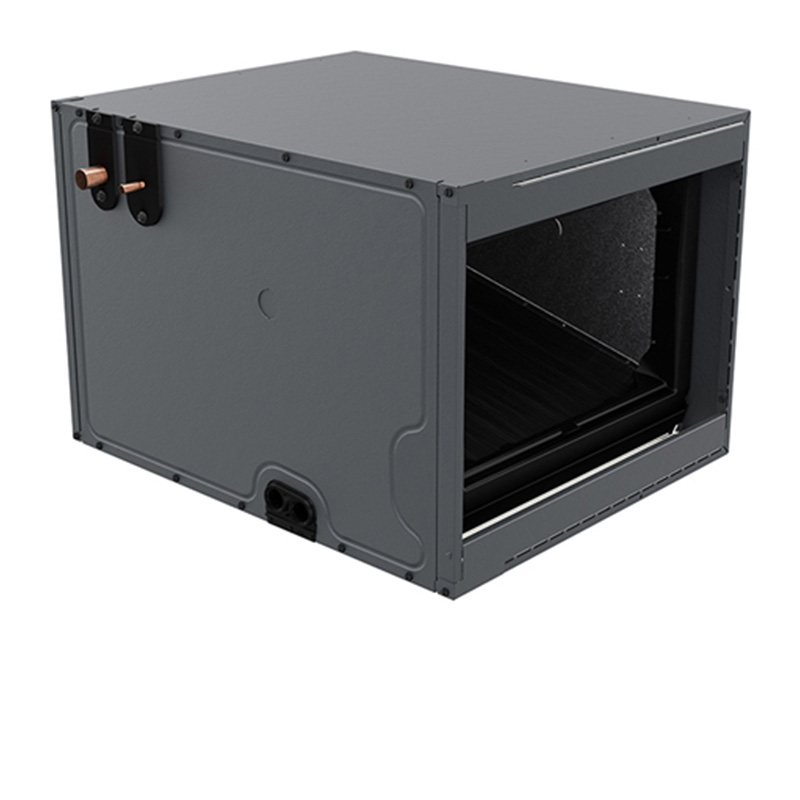
- Horizontal cabinet configuration for attic or crawlspace installations
- Single-stage compressor operation with straightforward controls
- Factory-matched system designed for simplified commissioning and warranty compliance
About this system
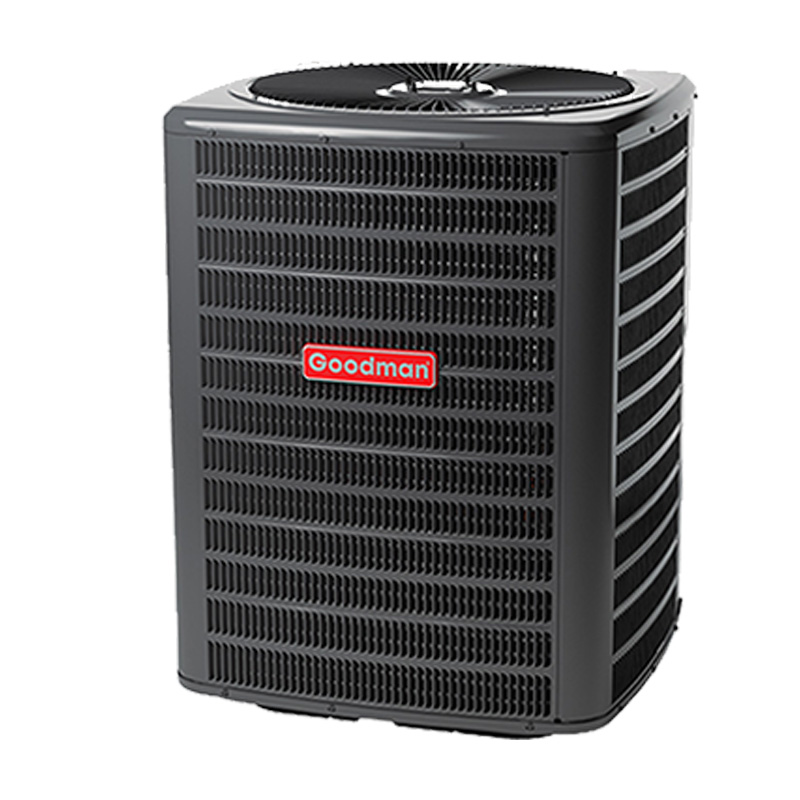
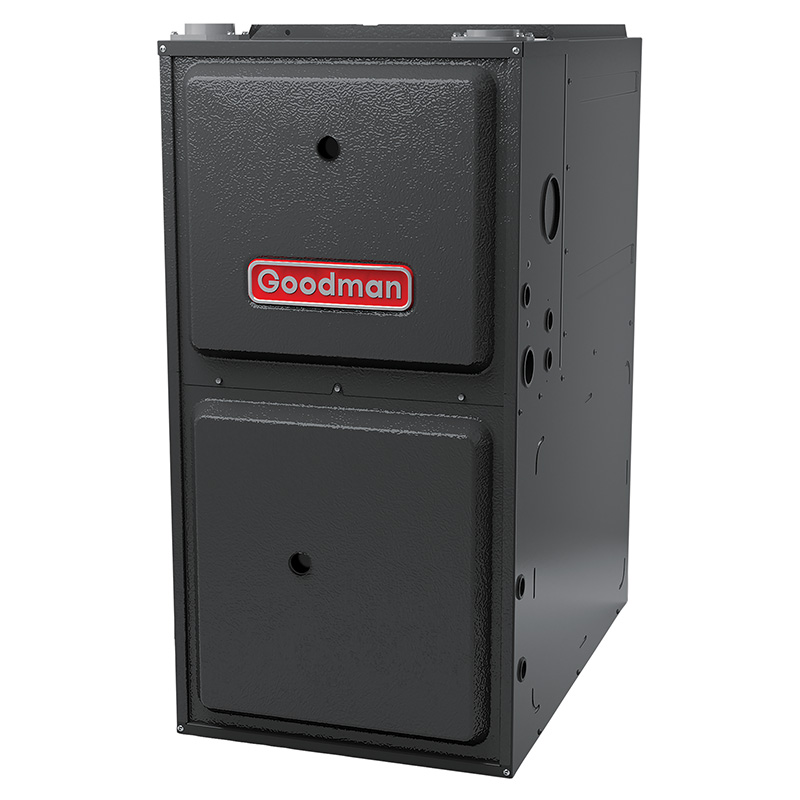
The Goodman GLXS3BN6010D pairs a 5-ton, 13.4 SEER2 single-stage air conditioner with a 120,000 BTU, 92% AFUE multi-speed gas furnace in a horizontal configuration, making it a purpose-built fit for attic or crawlspace installs where a standard upflow or downflow cabinet simply will not fit. The R-32 refrigerant charge reflects the industry shift away from R-410A, offering a lower global-warming potential and slightly better thermodynamic efficiency. At 13.4 SEER2, this system meets the federal minimum for most U.S. climate zones and delivers honest, code-compliant cooling without the premium cost of a higher-efficiency unit.
The 92% AFUE rating means 92 cents of every dollar spent on natural gas goes toward heat, which is a solid mid-efficiency figure for climates with moderate heating seasons. The multi-speed furnace blower improves airflow consistency compared to a single-speed motor, helping with humidity control and comfort distribution across larger floor plans that a 5-ton system typically serves. This is a workhorse package for homes in the 2,500 to 3,500 square foot range, or those with high heat gain, and it suits buyers who want a functional, code-ready system without stretching into premium-brand pricing territory.
The Goodman GLXS3BN6010D delivers a functional, code-compliant heating and cooling package at a price point that is meaningfully lower than comparable Carrier, Trane, or Lennox systems. Efficiency is baseline, not best-in-class, and long-term reliability leans on how well it is installed and maintained. For buyers prioritizing upfront cost over premium longevity, it is a reasonable choice provided they budget for likely component service after year seven.
Overall score is the average of the five ratings above.
What we like
- Priced 15 to 25 percent below comparable Trane, Carrier, and Lennox systems
- Horizontal configuration addresses attic and crawlspace installs that other cabinets cannot serve
- 92% AFUE is a solid mid-efficiency rating that reduces fuel waste without high-efficiency equipment cost
- Multi-speed blower improves comfort and humidity control compared to single-speed alternatives
- R-32 refrigerant is lower GWP than R-410A and widely available through licensed technicians
Trade-offs
- Dual-run capacitors are the most frequently reported failure point, typically requiring a 300 to 600 dollar repair
- Compressor lifespan averages 10 to 14 years versus 15 to 20 years for premium-brand compressors
- Evaporator coil leaks appear in a meaningful share of owner reports and can be a costly mid-life repair
- A minority of owners report refrigerant leaks within the first year, most often tied to install or charge issues
What homeowners and pros say about Goodman
Homeowners who have installed Goodman systems tend to echo the brand’s Google dealer review average of around 3.8 out of 5, with affordability cited most often as the deciding factor. Where positive feedback concentrates, it is usually about the system working reliably during the first several years after a careful install. Where criticism appears, particularly in the ConsumerAffairs channel where Goodman scores around 2.5 out of 5, the consistent complaint is repair bills that start accumulating after roughly year seven. Those costs most often involve the dual-run capacitor, a known weak point that typically runs 300 to 600 dollars to replace, and evaporator coil leaks that can be considerably more expensive depending on refrigerant and labor rates.
HVAC technicians tend to frame Goodman straightforwardly: the equipment is serviceable if the install is done right, and a poor install will surface problems regardless of what brand is on the cabinet. They point out that compressor longevity on Goodman units averages 10 to 14 years compared to 15 to 20 years on premium brands, which matters more for a 5-ton system because replacement costs scale with size. Technicians also note that first-year refrigerant leaks, reported by a minority of owners, are nearly always a commissioning issue rather than a manufacturing defect, reinforcing the point that installer quality is the variable with the most influence on how this system performs over its life.
Sources: ConsumerAffairs Goodman owner reviews, AHRI Directory of Certified Product Performance, U.S. DOE appliance and equipment efficiency standards, Goodman product specification sheets.
What it costs to run
At 13.4 SEER2, cooling this 5-ton system for a typical 1200-hour cooling season at the U.S. average electricity rate of $0.17/kWh works out to roughly $913 per year in cooling, about $0 less per year than a minimum-efficiency 13.4 SEER2 unit of the same size. Your real cost depends on your climate and local rate.
Method: (60,000 BTU/hr ÷ 13.4 SEER2) × 1200 hours ÷ 1000 × $0.17/kWh. Rate source: U.S. EIA average; cooling hours: moderate-climate estimate.
How it compares
| Brand | Comparable model | SEER2 | Stage | Price position |
|---|---|---|---|---|
| Goodman | GLXS3BN6010D | 13.4 | Single-stage | Value pick |
| Carrier | Comfort 14 Series (24ACC6) | 13.4 | Single-stage | Typically 15 to 25 percent more than Goodman |
| Trane | XR14 Series | 13.4 | Single-stage | Typically 15 to 25 percent more than Goodman |
| Lennox | Merit ML14XC1 Series | 13.4 | Single-stage | Typically 15 to 25 percent more than Goodman |
Competitor rows are comparable single-stage units at similar efficiency; price is relative position, not a quote.
Questions about this system
Why does this system use R-32 refrigerant instead of R-410A, and does that affect service costs?
Goodman transitioned to R-32 as part of the broader industry move away from R-410A, which has a higher global-warming potential and is being phased down under EPA rules. R-32 requires technicians to use specific equipment and follow updated handling procedures, so not every contractor is set up for it yet. Before you buy, confirm your installer is certified and equipped to work with R-32, since that affects both initial commissioning and any future refrigerant service.
What does the horizontal configuration mean, and is this system compatible with a standard closet or basement install?
Horizontal means the furnace cabinet is designed to lie on its side, with airflow moving sideways rather than up or down. This is specifically built for attic or crawlspace applications where vertical clearance is limited. It is not the right choice for a basement, utility closet, or standard upflow application, and forcing it into an incompatible orientation will void warranty and cause operational problems.
Goodman's ConsumerAffairs score is around 2.5 out of 5. Should that concern me?
ConsumerAffairs is a complaint-skewed channel, meaning satisfied owners rarely post reviews, so the score does not represent the full install base. That said, the recurring theme of repair costs climbing after roughly year seven is consistent with documented failure modes like capacitor failures, evaporator coil leaks, and a compressor lifespan that averages shorter than premium brands. Budget for a maintenance contract and set aside a repair fund once the system passes the seven-year mark.
Is a 92% AFUE furnace worth choosing over a 96 or 98% AFUE model for a home this size?
For climates with mild to moderate heating seasons, the fuel savings from jumping to 96 or 98% AFUE often take eight to twelve years to offset the higher equipment cost on a 120,000 BTU unit. In colder climates with long heating seasons, the payback period shortens. Run your local gas rates and average heating degree days through a simple energy calculator before deciding, because the right answer is location-specific.
What maintenance steps are most important for keeping this system running past year ten?
Annual professional tune-ups that include capacitor testing are the single most impactful step, since dual-run capacitors are the most commonly reported failure point on Goodman equipment and catching a weakening capacitor before it fails protects the compressor. Keeping coils clean, replacing filters on schedule, and ensuring refrigerant charge is correct at commissioning also matter significantly, since refrigerant leaks in the first year are most often tied to install or charge issues.
Specifications
| Cooling capacity | 5 Ton |
| Efficiency | 13.4 SEER2 |
| Furnace output | 120000 BTU |
| Furnace efficiency | 92% AFUE |
| Configuration | Horizontal |
| Refrigerant | R-32 |
| Model | GLXS3BN6010D |