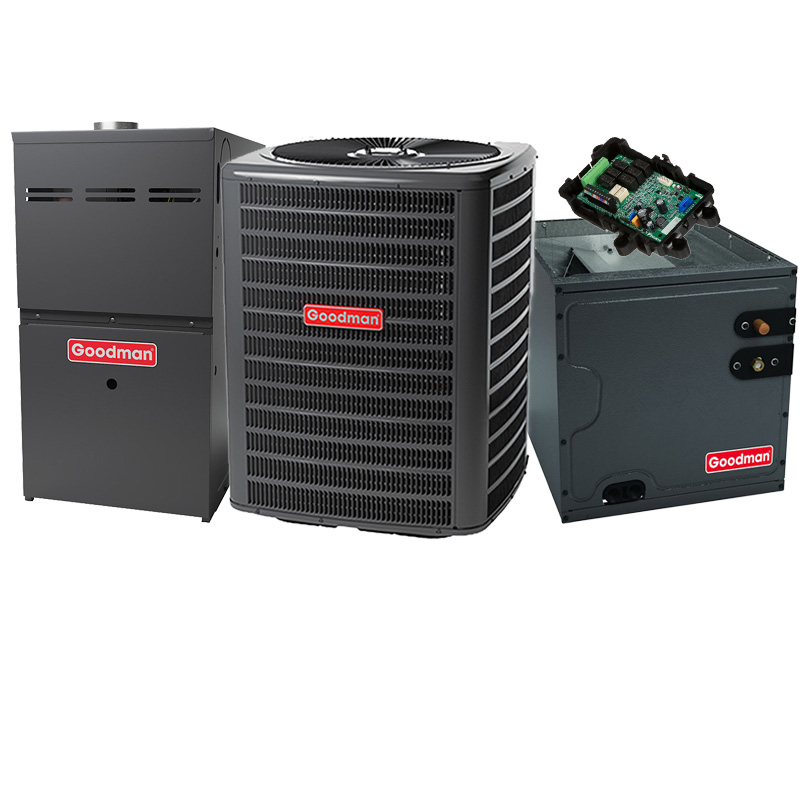
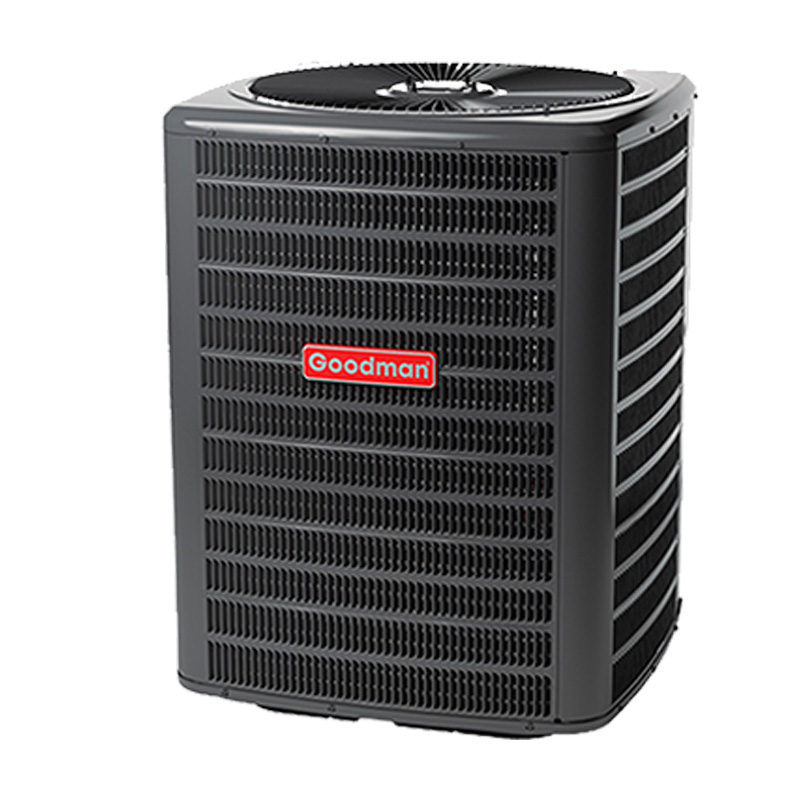
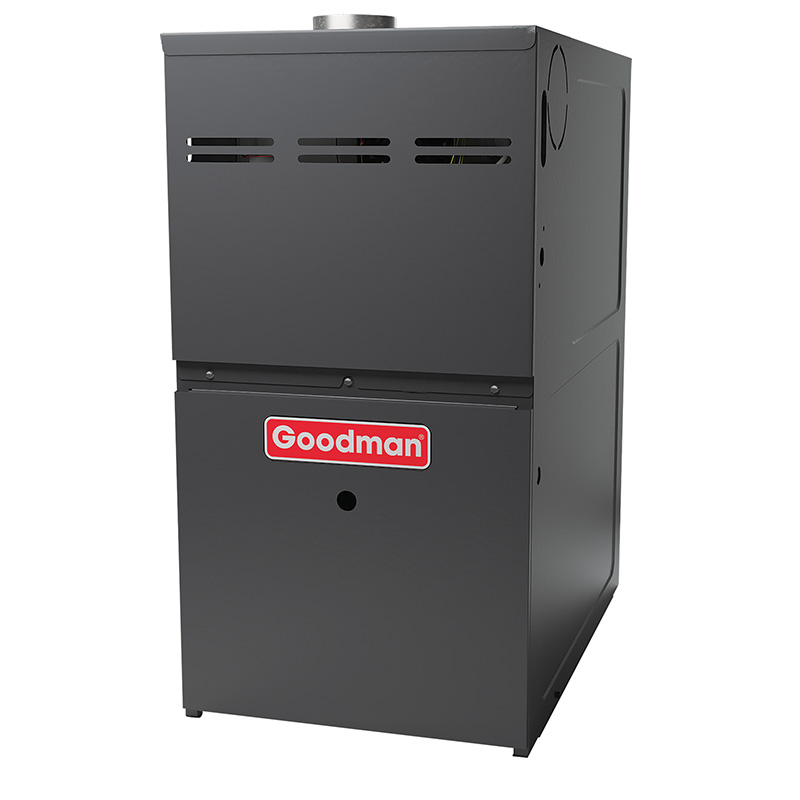
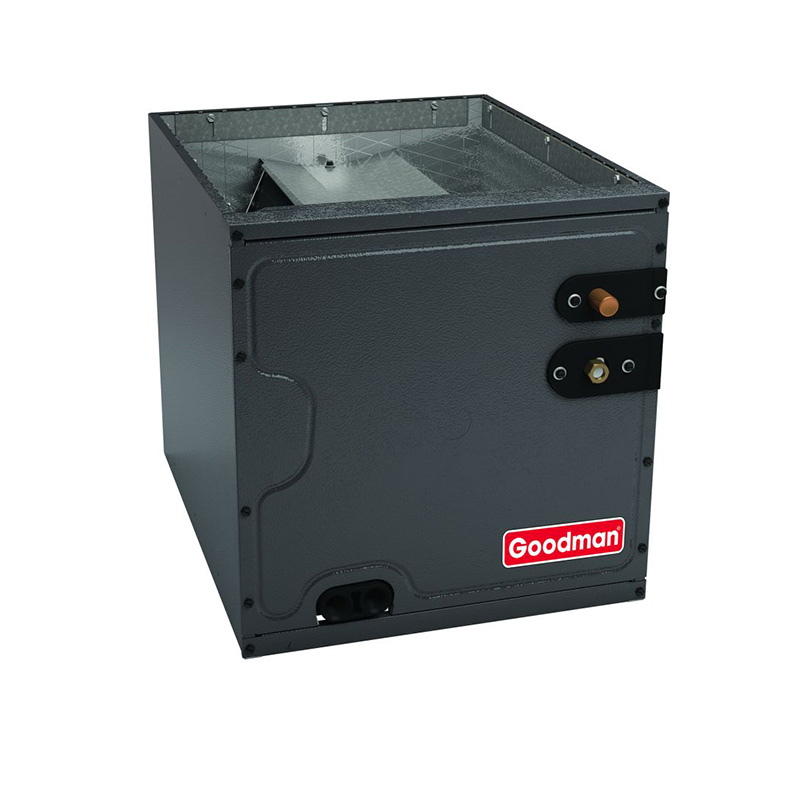
Goodman 5 Ton 13.6 SEER2 120000 BTU 80% Two-Stage Gas Furnace With R32 Air Conditioner Condenser And Coil System – Upflow
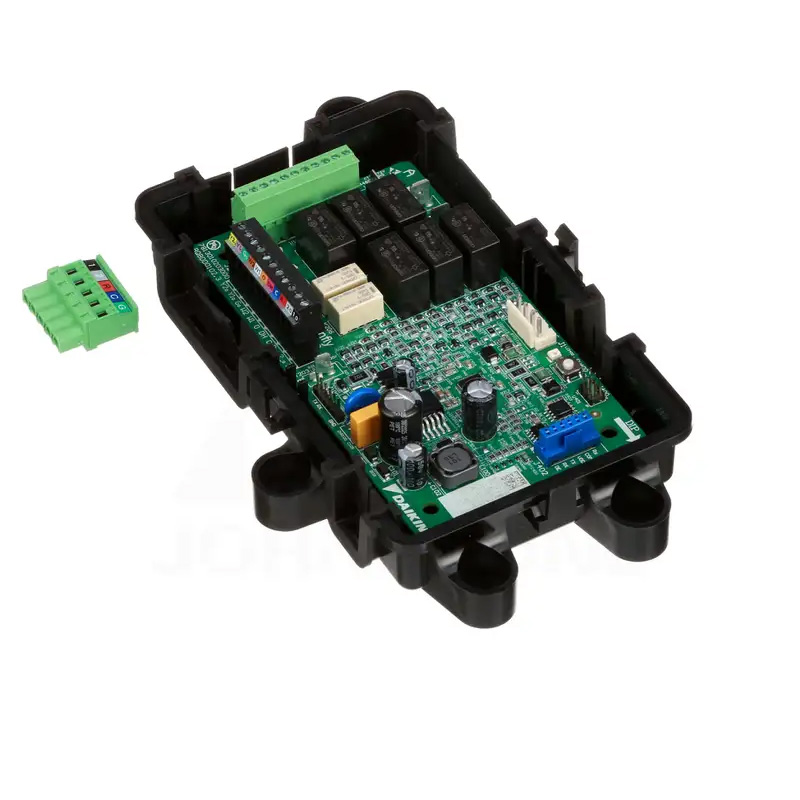
View on AC Direct see your lowest price →Check current price on AC Direct →
Key features
- 5-ton cooling capacity paired with a 120,000 BTU two-stage gas furnace
- 13.6 SEER2 efficiency rating, meets current federal minimum standards
- R-32 refrigerant with approximately one-third the global warming potential of R-410A
- Two-stage furnace operation for more consistent temperatures and reduced short-cycling
- Upflow configuration designed for basement or ground-level utility closet installs
- Matched system components (condenser, coil, furnace) rated together for warranty compliance
About this system
This Goodman system pairs a 5-ton, 13.6 SEER2 R-32 air conditioner condenser and matching evaporator coil with a 120,000 BTU two-stage gas furnace in an upflow configuration. That combination addresses large homes, typically in the 2,500 to 3,500 square foot range depending on climate and insulation, where a single-stage furnace would cycle on and off aggressively and leave hot or cold pockets between runs. Two-stage operation means the furnace fires at a lower capacity most of the time and steps up only when outdoor temperatures demand it, which smooths out temperature swings and can trim gas consumption on milder days.
The 13.6 SEER2 rating lands at the federal minimum tier for most U.S. climate regions, so this is not a high-efficiency purchase. The trade-off is a lower upfront cost. R-32 refrigerant is a step forward from R-410A: it has roughly one-third the global warming potential and is increasingly favored by manufacturers as the industry phases out older refrigerants. The upflow furnace orientation suits homes with a basement or utility closet installation where supply air rises into the duct system above. Buyers who need a downflow or horizontal configuration will need a different model.
As a complete matched system, the condenser, coil, and furnace are sized and rated to work together, which matters for both efficiency and warranty compliance. Mismatched components can void coverage and reduce measured efficiency, so resist the urge to swap in a coil or air handler from a different manufacturer.
This Goodman system delivers a complete, code-compliant solution for large homes at a price point meaningfully below Trane, Carrier, and Lennox equivalents. The two-stage furnace is a genuine comfort upgrade over single-stage, but the entry-level efficiency rating and Goodman's documented history of capacitor failures, evaporator coil leaks, and shorter compressor lifespans mean buyers are accepting more long-term maintenance risk in exchange for lower upfront cost. It is a reasonable choice when budget is the primary constraint and a skilled installer is doing the work.
Overall score is the average of the five ratings above.
What we like
- Price typically runs 15 to 25 percent below comparable Trane, Carrier, and Lennox systems
- Two-stage furnace reduces temperature swings and short-cycling in large homes
- R-32 refrigerant is a more environmentally responsible choice versus R-410A
- Matched system components simplify warranty compliance and efficiency verification
- Upflow orientation covers the most common installation scenario in existing homes
Trade-offs
- Dual-run capacitors are a well-documented failure point, often requiring a 300 to 600 dollar service call within the first several years
- Evaporator coil leaks appear in a meaningful share of owner reviews, which can be a costly mid-life repair
- Compressor lifespan averages 10 to 14 years versus 15 to 20 years for premium brands, shortening the system's effective life
- 13.6 SEER2 is the minimum-efficiency tier, so energy savings over the system's life will be lower than a 15 or 16 SEER2 alternative
What homeowners and pros say about Goodman
Homeowners who have lived with Goodman equipment long enough to form a real opinion tend to land in one of two camps. Those whose installs went smoothly often praise the value: they got reliable heating and cooling for years without a major repair bill, and they note that the savings versus a Trane or Carrier purchase were real and meaningful. That aligns with the roughly 3.8 out of 5 average seen across Google dealer reviews, where affordability is the most frequently cited reason for satisfaction. The two-stage furnace in this specific system gets particular mention for reducing the uncomfortable blasts of hot air common with single-stage units in large homes.
On the other side, ConsumerAffairs aggregates a complaint-heavier audience and Goodman sits around 2.5 out of 5 there, with a recurring pattern of repair costs climbing noticeably after about year 7. HVAC technicians tend to echo this: they point to dual-run capacitors as the most routine service call on Goodman equipment, typically a 300 to 600 dollar fix that many owners encounter at least once. Evaporator coil leaks and refrigerant issues in the first year (often traced back to installation or charge errors rather than a defective part) also show up with enough frequency to be worth knowing about before buying. Compressor longevity is the bigger structural concern: Goodman compressors averaging 10 to 14 years puts this system on a shorter replacement horizon than premium-brand alternatives. Pros consistently say the same thing: a Goodman installed correctly by an experienced technician performs well for the money; a Goodman rushed through a sloppy install is a service headache waiting to start.
Sources: ConsumerAffairs Goodman owner reviews, AHRI Directory of Certified Product Performance, U.S. DOE appliance and equipment efficiency standards, Goodman product specification sheets.
What it costs to run
At 13.6 SEER2, cooling this 5-ton system for a typical 1200-hour cooling season at the U.S. average electricity rate of $0.17/kWh works out to roughly $900 per year in cooling, about $13 less per year than a minimum-efficiency 13.4 SEER2 unit of the same size. Your real cost depends on your climate and local rate.
Method: (60,000 BTU/hr ÷ 13.6 SEER2) × 1200 hours ÷ 1000 × $0.17/kWh. Rate source: U.S. EIA average; cooling hours: moderate-climate estimate.
How it compares
| Brand | Comparable model | SEER2 | Stage | Price position |
|---|---|---|---|---|
| Goodman | This system (5T 13.6 SEER2 two-stage furnace + R-32 condenser/coil) | 13.6 | Two-stage (furnace) | Value pick |
| Carrier | Performance 13 (24ACC6) with 59TP6 two-stage furnace | 13.4-14.0 | Two-stage (furnace) | Roughly 20 to 25 percent higher than this Goodman system |
| Trane | XR13c condenser with S9X2 two-stage furnace | 13.4-14.0 | Two-stage (furnace) | Roughly 20 to 30 percent higher than this Goodman system |
| Lennox | Merit 14ACX condenser with ML196 two-stage furnace | 13.4-14.3 | Two-stage (furnace) | Roughly 15 to 25 percent higher than this Goodman system |
Competitor rows are comparable single-stage units at similar efficiency; price is relative position, not a quote.
Questions about this system
Is 5 tons the right size for my home, or will this system be oversized?
Five tons is generally appropriate for homes in the 2,500 to 3,500 square foot range, but the right size depends on your climate zone, insulation level, window area, and duct layout. An oversized system short-cycles, wears components faster, and leaves rooms humid. Ask your contractor to run a Manual J load calculation before committing to this tonnage.
What does two-stage mean on the furnace, and does it actually save money?
Two-stage means the furnace has a high-fire and a low-fire setting. On most days it runs at the lower stage, which reduces gas consumption compared to always firing at full capacity. The bigger practical benefit is comfort: fewer on-off cycles mean more even temperatures throughout the home. Actual savings depend on your local gas rates and how cold your winters are.
Goodman has some rough reviews online. Should I be worried about reliability?
Goodman scores around 2.5 out of 5 on ConsumerAffairs, a channel that skews toward complaints, with owners most often reporting rising repair costs after about year 7. Google dealer reviews average closer to 3.8 out of 5. The most documented failure points are dual-run capacitors (a relatively inexpensive fix in the 300 to 600 dollar range), evaporator coil leaks, and compressors that tend to average 10 to 14 years rather than the 15 to 20 years more common in premium brands. Building a service budget and keeping the system on a maintenance plan helps catch small issues before they become expensive ones.
What does the Goodman warranty actually cover, and are there conditions I need to meet?
Goodman's standard registered warranty on equipment like this typically covers parts for 10 years, but registration must be completed within a set window after installation (usually 60 days) and the system must be installed by a licensed HVAC contractor. Using mismatched components or having an unlicensed installer can void coverage, so confirm the details on Goodman's warranty registration page before the job starts.
Why does this system use R-32 refrigerant, and does that affect service costs?
R-32 has a much lower global warming potential than the R-410A refrigerant found in older systems, which is why manufacturers are moving toward it as the industry phases out R-410A. Practically speaking, R-32 is a single-component refrigerant, which makes it easier to recharge correctly after a repair. Some technicians are still building familiarity with it, so confirm your servicing contractor is certified to handle R-32 before scheduling any refrigerant work.
Specifications
| Cooling capacity | 5 Ton |
| Efficiency | 13.6 SEER2 |
| Furnace output | 120000 BTU |
| Configuration | Upflow |
| Refrigerant | R-32 |