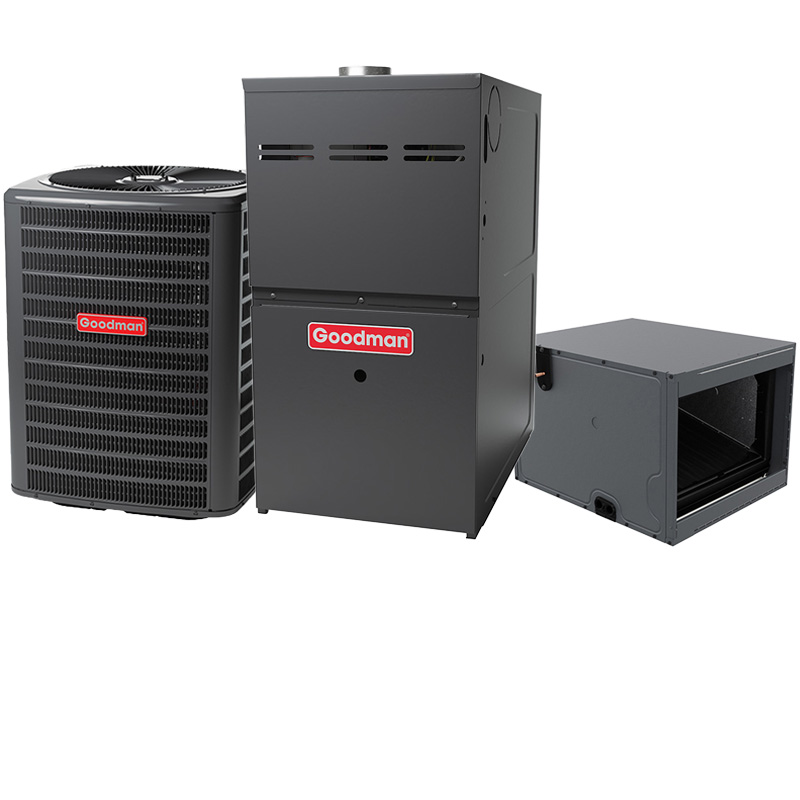
Goodman 5 Ton 14 SEER2 120000 BTU 80% AFUE Multi-Speed ECM Gas Furnace System – Horizontal | R32
View on AC Direct see your lowest price →Check current price on AC Direct →
Key features
- 5-ton cooling capacity rated at 14 SEER2 for minimum federal efficiency compliance
- 120,000 BTU 80% AFUE gas furnace with multi-speed ECM blower motor
- Horizontal configuration for attic, crawlspace, or side-load installs
- R-32 refrigerant with lower global warming potential than R-410A
- ECM blower reduces part-load electricity use and improves humidity control vs. PSC motors
- Goodman value pricing typically 15 to 25 percent below Trane, Lennox, and Carrier equivalents
About this system
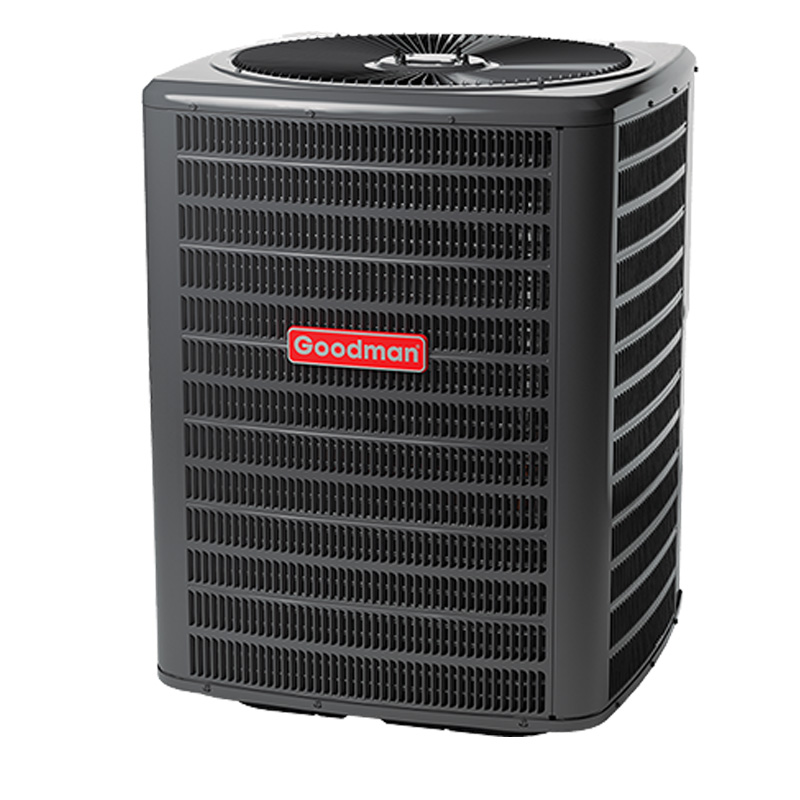
This Goodman 5-ton system pairs a 14 SEER2 air conditioner with a 120,000 BTU, 80% AFUE multi-speed ECM gas furnace in a horizontal configuration, making it a direct fit for homes where attic, crawlspace, or side-load installations are the only practical option. At 5 tons, it is sized for larger homes typically in the 2,400 to 3,200 square foot range, though actual sizing depends heavily on local climate, insulation, and Manual J load calculations. The R-32 refrigerant charge is a forward-looking choice: R-32 has a lower global warming potential than the R-410A it replaces and is increasingly common as the industry moves away from older refrigerants.
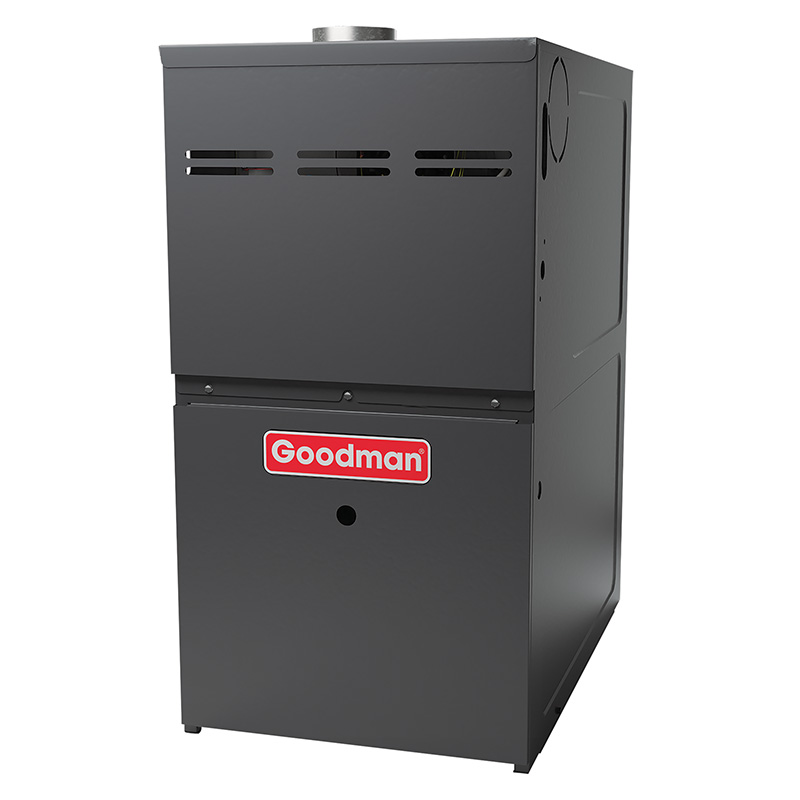
The multi-speed ECM (electronically commutated motor) blower is one of the more meaningful spec upgrades at this price tier. Compared to a single-speed PSC motor, the ECM runs at lower speeds during mild weather, which reduces energy consumption at the air handler, improves humidity control, and operates more quietly during part-load hours. The 80% AFUE furnace is entry-level efficiency for gas heat, meaning 20 cents of every dollar spent on gas exits through the flue. Homeowners in cold climates who run the furnace heavily may want to weigh a 96% AFUE upgrade, but for mild-to-moderate heating loads the 80% unit keeps upfront cost lower and installation simpler since it does not require a condensate drain. This system suits budget-conscious buyers replacing aging equipment in larger homes, provided they invest in a quality installation contractor.
This Goodman system delivers entry-level efficiency at a price point that undercuts most name-brand competitors by a meaningful margin, making it a reasonable choice for owners who want functional, code-compliant comfort without premium pricing. The ECM furnace motor is a genuine spec advantage at this tier, but the 80% AFUE furnace and minimum 14 SEER2 rating leave efficiency on the table compared to higher-tier options. Long-term ownership costs depend heavily on install quality and whether you can absorb the possibility of earlier-than-premium component replacements.
Overall score is the average of the five ratings above.
What we like
- Acquisition cost is typically 15 to 25 percent lower than comparable Carrier, Trane, or Lennox systems
- Multi-speed ECM blower motor improves part-load efficiency and humidity removal relative to single-speed alternatives
- Horizontal configuration opens up installation locations that ducted vertical systems cannot serve
- R-32 refrigerant positions the system ahead of the phase-out curve for older refrigerants
- Replacement parts are widely stocked by HVAC distributors, keeping repair lead times short
Trade-offs
- 80% AFUE furnace efficiency is the minimum available; high heating-load households will pay more in gas bills over time compared to 96% AFUE alternatives
- 14 SEER2 is the federal minimum, offering no buffer against future efficiency standards and no energy savings premium
- Compressor lifespan averages 10 to 14 years versus 15 to 20 years reported for premium-brand compressors, which matters more on a large, heavily used 5-ton unit
- Dual-run capacitor failures and evaporator coil leaks are documented recurring issues; budgeting for at least one service call in years 5 through 10 is realistic
What homeowners and pros say about Goodman
Homeowners who track their Goodman equipment on review platforms paint a split picture. On Google dealer reviews, where the audience includes buyers who selected the contractor rather than arriving after a breakdown, Goodman systems score around 3.8 out of 5, with affordability cited most often as the reason for satisfaction. On ConsumerAffairs, which skews toward owners reporting problems, the score sits at roughly 2.5 out of 5, and the pattern in complaints is consistent: the first several years tend to be uneventful, but repair costs climb after roughly year seven. For a 5-ton horizontal system running hard through southern summers or variable climates, that trajectory is worth factoring into the total cost of ownership conversation before signing a contract.
HVAC technicians who service Goodman equipment regularly point to installation quality as the variable that separates a 12-year unit from one that starts causing problems at year five. The dual-run capacitor is the part they replace most often on these systems, a low-cost repair but an inconvenient one during peak season. Evaporator coil leaks show up often enough in long-term owner accounts to be considered a known risk rather than a rare event. Compressor longevity averaging 10 to 14 years is shorter than what premium brands typically deliver, and on a large 5-ton unit that works harder to condition more space, that gap is more consequential than it would be on a smaller system. The honest summary is that Goodman delivers functional, code-compliant equipment at a real price advantage, but the savings are most durable when paired with an experienced installer and a realistic maintenance budget.
Sources: ConsumerAffairs Goodman owner reviews, AHRI Directory of Certified Product Performance, U.S. DOE appliance and equipment efficiency standards, Goodman product specification sheets.
What it costs to run
At 14 SEER2, cooling this 5-ton system for a typical 1200-hour cooling season at the U.S. average electricity rate of $0.17/kWh works out to roughly $874 per year in cooling, about $39 less per year than a minimum-efficiency 13.4 SEER2 unit of the same size. Your real cost depends on your climate and local rate.
Method: (60,000 BTU/hr ÷ 14 SEER2) × 1200 hours ÷ 1000 × $0.17/kWh. Rate source: U.S. EIA average; cooling hours: moderate-climate estimate.
How it compares
| Brand | Comparable model | SEER2 | Stage | Price position |
|---|---|---|---|---|
| Goodman | 5 Ton 14 SEER2 / 120K BTU 80% AFUE Multi-Speed ECM Horizontal | 14 | Multi-speed | Value pick |
| Carrier | Comfort Series (24ACC636 / 59SC5) | 14-15 | Single-stage | Typically 15 to 25 percent more than Goodman |
| Trane | XR14 / S8X1 80% AFUE | 14-14.3 | Single-stage | Typically 15 to 25 percent more than Goodman |
| Lennox | Merit Series (14ACX / ML180) | 14 | Single-stage | Typically 15 to 25 percent more than Goodman |
Competitor rows are comparable single-stage units at similar efficiency; price is relative position, not a quote.
Questions about this system
Is a 5-ton unit actually the right size for my home, or is bigger always better?
Bigger is not better in HVAC. An oversized system short-cycles, meaning it reaches the set temperature and shuts off before completing a full humidity-removal cycle, leaving the home feeling clammy. The only reliable way to confirm 5 tons is correct is a Manual J load calculation performed by your contractor before equipment is ordered.
What does the horizontal configuration mean, and can this system be installed in a vertical orientation instead?
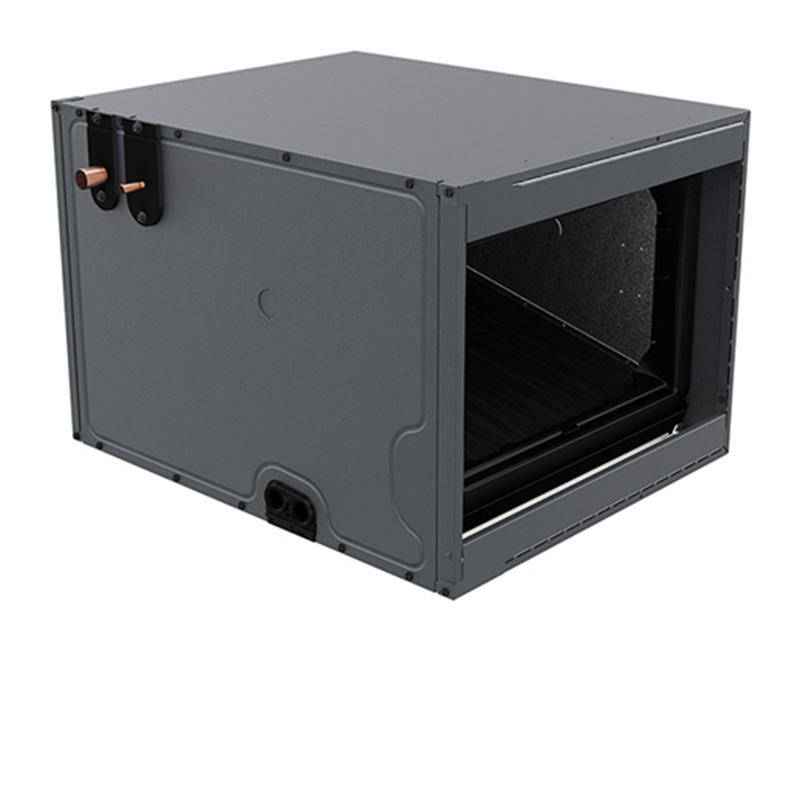
Horizontal means the air handler is designed to lie on its side with airflow moving horizontally, which is required for most attic and crawlspace installs. This unit is configured specifically for horizontal use; installing it vertically would require a different coil cabinet orientation. Confirm the configuration matches your duct layout before purchasing.
How does R-32 refrigerant affect service costs compared to the R-410A I currently have?
R-32 requires technicians to be certified for its handling since it is mildly flammable, which narrows the pool of contractors who can legally service it, though that pool is growing quickly as R-410A is phased out. Refrigerant cost for R-32 is currently comparable to R-410A, but availability and pricing will shift over time. The bigger concern is that a minority of owners report refrigerant leaks within the first year, which is usually a charge or connection issue at installation rather than a refrigerant-type problem.
What are the most likely repair costs I should plan for over the first 10 years?
The most commonly reported failure on Goodman equipment is the dual-run capacitor, a repair that typically runs in the 300 to 600 dollar range and is straightforward for any technician. Evaporator coil leaks appear in a meaningful share of long-term owner reports and are a more expensive fix. Setting aside a few hundred dollars per year in a home maintenance fund specifically for this system is a practical approach.
Does the 80% AFUE furnace make sense, or should I upgrade to a 96% model at the same time?
The answer depends on how cold your winters are and how many heating hours you accumulate annually. In climates with mild heating seasons, the efficiency gap between 80% and 96% AFUE may take many years to recover in gas savings, especially given the higher upfront cost of a 96% unit. In cold northern climates with long heating seasons, the payback period shortens considerably and the upgrade often makes financial sense over a 10-plus year ownership horizon.
Specifications
| Cooling capacity | 5 Ton |
| Efficiency | 14 SEER2 |
| Furnace output | 120000 BTU |
| Furnace efficiency | 80% AFUE |
| Configuration | Horizontal |
| Refrigerant | R-32 |