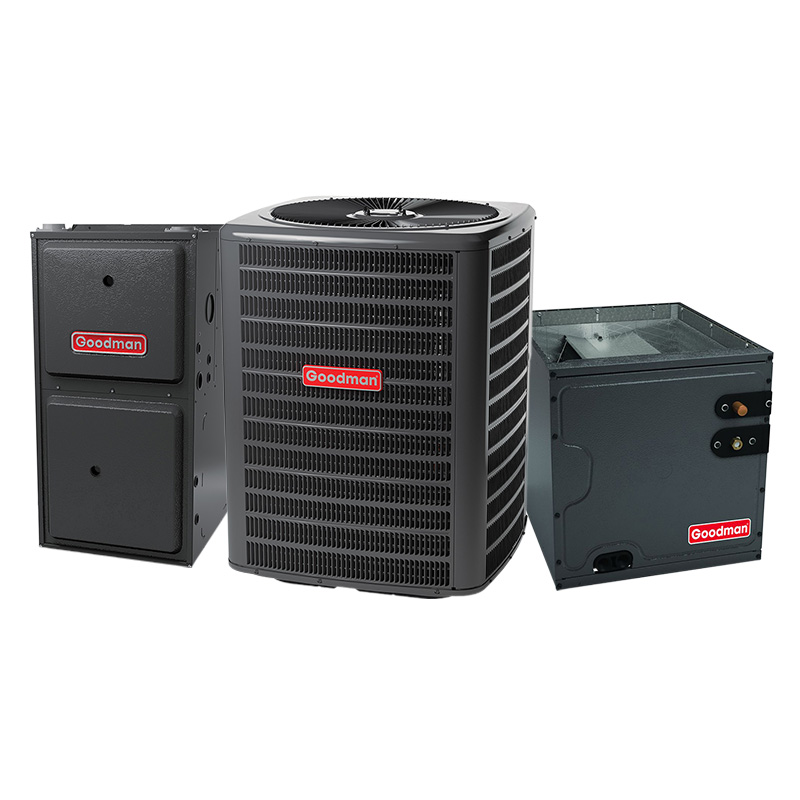
Goodman 5 Ton 14 SEER2 AC & Gas Furnace System – Multi-Speed, 120000 BTU Gas Furnace, 92% AFUE, Upflow, R32
View on AC Direct see your lowest price →Check current price on AC Direct →
Key features
- 5-ton cooling capacity rated at 14 SEER2 for minimum-code compliance in most U.S. climate regions
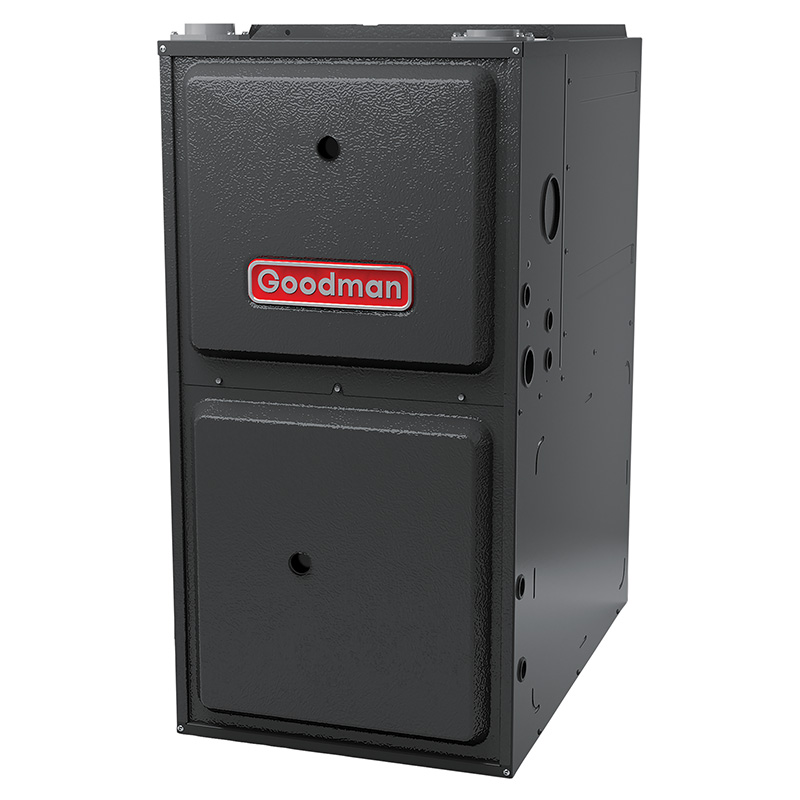
- 120,000 BTU gas furnace at 92% AFUE, recovering 92 cents of heat from every dollar of gas burned
- Multi-speed ECM blower motor improves airflow consistency and dehumidification versus single-speed models
- Upflow configuration designed for basement or utility-closet installs with overhead supply ductwork
- R-32 refrigerant replaces R-410A with a lower global-warming-potential charge
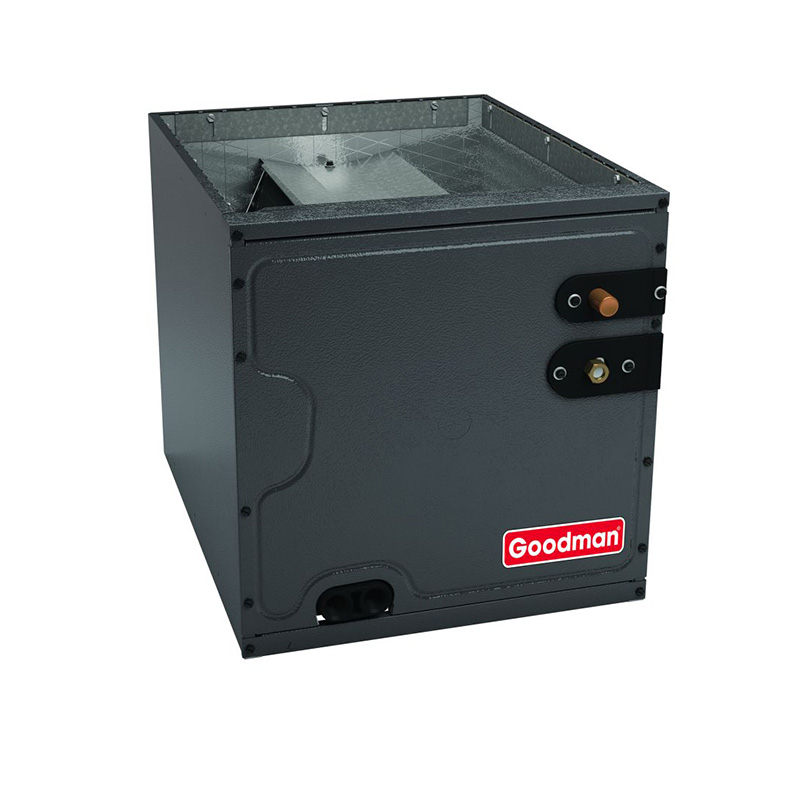
- Factory-matched coil and air handler simplify ARI certification and AHRI efficiency rating compliance
About this system
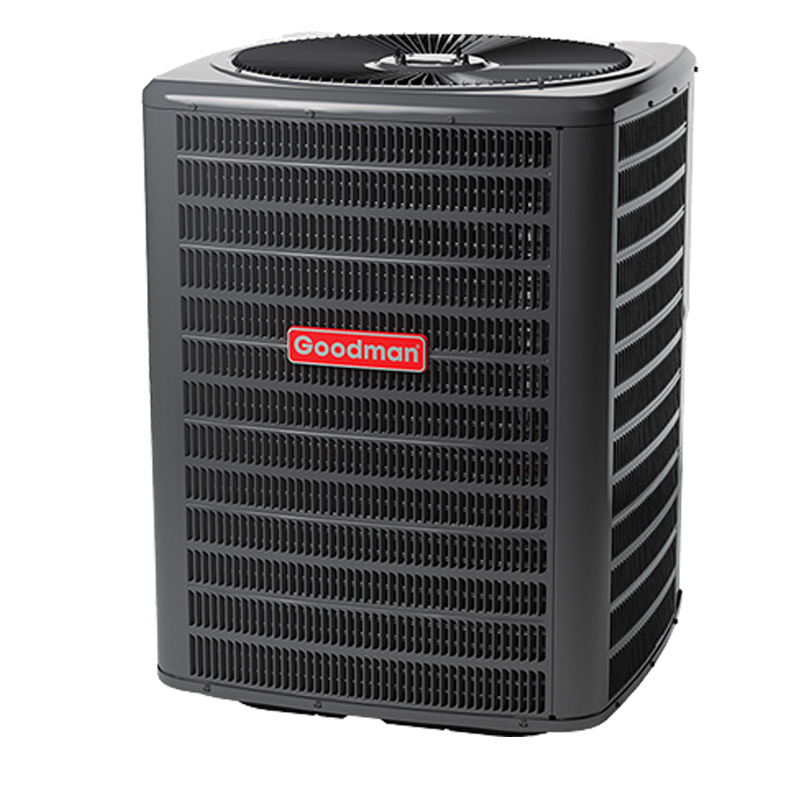
The Goodman GLXS4BA6010 pairs a 5-ton, 14 SEER2 single-stage air conditioner with a 120,000 BTU upflow gas furnace rated at 92% AFUE. That efficiency combination sits at the entry point of the two-stage efficiency tier for cooling and the lower edge of high-efficiency for heating, meaning it satisfies most regional energy codes while keeping equipment costs manageable. The R-32 refrigerant charge is a notable spec: R-32 has a lower global warming potential than the R-410A it replaces and is becoming the new industry baseline, so parts and service will remain accessible for the system’s lifespan.
At 5 tons and 120,000 BTU, this system is sized for larger homes, typically in the 2,500 to 3,500 square foot range depending on climate zone, insulation quality, and window load. The upflow configuration means the furnace draws return air from the bottom and discharges conditioned air upward into the duct system, which is the standard arrangement for a basement or closet installation with overhead ductwork. The multi-speed furnace blower helps with comfort consistency and humidity control compared to a single-speed unit, though it stops short of the variable-speed performance found in higher-tier systems. This bundle suits homeowners who need to replace a large whole-home system on a defined budget and are less concerned with top-tier efficiency ratings than with keeping first costs in check.
The Goodman GLXS4BA6010 delivers a lot of system for the money, making it a practical choice for budget-focused buyers replacing aging equipment in larger homes. It is not a premium product, and its long-term reliability record reflects that, with documented weak points in capacitors, evaporator coils, and compressor longevity that buyers should factor into their total cost of ownership. If the install is done well and a service plan is in place, it performs the job it was built for.
Overall score is the average of the five ratings above.
What we like
- Priced 15 to 25 percent below comparable Carrier, Trane, and Lennox systems, which matters on a 5-ton replacement
- 92% AFUE furnace is a meaningful step above the 80% baseline, reducing annual gas bills in cold climates
- Multi-speed blower improves comfort and humidity management compared to single-speed alternatives at this price point
- R-32 refrigerant is forward-compatible with upcoming regulatory shifts, reducing future service complexity
- Factory-matched system simplifies coil sizing and protects the AHRI efficiency rating for energy rebate applications
Trade-offs
- Dual-run capacitors are the most commonly reported failure, typically appearing before year 7 and costing $300 to $600 to repair
- Evaporator coil leaks appear in a meaningful share of owner reviews, a repair that can be costly if the unit is out of warranty
- Compressor lifespan averages 10 to 14 years compared to 15 to 20 years for premium-brand equivalents, which matters on a large 5-ton unit
- 14 SEER2 is the minimum efficiency tier; homeowners in hot climates or with high cooling loads will see noticeably higher operating costs than a 16 or 18 SEER2 system
What homeowners and pros say about Goodman
Homeowners discussing Goodman online tend to split into two camps, and this 5-ton system sits squarely in that conversation. On ConsumerAffairs, Goodman scores around 2.5 out of 5, a channel that skews toward frustrated owners, and the recurring theme is repair costs that start climbing after roughly year 7. The specific failure modes cited most often are dual-run capacitor failures, evaporator coil leaks, and compressors that tend to average 10 to 14 years rather than the 15 to 20 years owners of premium brands often report. On Google dealer reviews, the picture is more balanced at around 3.8 out of 5, where affordability is consistently the most praised attribute and many owners who had a quality install report years of trouble-free service.
HVAC technicians tend to have a pragmatic view of Goodman: the equipment is adequate, but they consistently flag install quality as the single biggest variable in how long one lasts. A properly commissioned system with correct refrigerant charge, matched components, and good airflow design will outperform a carelessly installed premium unit every time. For this specific 5-ton, 120,000 BTU configuration, pros point out that a system of this size is more sensitive to installation error than a smaller unit, and that budgeting for a capacitor replacement somewhere in the middle years is simply realistic ownership planning rather than a criticism. The consensus is that Goodman earns its place in the market for buyers who need to control first costs and are willing to invest in good installation and periodic maintenance.
Sources: ConsumerAffairs Goodman owner reviews, AHRI Directory of Certified Product Performance, U.S. DOE appliance and equipment efficiency standards, Goodman product specification sheets.
What it costs to run
At 14 SEER2, cooling this 5-ton system for a typical 1200-hour cooling season at the U.S. average electricity rate of $0.17/kWh works out to roughly $874 per year in cooling, about $39 less per year than a minimum-efficiency 13.4 SEER2 unit of the same size. Your real cost depends on your climate and local rate.
Method: (60,000 BTU/hr ÷ 14 SEER2) × 1200 hours ÷ 1000 × $0.17/kWh. Rate source: U.S. EIA average; cooling hours: moderate-climate estimate.
How it compares
| Brand | Comparable model | SEER2 | Stage | Price position |
|---|---|---|---|---|
| Goodman | GLXS4BA6010 | 14 | Single-stage | Value pick |
| Carrier | Comfort 14 Series (24ACC6) | 14 | Single-stage | Typically 15 to 25 percent more than the Goodman |
| Trane | XR14c Series | 14 | Single-stage | Typically 15 to 25 percent more than the Goodman |
| Lennox | Merit 14ACX Series | 14 | Single-stage | Typically 15 to 25 percent more than the Goodman |
Competitor rows are comparable single-stage units at similar efficiency; price is relative position, not a quote.
Questions about this system
Is 5 tons the right size for my house, or should I get a load calculation first?
A Manual J load calculation is always the right starting point before committing to a 5-ton system. Oversizing is one of the most common installation mistakes on large systems: an oversized AC short-cycles, which degrades humidity control and accelerates wear on the compressor. If your home is around 2,500 to 3,500 square feet in a moderate climate, 5 tons may be appropriate, but actual results depend on insulation, windows, ceiling height, and local design temperatures.
What is the Goodman warranty on this system, and what does it actually cover?
Goodman typically offers a 10-year parts warranty on registered equipment, which covers the compressor, heat exchanger, and other internal components. Registration is usually required within a set window after installation to activate the full term, and the warranty covers parts only, not labor, refrigerant, or diagnostic costs. Review the specific warranty document for this model before purchase, as terms can vary by product line.
My installer mentioned R-32 refrigerant. Is it harder to service than R-410A?
R-32 is mildly flammable, which means technicians need proper certification and handling procedures, but it is not an exotic refrigerant and is already in wide use in many markets. Most HVAC service companies are equipped to handle it, and supply availability is strong. It is worth confirming that your servicing contractor is R-32 certified before the install.
How often do the capacitors actually fail on Goodman systems, and is it a big deal?
Dual-run capacitor failure is the most commonly documented repair on Goodman outdoor units, and it tends to show up in the 5 to 10 year window. The good news is that it is one of the cheaper HVAC repairs, typically landing in the $300 to $600 range including a service call, and a competent technician can complete it in under an hour. Adding an annual maintenance plan that includes capacitor inspection is a reasonable way to catch this before it causes a no-cool situation in summer.
Does the upflow configuration limit where this furnace can be installed?
An upflow furnace is designed specifically for installations where return air enters from the bottom and supply air exits from the top into overhead ductwork, which is the standard for basements and first-floor utility closets with a duct system running through the floor joists or attic above. It cannot be installed in a horizontal or downflow application without a different cabinet configuration. If your existing system is a different orientation, confirm with your installer before ordering.
Specifications
| Cooling capacity | 5 Ton |
| Efficiency | 14 SEER2 |
| Furnace output | 120000 BTU |
| Furnace efficiency | 92% AFUE |
| Configuration | Upflow |
| Refrigerant | R-32 |
| Model | GLXS4BA6010 |