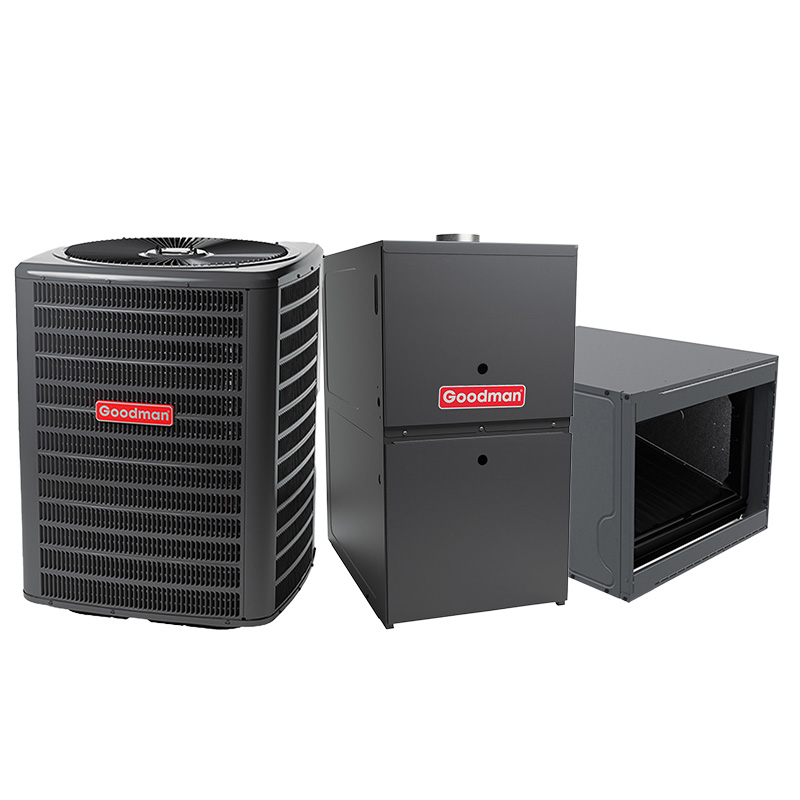
Goodman 5 Ton 14 SEER2 AC & Gas Furnace System – Two Stage Variable-Speed 80000 BTU Gas Furnace, 80% AFUE, Horizontal, R32
View on AC Direct see your lowest price →Check current price on AC Direct →
Key features
- 5-ton cooling capacity with 14 SEER2 efficiency rating, meeting current federal minimum standards
- Two-stage gas valve on the 80,000 BTU furnace reduces temperature swings and lowers noise at partial load
- Variable-speed blower motor improves humidity control and airflow consistency compared to single-speed units
- Horizontal cabinet orientation designed for attic and crawl-space installations with limited vertical clearance
- R-32 refrigerant with lower global warming potential than R-410A, aligned with current industry direction
- 80% AFUE rating compatible with existing Category I B-vent flue systems, avoiding costly repiping
About this system
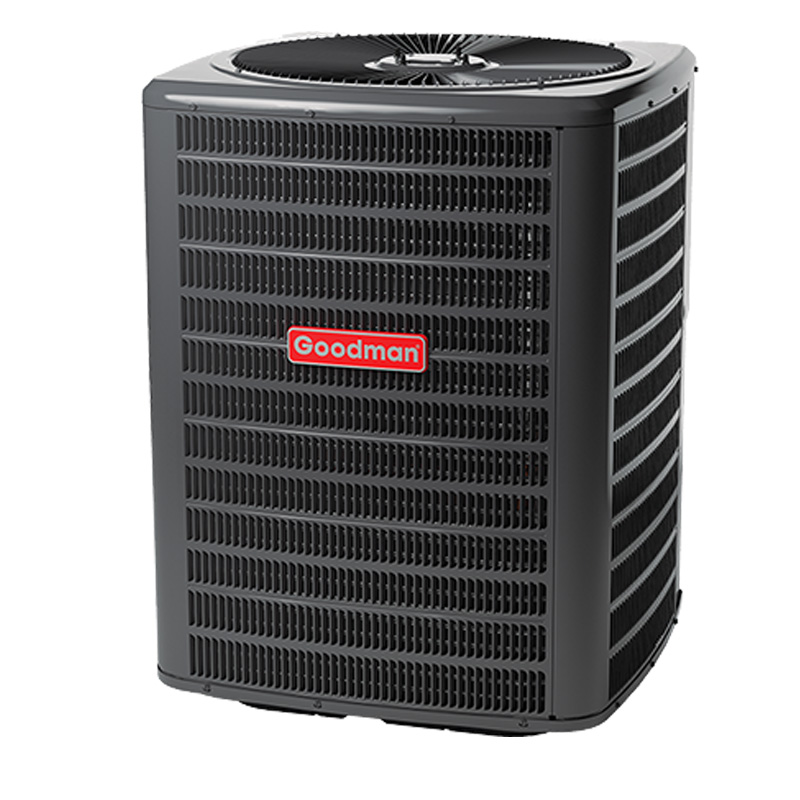
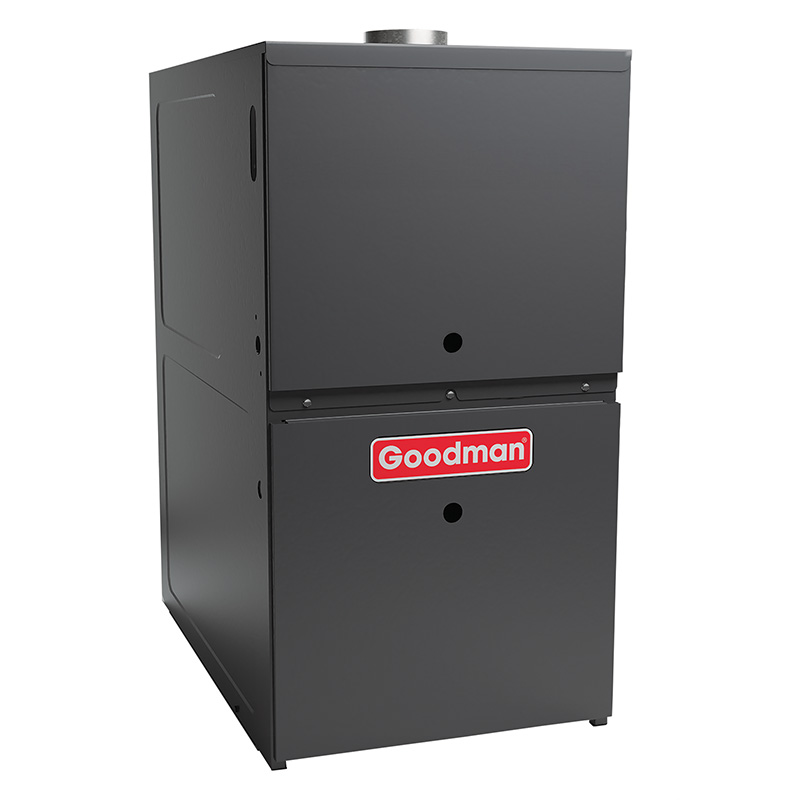
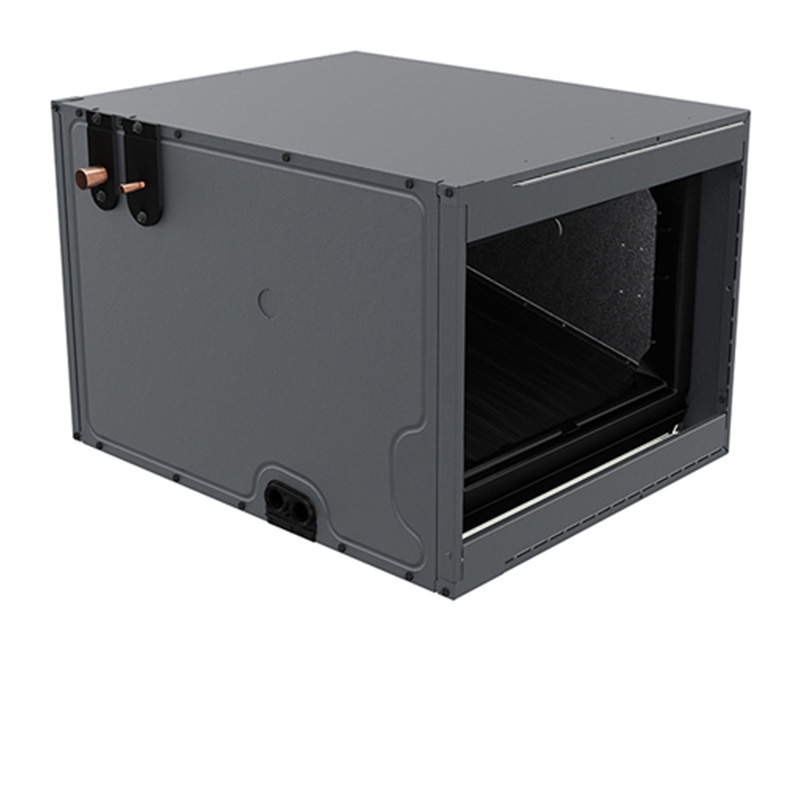
The Goodman 5-ton 14 SEER2 split system pairs a two-stage, variable-speed 80,000 BTU gas furnace with a 14 SEER2 central air conditioner sized for larger homes, typically in the 2,200 to 2,800 square foot range depending on climate and insulation. The horizontal configuration makes it a practical choice for attic or crawl-space installations where upright cabinet clearance is not available. R-32 refrigerant carries a lower global warming potential than R-410A and is now the industry standard as the HVAC sector moves away from older blends.
The 80% AFUE furnace rating means roughly 80 cents of every dollar spent on gas goes toward usable heat, with the remaining 20% lost through flue gases. That is the federally mandated floor for non-condensing furnaces in most northern states and falls below the 90%-plus threshold of high-efficiency condensing units. If you are in a mild-to-moderate heating climate or replacing an older 80% unit in an existing flue configuration, this furnace fits without requiring a new venting system. The two-stage gas valve and variable-speed air handler work together to reduce temperature swings and operate more quietly at lower demand, which is a genuine step up from single-stage equipment at this price point.
This system is not a luxury product, and Goodman does not position it as one. What it offers is a fully functional, code-compliant system at a price point 15 to 25 percent below comparable Trane, Lennox, and Carrier equipment. That savings is real and meaningful at purchase, but it comes with trade-offs in compressor longevity and component quality that buyers should factor into a total-cost-of-ownership calculation before committing.
This Goodman system delivers a legitimate two-stage, variable-speed feature set at a price most competitors charge single-stage money for, which is its strongest argument. The efficiency numbers are baseline rather than impressive, and the brand's documented history of capacitor failures, evaporator coil leaks, and shorter compressor lifespans means buyers should budget for ongoing maintenance and keep warranty paperwork organized. It is a workable choice for budget-conscious buyers who prioritize upfront cost and can tolerate the likelihood of a repair call somewhere in years seven through twelve.
Overall score is the average of the five ratings above.
What we like
- Priced 15 to 25 percent below Trane, Lennox, and Carrier for comparable tonnage and staging
- Two-stage gas valve and variable-speed blower provide better comfort and humidity control than single-stage alternatives at this price
- Horizontal configuration fills a genuine installation gap for attic and crawl-space setups
- R-32 refrigerant positions the system with current and near-future regulatory direction
- Compatible with existing B-vent flue systems, keeping installation scope and cost narrower for replacement jobs
Trade-offs
- 80% AFUE is the regulatory floor, not an efficiency achievement, and will cost more to operate annually than a 96% AFUE condensing alternative
- 14 SEER2 is the minimum efficiency tier; homeowners in hot climates will see limited energy savings compared to 16 or 18 SEER2 options
- Documented compressor lifespan of 10 to 14 years runs meaningfully shorter than the 15 to 20 years typically seen from premium-brand compressors
- Dual-run capacitor failures and evaporator coil leaks appear with enough frequency in owner reports to factor into long-term cost expectations
What homeowners and pros say about Goodman
Homeowners who have lived with Goodman equipment tend to land in one of two camps. Those who had a skilled contractor handle the installation and who stayed current on maintenance often report years of uneventful operation and point to the purchase price as money well saved. Those who ran into trouble, whether through a rushed install, a refrigerant leak in the first year, or a compressor that gave out before year ten, are well-represented on complaint-weighted channels like ConsumerAffairs, where Goodman sits at roughly 2.5 out of 5 and the recurring theme is repair costs that start piling up after year seven. Google dealer reviews, which reflect a broader cross-section of buyers, land at around 3.8 out of 5, with affordability consistently named as the system’s biggest selling point.
HVAC technicians who work on Goodman equipment regularly tend to view it pragmatically. They flag the dual-run capacitor as the most predictable failure point, a part that is inexpensive and fast to replace in the $300 to $600 range, but one that should be treated as a near-certainty over a long ownership period. Evaporator coil leaks show up often enough in service records to warrant attention, and the compressor lifespan gap between Goodman’s documented 10 to 14 year average and the 15 to 20 years seen in premium brands is a real consideration for anyone planning a long stay in their home. For this specific system, where two-stage operation and a variable-speed blower come at a price most buyers associate with single-stage equipment, the feature-to-dollar ratio is genuinely competitive. The honest caveat is that the savings are front-loaded, and the maintenance side of the ledger tends to catch up over time.
Sources: ConsumerAffairs Goodman owner reviews, AHRI Directory of Certified Product Performance, U.S. DOE appliance and equipment efficiency standards, Goodman product specification sheets.
What it costs to run
At 14 SEER2, cooling this 5-ton system for a typical 1200-hour cooling season at the U.S. average electricity rate of $0.17/kWh works out to roughly $874 per year in cooling, about $39 less per year than a minimum-efficiency 13.4 SEER2 unit of the same size. Your real cost depends on your climate and local rate.
Method: (60,000 BTU/hr ÷ 14 SEER2) × 1200 hours ÷ 1000 × $0.17/kWh. Rate source: U.S. EIA average; cooling hours: moderate-climate estimate.
How it compares
| Brand | Comparable model | SEER2 | Stage | Price position |
|---|---|---|---|---|
| Goodman | 5-Ton 14 SEER2 Two-Stage / Variable-Speed 80% AFUE Horizontal System | 14 | Two-stage | Value pick |
| Carrier | Comfort 24ACC636 / 58TP Series | 14-15 | Single-stage | Typically 15 to 25 percent more than Goodman |
| Trane | XR14 / S8X1 Series | 14-15 | Single-stage | Typically 15 to 25 percent more than Goodman |
| Lennox | Merit ML14XC1 / ML180UH Series | 14-15 | Single-stage | Typically 15 to 25 percent more than Goodman |
Competitor rows are comparable single-stage units at similar efficiency; price is relative position, not a quote.
Questions about this system
Will this horizontal furnace work in my attic, and are there any special venting requirements?
Yes, the horizontal cabinet is specifically designed for attic and crawl-space installations where a vertical unit would not fit. The 80% AFUE rating means it uses conventional Category I B-vent venting, so if you are replacing an existing 80% furnace you can typically reuse the existing flue without modification. A qualified installer should always verify clearances and local code requirements before mounting.
What does 14 SEER2 mean for my electricity bill, and is it worth upgrading to a higher efficiency unit?
SEER2 is the current federal testing standard for cooling efficiency, and 14 SEER2 is the regulatory minimum in most regions, meaning you are not getting any efficiency premium over the baseline. In a hot climate where the AC runs heavily from May through September, stepping up to a 16 or 18 SEER2 unit can reduce cooling costs meaningfully over a decade. If your budget allows the upgrade, the payback period is shorter the hotter your summers are.
What repairs should I realistically expect, and how much should I budget for them?
Dual-run capacitor failures are the most commonly documented issue with Goodman AC equipment and typically run $300 to $600 to repair. Evaporator coil leaks appear in a meaningful share of owner reports and are more expensive to address. Budget a few hundred dollars per year in a maintenance fund starting around year five or six, and keep your warranty documentation current so covered components are handled by Goodman rather than out of pocket.
How long should I expect the compressor to last compared to a Trane or Carrier unit?
Goodman compressors have averaged roughly 10 to 14 years in documented owner experience, compared to 15 to 20 years typically reported for premium brands like Trane, Lennox, and Carrier. Install quality is cited by technicians as the single biggest factor in how long any compressor lasts, so using an experienced, licensed HVAC contractor is especially important with Goodman equipment.
Is R-32 refrigerant harder to service, and will technicians in my area be able to work with it?
R-32 is mildly flammable, which requires technicians to follow specific handling procedures, but it is increasingly standard and most licensed HVAC technicians are trained and equipped for it. Availability is not a concern in the current market. If you are in a rural area, it is worth confirming your local service contractors stock R-32 before purchasing.
Specifications
| Cooling capacity | 5 Ton |
| Efficiency | 14 SEER2 |
| Furnace output | 80000 BTU |
| Furnace efficiency | 80% AFUE |
| Configuration | Horizontal |
| Refrigerant | R-32 |