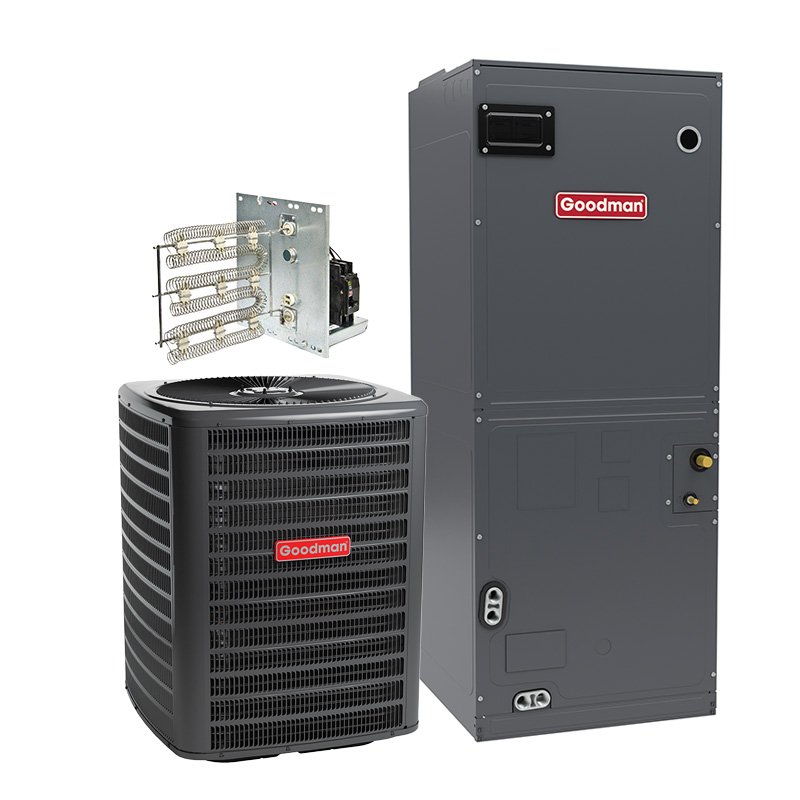
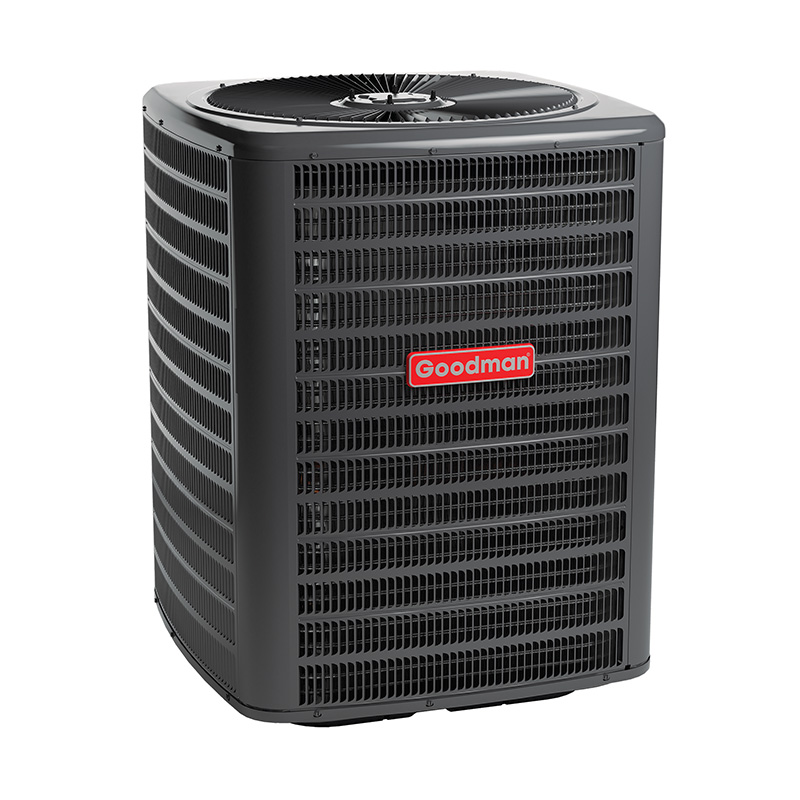
Goodman 5 Ton 14 SEER2 R32 Air Conditioner Split System With Electric Heat
View on AC Direct see your lowest price →Check current price on AC Direct →
Key features
- 5-ton cooling capacity suited for larger homes, roughly 2,400 to 3,000 square feet depending on local conditions
- 14 SEER2 efficiency rating meets current federal minimum standards for most U.S. climate zones
- R-32 refrigerant with lower global warming potential than R-410A, easing future serviceability
- Single-stage compressor operation provides straightforward, low-maintenance mechanical design
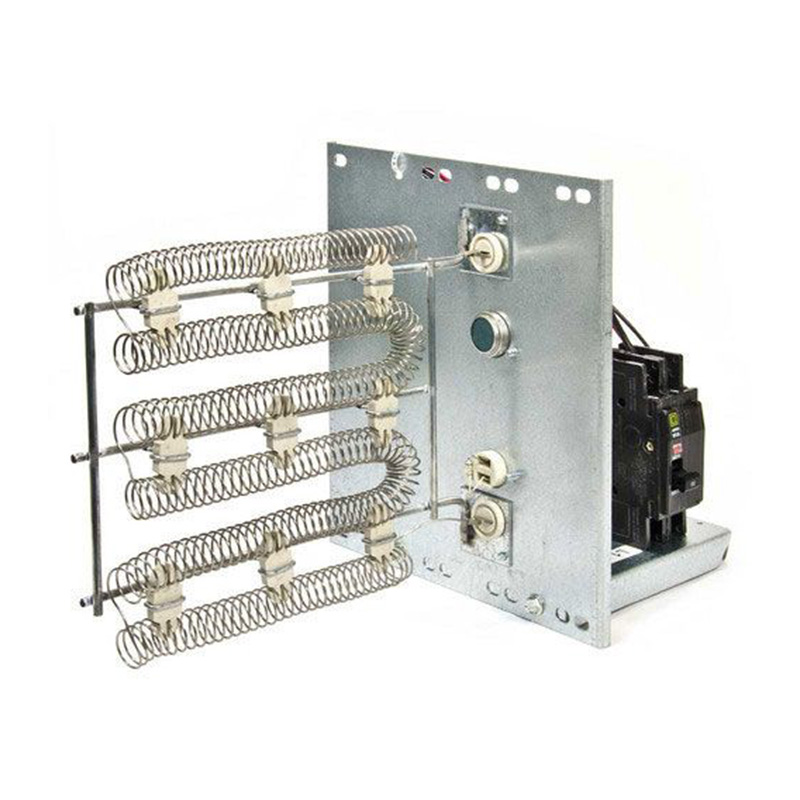
- Electric heat strip included, eliminating the need for a separate gas furnace or heat pump
- Designed for split-system installation, requiring a matched indoor air handler or coil for proper performance
About this system
The Goodman 5-ton 14 SEER2 split system with electric heat is a straightforward, single-stage cooling solution built for larger homes, typically in the 2,400 to 3,000 square foot range depending on climate and insulation. At 14 SEER2, it meets the current federal minimum efficiency standard for most U.S. regions, so it is not a high-efficiency unit, but it is a compliant and functional one. The R-32 refrigerant charge is a meaningful update: R-32 has a lower global warming potential than R-410A and is increasingly the industry standard as R-410A is phased out, which should make future refrigerant servicing easier and less expensive over the unit’s life.
The electric heat component makes this a complete comfort system without requiring a gas line, which suits all-electric homes, areas where natural gas is unavailable, and retrofit situations where adding a furnace would be cost-prohibitive. Single-stage operation means the compressor runs at full capacity or not at all, which is efficient enough on very hot days but can lead to short cycling in mild weather and somewhat less even humidity control than a two-stage or variable-speed system would provide. Buyers who prioritize a lower upfront cost and a simple, proven mechanical design over comfort refinements will find this system fits that profile well.
This Goodman 5-ton 14 SEER2 system is a competent entry-level choice for buyers who need a large-capacity, all-electric system at a price well below comparable Carrier, Trane, or Lennox equipment. It delivers adequate efficiency and a modern refrigerant without any premium features, and its long-term performance will depend significantly on installation quality and routine maintenance. Buyers comfortable with that trade-off and working with a skilled installer will likely get solid value; those expecting premium-brand durability at a budget price may be disappointed over time.
Overall score is the average of the five ratings above.
What we like
- Priced 15 to 25 percent below comparable equipment from Trane, Lennox, and Carrier, making large-capacity cooling accessible at a lower upfront cost
- R-32 refrigerant is a forward-looking choice that should reduce refrigerant costs and availability issues as R-410A phases out
- Electric heat strip included, making this a self-contained solution for all-electric homes without gas infrastructure
- Single-stage design is mechanically simple, which keeps repair diagnostics straightforward and parts widely available
- 14 SEER2 meets current federal minimums, so the system is fully compliant and eligible for standard utility rebates in most regions
Trade-offs
- Single-stage operation can cause short cycling in mild weather and provides less precise humidity control than two-stage or variable-speed alternatives
- Compressor lifespan averages 10 to 14 years versus 15 to 20 years for premium brands, meaning a mid-life replacement is more likely
- Dual-run capacitor failures are the most commonly reported repair, and evaporator coil leaks appear in a meaningful share of owner accounts, suggesting long-term maintenance costs can climb noticeably after year 7
- At 5 tons, any refrigerant leak or charge issue is more costly and disruptive to diagnose and correct than on smaller systems, and a minority of owners report refrigerant leaks within the first year tied to installation
What homeowners and pros say about Goodman
Homeowners who review Goodman equipment online tend to land in two distinct camps, and the split is visible across review channels. On ConsumerAffairs, Goodman scores around 2.5 out of 5, a platform where dissatisfied buyers are overrepresented, and the recurring story is of repair bills that start accumulating after roughly year 7, particularly around evaporator coil leaks and compressor wear. Google dealer reviews tell a more moderate story, averaging around 3.8 out of 5 across locations where affordability is consistently the top reason buyers chose the brand. For a 5-ton system, which already represents a larger-than-average installation job, the upfront savings compared to Carrier, Trane, or Lennox can be meaningful, and many owners report years of trouble-free operation when the unit was properly installed and maintained.
HVAC professionals who work on Goodman equipment regularly cite dual-run capacitor failures as the most common service call on this brand, a repair that is relatively inexpensive and quick but does add to the long-term cost of ownership. Coil leaks are a documented concern in owner accounts, and compressor longevity on Goodman units tends to average 10 to 14 years rather than the 15 to 20 years more common on premium-brand equipment. A minority of owners have also reported refrigerant leaks in the first year of operation, a pattern technicians generally attribute to installation or initial charge issues rather than a factory defect. For this specific 5-ton R-32 configuration, installer competence is especially important: a unit this size carrying a newer refrigerant requires a technician who is current on R-32 handling procedures and meticulous about system commissioning.
Sources: ConsumerAffairs Goodman owner reviews, AHRI Directory of Certified Product Performance, U.S. DOE appliance and equipment efficiency standards, Goodman product specification sheets.
What it costs to run
At 14 SEER2, cooling this 5-ton system for a typical 1200-hour cooling season at the U.S. average electricity rate of $0.17/kWh works out to roughly $874 per year in cooling, about $39 less per year than a minimum-efficiency 13.4 SEER2 unit of the same size. Your real cost depends on your climate and local rate.
Method: (60,000 BTU/hr ÷ 14 SEER2) × 1200 hours ÷ 1000 × $0.17/kWh. Rate source: U.S. EIA average; cooling hours: moderate-climate estimate.
How it compares
| Brand | Comparable model | SEER2 | Stage | Price position |
|---|---|---|---|---|
| Goodman | 5-Ton 14 SEER2 R-32 Split System with Electric Heat | 14 | Single-stage | Value pick |
| Carrier | Comfort Series (24ACC6) | 14-15 | Single-stage | Typically 15 to 25 percent more than this Goodman |
| Trane | XR14c | 14-15 | Single-stage | Typically 15 to 25 percent more than this Goodman |
| Lennox | Merit Series (14ACX) | 14-15 | Single-stage | Typically 15 to 25 percent more than this Goodman |
Competitor rows are comparable single-stage units at similar efficiency; price is relative position, not a quote.
Questions about this system
Does this system qualify for the federal energy efficiency tax credit?
At 14 SEER2, this unit meets the minimum efficiency threshold for federal compliance but falls below the higher efficiency levels required for the 25C residential energy efficiency tax credit, which generally requires 15 SEER2 or higher for split systems. Check current IRS guidance and your local utility for any rebates that may apply at this efficiency tier.
What indoor air handler or coil does this outdoor unit need to be paired with?
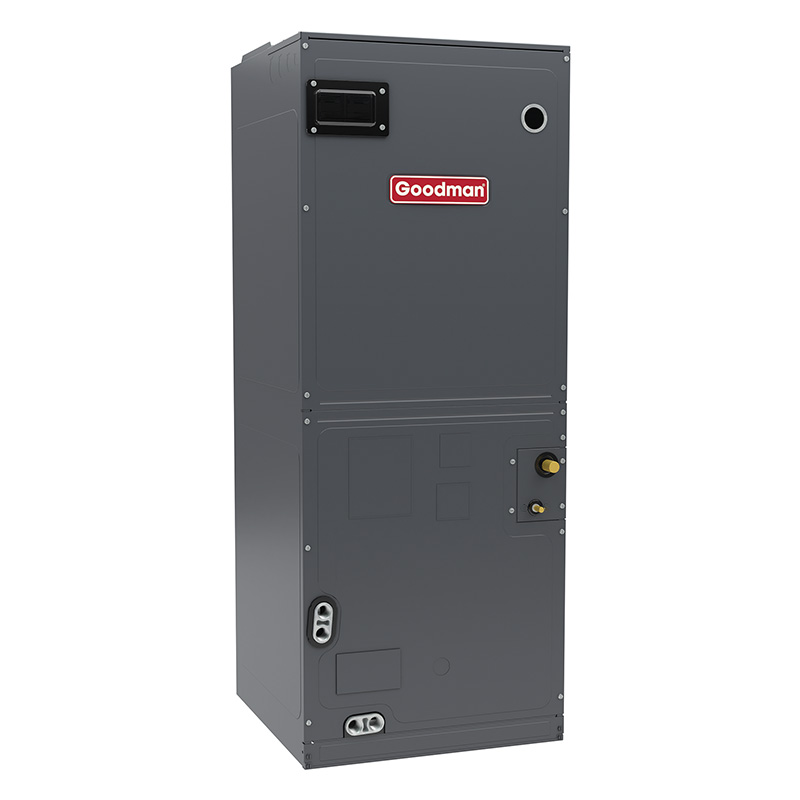
A 5-ton split system requires a matched indoor evaporator coil or air handler that is rated for R-32 refrigerant and sized to the same tonnage. Using a mismatched or non-R-32-compatible coil can void the warranty and reduce efficiency, so confirm the indoor unit compatibility with your installer or Goodman's current matchup guidelines before purchasing.
How much does the electric heat strip add to operating costs compared to a heat pump?
Electric resistance heat, which is what the heat strip provides, is significantly less efficient than heat pump heating, typically converting one unit of electricity into one unit of heat rather than two to four units that a heat pump produces. In climates with meaningful heating seasons, annual energy bills will be noticeably higher than a heat pump alternative, so this configuration is most cost-effective in mild climates or where heating loads are low.
How serious is the documented dual-run capacitor failure issue, and what does it cost to fix?
Capacitor failures are the most commonly reported repair on Goodman equipment and are not unique to this brand, but they do show up frequently in owner accounts. The good news is that a capacitor replacement is one of the lower-cost HVAC repairs, typically falling in the 300 to 600 dollar range including labor, and most HVAC technicians can diagnose and complete it on a single service call.
Is R-32 refrigerant safe, and will it be easy to service in the future?
R-32 is classified as mildly flammable, which requires technicians to use proper handling procedures, but it has a well-established safety record globally and is already widely used in equipment sold in Europe and Asia. Its lower global warming potential compared to R-410A means it is moving toward broader adoption in the U.S. as R-410A phases out, so parts and service availability should improve over time rather than becoming harder to find.
Specifications
| Cooling capacity | 5 Ton |
| Efficiency | 14 SEER2 |
| Refrigerant | R-32 |