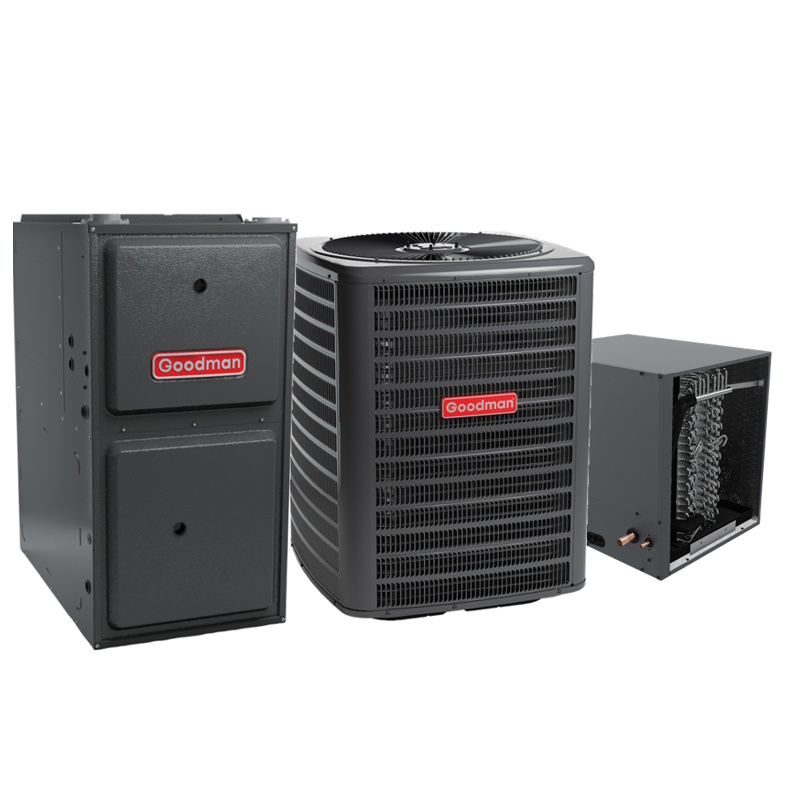
Goodman 5 Ton 15.2 SEER2 120000 BTU 96% Two Stage Variable Speed Gas Hybrid Heat Pump Dual System Horizontal
View on AC Direct see your lowest price →Check current price on AC Direct →
Key features
- 5-ton capacity with two-stage compressor for part-load efficiency on mild days
- 15.2 SEER2 cooling efficiency, meeting current federal minimums with moderate efficiency gains
- Hybrid dual-fuel design: heat pump operation with 120,000 BTU gas furnace backup
- Variable-speed air handler for quieter operation and improved humidity control
- Horizontal configuration designed for attic or crawlspace installations
- Compatible with Goodman's 10-year parts warranty when registered by a licensed contractor
About this system
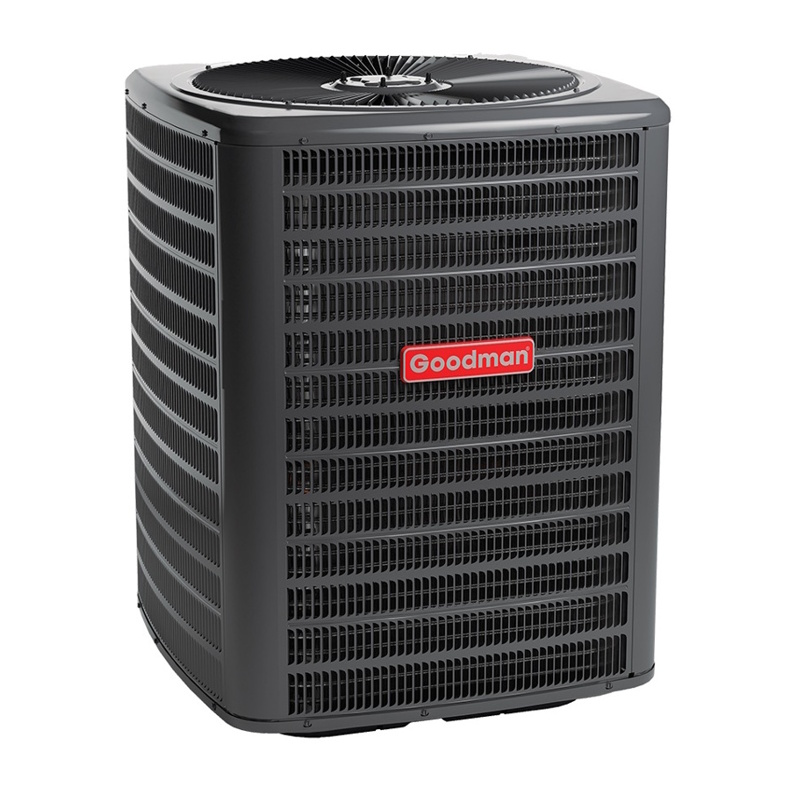
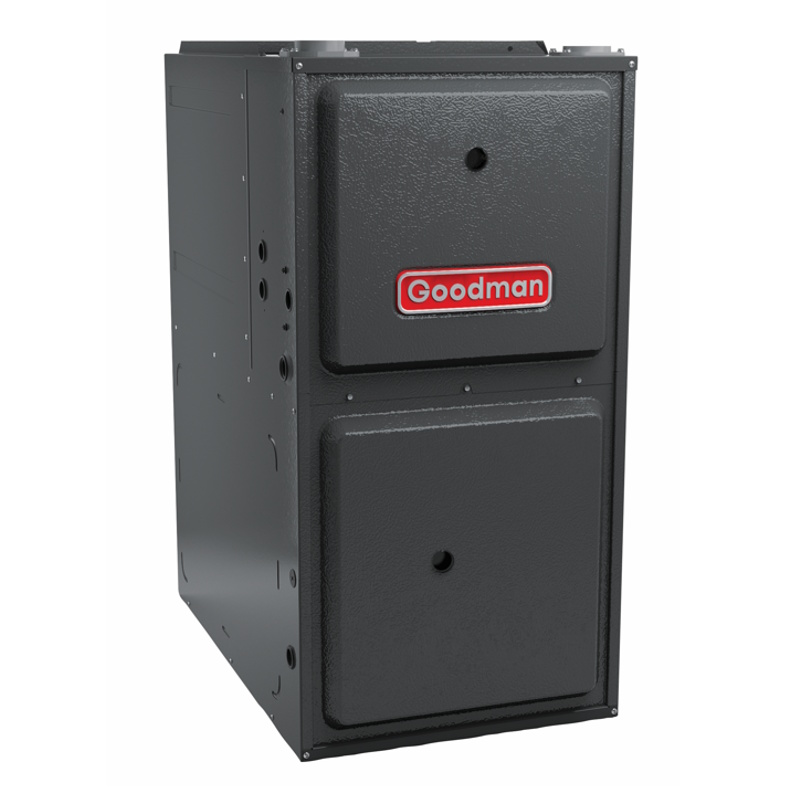
The Goodman GSZC706010 is a 5-ton, 15.2 SEER2 hybrid heat pump system configured for horizontal installation, pairing a two-stage variable-speed heat pump with a 120,000 BTU gas furnace backup. That hybrid setup means the system runs on electricity when outdoor temperatures allow it to do so efficiently, then switches to gas heat when temps drop low enough that a heat pump alone would struggle. For large homes in mixed climates, that switchover logic can meaningfully reduce heating costs over a single-fuel system.
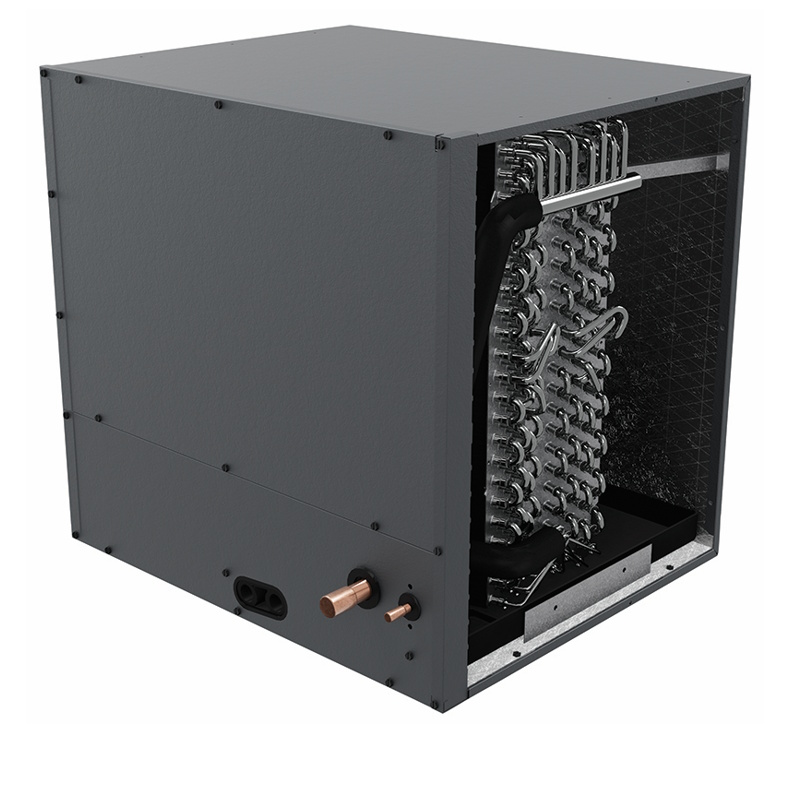
At 15.2 SEER2, this unit clears the federal minimum efficiency threshold for most regions but sits at the lower end of the high-efficiency bracket rather than the top. Two-stage cooling lets the compressor run at a lower capacity on mild days, which improves humidity control and reduces the short-cycling that wears equipment faster. The variable-speed air handler smooths airflow and supports better filtration performance. The horizontal configuration is intended for attic or crawlspace installations where vertical access is limited, and that geometry adds complexity to both installation and future service calls compared to a standard upflow unit.
This system is a practical fit for homeowners with large square footage, an existing gas line, and a budget that prioritizes upfront cost savings over the premium pricing of Carrier, Trane, or Lennox equivalents. Goodman typically prices 15 to 25 percent below those brands on comparable equipment. The trade-off is a brand history that includes documented failure points and a compressor lifespan that averages shorter than premium competitors, which makes installation quality and ongoing maintenance unusually important here.
The GSZC706010 delivers a functional hybrid heat pump package at a price point that undercuts premium brands by a meaningful margin, and the two-stage compressor with variable-speed air handler adds real comfort and efficiency over single-stage alternatives. That said, Goodman's documented failure history, particularly around capacitors, evaporator coil leaks, and compressor longevity, means buyers should budget for maintenance and prioritize finding a highly experienced installer, since install quality is the single biggest variable in how long this system performs.
Overall score is the average of the five ratings above.
What we like
- Upfront cost runs 15 to 25 percent below comparable Carrier, Trane, and Lennox systems
- Two-stage operation reduces short-cycling and improves summer humidity management
- Hybrid gas backup maintains heating reliability when outdoor temps undercut heat pump efficiency
- Variable-speed blower supports quieter, more consistent airflow throughout the home
- 10-year parts warranty is competitive when registered by a licensed installer
Trade-offs
- Compressor lifespan averages 10 to 14 years versus 15 to 20 years for premium-brand compressors
- Evaporator coil leaks appear in a meaningful share of owner reports, a documented brand-wide pattern
- Horizontal configuration makes installation and future service more complex and potentially more expensive
- A minority of owners report refrigerant leaks in year one, typically traced to installation or charging errors
What homeowners and pros say about Goodman
Homeowners who have installed Goodman equipment tend to split along a familiar fault line: those whose systems were properly installed by experienced contractors report years of unremarkable, functional service and point to the lower purchase price as a genuine win; those who ran into problems often found the issues showing up after year seven, a timeline consistent with the recurring themes in Goodman’s ConsumerAffairs rating of around 2.5 out of 5, where complaint volume is high and repair cost frustration is the dominant thread. Google dealer reviews, which capture a broader range of experiences, land around 3.8 out of 5, with affordability as the most frequently cited positive. For a large 5-ton hybrid system like the GSZC706010, the stakes of a poor install are higher than on simpler equipment, given the interaction between the heat pump and gas furnace components.
HVAC technicians who work on Goodman equipment regularly describe dual-run capacitor failures as the most routine call, a relatively inexpensive fix in the 300 to 600 dollar range that comes up often enough to plan for. Evaporator coil leaks are a more serious pattern that shows up in owner feedback across the brand, and compressor longevity averaging 10 to 14 years compares unfavorably to the 15 to 20 years that premium brands tend to deliver. The horizontal configuration of this particular system adds another layer of service complexity. Pros generally position Goodman as a reasonable choice for cost-conscious buyers who are willing to invest in a skilled installer, maintain the equipment on schedule, and carry some financial tolerance for the repair calls that are statistically more likely to show up in the second decade of ownership.
Sources: ConsumerAffairs Goodman owner reviews, AHRI Directory of Certified Product Performance, U.S. DOE appliance and equipment efficiency standards, Goodman product specification sheets.
What it costs to run
At 15.2 SEER2, cooling this 5-ton system for a typical 1200-hour cooling season at the U.S. average electricity rate of $0.17/kWh works out to roughly $805 per year in cooling, about $108 less per year than a minimum-efficiency 13.4 SEER2 unit of the same size. Your real cost depends on your climate and local rate.
Method: (60,000 BTU/hr ÷ 15.2 SEER2) × 1200 hours ÷ 1000 × $0.17/kWh. Rate source: U.S. EIA average; cooling hours: moderate-climate estimate.
How it compares
| Brand | Comparable model | SEER2 | Stage | Price position |
|---|---|---|---|---|
| Goodman | GSZC706010 | 15.2 | Two-stage | Value pick |
| Carrier | Performance 15 Heat Pump (25PHC5) with gas furnace | 15.2 | Two-stage | Typically 15 to 25 percent more than Goodman |
| Trane | XR15 Heat Pump (4TWR5) with gas furnace | 15.0 to 15.5 | Single-stage | Typically 15 to 25 percent more than Goodman |
| Lennox | Merit ML15XP1 Heat Pump with gas furnace | 15.0 to 15.5 | Single-stage | Typically 15 to 25 percent more than Goodman |
Competitor rows are comparable single-stage units at similar efficiency; price is relative position, not a quote.
Questions about this system
Why does this system have both a heat pump and a gas furnace, and how does it decide which one runs?
A hybrid system uses the heat pump for heating when outdoor temperatures are high enough for it to operate efficiently, then automatically switches to the gas furnace when temps fall below a set balance point, typically somewhere between 30 and 40 degrees Fahrenheit depending on setup. This gives you lower operating costs during mild weather while preserving full heating capacity during hard freezes, without requiring you to manually switch modes.
What does the horizontal configuration mean for my installation, and does it cost more to install than a standard system?
Horizontal configuration means the air handler is designed to lie on its side, which is standard for attic trusses and crawlspace locations where vertical height is not available. Installers generally charge more for horizontal attic work due to access difficulty and increased labor time, and future service calls in those spaces tend to cost more as well. Make sure your installer quotes specifically for a horizontal attic or crawlspace install, not a generic system price.
What are the most common repair issues with Goodman systems, and what should I budget for?
Dual-run capacitors are the most frequently reported failure, and they typically run 300 to 600 dollars to diagnose and replace, which is a manageable expense. Evaporator coil leaks are a more serious documented issue that can run into the thousands depending on whether the coil needs replacement, and they appear in a meaningful share of owner feedback. Compressors average 10 to 14 years of service life, so budgeting for a possible replacement in that window is realistic if you plan to own the home long term.
Does the 10-year parts warranty cover the compressor and the evaporator coil?
Goodman's 10-year parts limited warranty does cover the compressor and functional parts including the coil when the system is registered by a licensed contractor within the required window after installation. Labor is not covered under the standard warranty, so a compressor or coil replacement still carries significant labor cost. Confirming warranty registration was completed is worth a follow-up with your installer.
How important is installer choice for a system like this, and what should I look for?
Installer quality has an outsized effect on Goodman system longevity, and HVAC technicians consistently cite it as the single biggest factor in how long one of these units performs. A minority of early refrigerant leaks in Goodman systems are typically traced to installation or charging errors rather than the equipment itself. Look for a contractor with documented experience on hybrid dual-fuel systems specifically, verifiable licensing, and a track record of proper equipment registration to protect your warranty.
Specifications
| Cooling capacity | 5 Ton |
| Efficiency | 15.2 SEER2 |
| Furnace output | 120000 BTU |
| Configuration | Horizontal |
| Model | GSZC706010 |