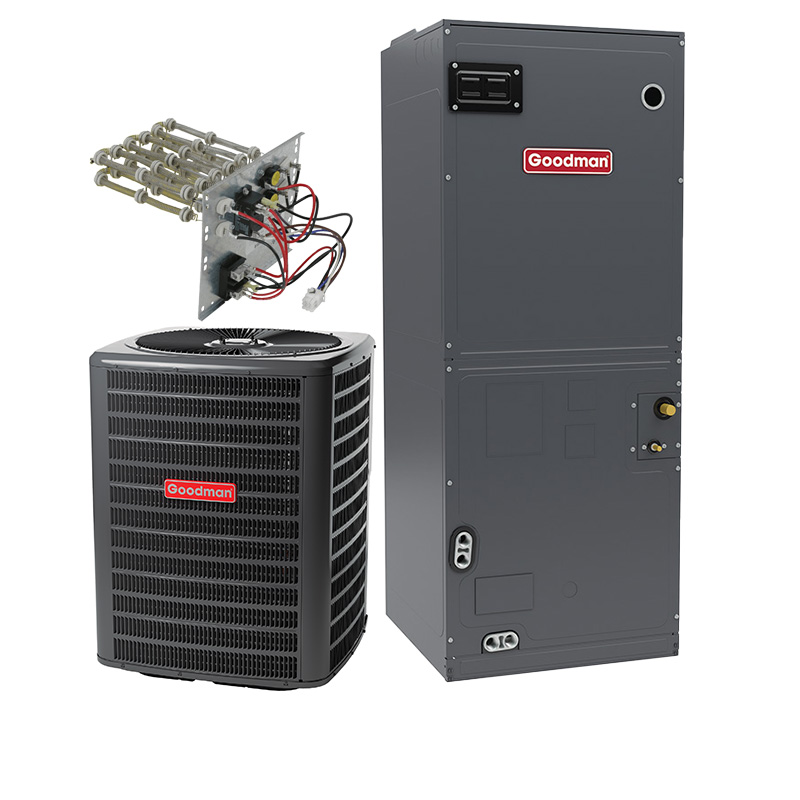
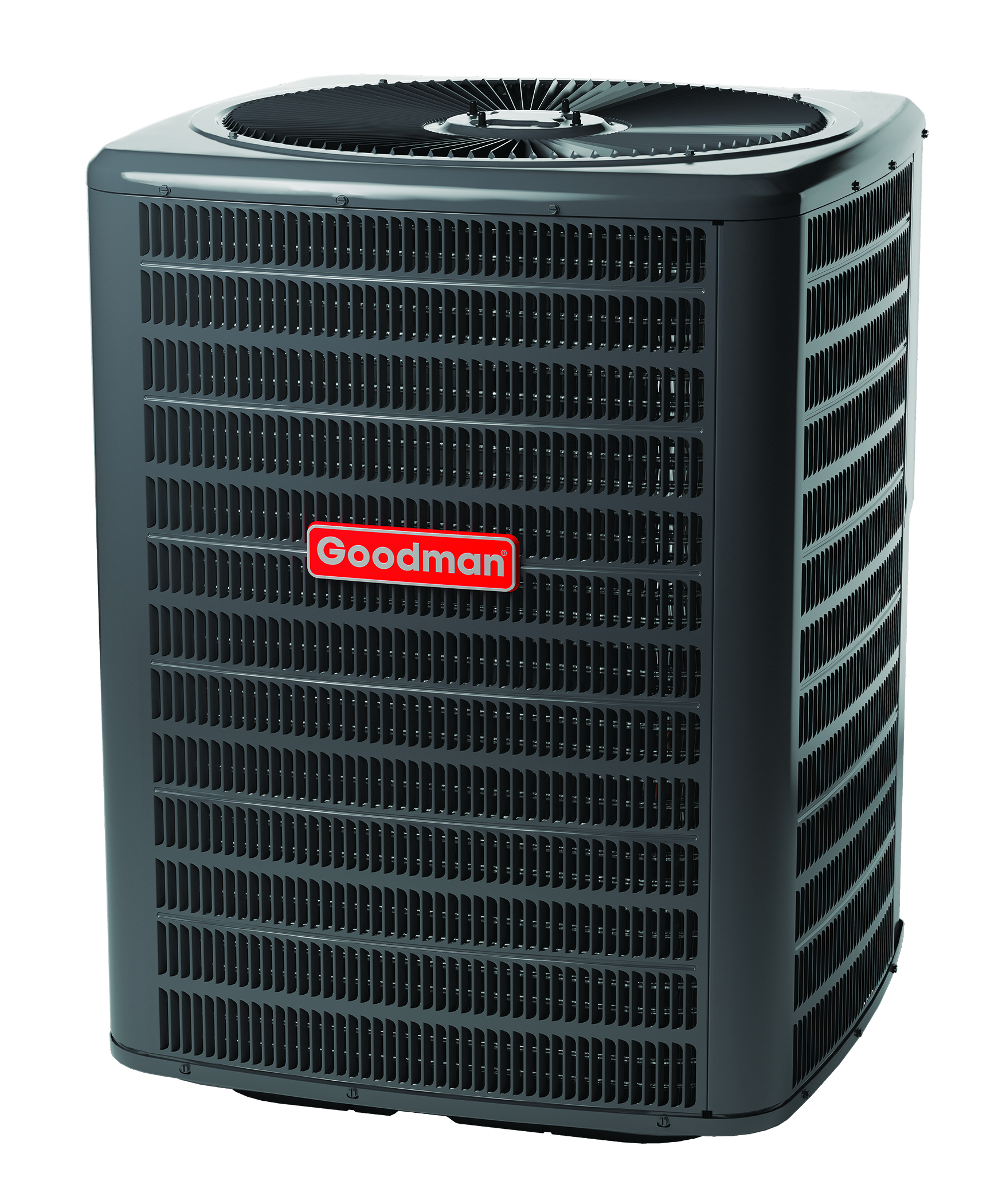
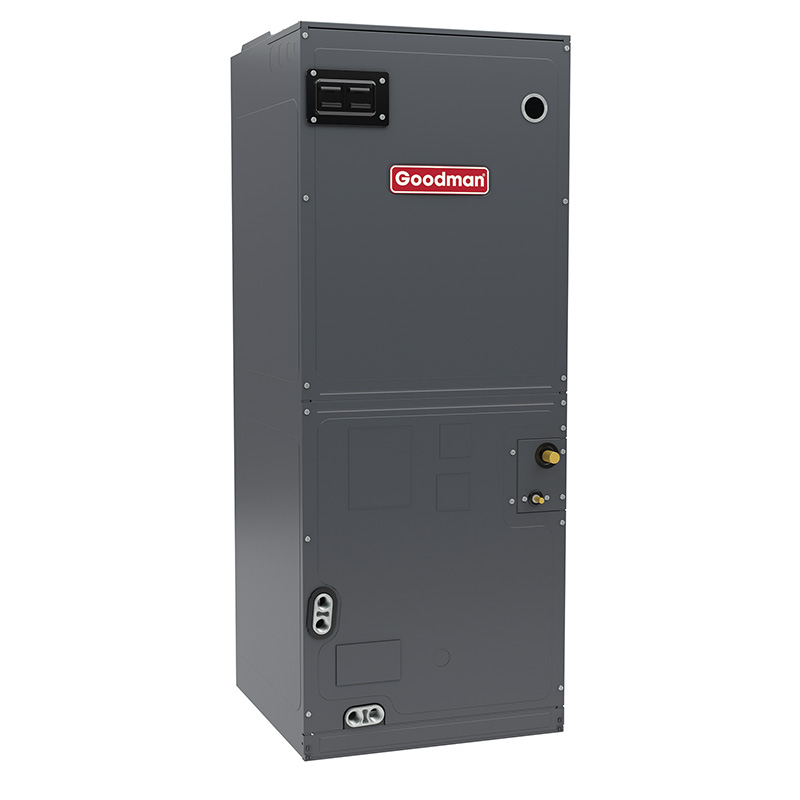
Goodman 5 Ton 16.2 SEER2 R32 Two Stage Cooling Only System With Electric Heat
View on AC Direct see your lowest price →Check current price on AC Direct →
Key features
- 5-ton capacity suited for larger homes in the 2,400 to 3,200 sq ft range
- 16.2 SEER2 two-stage compressor for improved humidity control and part-load efficiency
- R-32 refrigerant with lower global warming potential than R-410A
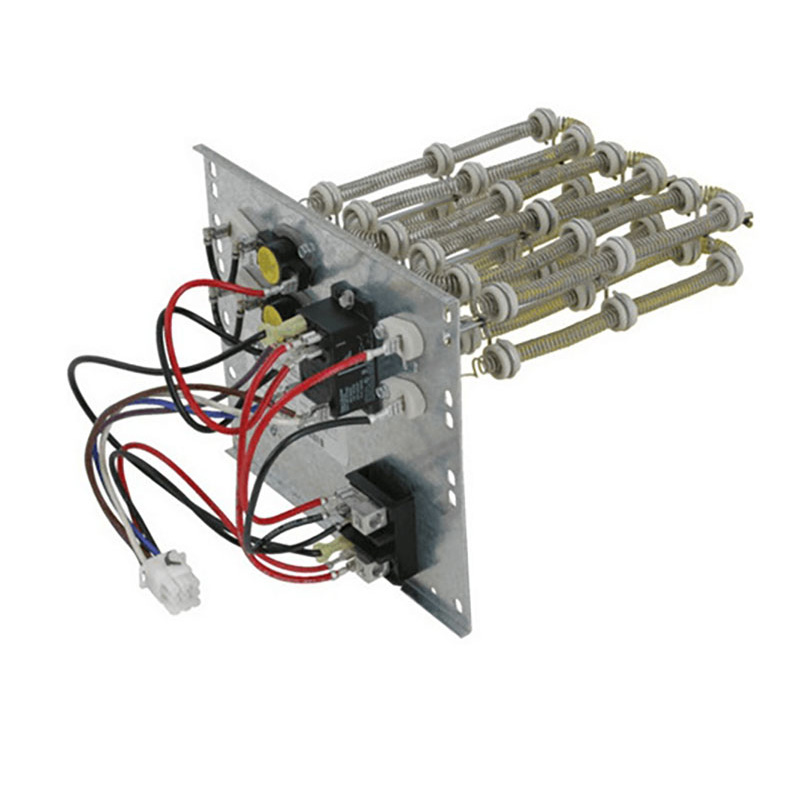
- Electric heat strip provides supplemental resistance heat for mild-winter climates
- Two-stage operation reduces short-cycling and extends average run time per cycle
- Value-tier pricing typically 15 to 25 percent below Trane, Lennox, and Carrier equivalents
About this system
This Goodman 5-ton, 16.2 SEER2 system is built for larger homes, typically in the 2,400 to 3,200 square-foot range depending on climate, insulation, and ceiling height. The two-stage cooling compressor runs at a lower capacity on mild days and ramps up only when peak heat demands it, which translates to longer run cycles, more consistent temperatures, and better humidity removal compared to a single-stage unit. For humid climates in the South and Southeast, that humidity control is a genuine functional advantage, not just marketing language.
The R-32 refrigerant charge is worth noting. R-32 has a lower global warming potential than the R-410A it replaces, and it operates at slightly higher efficiency per unit of refrigerant. It is also becoming the new industry standard, so technicians and parts availability should only improve over time. The electric heat component makes this a cooling-primary system with supplemental resistance heat, which suits climates where winters are mild and a heat pump is unnecessary or already present in the home.
As a value-tier brand, Goodman positions this system well below comparable equipment from Trane, Lennox, and Carrier, typically by 15 to 25 percent. That gap can meaningfully offset future maintenance costs, though it assumes the unit gets a careful, code-compliant installation. Skimping on the contractor who installs it largely erases the savings that made Goodman attractive in the first place.
This system delivers real two-stage performance and a respectable 16.2 SEER2 rating at a price point that leaves room in the budget for quality installation and future maintenance. The trade-off is a compressor that historically averages 10 to 14 years versus 15 to 20 for premium brands, and a documented pattern of capacitor failures and coil leaks that owners should plan for after year five or six. It earns its place as a solid mid-efficiency value buy, provided you invest in a skilled installer and set aside a service fund.
Overall score is the average of the five ratings above.
What we like
- Two-stage cooling meaningfully improves dehumidification in hot, humid climates
- 16.2 SEER2 clears the threshold for most regional efficiency incentives and rebates
- R-32 refrigerant is forward-compatible as the industry phases out R-410A
- Purchase price 15 to 25 percent below Trane, Carrier, and Lennox equivalents
- Dual-run capacitor failures, the most common documented issue, are typically a low-cost repair in the $300 to $600 range
Trade-offs
- Compressor lifespan averages 10 to 14 years, shorter than the 15 to 20 years seen in premium brands
- Evaporator coil leaks appear in a meaningful share of owner reviews and can be an expensive repair
- A minority of owners report refrigerant leaks within the first year, almost always tied to installation quality
- ConsumerAffairs scores average around 2.5 out of 5, with repair cost complaints clustering around year 7 and beyond
What homeowners and pros say about Goodman
Homeowners who land on Goodman typically arrive at the same conclusion: the upfront price is hard to argue with. Google dealer reviews for Goodman installers average around 3.8 out of 5, and affordability is by far the most repeated reason buyers chose the brand. For a 5-ton two-stage system where the premium alternatives carry a noticeably higher invoice, that savings gap is real money. What owners in those same reviews are more guarded about is what happens past the five- to seven-year mark. Dual-run capacitor failures are the most documented repair complaint and tend to be manageable in cost, but evaporator coil leaks are a more serious concern that shows up with enough frequency to warrant mention, and a compressor lifespan that averages 10 to 14 years falls short of the 15 to 20 years that Trane and Carrier owners more commonly report.
HVAC technicians are generally straightforward about where Goodman stands. The consensus is that install quality is the single biggest variable in how long one of these units lasts, and that a Goodman put in by a careful, experienced technician will outperform a premium brand put in sloppily. That nuance matters especially for a 5-ton two-stage system, where refrigerant charge, airflow balance, and coil matching are all more consequential than they are on a simple single-stage box. ConsumerAffairs scores average around 2.5 out of 5, though that channel skews heavily toward dissatisfied owners posting complaints rather than satisfied ones posting nothing. The practical picture sits somewhere between that low score and the rosier dealer reviews: a capable, budget-conscious system that rewards good installation and planned maintenance, and that asks owners to be realistic about a probable repair interval after year seven.
Sources: ConsumerAffairs Goodman owner reviews, AHRI Directory of Certified Product Performance, U.S. DOE appliance and equipment efficiency standards, Goodman product specification sheets.
What it costs to run
At 16.2 SEER2, cooling this 5-ton system for a typical 1200-hour cooling season at the U.S. average electricity rate of $0.17/kWh works out to roughly $756 per year in cooling, about $157 less per year than a minimum-efficiency 13.4 SEER2 unit of the same size. Your real cost depends on your climate and local rate.
Method: (60,000 BTU/hr ÷ 16.2 SEER2) × 1200 hours ÷ 1000 × $0.17/kWh. Rate source: U.S. EIA average; cooling hours: moderate-climate estimate.
How it compares
| Brand | Comparable model | SEER2 | Stage | Price position |
|---|---|---|---|---|
| Goodman | 5-Ton 16.2 SEER2 R-32 Two-Stage Cooling Only with Electric Heat | 16.2 | Two-stage | Value pick |
| Carrier | Comfort 16 (24ACC6) Series | Up to 17 SEER2 | Single-stage | Typically 15 to 25 percent more than Goodman |
| Trane | XR16 Series | Up to 16.5 SEER2 | Single-stage | Typically 15 to 25 percent more than Goodman |
| Lennox | Merit 16 (14ACX) Series | Up to 16 SEER2 | Single-stage | Typically 15 to 25 percent more than Goodman |
Competitor rows are comparable single-stage units at similar efficiency; price is relative position, not a quote.
Questions about this system
What size home is a 5-ton cooling system actually appropriate for?
A 5-ton unit is generally sized for homes in the 2,400 to 3,200 square foot range, but climate zone, insulation quality, window area, and ceiling height all affect the right answer. The only reliable way to confirm 5 tons is correct for your home is a Manual J load calculation done by your installer before equipment is ordered. Oversizing a two-stage system is wasteful and hurts humidity control.
Will my existing technician be able to service an R-32 system?
R-32 requires EPA Section 608 certification, which most licensed HVAC technicians already hold, but it also requires R-32-rated equipment and fittings because R-32 is mildly flammable (A2L classification). Confirm your service contractor has the right tools and experience before committing. R-32 availability and technician familiarity are growing rapidly as the industry transitions away from R-410A.
What does 'cooling only with electric heat' mean, and is it enough for winter?
This configuration uses a conventional air conditioner (not a heat pump) for cooling, paired with electric resistance heat strips for warmth. It is appropriate in climates where winters are short or mild, but electric resistance heat is significantly more expensive to operate per BTU than a heat pump in cold weather. If your winters are long or temperatures regularly drop below freezing, a heat pump system is likely a better fit.
How often do the dual-run capacitors fail on Goodman units, and what does a replacement cost?
Capacitor failure is the most commonly reported repair for Goodman equipment. It typically surfaces after five or more years of operation and is among the least expensive air conditioner repairs, generally ranging from $300 to $600 including labor. Keeping a service contract or scheduling annual tune-ups where the technician checks capacitor readings can catch a weakening capacitor before it causes a no-cooling call in peak summer heat.
Does this system qualify for federal tax credits or utility rebates?
Under current federal guidelines, central air conditioners in split systems generally need to meet 16 SEER2 or higher in northern climates and 15.2 SEER2 or higher in southern climates to qualify for the 25C energy efficiency tax credit. At 16.2 SEER2, this unit clears the northern threshold, but eligibility also depends on the full system being properly matched and installed. Check with your tax advisor and local utility for current rebate programs, as these change frequently.
Specifications
| Cooling capacity | 5 Ton |
| Efficiency | 16.2 SEER2 |
| Refrigerant | R-32 |