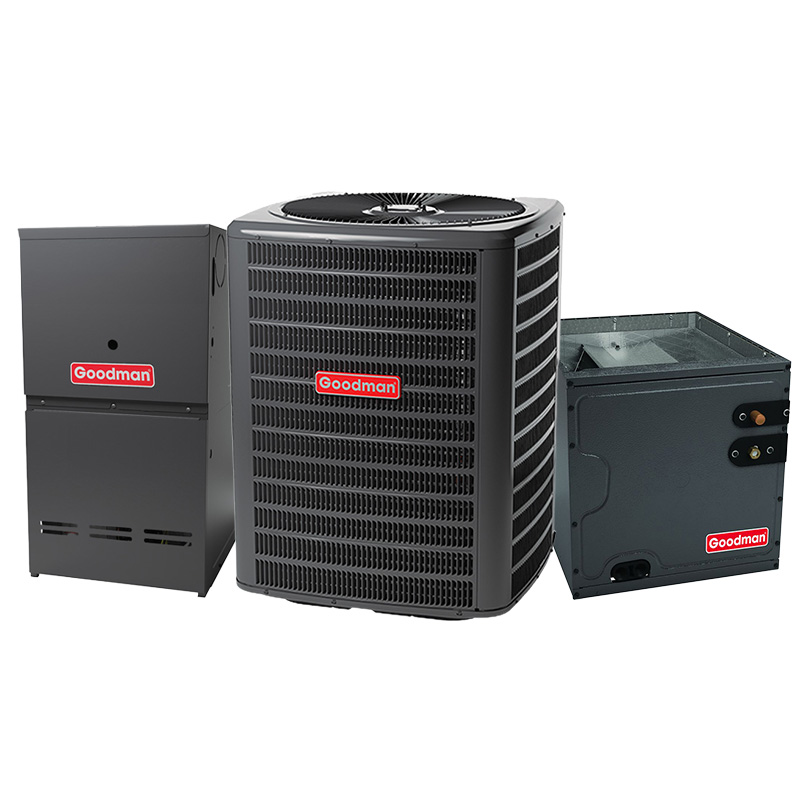
Goodman 5 Ton AC And 80000 BTU 80% AFUE Gas Furnace System | 15.5 SEER2 AC | Multi-Speed ECM Low NOx Furnace | Downflow | R32
View on AC Direct see your lowest price →Check current price on AC Direct →
Key features
- 5-ton cooling capacity at 15.5 SEER2, meeting 2023 DOE minimum efficiency standards for most U.S. regions
- 80,000 BTU gas furnace rated at 80% AFUE with low-NOx burners for compliance in stricter emissions markets
- Multi-speed ECM blower motor reduces fan electricity draw and improves airflow consistency over PSC motors
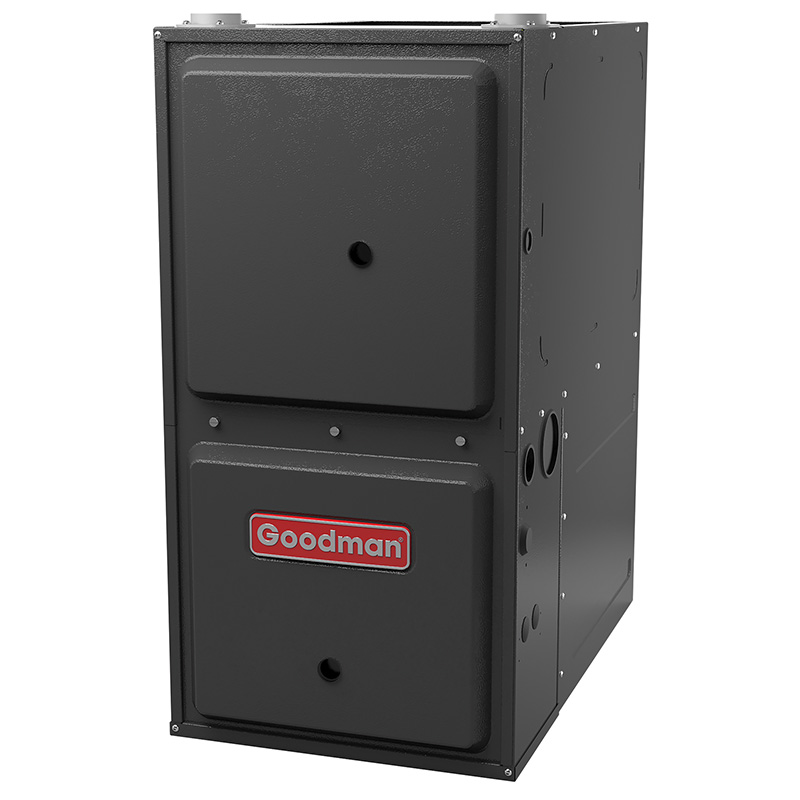
- Downflow configuration designed for above-floor installations discharging into bottom or crawl-space ductwork
- R-32 refrigerant charge with lower global warming potential than R-410A
- Factory-matched system sold as a bundle, simplifying AHU equipment selection and ARI certification
About this system
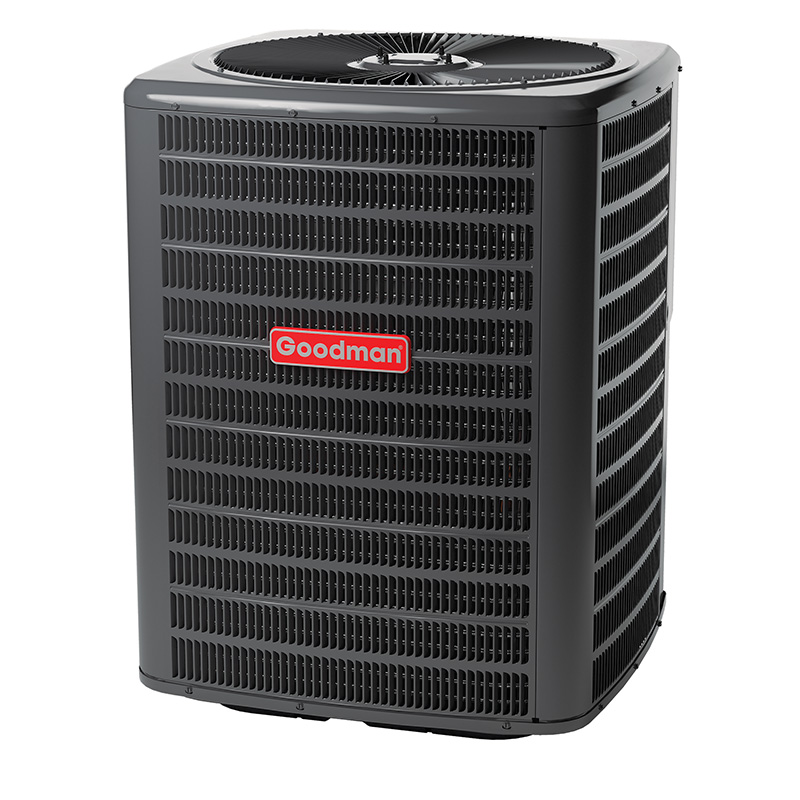
This Goodman bundle pairs a 5-ton, 15.5 SEER2 split-system air conditioner with an 80,000 BTU, 80% AFUE gas furnace in a downflow configuration, meaning the furnace sits above the conditioned space and blows air downward through the floor, which is common in homes with crawl spaces or slab construction with bottom-exit ductwork. R-32 refrigerant replaces the older R-410A, offering a lower global warming potential and slightly better heat-transfer efficiency. The multi-speed ECM blower motor in the furnace modulates airflow more precisely than a single-speed PSC motor, which can reduce temperature swings, lower blower electricity consumption, and improve comfort on mild days compared with a basic on/off setup.
At 5 tons this system is sized for larger homes, generally in the 2,400 to 3,000 square foot range depending on climate, insulation quality, and window load, though proper Manual J load calculations should always guide final sizing. The 80% AFUE rating means 20 cents of every gas dollar exits as flue exhaust, a mid-efficiency tier that keeps installation simpler because it uses a standard metal flue rather than PVC condensate piping. Homeowners in moderate climates or those who heat less heavily may find 80% AFUE sufficient; those in colder regions with high annual gas consumption often recover the cost of a 96% AFUE unit within a few years. Low-NOx combustion is included, meeting stricter California and some regional air-quality requirements, which broadens where this unit can legally be installed.
This Goodman bundle delivers solid mid-tier efficiency at a price that undercuts Carrier, Trane, and Lennox by a meaningful margin, making it a reasonable choice for budget-conscious buyers who prioritize upfront cost and can accept a slightly shorter compressor lifespan than premium brands offer. Install quality matters more with Goodman than with premium brands, so choosing an experienced, licensed contractor is not optional. Known failure points, particularly dual-run capacitors and evaporator coil leaks, should be factored into long-term ownership budgeting.
Overall score is the average of the five ratings above.
What we like
- Priced roughly 15 to 25 percent below comparable Carrier, Trane, and Lennox equipment for the same capacity and efficiency tier
- 15.5 SEER2 clears regional minimums with room to spare, keeping monthly cooling costs in a reasonable range for a 5-ton system
- Multi-speed ECM blower offers better comfort and lower fan energy use than single-speed alternatives at this price point
- R-32 refrigerant is more widely available as R-410A phases out and carries a lower environmental impact
- Low-NOx combustion broadens the geographic markets where this unit can be legally permitted and installed
Trade-offs
- Dual-run capacitors are the most frequently reported failure, typically adding a 300 to 600 dollar repair bill after several years of use
- Compressor lifespan averages 10 to 14 years in owner and technician reports, shorter than the 15 to 20 years typical of premium-brand compressors
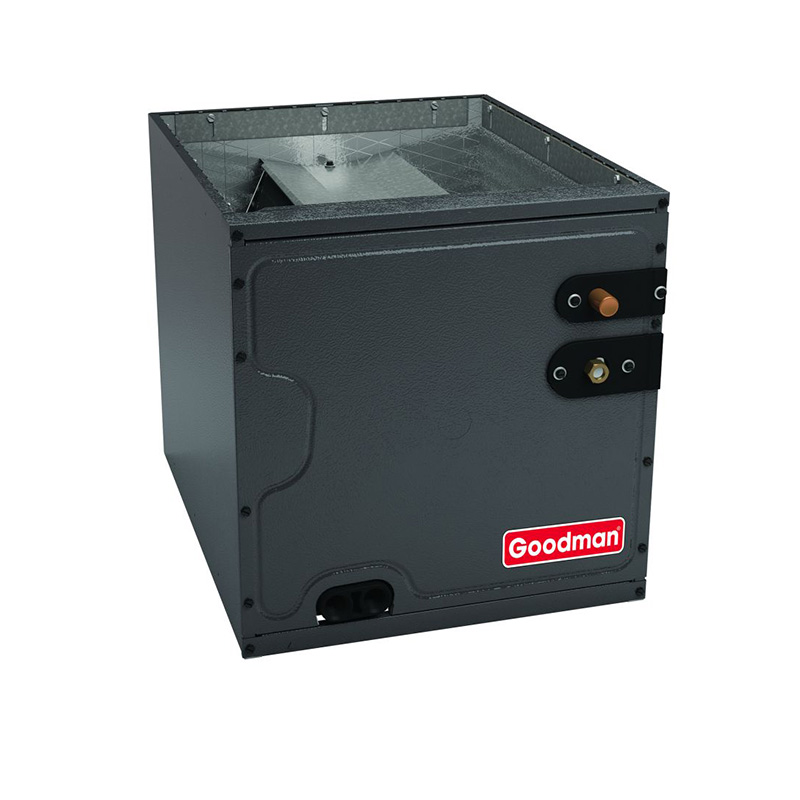
- Evaporator coil leaks appear in a notable share of owner reviews, a failure that can be costly and time-consuming to diagnose and repair
- 80% AFUE is the least efficient gas furnace tier available, meaning higher annual fuel costs compared with 96% AFUE condensing units in cold climates
What homeowners and pros say about Goodman
Among homeowners, Goodman earns consistent praise for keeping upfront costs down in a category where premium brands have grown expensive, and that reputation holds for a large-tonnage bundle like this one. Dealer Google reviews average around 3.8 out of 5, with affordability cited most often as the reason buyers chose Goodman over the competition. On complaint-weighted platforms like ConsumerAffairs, the brand sits closer to 2.5 out of 5, and the pattern in those reports is telling: owners who have smooth early years often run into climbing repair costs after year seven or so. The specific failure modes that come up repeatedly are dual-run capacitor failures, which tend to be quick and relatively inexpensive fixes in the 300 to 600 dollar range, and evaporator coil leaks, which are a more serious and costly problem when they occur.
HVAC technicians who work on Goodman equipment regularly tend to view it as reliable enough when properly installed and maintained, but they are consistent on one point: installation quality is the single biggest variable in how long a Goodman system lasts. Compressor lifespans averaging 10 to 14 years, versus 15 to 20 years for premium brands, mean this is a system that rewards proactive maintenance and a skilled installer rather than a set-and-forget approach. The R-32 refrigerant and multi-speed ECM blower are genuine upgrades at this price tier, and for a buyer who understands the trade-offs and budgets for periodic component replacement, this 5-ton bundle can deliver solid long-term value.
Sources: ConsumerAffairs Goodman owner reviews, AHRI Directory of Certified Product Performance, U.S. DOE appliance and equipment efficiency standards, Goodman product specification sheets.
What it costs to run
At 15.5 SEER2, cooling this 5-ton system for a typical 1200-hour cooling season at the U.S. average electricity rate of $0.17/kWh works out to roughly $790 per year in cooling, about $123 less per year than a minimum-efficiency 13.4 SEER2 unit of the same size. Your real cost depends on your climate and local rate.
Method: (60,000 BTU/hr ÷ 15.5 SEER2) × 1200 hours ÷ 1000 × $0.17/kWh. Rate source: U.S. EIA average; cooling hours: moderate-climate estimate.
How it compares
| Brand | Comparable model | SEER2 | Stage | Price position |
|---|---|---|---|---|
| Goodman | 5-Ton 15.5 SEER2 AC + 80K BTU 80% AFUE Downflow Bundle | 15.5 | Single-stage (AC) / Multi-speed (furnace blower) | Value pick |
| Carrier | Comfort 24ACC636 (5-ton) + 58TP 80% AFUE furnace | 15.2 | Single-stage | Roughly 15 to 20 percent more than this Goodman bundle |
| Trane | XR15 (5-ton) + S8X1 80% AFUE furnace | 15.0 | Single-stage | Roughly 20 to 25 percent more than this Goodman bundle |
| Lennox | Merit ML15 (5-ton) + ML195 80% AFUE furnace | 15.5 | Single-stage | Roughly 20 to 30 percent more than this Goodman bundle |
Competitor rows are comparable single-stage units at similar efficiency; price is relative position, not a quote.
Questions about this system
Why does a downflow furnace matter, and how do I know if my home needs one?
A downflow furnace discharges conditioned air out of the bottom, which is necessary when ductwork runs beneath the unit through a crawl space or slab floor. If your current furnace sits in a utility closet or garage with supply ducts below it, downflow is likely your required configuration. A horizontal or upflow furnace will not fit your existing duct layout without significant and expensive rerouting.
Is 15.5 SEER2 going to make a noticeable difference in my electric bill compared with my old system?
If you are replacing a unit that is 10 or more years old, it was likely rated at 10 to 13 SEER under the older scale, which translates to roughly 10 to 12 SEER2. Moving to 15.5 SEER2 can reduce cooling electricity consumption by 20 to 35 percent depending on how old and degraded the outgoing system was. The actual savings depend heavily on your local utility rates, climate, and how well the new system is charged and sized.
The specs mention R-32 refrigerant. Can my existing technician service it, and is it harder to find?
R-32 requires technicians to use equipment rated for its slightly higher operating pressures, and because it is mildly flammable it calls for specific handling procedures. Most HVAC supply houses now stock R-32, and as R-410A phases out under EPA regulations, R-32 availability is expected to grow rather than shrink. Confirm your servicing contractor has worked with R-32 before committing.
What should I budget for repairs given Goodman's documented failure modes?
Dual-run capacitor failures are the most common repair, typically costing 300 to 600 dollars for parts and labor, and they often appear after five to seven years of use. Evaporator coil leaks are more expensive to fix and can run into the thousands depending on labor and refrigerant costs. Setting aside a modest annual maintenance fund and scheduling yearly tune-ups is a practical way to catch capacitor wear and refrigerant charge issues before they become larger problems.
Is 80% AFUE enough for my climate, or should I pay more for a 96% AFUE condensing furnace?
In climates with mild winters or natural gas prices well below national averages, the payback period on a 96% AFUE unit can stretch to 10 or more years, making 80% AFUE a reasonable choice financially. In cold northern climates where a furnace runs heavily from October through March, the roughly 16 percent fuel savings from a high-efficiency condensing furnace often pays back the price difference in five to eight years. Run the numbers against your actual annual gas bill before deciding.
Specifications
| Cooling capacity | 5 Ton |
| Efficiency | 15.5 SEER2 |
| Furnace output | 80000 BTU |
| Furnace efficiency | 80% AFUE |
| Configuration | Downflow |
| Refrigerant | R-32 |