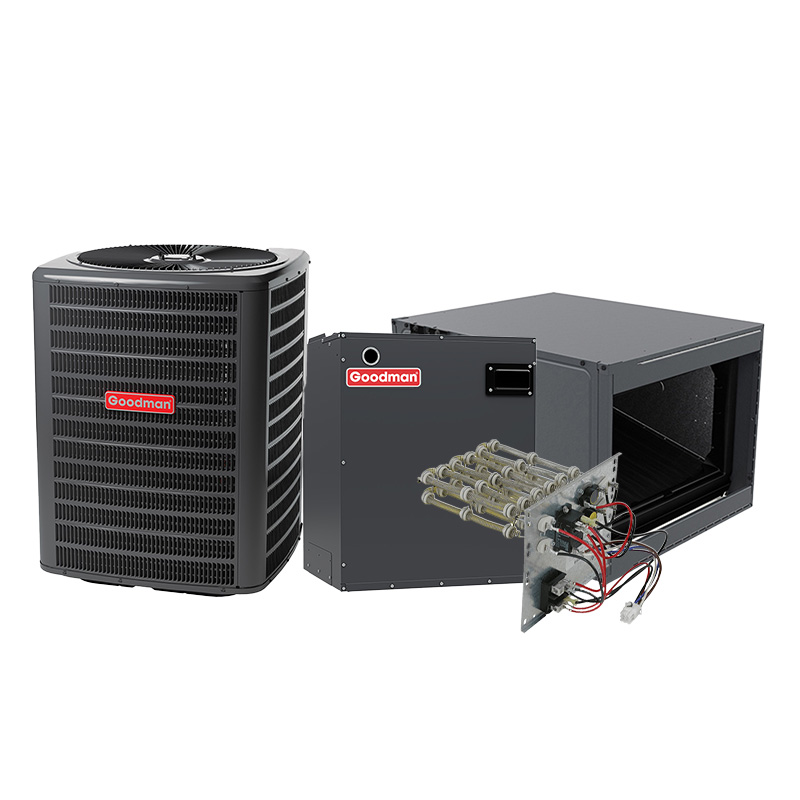
Goodman AC & Air Handler | 2 Ton 18.5 SEER2 2 Stage AC With Electric Heat – Horizontal R32 | For Very Mild Winter Climates
View on AC Direct see your lowest price →Check current price on AC Direct →
Key features
- 18.5 SEER2 two-stage cooling for high-efficiency, lower utility costs vs. standard single-stage units
- Horizontal air handler configuration designed for attic or side-discharge installations
- R-32 refrigerant with lower global warming potential than legacy R-410A systems
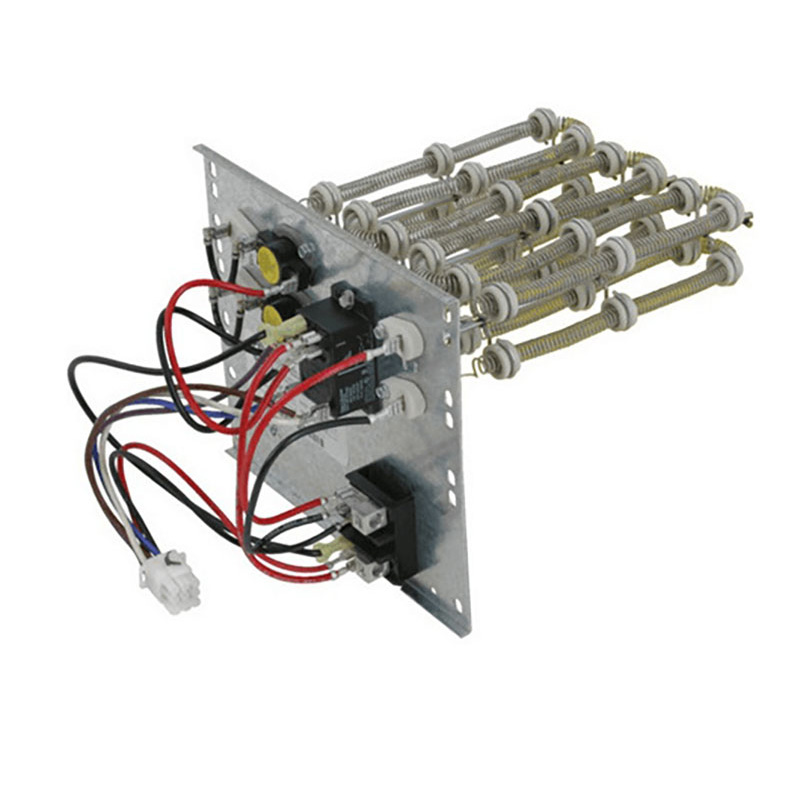
- Electric heat strips included, sized for mild-winter climates where gas heat is impractical or unnecessary
- Two-stage compressor reduces short-cycling, improves humidity control, and lowers noise on mild days
- Priced 15 to 25 percent below comparable Trane, Lennox, and Carrier equipment at similar efficiency
About this system
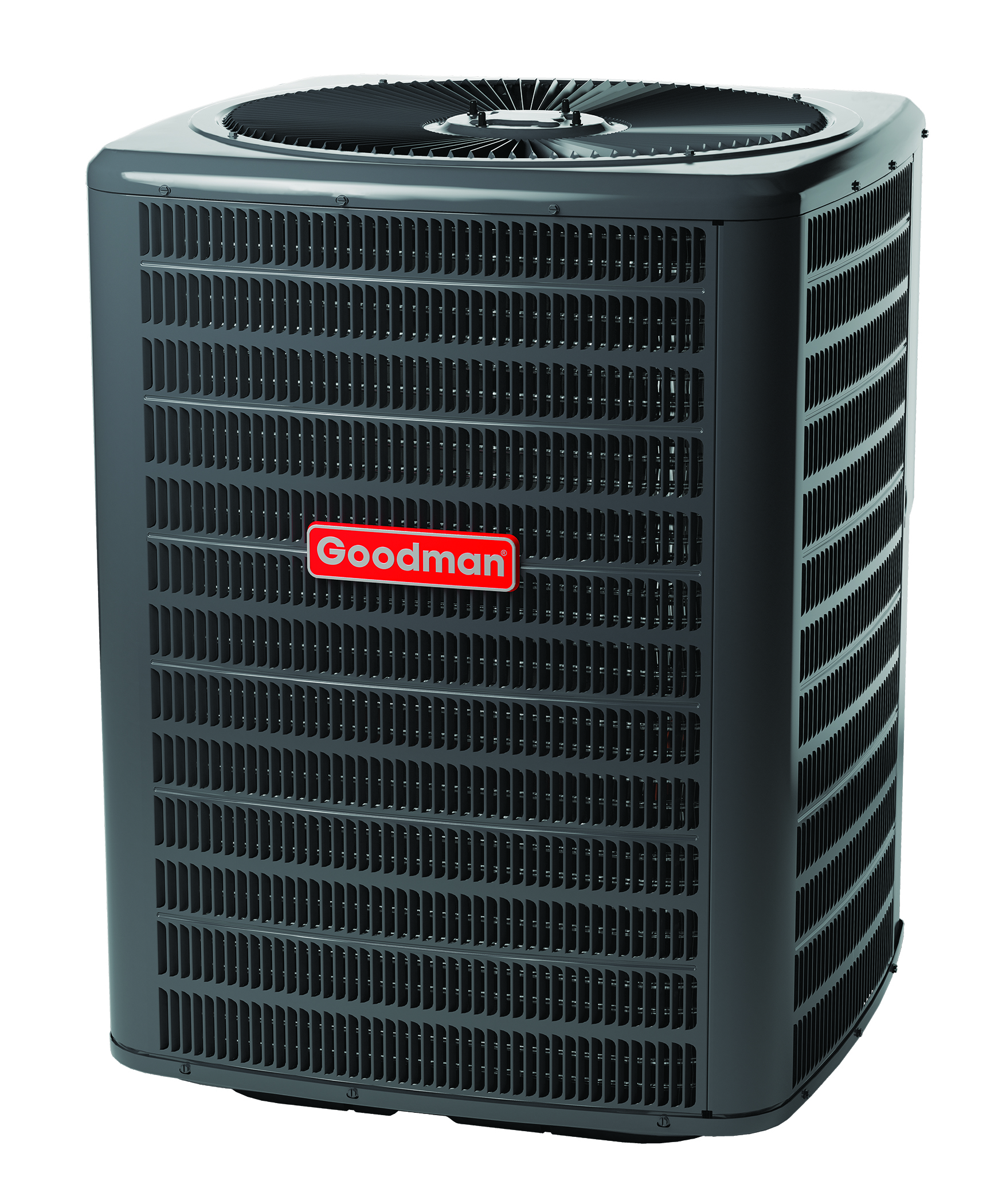
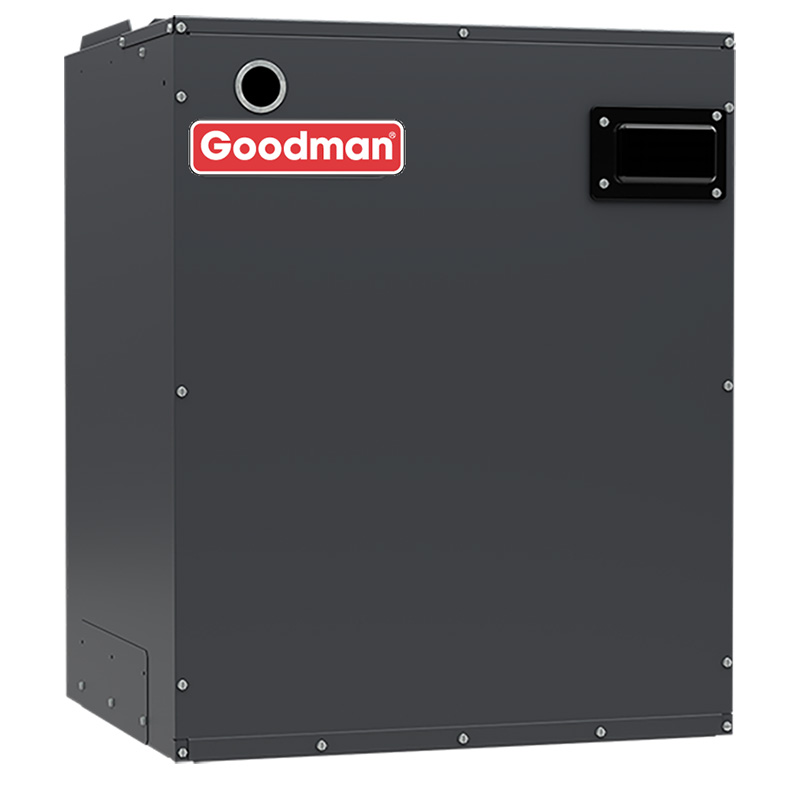
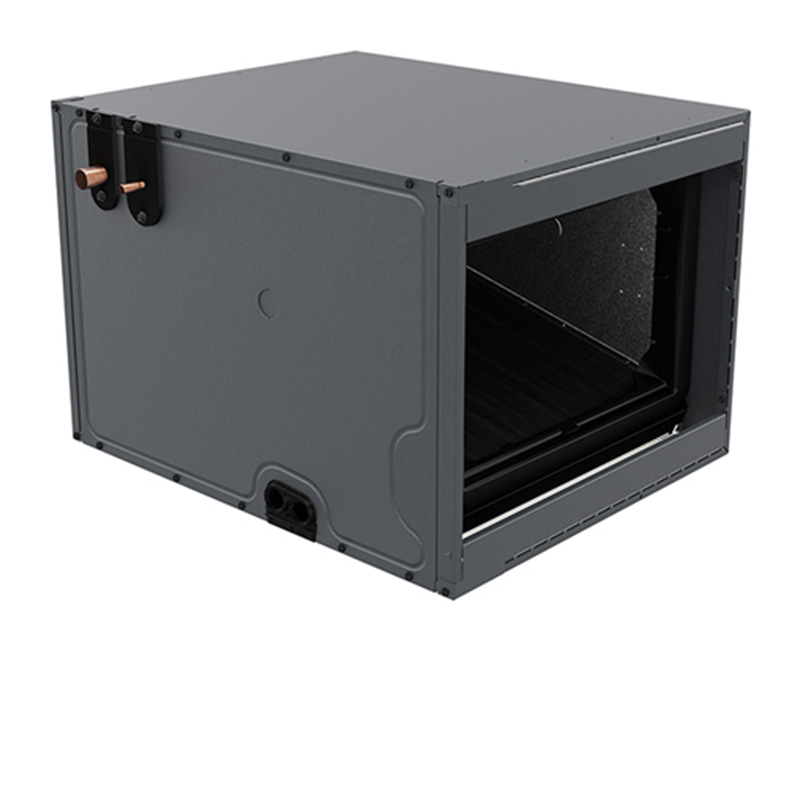
This Goodman 2-ton, 18.5 SEER2 two-stage system is built around a horizontal air handler configuration and runs on R-32 refrigerant, a lower global-warming-potential alternative that is becoming more common in newer residential equipment. The horizontal layout makes it a practical choice for attic installations or tight mechanical rooms where a vertical unit simply will not fit. At 2 tons, it is sized for conditioned spaces roughly in the 900 to 1,200 square foot range, though actual sizing depends on your home’s insulation, window area, and local climate. The electric heat strips in the air handler handle supplemental warmth, which makes this setup well-suited to regions where winter lows rarely push below freezing and a gas furnace would be unnecessary expense.
The two-stage compressor is a meaningful step up from single-stage equipment. On most days the system runs on its lower stage, which means longer, quieter cycles, more consistent humidity removal, and less on-off cycling stress on components. It only ramps to full capacity during peak heat. Paired with a communicating or variable-speed air handler, that translates to noticeably better comfort than a comparably priced single-stage unit. The 18.5 SEER2 rating places this system solidly in the high-efficiency tier, clearing federal minimums for most U.S. regions by a comfortable margin and likely qualifying for federal tax credits under current energy efficiency incentive programs. R-32 refrigerant requires a contractor certified to handle it, so confirm your installer has the appropriate equipment before scheduling.
This Goodman two-stage system delivers genuine high-efficiency performance at a price that undercuts the major premium brands by a meaningful margin, making it a reasonable choice for budget-conscious buyers in mild climates who need a horizontal configuration. The trade-off is a brand track record that shows real weaknesses past the 7-year mark, and performance that depends heavily on who installs it. Buyers who vet their installer carefully and budget for potential capacitor or coil service down the road will get solid value here.
Overall score is the average of the five ratings above.
What we like
- 18.5 SEER2 rating is well above minimum standards and supports federal tax credit eligibility
- Two-stage operation delivers better humidity control and quieter part-load performance than single-stage alternatives
- R-32 refrigerant is more environmentally responsible and increasingly well-supported by certified technicians
- Horizontal air handler opens up installation options in attics and horizontal-only mechanical spaces
- Lower upfront cost vs. Carrier, Trane, and Lennox frees budget for a quality installation or extended service contract
Trade-offs
- Compressor lifespan averages 10 to 14 years versus 15 to 20 years documented for premium-brand compressors
- Evaporator coil leaks appear in a meaningful share of owner reports, which can be a costly mid-life repair
- A minority of owners report refrigerant leaks within the first year, typically traced to installation or charge issues rather than the unit itself
- ConsumerAffairs rating of roughly 2.5 out of 5 reflects a pattern of rising repair costs after approximately year 7
What homeowners and pros say about Goodman
Homeowners who research Goodman before buying typically land on two very different camps of feedback. On ConsumerAffairs, where the brand scores around 2.5 out of 5, the loudest voices are owners who saw repair costs climb after roughly year seven, with evaporator coil leaks and compressor failures appearing repeatedly in the complaint threads. Google dealer reviews tell a somewhat different story, averaging around 3.8 out of 5 across hundreds of reviews per location, where the most consistent praise is straightforward: the price is lower than the competition and the system cools the house. The gap between those two scores is worth understanding. ConsumerAffairs skews toward people motivated enough by frustration to write a review, while dealer reviews capture a broader cross-section of buyers, including the many who have no complaints.
HVAC technicians who work on Goodman equipment frequently point to dual-run capacitor failures as the most routine service call on these units, a repair that typically runs 300 to 600 dollars and is not unusual in the industry broadly. More concerning to pros are the evaporator coil leaks that show up in a meaningful share of longer-term owner reports, and a compressor lifespan that tends to average 10 to 14 years versus the 15 to 20 years seen on premium-brand units. A minority of owners also report refrigerant leaks within the first year, something technicians almost universally attribute to installation quality rather than the equipment itself. That last point is the refrain you will hear most from experienced installers: a well-installed Goodman outperforms a poorly installed Carrier or Trane every time, and this two-stage R-32 system rewards a careful, experienced setup more than most.
Sources: ConsumerAffairs Goodman owner reviews, AHRI Directory of Certified Product Performance, U.S. DOE appliance and equipment efficiency standards, Goodman product specification sheets.
What it costs to run
At 18.5 SEER2, cooling this 2-ton system for a typical 1200-hour cooling season at the U.S. average electricity rate of $0.17/kWh works out to roughly $265 per year in cooling, about $100 less per year than a minimum-efficiency 13.4 SEER2 unit of the same size. Your real cost depends on your climate and local rate.
Method: (24,000 BTU/hr ÷ 18.5 SEER2) × 1200 hours ÷ 1000 × $0.17/kWh. Rate source: U.S. EIA average; cooling hours: moderate-climate estimate.
How it compares
| Brand | Comparable model | SEER2 | Stage | Price position |
|---|---|---|---|---|
| Goodman | 2-Ton 18.5 SEER2 Two-Stage Horizontal R-32 with Electric Heat | 18.5 | Two-stage | Value pick |
| Carrier | Comfort 18 (24ACC6 series) | 18 | Two-stage | Typically 15 to 25 percent more than this Goodman system |
| Trane | XR18 series | 18 | Two-stage | Typically 15 to 25 percent more than this Goodman system |
| Lennox | Merit 18ACB series | 18 | Two-stage | Typically 15 to 25 percent more than this Goodman system |
Competitor rows are comparable single-stage units at similar efficiency; price is relative position, not a quote.
Questions about this system
Why does this system specify 'very mild winter climates' if it has electric heat strips?
Electric resistance heat is inexpensive to install but costly to run for extended periods, so it is only practical as a primary heat source where winters are short and temperatures rarely drop far below freezing. In climates with real winters, a heat pump or gas furnace system would dramatically lower your heating bills.
My contractor is not familiar with R-32 refrigerant. Is that a problem?
Yes, it can be. R-32 requires specific recovery and charging equipment different from R-410A tools, and technicians need to be certified to handle it. Using a contractor without the right equipment raises the risk of improper charge, which is one of the documented causes of early refrigerant leaks on these systems. Confirm your installer is R-32 qualified before proceeding.
What is the most common repair I should budget for on a Goodman system like this?
Dual-run capacitor failure is the most frequently reported issue across Goodman equipment. It is generally a straightforward repair in the 300 to 600 dollar range and is not unique to Goodman, but it does come up more often in owner reports than with some premium brands. Setting aside a small annual maintenance budget and having a service contract in place helps keep this from becoming a surprise expense.
Does the two-stage compressor actually make a noticeable difference in comfort compared to a single-stage unit?
In most homes, yes. Running on the lower stage for the majority of operating hours means longer cycles that do a better job pulling humidity out of the air, which matters especially in climates where summer humidity is as uncomfortable as the heat itself. The reduced on-off cycling is also quieter and easier on the system than constant full-capacity starts.
Is the horizontal air handler interchangeable with a vertical unit if my installation needs change?
Not directly. Horizontal and vertical air handlers are configured differently for airflow direction, and the coil and drain pan orientation differ between the two. If your installation space changes later, you would need a different air handler model. Make sure your contractor confirms the horizontal configuration is the correct fit for your specific attic or mechanical room before installation.
Specifications
| Cooling capacity | 2 Ton |
| Efficiency | 18.5 SEER2 |
| Configuration | Horizontal |
| Refrigerant | R-32 |